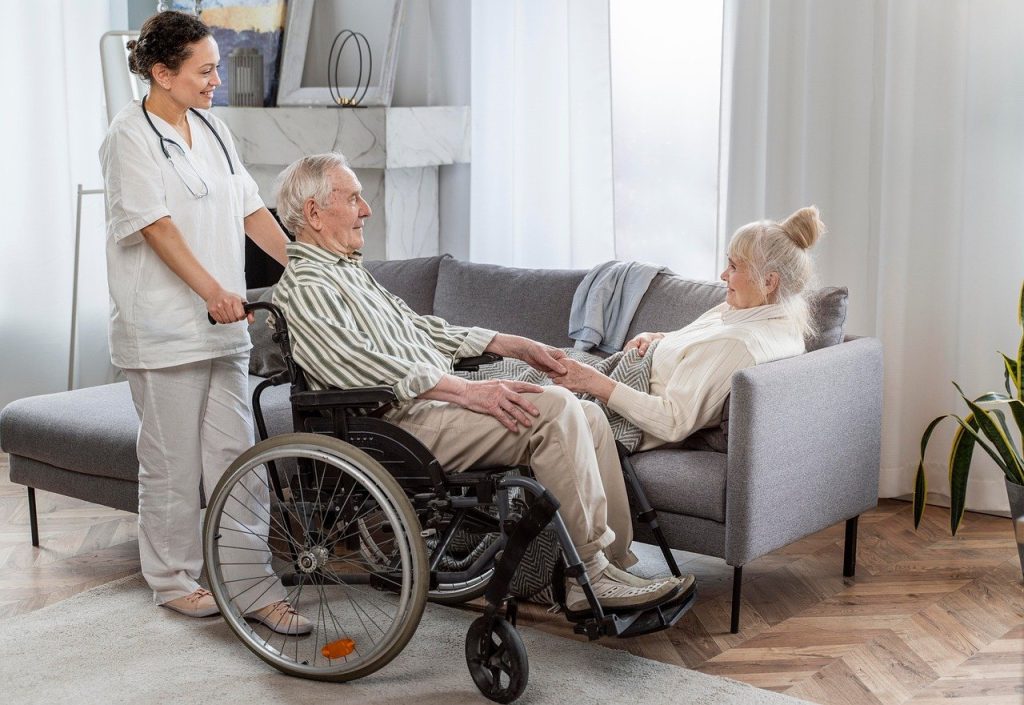
Maintaining mobility is one of the most important parts of healthy aging. As seniors grow older, natural changes in muscle strength, joint flexibility, balance, and endurance can make everyday movements more difficult. Tasks that once felt simple—walking across the room, climbing stairs, standing from a chair, or getting into bed—may gradually require more effort. In-home mobility exercises help seniors maintain physical independence, improve stability, reduce fall risks, and support overall wellness without requiring travel to a gym or rehabilitation center.
One of the most common questions families and caregivers ask is how often seniors should perform mobility exercises at home. The answer depends on several factors, including the senior’s health condition, fitness level, mobility limitations, recovery needs, and personal goals. Some older adults benefit from daily movement routines, while others may need gentler schedules with rest days between sessions. The key is finding a balanced routine that supports improvement without causing fatigue or injury.
Consistency matters more than intensity for most seniors. Short, regular sessions often provide better long-term benefits than occasional strenuous exercise. Mobility routines can include stretching, balance training, walking, seated exercises, resistance movements, and range-of-motion activities designed specifically for older adults. When exercises are performed regularly and safely, seniors often experience better confidence, stronger muscles, improved circulation, and greater ease during daily activities.
In-home mobility exercises also offer emotional and mental health benefits. Staying physically active can reduce feelings of isolation, improve mood, increase energy levels, and help seniors maintain a sense of independence. Families who understand how often exercises should be performed can create healthier routines that support both physical and emotional well-being.
This article explains how frequently seniors should perform in-home mobility exercises, what factors influence exercise schedules, and how families can help create safe, sustainable routines that support long-term mobility and quality of life.
Key Takeaways
- Most seniors benefit from mobility exercises several times per week, with some activities performed daily.
- Exercise frequency depends on health conditions, strength levels, recovery status, and mobility goals.
- Short, consistent sessions are often more effective than occasional intense workouts.
- Balance, flexibility, strength, and endurance exercises may require different schedules.
- Rest and recovery are important for preventing soreness and overexertion.
- Seniors recovering from surgery or illness may need customized exercise timelines.
- Caregiver support and professional guidance can improve consistency and safety.
- Regular movement can help reduce fall risks and support long-term independence.
Why Regular Mobility Exercises Matter For Seniors
Mobility exercises play a major role in helping seniors maintain physical function as they age. Without regular movement, muscles can weaken, joints may stiffen, and balance can decline over time. Reduced mobility often affects a senior’s ability to perform daily tasks independently, increasing the need for assistance and raising the risk of falls or injuries.
In-home mobility exercises help keep the body active in a controlled and comfortable environment. Unlike high-intensity workouts, mobility exercises focus on practical movement skills that support everyday living. These routines can improve walking ability, flexibility, posture, coordination, and stability while reducing discomfort caused by inactivity.
Regular exercise also improves circulation and joint lubrication, helping seniors move more comfortably throughout the day. Even gentle stretching and seated movements can prevent stiffness that develops from prolonged sitting or inactivity. Seniors who remain physically active often experience improved endurance, making it easier to complete household tasks, participate in social activities, and maintain personal independence.
Another important benefit is fall prevention. Falls are one of the leading causes of injury among older adults, and poor balance combined with muscle weakness greatly increases fall risk. Exercises that strengthen the legs and core while improving balance can significantly reduce instability.
Mobility exercises also support mental and emotional health. Physical movement stimulates circulation and can improve mood, reduce anxiety, and increase energy levels. Seniors who maintain active routines often feel more confident in their ability to move safely around their homes and communities.
Consistency is essential because the body responds gradually to movement and strengthening exercises. Sporadic activity may not provide lasting benefits, while regular sessions help seniors build and maintain physical abilities over time.
How Often Should Seniors Perform Mobility Exercises?
The ideal frequency for mobility exercises depends on the type of exercise and the senior’s individual needs. In general, most older adults benefit from some form of movement every day, even if sessions are brief and low intensity.
Daily Mobility And Flexibility Exercises
Gentle flexibility and range-of-motion exercises can usually be performed daily. These exercises help reduce stiffness and improve joint movement without placing excessive strain on the body.
Examples Of Daily Mobility Activities
Daily exercises may include:
- Shoulder rolls
- Neck stretches
- Ankle rotations
- Gentle seated leg lifts
- Wrist and arm stretches
- Standing calf stretches
- Slow walking indoors or outdoors
These activities help seniors stay mobile throughout the day while maintaining circulation and reducing stiffness caused by prolonged sitting.
Daily mobility routines are especially beneficial in the morning when joints may feel stiff after sleeping. Even 10 to 20 minutes of movement can improve comfort and prepare seniors for daily activities.
Benefits Of Daily Movement
Performing gentle exercises every day helps create consistency and prevents long periods of inactivity. Daily movement may help:
- Improve flexibility
- Reduce muscle tightness
- Support joint health
- Improve circulation
- Increase energy levels
- Maintain coordination
Because these exercises are typically low impact, they can often be performed safely without excessive fatigue.
How Often Should Strength And Balance Exercises Be Done?
While flexibility exercises can often be done daily, strength and balance training usually require more recovery time between sessions.
Strength Exercises For Seniors
Most seniors benefit from strength-focused mobility exercises two to three times per week. These exercises help maintain muscle mass and improve physical stability.
Common Strength Exercises
Strength-based mobility activities may include:
- Sit-to-stand chair exercises
- Wall push-ups
- Resistance band exercises
- Step-ups
- Seated marching
- Heel raises
- Leg strengthening movements
These exercises target muscles used during walking, standing, and transferring between positions.
Why Rest Days Matter
Muscles need time to recover after strengthening exercises. Performing strength routines every single day without adequate rest may lead to soreness or fatigue, especially for seniors with limited endurance.
Rest days allow the body to repair and strengthen muscles gradually. Seniors who experience pain or excessive fatigue should reduce exercise intensity and consult a healthcare professional if symptoms continue.
Balance Exercises And Fall Prevention
Balance exercises are often recommended at least two to three times weekly, although some gentle balance activities can be practiced daily under supervision.
Examples Of Balance Exercises
Balance-focused movements may include:
- Standing on one foot
- Heel-to-toe walking
- Side leg raises
- Weight-shifting exercises
- Gentle tai chi movements
These exercises improve coordination and body awareness, helping seniors feel more stable while walking or changing positions.
Because balance exercises can increase fall risks if done improperly, seniors should use support surfaces or supervision when necessary.
Factors That Affect Exercise Frequency
Not all seniors should follow the same exercise schedule. Several factors influence how often mobility exercises should be performed.
Current Health Conditions
Medical conditions can affect how much physical activity a senior can safely tolerate. Arthritis, heart disease, respiratory issues, osteoporosis, and neurological conditions may require modified exercise routines.
For example, seniors with severe arthritis may need shorter sessions with gentler movements to avoid joint pain. Those recovering from surgery may require structured rehabilitation schedules approved by medical professionals.
Healthcare providers can help determine appropriate exercise frequency based on medical history and physical limitations.
Energy And Endurance Levels
Some seniors have high energy levels and can tolerate longer sessions, while others fatigue quickly. Exercise routines should match the senior’s endurance capacity to prevent overexertion.
Starting slowly is often the safest approach. New seniors to exercise may begin with short sessions several times weekly before gradually increasing duration and frequency.
Monitoring fatigue levels is important. Excessive tiredness, dizziness, or soreness may indicate the need for adjustments.
Recovery From Illness Or Surgery
Seniors recovering from surgery, hospitalization, or illness often require specialized mobility schedules.
Gradual Progression Is Important
Recovery-based exercise programs typically begin with light movement and gradually increase as strength improves. Overexertion too early during recovery can delay healing or increase injury risks.
Physical therapists commonly recommend shorter, more frequent sessions during rehabilitation to encourage safe progress.
Professional Supervision May Be Necessary
Some seniors recovering from major surgeries or strokes may need supervised therapy before transitioning to independent home exercises. Professional guidance ensures exercises are performed correctly and safely.
Creating A Sustainable Exercise Routine At Home
The best mobility routine is one that seniors can maintain consistently over time. Creating realistic schedules helps improve long-term success.
Start With Manageable Goals
Seniors do not need to begin with lengthy exercise programs. Small, achievable goals often build confidence and reduce discouragement.
For example, a senior may start with:
- 10 minutes of stretching daily
- Walking three times weekly
- Two weekly strength sessions
Gradually increasing activity levels can help prevent burnout and improve motivation.
Build Exercise Into Daily Activities
Mobility exercises become easier to maintain when incorporated into everyday routines.
Simple Ways To Add More Movement
Seniors can practice mobility exercises while:
- Watching television
- Waiting for meals
- Talking on the phone
- Getting dressed
- Preparing for bedtime
Simple habits such as standing up regularly or taking short walks around the house can support mobility without feeling overwhelming.
Consistency Over Perfection
Missing a day occasionally is normal. The goal is long-term consistency rather than rigid perfection. Encouraging sustainable habits often leads to better results than demanding intense routines.
Warning Signs Seniors May Be Exercising Too Much
Although exercise is beneficial, too much activity can create problems for older adults.
Signs Of Overexertion
Families and caregivers should monitor for symptoms such as:
- Persistent soreness
- Extreme fatigue
- Dizziness
- Shortness of breath
- Joint swelling
- Increased pain
- Trouble sleeping after exercise
These signs may indicate that exercise routines need adjustment.
The Importance Of Recovery
Rest allows muscles and joints to recover properly. Seniors should listen to their bodies and avoid pushing through severe discomfort.
Hydration, proper nutrition, and adequate sleep also support recovery and improve exercise tolerance.
The Role Of Caregivers And Family Members
Families and caregivers often play an important role in helping seniors stay consistent with mobility exercises.
Encouragement And Motivation
Some seniors may feel discouraged or fearful about exercise, especially after falls or health setbacks. Gentle encouragement and emotional support can increase participation.
Caregivers can help by:
- Setting reminders
- Participating in exercises together
- Creating positive routines
- Celebrating progress
- Providing supervision when needed
Positive reinforcement often improves confidence and long-term commitment.
Monitoring Safety
Caregivers can also help identify safety concerns during exercise sessions. Watching for signs of fatigue, improper form, or instability helps reduce injury risks.
Keeping exercise spaces clutter-free and ensuring proper footwear can further improve safety.
When Seniors Should Consult A Professional
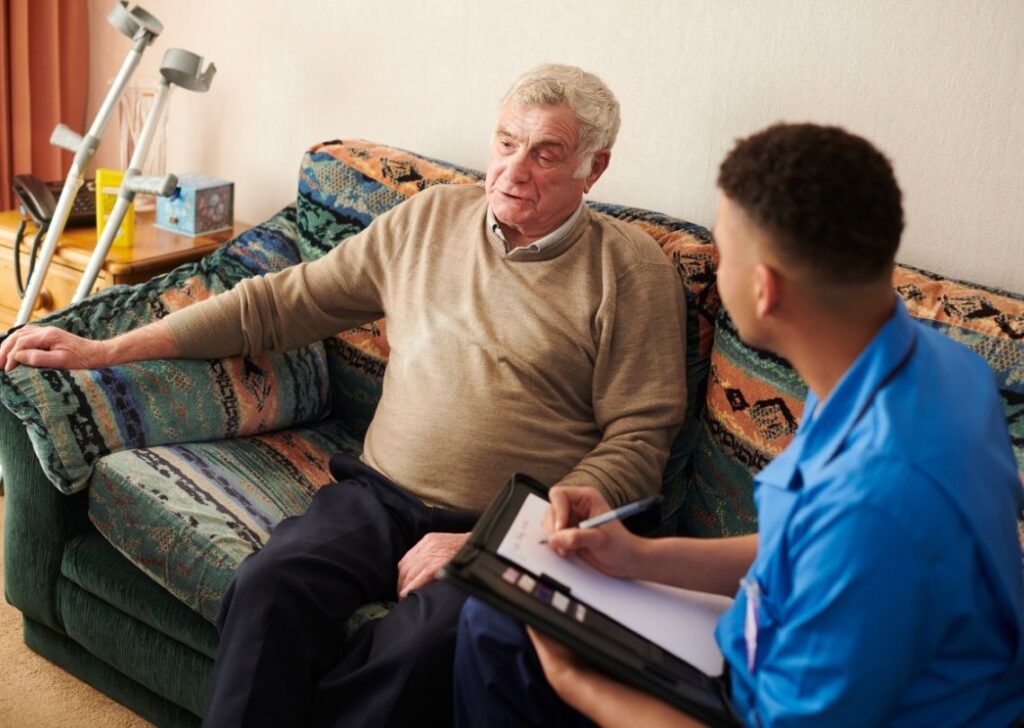
Although many seniors can safely participate in basic mobility exercises at home, there are situations where professional guidance becomes especially important. Working with a trained healthcare provider can help reduce injury risks, improve exercise effectiveness, and ensure that mobility routines match the senior’s physical condition and medical needs. Professional supervision is often beneficial for older adults with complex health concerns, recent injuries, or significant movement limitations.
Physical Therapists And Mobility Specialists
Physical therapists and mobility specialists are trained to evaluate strength, balance, flexibility, coordination, posture, and walking ability. These professionals create individualized exercise programs designed to improve movement safely while addressing specific challenges that may affect mobility. Rather than using generalized routines, they tailor exercises to the senior’s health condition, endurance level, and long-term goals.
Professional support can be particularly valuable for seniors who have recently experienced falls or struggle with severe balance problems. Falls often create fear and hesitation during movement, which may lead seniors to avoid physical activity altogether. A mobility specialist can introduce safe exercises that gradually rebuild confidence while reducing future fall risks.
Seniors Recovering From Surgery Or Illness
Older adults recovering from surgeries, hospital stays, strokes, or serious illnesses frequently require structured rehabilitation plans. During recovery, the body may be weaker, less stable, or more prone to fatigue. Professionals can guide seniors through gradual progressions that encourage healing without placing excessive stress on muscles or joints.
Specialized care may also be necessary for seniors living with neurological conditions such as Parkinson’s disease, multiple sclerosis, or the aftereffects of a stroke. These conditions often affect coordination, muscle control, and walking patterns, making personalized exercise programs essential for safety and progress.
Managing Chronic Pain And Assistive Devices
Seniors dealing with chronic pain, arthritis, or joint problems may benefit from expert instruction on how to move comfortably while protecting sensitive areas of the body. Professionals can recommend modifications that reduce discomfort while still encouraging activity.
Additionally, seniors who use walkers, canes, or other assistive devices often need guidance on proper usage during mobility exercises. Incorrect use of mobility aids may increase instability rather than improve it.
Routine Reassessments Support Long-Term Progress
Mobility needs often change with age, recovery progress, or evolving health conditions. Regular reassessments help ensure exercise programs remain safe, effective, and aligned with the senior’s current abilities. Professionals can adjust routines as strength improves or limitations develop, helping seniors continue moving safely and confidently over time.
Conclusion
In-home mobility exercises are an essential part of helping seniors maintain independence, strength, balance, and overall health. While there is no single exercise schedule that works for every older adult, most seniors benefit from regular movement throughout the week. Gentle stretching and mobility exercises can often be performed daily, while strength and balance training are usually most effective when done two to three times weekly with appropriate rest periods.
The ideal exercise frequency depends on factors such as health conditions, recovery status, endurance levels, and personal mobility goals. Consistency is often more important than intensity. Short, manageable sessions performed regularly can provide lasting improvements in flexibility, coordination, confidence, and physical function.
Families and caregivers can support seniors by encouraging safe routines, monitoring for signs of overexertion, and helping create realistic schedules that fit daily life. Professional guidance may also be valuable for seniors with complex medical conditions or recovery needs.
With the right balance of activity and rest, in-home mobility exercises can help seniors remain active, confident, and independent while improving their quality of life for years to come.
FAQ
1. How Many Days A Week Should Seniors Do Mobility Exercises?
Most seniors benefit from mobility exercises several days per week. Gentle flexibility exercises may be done daily, while strength and balance exercises are commonly recommended two to three times weekly.
2. Can Seniors Exercise Every Day?
Yes, many seniors can safely perform light mobility and stretching exercises every day. However, more intense strength exercises may require rest days between sessions.
3. How Long Should Mobility Exercise Sessions Last?
Sessions may range from 10 to 30 minutes depending on the senior’s health, endurance, and goals. Shorter sessions performed consistently are often very effective.
4. What Is The Best Time Of Day For Seniors To Exercise?
The best time varies by individual preference. Some seniors prefer morning movement to reduce stiffness, while others feel more energetic later in the day.
5. Should Seniors Stop Exercising If They Feel Sore?
Mild soreness can be normal when starting new exercises, but severe pain or prolonged discomfort should not be ignored. Seniors should reduce intensity and consult a healthcare provider if symptoms continue.
6. Are Walking Exercises Enough For Senior Mobility?
Walking is highly beneficial, but combining walking with flexibility, strength, and balance exercises often provides more complete mobility support.
7. Can Mobility Exercises Help Prevent Falls?
Yes. Exercises that improve balance, coordination, and leg strength can significantly reduce fall risks in older adults.
8. When Should A Senior Work With A Physical Therapist?
Seniors recovering from surgery, experiencing repeated falls, dealing with chronic pain, or facing major mobility limitations may benefit from professional guidance from a physical therapist or mobility specialist.
How Companion Visits And Social Support Help Seniors Stay Connected At Home
Staying socially connected is an important part of healthy aging. Many older adults spend long stretches of time alone, especially when family members live far away or busy schedules make regular visits difficult. Over time, limited social interaction can lead to loneliness, reduced motivation, and a decline in emotional well-being. Seniors often benefit from consistent companionship that brings conversation, activity, and a sense of connection back into everyday life.
Companion Visits and Social Support from Serenity Family Homecare help seniors stay engaged, supported, and connected while remaining in the comfort of their own homes. Our caregivers provide friendly conversation, shared activities, light assistance with daily routines, and meaningful social interaction tailored to each person’s interests. Whether it’s enjoying a walk, playing games, sharing a meal, or simply spending time talking, these visits create moments of connection that brighten the day.
With regular companion visits in place, seniors maintain stronger emotional well-being and feel less isolated. Families gain peace of mind knowing their loved one has consistent social interaction and caring support. Contact Serenity Family Homecare today to schedule an assessment and learn how Companion Visits and Social Support can help your loved one stay connected and supported at home.
Disclaimer
The information on this website is for general education only and should not be treated as medical, legal, or professional advice. Every family and health situation is different, so you should speak with a qualified healthcare provider or appropriate professional before making care decisions. Do not make changes to a care plan or rely on this content as a substitute for professional guidance. The information on this site may not reflect the most current medical standards or practices. Serenity Family Homecare is not responsible for any actions taken or not taken based on the material on this website.