As people age, natural changes in muscle strength, joint flexibility, vision, and balance increase the risk of falling. According to global health studies, one in three adults over 65 experiences at least one fall each year, and many of these incidents lead to serious injury or loss of independence.
While medical interventions and assistive devices play a role in prevention, movement itself is one of the most powerful tools for reducing fall risk. In-home mobility exercises provide seniors with the opportunity to safely build strength and stability in a familiar environment.
Unlike structured gym or clinic settings, in-home exercise routines are more sustainable. They are easier to integrate into daily life and can be customized based on individual ability levels. Even small improvements in leg strength, posture, or reaction time can dramatically reduce the likelihood of falling.
This article explains exactly how and why these exercises work—and how they can transform daily safety for seniors.
Key Takeaways
- In-home mobility exercises improve balance, strength, and coordination, all of which reduce fall risk.
- Regular movement helps maintain joint flexibility and prevents stiffness that contributes to instability.
- Exercises also improve brain-body connection, helping seniors react faster to slips or trips.
- Home-based routines are easier to maintain consistently than clinical programs.
- Even low-intensity exercises, when done regularly, significantly reduce fall incidents.
- Caregiver support increases safety and adherence to exercise routines.
- A combination of strength, balance, and functional training provides the best protection against falls.
Why Falls Happen In Seniors (And How Mobility Plays A Role)
Falls rarely happen because of a single cause. Instead, they are usually the result of multiple physical and environmental factors combining at once. Understanding these causes is essential to seeing how mobility exercises help.
Muscle Weakness And Age-Related Decline
As people age, they naturally lose muscle mass—a process known as sarcopenia. This affects the legs, hips, and core muscles most, which are essential for standing, walking, and stabilizing the body. Weak muscles make it harder to recover from a loss of balance, increasing the likelihood of falling.
Joint Stiffness And Limited Mobility
Stiff joints reduce range of motion. Seniors may have difficulty lifting their feet, turning quickly, or adjusting posture when needed. This lack of flexibility makes trips and slips more dangerous because the body cannot react efficiently.
Slower Reflexes And Reaction Time
With age, reaction times naturally slow down. If a senior begins to lose balance, their ability to correct themselves decreases. Mobility exercises help retrain reaction speed and improve neuromuscular response.
Environmental And Lifestyle Factors
Cluttered floors, poor lighting, slippery surfaces, and improper footwear can all increase fall risks. However, even in perfect environments, physical weakness remains a major risk factor—which is why mobility training is so important.
How In-Home Mobility Exercises Reduce Fall Risks
In-home mobility exercises work by addressing the root physical causes of falls. They don’t just improve fitness—they retrain the body to move safely and efficiently in daily life.
Strengthening Key Muscle Groups
Strong muscles act as the body’s natural support system. Exercises targeting the lower body and core improve stability and reduce strain during movement.
Leg Strength And Stability
Exercises such as seated leg lifts, chair stands, and gentle squats strengthen quadriceps, hamstrings, and calves. These muscles are essential for standing up, walking, and climbing stairs.
Core Stability
A strong core helps maintain upright posture and prevents leaning or swaying, which often leads to imbalance. Even simple seated abdominal contractions can improve stability over time.
Improving Balance And Body Awareness
Balance training helps seniors maintain control over their body position, especially during movement or sudden changes in direction.
Static Balance Training
Standing exercises while holding onto a stable surface help seniors build confidence and control. Over time, support can be gradually reduced.
Dynamic Balance Training
Activities like heel-to-toe walking or controlled weight shifting help simulate real-life movement scenarios, such as walking through narrow spaces or turning corners.
Enhancing Flexibility And Joint Mobility
Flexibility is essential for safe movement. Without it, seniors may compensate with awkward posture, increasing fall risk.
Gentle Stretching Routines
Daily stretching of the hips, ankles, shoulders, and spine helps maintain range of motion.
Joint Mobility Exercises
Controlled circular movements of the ankles, wrists, and shoulders help lubricate joints and reduce stiffness.
Training Reflexes And Coordination
Mobility exercises improve the connection between the brain and muscles, allowing quicker responses to instability.
Reaction-Based Movements
Simple exercises like stepping in different directions or responding to visual cues help improve reflex speed.
Coordination Drills
Movements that combine upper and lower body actions—such as lifting arms while stepping—help the brain coordinate complex tasks.
The Importance Of Doing Exercises At Home
Home-based mobility exercises provide seniors with practical advantages that go beyond what is typically possible in clinical or gym environments. While professional supervision is valuable, the home setting creates a more natural, comfortable, and sustainable space for building daily movement habits that directly support fall prevention and long-term independence.
Familiar Environment Builds Confidence
One of the most important benefits of exercising at home is the psychological comfort it provides. Seniors often feel more at ease in familiar surroundings, which helps reduce anxiety related to movement or fear of falling. This sense of security encourages more relaxed and natural movement patterns. Over time, repeated practice in a trusted environment helps rebuild confidence in standing, walking, and transitioning between positions—skills that are essential for safe daily living. Confidence is not just emotional; it directly influences physical stability and reduces hesitation that can sometimes lead to imbalance.
Real-Life Practice Conditions
Unlike controlled clinical spaces, the home environment reflects the actual conditions seniors navigate every day. This includes uneven flooring, narrow hallways, furniture placement, stairs, and household obstacles. Practicing mobility in this setting allows individuals to develop practical strategies for moving safely in real-world situations. For example, learning how to turn safely in a tight space or step around furniture improves functional awareness and adaptability. This type of training is highly relevant because it prepares the body for the exact environments where most falls tend to occur.
Easier Consistency And Routine Building
One of the strongest predictors of success in mobility training is consistency rather than intensity. Home-based exercise routines remove many barriers such as transportation, scheduling conflicts, or clinic availability. This makes it easier for seniors to engage in short, manageable sessions on a daily basis. Even 10–15 minutes of regular movement can lead to noticeable improvements in strength, flexibility, and balance over time. When exercise becomes part of a daily routine—such as after breakfast or before dinner—it becomes easier to maintain long-term adherence, which is essential for sustained fall prevention.
Family And Caregiver Support
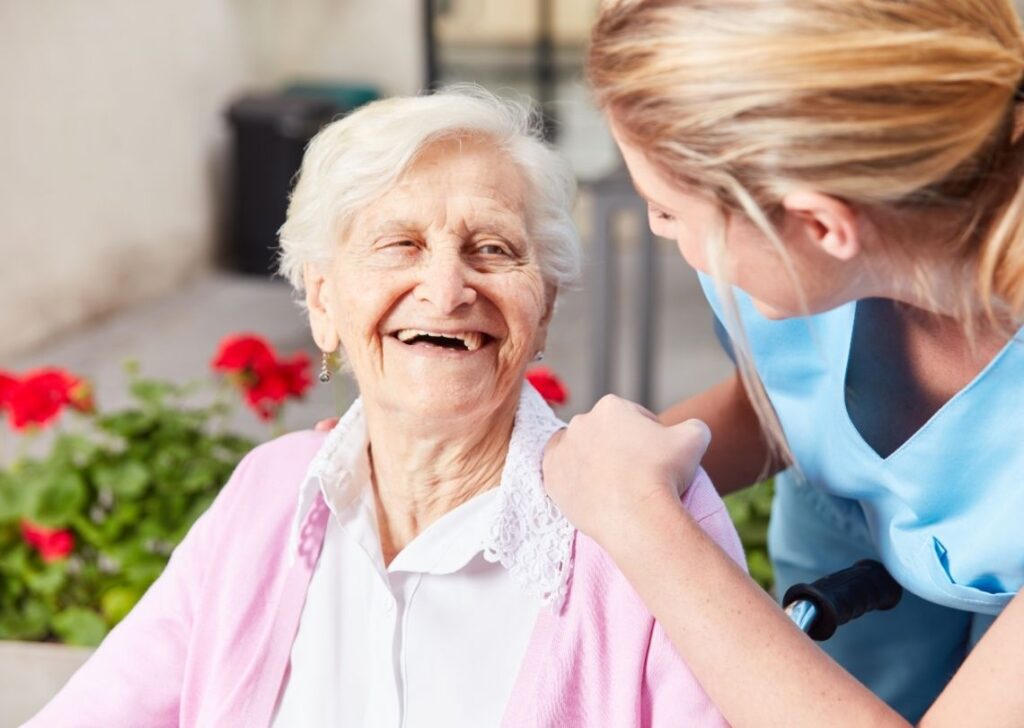
Support from family members or caregivers plays a crucial role in making home exercises safer and more effective. They can assist with supervision, help set up a safe environment, and provide physical support when needed. Just as importantly, they offer encouragement that helps maintain motivation, especially on days when seniors feel less confident or energetic. This shared participation not only reduces the risk of injury but also strengthens emotional well-being by creating a sense of partnership and reassurance during the exercise process.
Role Of Caregivers In Mobility Training
Caregivers are a vital part of successful in-home mobility programs for seniors, not only by offering assistance but also by creating a safer and more structured environment for daily movement practice. Their involvement can significantly reduce the risk of injury while improving adherence to exercise routines. When properly engaged, caregivers help bridge the gap between independence and safety, allowing seniors to remain active with greater confidence.
Providing Physical Support
One of the most direct contributions caregivers make is offering hands-on assistance during exercises. This may include helping a senior maintain balance while standing, guiding movements during transitions such as sitting to standing, or offering light stabilization during balance-focused activities. This type of support is especially important for individuals who are still building strength or recovering from periods of inactivity. By providing steady reassurance and physical backup, caregivers help reduce fear of falling, which can otherwise limit participation and progress.
Monitoring Safety In The Environment
A safe space is essential for effective mobility training, and caregivers play a key role in maintaining it. They are responsible for identifying and addressing potential hazards within the home that could interfere with movement practice. This includes removing tripping risks such as loose mats, securing electrical cords, improving lighting in dim areas, and ensuring walkways remain clear. These preventive actions create a controlled environment where seniors can focus on movement without unnecessary risk, which is crucial for building confidence and stability over time.
Encouraging Consistency And Engagement
Staying consistent with exercise routines can be challenging for seniors, especially when motivation fluctuates. Caregivers provide structure by helping establish regular exercise times and gently reminding seniors to complete their routines. Their encouragement can make a significant difference in maintaining long-term commitment. Positive reinforcement, patience, and companionship during exercise sessions also help transform mobility training from a task into a shared daily habit, which increases adherence and enjoyment.
Recognizing Physical Limits And Adjusting Routines
An important responsibility of caregivers is observing how seniors respond to exercise. Signs such as fatigue, shortness of breath, dizziness, or discomfort should never be ignored. Caregivers must be attentive and ready to modify or pause activities when needed. Adjusting intensity, shortening sessions, or switching to gentler movements ensures that exercise remains safe and appropriate for the individual’s condition. This careful monitoring helps prevent overexertion while still allowing steady progress toward improved mobility and fall prevention.

Building A Safe And Effective Routine
Creating a structured mobility routine at home does not require complicated planning or advanced equipment. In fact, the most effective programs for seniors are usually simple, predictable, and easy to maintain over time. The goal is to support steady physical improvement while minimizing strain, confusion, or risk of injury. A well-balanced routine focuses on gradual progression and long-term consistency rather than intensity or speed.
Focus On Consistency
Regular practice is far more beneficial than irregular or intense workouts. Performing simple exercises every day helps reinforce movement patterns and builds muscle memory, which is essential for preventing falls. Consistency also helps maintain joint flexibility and reduces stiffness that can develop from inactivity. By incorporating movement into a predictable daily schedule—such as morning or evening routines—seniors are more likely to stick with the program and experience long-term benefits.
Combine Exercise Types
A well-rounded mobility routine should include a mix of physical elements. Strength-based movements support muscle stability, balance exercises improve control during standing and walking, and flexibility work enhances range of motion. When combined, these components create a more complete system of support for everyday activities. This variety ensures that multiple areas of physical function are addressed, reducing the likelihood of weakness or imbalance in any single area.
Track Progress
Monitoring improvement can be a powerful motivator and helps reinforce continued participation. Progress may not always be dramatic, but small changes are meaningful. These can include improved posture, fewer instances of stumbling, increased ease when standing from a chair, or greater confidence while walking around the home. Keeping track of these subtle improvements helps seniors recognize the value of their efforts and encourages long-term commitment to maintaining mobility and independence.
Conclusion
In-home mobility exercises are one of the most effective and practical ways to reduce fall risks among seniors. By improving strength, balance, flexibility, and reaction time, these exercises address the core physical causes of instability.
More importantly, they empower seniors to stay active and independent in a safe, familiar environment. When combined with caregiver support and consistent practice, even simple daily movements can lead to significant improvements in safety and quality of life.
Falls are not an inevitable part of aging. With the right mobility habits, they can often be prevented.
Frequently Asked Questions
1. How Often Should Seniors Do Mobility Exercises At Home?
Most seniors benefit from doing light mobility exercises daily for 10–30 minutes, depending on their ability level.
2. Are In-Home Mobility Exercises Safe For Seniors With Health Conditions?
Yes, but they should be adapted to individual needs and, when necessary, guided by a healthcare professional.
3. What Is The Most Important Exercise For Fall Prevention?
Balance exercises are often the most critical, but combining strength, flexibility, and coordination offers the best protection.
4. Can Mobility Exercises Really Prevent Falls?
Yes. Studies show that regular movement training significantly reduces fall risk by improving strength and balance.
5. Do Seniors Need Equipment For These Exercises?
Most in-home exercises require little to no equipment—often just a sturdy chair or wall for support.
6. When Should A Senior Stop Exercising?
They should stop if they feel dizziness, chest pain, or unusual discomfort and consult a healthcare provider if symptoms persist.
How Companion Visits And Social Support Help Seniors Stay Connected At Home
Staying socially connected is an important part of healthy aging. Many older adults spend long stretches of time alone, especially when family members live far away or busy schedules make regular visits difficult. Over time, limited social interaction can lead to loneliness, reduced motivation, and a decline in emotional well-being. Seniors often benefit from consistent companionship that brings conversation, activity, and a sense of connection back into everyday life.
Companion Visits and Social Support from Serenity Family Homecare help seniors stay engaged, supported, and connected while remaining in the comfort of their own homes. Our caregivers provide friendly conversation, shared activities, light assistance with daily routines, and meaningful social interaction tailored to each person’s interests. Whether it’s enjoying a walk, playing games, sharing a meal, or simply spending time talking, these visits create moments of connection that brighten the day.
With regular companion visits in place, seniors maintain stronger emotional well-being and feel less isolated. Families gain peace of mind knowing their loved one has consistent social interaction and caring support. Contact Serenity Family Homecare today to schedule an assessment and learn how Companion Visits and Social Support can help your loved one stay connected and supported at home.
Disclaimer
The information on this website is for general education only and should not be treated as medical, legal, or professional advice. Every family and health situation is different, so you should speak with a qualified healthcare provider or appropriate professional before making care decisions. Do not make changes to a care plan or rely on this content as a substitute for professional guidance. The information on this site may not reflect the most current medical standards or practices. Serenity Family Homecare is not responsible for any actions taken or not taken based on the material on this website.