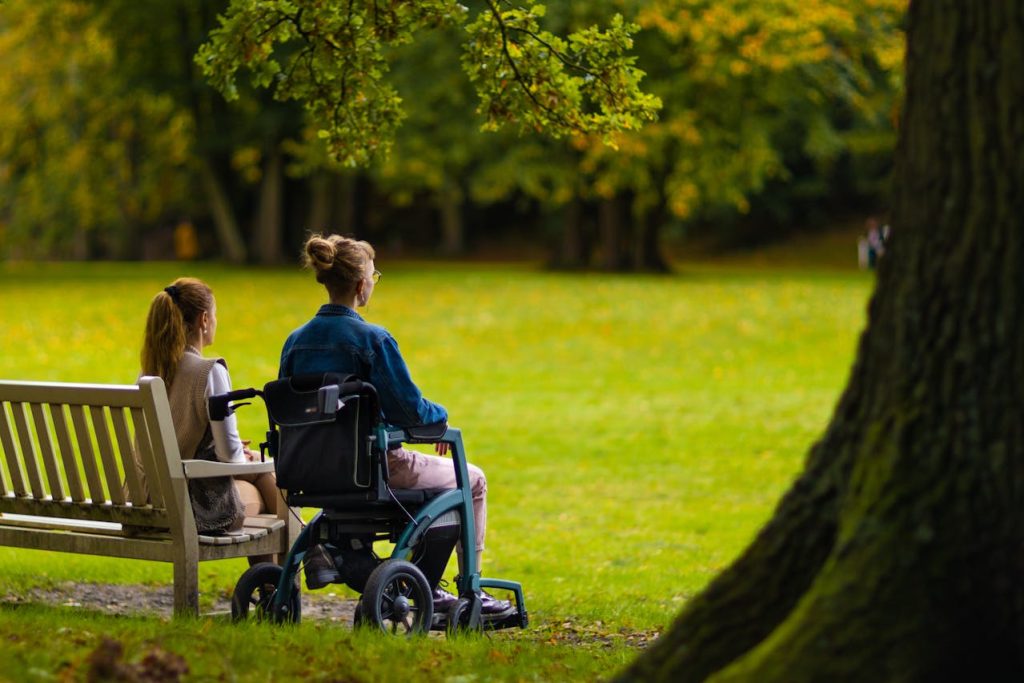
Growing older often brings changes that affect the way you move through your day. Tasks that once felt effortless, such as getting out of bed, preparing breakfast, walking to the mailbox, or climbing stairs, may require more planning and support. While these changes are common, they do not have to prevent you from living independently or enjoying your daily routine.
Mobility support at home helps you continue doing the activities that matter most while reducing the risk of falls and injuries. Whether you need occasional assistance with walking, help moving safely around your home, or encouragement to stay active, personalized mobility support can make everyday life easier and more enjoyable.
At the same time, many older adults benefit from companionship visits that provide meaningful conversation, social interaction, and emotional encouragement. Feeling connected to another person can improve your outlook, increase motivation, and help you stay engaged in daily activities. When mobility support and companionship work together, they can strengthen both physical safety and emotional well-being.
If you’re caring for an aging parent or considering support for yourself, understanding how these services fit into everyday life can help you make informed decisions. The right care plan allows you to maintain independence while building confidence in your ability to continue living safely at home.
This guide explains how mobility support at home improves confidence, strengthens daily routines, and supports healthy aging in place. You’ll also learn how companionship visits contribute to emotional health, what services are typically included, how often visits may be helpful, and what to look for when choosing a trusted provider in Contra Costa County.
Key Takeaways
- Mobility support helps you move around your home more safely and confidently.
- Personalized assistance can reduce fall risks while encouraging independence.
- Companionship visits provide emotional support, conversation, and social engagement.
- Regular visits can reduce loneliness and improve overall well-being.
- Consistent daily routines promote physical, emotional, and mental health.
- Care plans can be adjusted as your needs change over time.
- Choosing an experienced provider helps ensure dependable, compassionate care in Contra Costa County.
Why Confidence Matters for Healthy Aging
Confidence is one of the most important parts of maintaining independence. When you feel secure in your ability to move safely, you’re more likely to stay active, participate in hobbies, and continue managing everyday responsibilities.
Unfortunately, many older adults lose confidence after experiencing a fall or even a near fall. That loss of confidence can gradually lead to reduced activity, isolation, and declining health.
Mobility support helps break that cycle.
How Safe Movement Encourages Independence
Many people assume mobility support means giving up independence. In reality, it often has the opposite effect.
Professional caregivers assist only where needed, allowing you to continue doing as much as possible on your own. Instead of taking over daily tasks, they encourage safe participation while providing guidance when necessary.
This approach helps you:
- Walk safely throughout your home
- Transfer between bed and chair with greater confidence
- Navigate uneven flooring or stairs
- Complete household activities with less anxiety
- Continue enjoying favorite hobbies
Each successful activity builds confidence and reinforces your ability to remain independent.
Reducing the Fear of Falling
Fear of falling can become just as limiting as an actual injury.
After a fall—or even hearing about someone else’s experience—you may begin avoiding activities you once enjoyed. Walking outside, cooking meals, shopping, or visiting friends may suddenly feel overwhelming.
Avoiding movement often creates new problems, including:
- Muscle weakness
- Reduced balance
- Joint stiffness
- Poor circulation
- Loss of confidence
Mobility support helps you regain trust in your abilities. Caregivers can remain nearby during activities, assist with transfers, and encourage safe movement techniques based on your needs and abilities. While mobility support cannot eliminate every fall, it can help reduce fall risk by promoting safer movement, identifying potential hazards, and providing assistance during everyday activities. Knowing someone is there if you need help often makes everyday activities feel more manageable and less intimidating.
Building Confidence One Day at a Time
Confidence rarely returns overnight.
Instead, it develops through consistent success with everyday routines.
Simple accomplishments like preparing breakfast, walking to the living room, watering plants, or enjoying time on the patio become meaningful milestones. Over time, these successes reinforce your belief that you can continue living safely at home.
This gradual improvement benefits not only physical health but also emotional well-being. Feeling capable often leads to greater motivation, better mood, and increased willingness to stay active.
Creating a Daily Routine That Supports Independence
A predictable daily routine provides structure and stability. It also makes it easier to manage physical health, emotional wellness, and household responsibilities.
Mobility support helps maintain routines without making them feel restrictive.
Morning Activities Become Easier
The first few hours of the day are often the most physically challenging.
Getting out of bed, dressing, bathing, and preparing breakfast may require extra effort.
Mobility support allows these activities to happen more safely through assistance with:
- Standing and sitting
- Walking between rooms
- Bathroom safety
- Dressing assistance
- Light meal preparation
- Medication reminders
Starting the day successfully creates positive momentum that often carries through the afternoon and evening.
Staying Active Throughout the Day
Remaining active doesn’t necessarily mean exercising intensely.
For many older adults, regular movement throughout the day provides meaningful health benefits.
Mobility support encourages activities such as:
- Walking indoors or outdoors
- Stretching exercises
- Gardening
- Light housekeeping
- Preparing meals
- Visiting neighbors
- Shopping for groceries
- Attending community programs
Companionship visits can make these activities even more enjoyable. Having someone to talk with while taking a walk or preparing lunch often increases motivation to stay engaged.
Regular activity supports:
- Better balance
- Stronger muscles
- Improved flexibility
- Healthier circulation
- Increased energy
- Better sleep
These benefits contribute to greater independence over time.
Ending the Day with Confidence
Evening routines are just as important as mornings.
Fatigue may increase later in the day, making everyday activities feel more difficult.
Mobility support can help with:
- Preparing dinner
- Light household cleanup
- Changing into comfortable clothing
- Evening hygiene routines
- Safe transfers into bed
Companionship during the evening also provides emotional comfort. A friendly conversation before bedtime can reduce feelings of loneliness and create a more relaxing end to the day.
Consistent routines often improve sleep quality, making it easier to wake up feeling rested and ready for another productive day.
How Companionship Visits Strengthen Emotional Well-Being
Physical health is only one part of living well as you age. Emotional and social well-being are just as important for maintaining confidence, independence, and a positive outlook. While mobility support helps you move safely around your home, companionship visits help ensure you remain connected, engaged, and emotionally supported.
Many older adults spend more time alone because family members work full-time, friends relocate, or transportation becomes more difficult. Even if your basic needs are met, long periods without meaningful social interaction can affect your mood and motivation.
Consistent companionship visits provide meaningful conversation, encouragement, and emotional support that can make each day feel more fulfilling.
Staying Motivated to Move Every Day
Mobility support is most effective when it becomes part of your daily routine rather than something you rely on only after a fall or injury. Many older adults feel hesitant to stay active if they worry about losing their balance or becoming tired too quickly. Having a caregiver or companion nearby provides reassurance that allows you to move with greater confidence.
Simple activities such as walking through your home, watering plants, checking the mail, or spending time on the patio become easier when you know someone is available if you need assistance. These everyday movements help maintain strength, flexibility, and balance while reducing the tendency to avoid physical activity because of fear.
Companionship also adds motivation. Instead of exercising or walking alone, you have someone who can encourage you, celebrate your progress, and make daily movement feel enjoyable rather than like a chore. Over time, consistent activity supports healthier aging and helps you remain engaged in the routines that matter most.
Encouraging Participation in Daily Activities
Some older adults gradually lose interest in activities they once enjoyed. Reading, gardening, baking, puzzles, or short neighborhood walks may seem less appealing when done alone.
A companion can make these activities enjoyable again by participating alongside you. Instead of completing tasks for you, they encourage you to stay involved while offering assistance when needed.
Together, you might:
- Prepare favorite recipes
- Tend to flowers or houseplants
- Complete crossword puzzles
- Listen to music
- Organize family photographs
- Work on crafts
- Watch favorite television programs
- Take short walks around the neighborhood
These shared experiences promote emotional wellness while helping maintain physical activity.
Supporting Mental and Emotional Health
Positive social interaction supports healthy aging in many ways.
Engaging conversations stimulate the mind and encourage memory recall. Talking about family traditions, past careers, hobbies, or vacations keeps your mind active while strengthening personal connections.
Companionship also provides reassurance during life changes such as retirement, losing a spouse, recovering from illness, or adjusting to reduced mobility.
Although companionship is not a substitute for professional counseling or medical care, regular social engagement often contributes to improved emotional well-being and a greater sense of security.

What Services Are Included in Companionship Visits?
Many families assume companionship simply means sitting and talking. While conversation is certainly important, companionship services often include a variety of non-medical activities that help support everyday living.
Each care plan is personalized based on your needs, interests, and goals.
Everyday Conversation and Social Engagement
The foundation of companionship care is meaningful human connection.
Visits often include:
- Friendly conversation
- Sharing meals
- Playing games
- Reading books or newspapers
- Watching favorite television shows
- Listening to music
- Celebrating birthdays or holidays
- Looking through family photo albums
These activities provide emotional comfort while keeping your mind engaged.
Light Assistance with Daily Living
Companionship caregivers may also provide limited non-medical support that helps your household run more smoothly.
Depending on your care plan, services may include:
- Preparing simple meals
- Light housekeeping
- Laundry assistance
- Organizing living spaces
- Grocery shopping
- Running errands
- Watering plants
- Pet care assistance
These tasks help reduce stress while allowing you to conserve energy for activities you enjoy most.
Mobility Encouragement During Visits
Although companionship caregivers are not physical therapists, they often encourage safe movement throughout the day.
This may include helping you:
- Walk safely inside your home
- Move between rooms
- Practice simple mobility activities or provider-approved exercises
- Enjoy time outdoors
- Accompany you to appointments
- Visit parks or community events
- Attend social gatherings
Combining companionship with mobility support helps reinforce healthy routines while reducing long periods of inactivity.
When Should You Arrange Companionship Visits?
Every person has different needs. Some older adults benefit from weekly visits, while others prefer daily assistance.
The right schedule depends on your health, activity level, family support, and personal preferences.
Recognizing the Signs That Additional Support May Help
Families often wait until a crisis occurs before seeking assistance. However, early support can prevent many challenges from becoming larger problems.
Consider companionship visits if you notice that you or your loved one:
- Spends most days alone
- Frequently expresses feelings of loneliness
- Stops participating in favorite hobbies
- Misses appointments
- Eats fewer balanced meals
- Shows reduced motivation
- Appears withdrawn from family activities
- Hesitates to leave the house because of mobility concerns
Addressing these signs early often leads to better long-term outcomes.
Choosing the Right Visit Schedule
There is no single schedule that works for everyone.
Some common arrangements include:
- One or two visits each week for social interaction
- Several afternoons each week for errands and activities
- Daily visits for routine support
- Morning assistance with mobility and breakfast
- Evening visits that help establish relaxing bedtime routines
Many families begin with a modest schedule and increase visits as needs change.
Flexible care plans make it easier to adjust services without disrupting daily life.
Working Together With Family Caregivers
Family members often provide tremendous support, but balancing caregiving with work, parenting, and personal responsibilities can become overwhelming.
Companionship services complement—not replace—family involvement.
Professional caregivers can provide support during times when family members are unavailable, allowing everyone to focus on enjoying quality time together instead of managing every daily task.
This partnership helps reduce caregiver stress while ensuring consistent support for your loved one.
Choosing a Trustworthy Mobility Support and Companionship Provider in Contra Costa County
Selecting the right provider is one of the most important decisions you can make for yourself or a loved one. Quality care goes beyond helping with daily tasks. It involves building trust, promoting independence, and providing compassionate support that adapts as needs change.
A dependable provider will take the time to understand your goals, respect your preferences, and create a care plan that fits your lifestyle rather than expecting you to adjust to a standard routine.
Look for Personalized Care Plans
Every Individual Has Unique Needs
No two older adults have the same mobility level, health concerns, or daily routine. A trustworthy provider begins with a thorough assessment to understand your abilities, preferences, and long-term goals.
For example, one person may only need assistance with morning routines and walking safely around the house. Another may benefit from companionship visits several afternoons each week, along with help running errands or attending appointments.
Personalized care ensures you receive the right amount of support without sacrificing your independence.
Care Should Grow With Your Needs
Your needs may change over time due to recovery from surgery, changes in mobility, or new health conditions.
An experienced provider should review your care plan periodically and adjust services as your mobility, health, and personal goals change. Regular communication with you and your family helps ensure the care continues to meet your needs. This flexibility helps you continue living safely at home while receiving appropriate support every step of the way.
Rather than waiting until challenges become overwhelming, proactive adjustments help maintain consistency and confidence.
Communication Builds Stronger Care
Open communication between caregivers, clients, and family members creates better outcomes.
A reliable provider keeps everyone informed about changes in routines, mobility concerns, and progress toward care goals. Families appreciate knowing their loved one is receiving dependable support, while older adults benefit from having their preferences respected and their voices heard.
Clear communication also helps identify small concerns before they become larger issues.
Ask Questions Before Choosing a Provider
Learn About Caregiver Training
Professional caregivers are typically trained in safe mobility assistance, fall prevention, infection control, and emergency procedures.
When speaking with a provider, consider asking:
- How are caregivers trained?
- How are caregivers matched with clients?
- What ongoing education do caregivers receive?
- How does the agency supervise quality of care?
- What happens if a regular caregiver is unavailable?
These questions help you understand how the organization maintains consistent, high-quality service.
Understand Available Services
Some agencies focus only on personal care, while others provide a wider range of non-medical services.
Ask whether they offer:
- Mobility assistance
- Companionship visits
- Transportation to appointments
- Meal preparation
- Light housekeeping
- Medication reminders
- Grocery shopping and errands
- Flexible scheduling
- Weekend or holiday care
Choosing a provider with comprehensive services makes it easier to adjust your care plan as your needs evolve.
Consider Local Experience
Working with a provider that serves Contra Costa County can offer practical advantages. Local caregivers are often familiar with nearby medical offices, senior centers, community programs, parks, libraries, and transportation options.
This local knowledge helps make outings, appointments, and social activities more convenient while encouraging continued involvement in the community.
The Long-Term Benefits of Mobility Support and Companionship
Maintaining independence is not simply about staying in your home. It’s about continuing to enjoy the routines, relationships, and activities that give your life meaning.
Mobility support and companionship work together to help make that possible.
Greater Confidence Leads to Greater Independence
Small Successes Create Lasting Progress
Confidence grows through repeated positive experiences.
Each time you safely walk to the kitchen, prepare a meal, attend an appointment, or enjoy a walk outside, you reinforce your belief that you can continue managing daily life successfully.
Professional support encourages you while allowing you to remain as independent as possible.
Over weeks and months, these small accomplishments build into meaningful long-term progress.
Consistency Supports Healthy Habits
Healthy aging often depends on consistent routines rather than dramatic changes.
Research has shown that regular physical activity and ongoing social engagement are associated with better physical function, improved emotional well-being, and a higher quality of life for many older adults. Establishing consistent routines with appropriate support can make it easier to maintain these healthy habits over time.
Regular mobility support encourages safe movement throughout the day, while companionship visits help maintain social interaction and emotional wellness.
Together, they support healthy habits such as:
- Eating balanced meals
- Staying physically active
- Following medication schedules
- Maintaining personal hygiene
- Participating in enjoyable activities
- Keeping regular sleep routines
These everyday habits contribute to improved quality of life.
Supporting Families With Peace of Mind
Family members naturally want the best for their loved ones, but they cannot always be present every day.
Knowing a trusted caregiver is providing regular assistance offers reassurance and reduces stress for everyone involved.
Instead of worrying about whether your loved one is safe or feeling isolated, families can focus on spending meaningful time together during visits.
Professional support strengthens the entire caregiving team rather than replacing the important role family members play.
Conclusion
Mobility support at home is about far more than helping you move safely from one room to another. It gives you the confidence to continue participating in everyday life, maintain familiar routines, and preserve your independence.
When combined with companionship visits, mobility support also addresses the emotional and social aspects of healthy aging. Regular conversation, shared activities, and dependable encouragement help reduce loneliness while creating meaningful opportunities for connection.
Whether you need occasional assistance after an illness or ongoing support as your needs change, personalized home care can help you continue living comfortably in the place you know best.
For families in Contra Costa County, choosing a compassionate and experienced provider means investing in more than safety. It means supporting confidence, dignity, emotional well-being, greater independence, and a higher quality of life while helping older adults continue aging in place with confidence.
Frequently Asked Questions
1. What is mobility support at home?
Mobility support at home includes non-medical assistance that helps older adults move safely throughout their homes. Services may include help with walking, transferring between chairs and beds, navigating stairs, preventing falls, and encouraging safe daily activity.
2. How do companionship visits help older adults?
Companionship visits provide social interaction, conversation, shared activities, and emotional support. Regular visits can help reduce loneliness, encourage participation in hobbies, and promote overall well-being while aging in place.
3. How often should companionship visits be scheduled?
The ideal schedule depends on your individual needs. Some people benefit from weekly visits, while others may prefer several visits each week or daily support. A personalized care assessment can help determine the most appropriate schedule.
4. Can mobility support help prevent falls?
Yes. While no service can eliminate every risk, mobility support helps reduce the likelihood of falls by assisting with safe movement, encouraging proper walking techniques, identifying potential hazards, and supporting strength and balance through regular activity.
5. What activities are included during companionship visits?
Activities vary based on your interests and care plan. They may include conversation, playing games, reading, preparing meals together, taking walks, running errands, attending appointments, listening to music, or participating in hobbies and community activities.
6. How do I choose a trustworthy companionship care provider in Contra Costa County?
Look for a provider that offers individualized care plans, thoroughly trained caregivers, clear communication, flexible scheduling, and experience serving older adults in Contra Costa County. Reading reviews, asking about caregiver training, and discussing available services can also help you make an informed decision.
7. Can mobility support and companionship services be combined?
Yes. Many home care providers offer both services as part of a personalized care plan. Combining mobility assistance with companionship helps address physical safety, emotional well-being, and social engagement, creating a more comprehensive approach to healthy aging at home.
Restore Comfort, Confidence, And Dignity With Help With Bathing And Grooming At Home
Personal care routines are about more than staying clean. They help seniors feel confident, comfortable, and ready to enjoy each day. As mobility, balance, or health challenges make bathing and grooming more difficult, these everyday tasks can become stressful or even unsafe. Having compassionate assistance allows seniors to maintain their independence while receiving the support they need in the privacy of their own home.
Help With Bathing and Grooming at Home from Serenity Family Homecare provides respectful, personalized care tailored to each client’s needs and preferences. Our caregivers assist with bathing, hair care, shaving, oral hygiene, dressing, and other personal care routines while encouraging independence whenever possible. Every visit is centered on safety, dignity, and making daily routines easier and more comfortable.
With trusted personal care support, seniors can enjoy better hygiene, greater confidence, and a reduced risk of slips and falls. Families gain peace of mind knowing their loved one is receiving compassionate, professional care from experienced caregivers. Contact Serenity Family Homecare today to schedule an assessment and learn how our Help With Bathing and Grooming at Home services can help your loved one live safely, comfortably, and confidently at home.
Disclaimer
The information on this website is for general education only and should not be treated as medical, legal, or professional advice. Every family and health situation is different, so you should speak with a qualified healthcare provider or appropriate professional before making care decisions. Do not make changes to a care plan or rely on this content as a substitute for professional guidance. The information on this site may not reflect the most current medical standards or practices. Serenity Family Homecare is not responsible for any actions taken or not taken based on the material on this website.