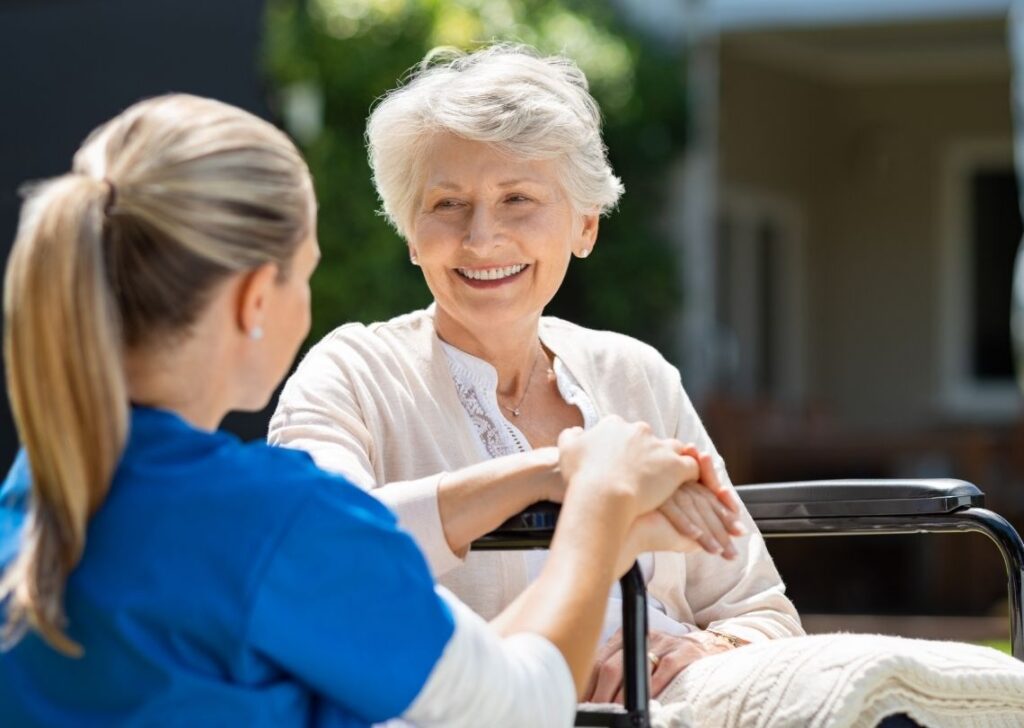
When someone you love begins to need help moving safely around the house, choosing the right caregiver becomes one of the most important decisions your family will make. Mobility challenges can affect nearly every part of daily life, from getting out of bed in the morning to walking to the kitchen for a meal or stepping outside to enjoy fresh air. The right caregiver does more than provide physical assistance—they help preserve confidence, encourage independence, and create a safer environment where your loved one can continue living comfortably at home.
Many families focus first on practical skills, such as helping with transfers or preventing falls. While these abilities are essential, they are only part of the picture. A caregiver should also offer encouragement, companionship, patience, and emotional support. Older adults who feel connected to others often experience greater confidence, reduced isolation, and improved overall well-being. Mobility support is most effective when physical assistance is combined with meaningful human interaction.
If you’re searching for mobility support at home in Contra Costa County, understanding what qualities to look for can help you choose a provider that truly meets your family’s needs. By asking the right questions and knowing what services should be included, you can feel more confident in selecting compassionate, dependable care that supports healthy aging in place.
Key Takeaways
- The best caregivers combine mobility assistance with compassion, patience, and strong communication skills.
- Safe mobility support includes fall prevention, transfer assistance, walking support, and help navigating the home.
- Emotional encouragement and companionship play an important role in helping older adults remain confident and socially engaged.
- Care plans should be personalized to fit changing mobility needs and health conditions.
- Families should look for licensed, insured, and well-trained care providers with clear communication practices.
- Regular caregiver visits can improve safety, independence, and overall quality of life.
- Choosing a trusted local provider helps ensure consistent, reliable care throughout Contra Costa County.
Why Choosing the Right Caregiver Matters
Supporting Safety Without Reducing Independence
One of the biggest concerns families have is preventing falls while allowing their loved one to remain as independent as possible. A skilled caregiver understands that every person has different abilities. Rather than doing everything for an older adult, they provide the level of assistance needed while encouraging safe movement whenever possible.
For example, a caregiver may walk beside someone using a walker instead of pushing them in a wheelchair unnecessarily. They may assist with standing while allowing the individual to complete the movement independently whenever it is safe.
This balanced approach helps maintain muscle strength, confidence, and dignity.
Providing Emotional Encouragement Every Day
Mobility challenges often affect emotional health just as much as physical health. Many older adults become hesitant to move after experiencing a fall or developing balance problems. They may avoid activities they once enjoyed because they worry about getting hurt.
A compassionate caregiver understands these concerns. Instead of rushing or becoming impatient, they offer reassurance, encouragement, and positive reinforcement. Simple words of support can help someone gradually regain confidence in their daily routine.
Feeling emotionally supported often motivates seniors to remain active rather than withdrawing from everyday life.
Building Trust Through Consistency
Trust develops over time. When caregivers arrive consistently, follow routines, and communicate openly, older adults often become more comfortable accepting assistance.
Consistency also helps caregivers recognize subtle changes in mobility. They may notice increased fatigue, slower walking, or balance changes before these become major safety concerns. Early observations allow families to address issues before they lead to injuries or hospital visits.
Understanding the Difference Between Mobility Support and General Assistance
Many families assume that mobility support simply means helping someone walk from one room to another. In reality, quality mobility support is much broader. It focuses on helping older adults move safely throughout their home while reducing injury risks and preserving as much independence as possible.
Unlike general household assistance, mobility support requires caregivers to understand how physical limitations affect everyday activities. Even routine tasks such as getting out of bed, climbing a single step, reaching into a cabinet, or standing up from the dining table can become challenging for someone with arthritis, Parkinson’s disease, balance disorders, recovering injuries, or age-related muscle weakness.
A trained caregiver recognizes these challenges and adjusts their assistance accordingly. Rather than taking over every task, they provide the appropriate amount of support while encouraging older adults to continue using their own strength and mobility whenever it is safe to do so. This approach helps maintain physical function over time and supports healthy aging in place.
Mobility Needs Change Over Time
Mobility is rarely static. Someone who only needs occasional assistance today may require more regular support in the future because of illness, surgery, or natural aging.
For this reason, experienced caregivers continually observe how well a client moves throughout the day. They pay attention to changes in endurance, posture, walking speed, balance, and overall confidence. Even small differences can indicate that additional support or medical follow-up may be beneficial.
Families also benefit from periodic reassessments. Reviewing mobility needs helps ensure that care remains appropriate and continues to support both safety and independence.
Independence Looks Different for Everyone
Remaining independent does not necessarily mean completing every task without assistance. For many older adults, independence means having the freedom to make choices while receiving help only when it is truly needed.
For example, someone may still prepare breakfast independently but need assistance carrying dishes safely to the table. Another person may enjoy taking short walks outdoors but benefit from having a caregiver nearby for added stability.
Recognizing these individual goals allows caregivers to provide personalized support that respects both safety and dignity.
Essential Skills Every Mobility Caregiver Should Have
Safe Transfer and Mobility Techniques
One of the most important qualifications involves understanding safe movement techniques.
A caregiver should know how to assist with:
- Standing from chairs
- Getting into and out of bed
- Entering and exiting vehicles
- Walking with mobility aids
- Using wheelchairs safely
- Navigating stairs when appropriate
Proper body mechanics protect both the older adult and the caregiver from injury.
Knowledge of Mobility Equipment
Many seniors use assistive devices that require proper handling.
Caregivers should be comfortable working with equipment such as:
- Walkers
- Canes
- Rollators
- Transfer belts
- Wheelchairs
- Lift chairs
- Bed rails
- Shower chairs
They should know how each device supports safe movement and when adjustments may be necessary.
Observation and Problem-Solving Skills
Excellent caregivers pay close attention to changes in physical ability.
They notice when someone:
- Walks more slowly
- Appears weaker
- Experiences dizziness
- Shows signs of pain
- Becomes less steady
Reporting these observations promptly allows families and healthcare providers to respond before conditions worsen.
Communication Is Just as Important as Physical Assistance
Mobility support works best when caregivers communicate clearly with both older adults and their families. Physical assistance alone is not enough if concerns, observations, or changing needs are not shared promptly.
Keeping Families Informed
Family members cannot always observe day-to-day changes in mobility, especially if they live in another city or have demanding work schedules. A dependable caregiver provides updates about noticeable changes, including increasing fatigue, reduced balance, new discomfort, or concerns about home safety.
These observations help families make informed decisions and determine whether additional medical evaluation or changes in the care plan may be needed.
Respectful Communication Builds Confidence
Older adults deserve to be active participants in decisions about their own care. Caregivers should explain what they are doing before offering assistance rather than assuming help is always wanted.
Simple habits such as asking permission before assisting with transfers, speaking respectfully, and allowing extra time for movement help preserve dignity and encourage cooperation.
Working With Healthcare Professionals
Many seniors receive care from physicians, physical therapists, occupational therapists, or other healthcare providers. While caregivers do not replace these professionals, they often reinforce recommended daily routines by encouraging safe movement and following care instructions provided by the healthcare team.
This coordinated approach helps ensure that everyone is working toward the same mobility goals.
The Importance of Compassion and Companionship
Reducing Loneliness During Daily Visits
Mobility support often includes meaningful conversation throughout the visit. Older adults who spend much of the day alone may look forward to seeing a familiar caregiver.
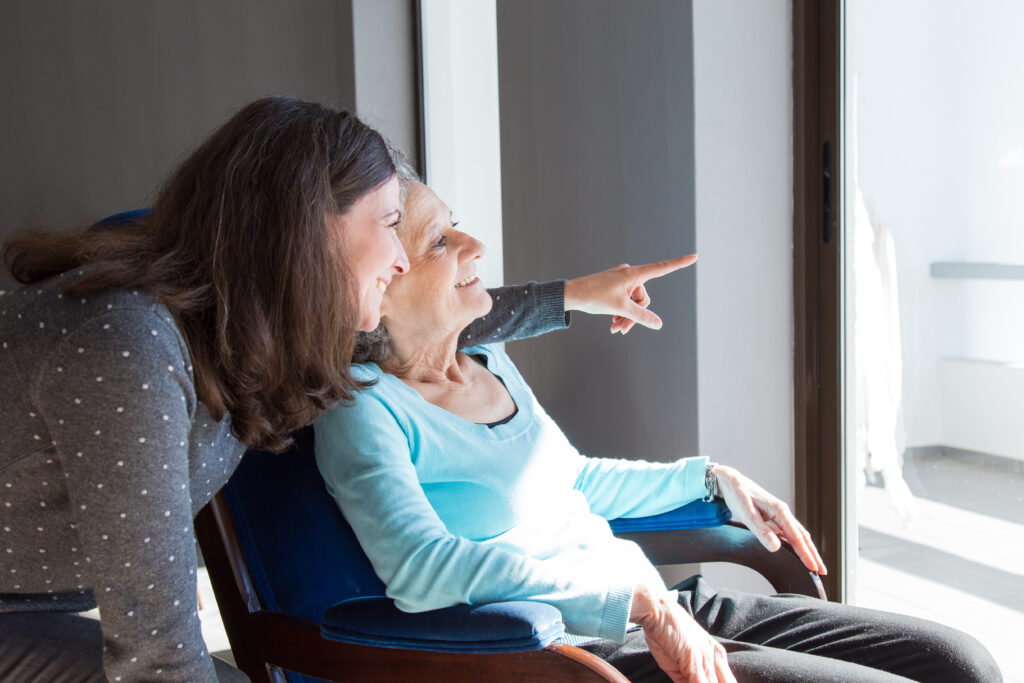
Simple conversations while preparing meals, walking around the home, or completing exercises can brighten someone’s day and reduce feelings of isolation.
Social interaction remains an important part of healthy aging.
Encouraging Social Participation
A caregiver can help someone continue participating in activities they enjoy.
This may include:
- Visiting a local park
- Attending community events
- Going to medical appointments
- Visiting family members
- Enjoying hobbies together
- Taking neighborhood walks
Remaining socially engaged supports both emotional and cognitive health.
Supporting Emotional Well-Being
Mobility limitations can sometimes lead to frustration, anxiety, or sadness.
An understanding caregiver listens without judgment and offers encouragement during difficult moments. Feeling respected and heard often improves overall quality of life.
Families frequently notice that emotional support becomes just as valuable as physical assistance.
What Services Should Mobility Support Include?
Assistance With Daily Movement
Mobility caregivers commonly help with:
- Getting out of bed
- Walking safely inside the home
- Sitting and standing
- Bathroom transfers
- Meal-time mobility
- Moving between rooms
The goal is always to make everyday activities safer while preserving independence.
Fall Prevention Around the Home
A caregiver should actively look for fall hazards.
This may involve:
- Removing clutter
- Identifying loose rugs
- Improving lighting
- Keeping pathways clear
- Encouraging proper footwear
- Reminding clients to use mobility devices
Preventing falls is often easier than recovering from one.
Encouragement to Stay Active
Remaining active helps preserve mobility.
Depending on physician recommendations, caregivers may encourage:
- Short walks
- Gentle stretching
- Chair exercises
- Balance activities
- Daily movement routines
Regular activity supports strength, circulation, and flexibility.
Questions to Ask Before Hiring a Caregiver
Choosing a caregiver is an important decision, and asking thoughtful questions during the selection process can help you feel more confident about your choice. Beyond verifying experience and training, it’s helpful to understand how caregivers approach daily care and communication.
How Are Caregivers Selected and Supervised?
Ask whether caregivers complete background checks, reference checks, and ongoing training. You can also ask how supervisors monitor care quality and how concerns are addressed if they arise.
Knowing that caregivers receive continued support and oversight can provide additional peace of mind.
How Will Emergencies Be Handled?
Although no one wants to think about emergencies, it’s important to understand the provider’s procedures. Ask how caregivers respond if a client falls, becomes ill, or experiences sudden changes in mobility.
A clear emergency plan helps ensure that caregivers respond appropriately while keeping family members informed.
Can Care Plans Be Adjusted?
Mobility needs often change gradually. Ask whether visit schedules, care activities, or levels of assistance can be modified as your loved one’s condition changes.
Flexible care plans allow families to receive the right amount of support without unnecessary disruption.
Choosing a Trustworthy Home Care Provider
Look for Proper Training and Experience
Ask prospective providers about caregiver qualifications.
Questions may include:
- How are caregivers trained?
- Do they receive continuing education?
- Are background checks completed?
- How are caregivers matched with clients?
- Are supervisors available if concerns arise?
Experienced providers invest in ongoing education to maintain high standards of care.
Evaluate Communication Practices
Families should receive regular updates about their loved one’s condition.
A reliable provider communicates:
- Schedule changes
- Mobility improvements
- New concerns
- Missed appointments
- Safety recommendations
Open communication helps everyone work together toward common goals.
Ask About Personalized Care Plans
No two seniors have identical mobility needs.
A quality provider develops individualized care plans based on:
- Medical conditions
- Physical abilities
- Home layout
- Personal preferences
- Daily routines
- Family goals
Care plans should evolve as needs change.
When Should Families Arrange Mobility Support?
Early Signs That Help Is Needed
Many families wait until after a serious fall before arranging assistance.
Earlier support may be beneficial if your loved one:
- Holds onto furniture while walking
- Avoids stairs
- Moves more slowly
- Has difficulty standing
- Experiences balance problems
- Shows fear of falling
Early intervention often prevents more serious complications.
Determining Visit Frequency
The right schedule depends on individual needs.
Some families benefit from:
- Weekly visits
- Several visits each week
- Daily assistance
- Morning and evening visits
- Around-the-clock care
A care assessment can help determine the most appropriate schedule.
Reviewing Care as Needs Change
Mobility needs rarely remain the same forever.
Regular reviews help determine whether:
- Additional support is needed
- Visit frequency should increase
- New equipment would improve safety
- Care goals should be updated
Flexible care helps older adults remain safe while adapting to changing circumstances.
Signs You Have Found the Right Caregiver
Finding a caregiver who meets technical qualifications is important, but successful long-term care often depends on how well the caregiver and older adult work together. Positive relationships are built on trust, consistency, and mutual respect.
Your Loved One Feels Comfortable
One of the clearest signs of a good caregiver relationship is that your loved one feels relaxed during visits. They may look forward to seeing their caregiver, willingly accept assistance, and become more confident completing daily activities.
Comfort develops gradually, but it is often a strong indicator that the caregiver has established trust.
Daily Routines Become Easier
Over time, you should notice that everyday routines become smoother and less stressful for both your loved one and your family. Morning routines, meal preparation, bathing, and moving around the home may become less stressful because assistance is provided consistently and respectfully.
Families often notice fewer rushed situations and greater confidence throughout the day.
Families Experience Greater Peace of Mind
Perhaps the greatest benefit is knowing someone dependable is helping care for your loved one. Regular communication, consistent scheduling, and attentive care allow families to focus more on spending meaningful time together instead of worrying about everyday safety concerns.
Choosing a caregiver who combines professional skills with compassion can make a lasting difference in helping older adults continue living safely and comfortably at home.
Conclusion
Finding the right caregiver for mobility support at home involves much more than checking qualifications on paper. You want someone who combines technical skills with patience, compassion, reliability, and genuine respect for older adults. The right caregiver helps your loved one move safely, remain socially connected, and continue enjoying life at home with greater confidence.
As you evaluate providers in Contra Costa County, focus on those who create personalized care plans, communicate openly with families, encourage independence, and provide meaningful companionship alongside mobility assistance. These qualities help build trusting relationships that support healthy aging in place while giving families greater peace of mind.
Choosing carefully today can make a lasting difference in your loved one’s safety, comfort, and quality of life for years to come.
Frequently Asked Questions
1. What qualifications should a mobility caregiver have?
A mobility caregiver should receive training in safe transfer techniques, fall prevention, mobility equipment use, emergency response, and effective communication with older adults.
2. How does companionship improve mobility support?
Companionship encourages seniors to stay active, participate in conversations, engage in hobbies, and maintain social connections, all of which contribute to emotional well-being and confidence.
3. Can mobility caregivers help prevent falls?
Yes. Caregivers identify hazards, assist with safe movement, encourage proper use of mobility devices, and support routines that reduce fall risks.
4. How often should mobility support visits be scheduled?
Visit frequency depends on your loved one’s health, mobility level, daily routine, and family support system. Some people benefit from weekly visits, while others require daily assistance.
5. What activities are included during a mobility support visit?
Visits may include walking assistance, transfers, fall prevention, light mobility exercises, companionship, transportation support, meal-related mobility, and safety monitoring.
6. How can families know if a caregiver is trustworthy?
Look for providers that perform background checks, offer caregiver training, maintain clear communication, develop personalized care plans, and have supervisory support available.
7. Why is early mobility support important?
Starting support before mobility challenges become severe helps reduce fall risks, maintain independence, preserve confidence, and improve overall quality of life as your loved one ages at home.
Restore Comfort, Confidence, And Dignity With Help With Bathing And Grooming At Home
Personal care routines are about more than staying clean. They help seniors feel confident, comfortable, and ready to enjoy each day. As mobility, balance, or health challenges make bathing and grooming more difficult, these everyday tasks can become stressful or even unsafe. Having compassionate assistance allows seniors to maintain their independence while receiving the support they need in the privacy of their own home.
Help With Bathing and Grooming at Home from Serenity Family Homecare provides respectful, personalized care tailored to each client’s needs and preferences. Our caregivers assist with bathing, hair care, shaving, oral hygiene, dressing, and other personal care routines while encouraging independence whenever possible. Every visit is centered on safety, dignity, and making daily routines easier and more comfortable.
With trusted personal care support, seniors can enjoy better hygiene, greater confidence, and a reduced risk of slips and falls. Families gain peace of mind knowing their loved one is receiving compassionate, professional care from experienced caregivers. Contact Serenity Family Homecare today to schedule an assessment and learn how our Help With Bathing and Grooming at Home services can help your loved one live safely, comfortably, and confidently at home.
Disclaimer
The information on this website is for general education only and should not be treated as medical, legal, or professional advice. Every family and health situation is different, so you should speak with a qualified healthcare provider or appropriate professional before making care decisions. Do not make changes to a care plan or rely on this content as a substitute for professional guidance. The information on this site may not reflect the most current medical standards or practices. Serenity Family Homecare is not responsible for any actions taken or not taken based on the material on this website.