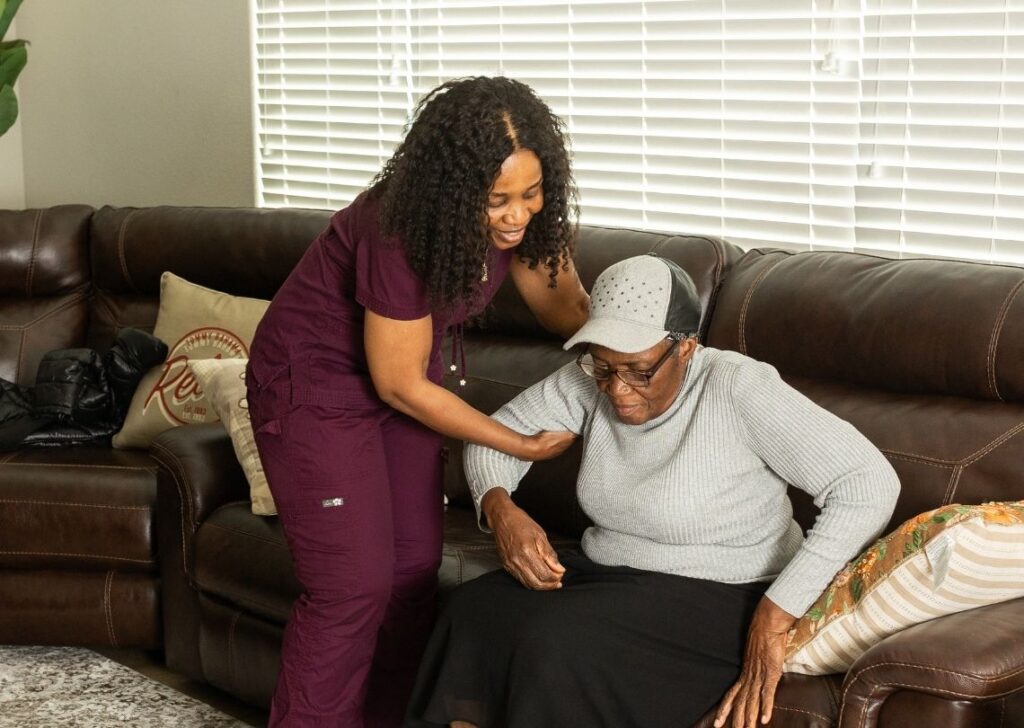
An in-home caregiver for daily living help is a trained professional who supports personal care, meal prep, medication reminders, and light housekeeping for people who need daily assistance. These caregivers often have experience in elder care, chronic illness support, or post-surgery recovery and work on scheduled shifts or hourly visits. Families can expect practical assessments, care plans with clear tasks, and basic tracking of progress and incidents. Costs vary by region and task set, and many caregivers work through agencies or as private hires. Choosing a caregiver involves checking references, conducting basic background checks, and discussing routines and mobility needs to match skills and availability with the person’s daily life.
Key Takeaways
- Be on the lookout for early shifts in physical, cognitive, or emotional functioning, as these typically foreshadow the requirement for daily living support and prompt a timely dialogue with family and care professionals.
- In-home caregivers assist with personal care, household support, mobility aid, health management, and companionship to help seniors stay safe and independent at home while alleviating caregiver stress.
- Work out defined responsibilities, communication, and routine check-ins between family, caregivers, and client during home care to keep the quality of care consistent and address issues promptly.
- Build a personalized care plan by conducting a thorough initial assessment, setting measurable goals, adapting routines as needs change, and involving family and healthcare providers in reviews.
- Above all, maintain dignity by giving options, honoring privacy, and fostering independence with adaptive devices and tasks aligned with the senior’s skills.
- Research and compare agencies and caregivers on credentials, costs, services, and their overall fit. Conduct your own background checks and verify specialized training before hiring to secure safe and competent care.
Recognizing The Subtle Signs
Early detection of the need for home care services, particularly in-home daily living assistance, comes down to pattern recognition and record-keeping. Here’s a numbered rundown of early physical, cognitive, and emotional shifts to watch for, with subheadings that unpack physical changes, cognitive shifts, and emotional well-being.
- Physical decline: Look for unsteady gait, weight loss, poor hygiene, frequent falls, unexplained bruises, trouble with dressing, bathing, or toileting, and difficulty managing chronic illnesses such as diabetes or heart disease at home. Even one tumble counts. Record what and where falls occur to determine if mobility devices, home modifications, or caregiver visits are appropriate.
- Cognitive decline includes memory slips that increase in frequency, confusion with familiar tasks such as paying bills and cooking, trouble following routines, poor judgment, and growing trouble making decisions. Pay attention to skipped payments, unopened mail, or food going stale or repeating questions. These are early flags for Alzheimer’s or related diseases and should trigger a systematic evaluation and potential referral to a specialist.
- Medication and task management: Repeated missed doses, caregivers taking over medication routines, or inconsistent adherence to treatment plans indicate the need for a more formalized system such as pill organizers, automated dispensers, or scheduled caregiver oversight.
- Daily living decline: Difficulty with activities of daily living (ADLs), bathing, dressing, toileting, and meal prep, is among the strongest indicators that help is required. Note when activities become slower, more effortful, or unsafe, and collect instances to inform conversations with clinicians or care agencies.
- Emotional and social warning signs include mood shifts, irritability, withdrawal from friends or activities, and increased worry, anxiety, or depressive symptoms that often accompany or precede other problems. Keep track of shifts in social activity and whether the individual indicates feeling overwhelmed or fatigued.
Physical Changes
Observe gait, posture, and how a person moves around the home. Weight loss or neglect of hygiene often shows before other signs. Keep a log of falls and minor injuries. Patterns tell you whether a home safety review or an occupational therapist assessment is due.
Unpack dressing, bathing, and toileting struggles. A formerly self-reliant individual who now refuses to bathe or change his underwear on a regular basis might require planned care or specialized tools.
Evaluate chronic disease management. Missed glucose checks or skipped meds can spiral fast, like forgotten insulin or missed clinic visits.
Cognitive Shifts
- Repeatedly asking the same question
- Getting lost on familiar routes
- Missing important appointments
- Trouble handling money or complex tasks
Notice when small mistakes become habitual, as confusion with cooking or paying bills can pose safety risks that might warrant home care services intervention. Alterations in judgment, such as handing out money to random strangers or becoming a scam victim, require immediate attention and monitoring.
Emotional Well-being
Watch for withdrawal from community or family events and decreased enthusiasm for hobbies. Becoming easily irritated by daily activities can indicate frustration related to cognitive decline.
Promote discussions about mood and stress. These discussions help inform choices about companionship, counseling, or day-to-day assistance. Identifying the sneaky symptoms leads to an upward spiral.
How Caregivers Provide Daily Support
In-home caregivers provide essential home care services, combining hands-on, clinical-adjacent, and emotional support to help individuals, including medicaid beneficiaries, remain safe, comfortable, and autonomous in their homes.
|
Service category |
Typical tasks |
Direct benefits |
|
Personal care |
Bathing, dressing, toileting, feeding, wound observation |
Preserves hygiene, dignity, and reduces infection risk |
|
Household support |
Light cleaning, laundry, meals, shopping, bill help |
Safer, more organized home, reduces caregiver burden |
|
Mobility assistance |
Transfers, gait support, escorts, exercise help |
Lowers fall risk, maintains strength and independence |
|
Health management |
Medication reminders, vitals tracking, care coordination |
Better adherence, early problem detection, smoother care |
|
Companionship |
Conversation, hobbies, outings, emotional support |
Reduced loneliness, improved mood and cognition |
1. Personal Care
Assistance with bathing, grooming, dressing, and toileting is crucial for maintaining hygienic daily living and safeguarding dignity, particularly for home care services. Caregivers also provide feeding and oral care when chewing or swallowing is compromised, and they manage incontinence with scheduled toileting and skin examinations. They observe skin integrity and report wounds, and under the direction of clinicians, they can conduct low-level wound care such as dressing changes. For conditions like dementia or Parkinson’s, routines are adapted to enhance home care independence.
2. Household Support
These home care services can vary from light housekeeping and laundry to meal prep that aligns with dietary and cultural needs, such as low-sodium and plant-based. Caregivers shop for groceries, run errands, and maintain a stockpile of supplies to prevent any disruption. They can coordinate home repairs with vendors and track payments and mail, ensuring that Medicaid beneficiaries avoid missed bills and service interruptions. These efforts maintain a secure environment and allow patients to concentrate on healing or everyday living.
3. Mobility Assistance
Caregivers assist with ambulation, transfers, and the safe use of wheelchairs or walkers, employing appropriate body mechanics and assistive devices. They monitor mobility to prevent falls and adapt to hazards such as unsecured rugs. Escorts to clinics or community events preserve social connections, while home care services often direct easy strength and balance exercises recommended by therapists to maintain function and enhance home care independence.
4. Health Management
Home health care services provide medication reminders, noting side effects and recording missed doses. They take vitals and symptoms according to the care plan, notifying nurses or doctors when trends emerge. Coordinating therapist visits and recording shifts for families and care teams ensures prompt clinical adjustments.
5. Companionship
Caregivers engage in home care services by talking, playing games, or participating in hobbies to challenge cognition and mood. They accompany clients on walks or community activities to enhance social contact, while also providing reliable emotional support during sickness or bereavement, connecting them with local health services.

The Caregiver Partnership
Caregiver partnership orchestrates family, professional caregivers, and care recipients to address ADLs, manage expectations, and maintain continuity of care within home care services. Here are action-oriented factors that define strong partnerships and each side’s responsibilities.
- Clear, regular check-ins are important both weekly and as needs shift.
- Simple written care plans include routines, medications, and emergency steps.
- Shared meals, mobility, mood, and appointment logs are updated daily.
- Straightforward, matter-of-fact reporting of changes in health or behavior without blame.
- Shared goal-setting meetings with measurable goals and review dates.
- Respect privacy: get consent before sharing personal health information.
- Employ non-biased wording in conflicts and bring in a clinician when necessary.
- Rotate liaison duties so one family member is the primary contact for caregivers.
The Family’s Role
Families play a crucial role in planning and provide context that caregivers cannot glean from a cursory intake. They collect medical records, enumerate medications in metric doses, outline daily schedules, and highlight cultural or dietary preferences. Being part of care planning is about making choices, such as safety before mobility and mobility before social engagement, while also agreeing on markers that can be tracked, such as distance walked or percent of meal eaten. This process is essential for maintaining home care independence.
The emotional support that sustains both care recipient and caregiver is invaluable. Families offer support, touch base post-shifts, and organize breaks so that informal carers can recuperate. This unpaid labor, significant in its contribution to home care services, was worth an estimated USD 470 billion in 2017. In policy terms, states are already embedding caregiver supports in programs, with forty-seven states and D.C. providing some respite by 2015.
Families must watch quality and push for change. They observe trends, advocate with Medicaid HCBS programs when services fall short, and request reassessments. About 30% of states now include family caregiver assessments in waiver processes, ensuring that the needs of caregivers and care recipients are met effectively.
The Caregiver’s Role
Caregivers deliver hands-on help such as bathing, mobility assistance, meal preparation, medication reminders, and coordination with clinicians. They have to maintain professional boundaries and establish trust with regular, respectful communication.
Accurate reporting is crucial. Caregivers record vitals, mood shifts, and incident notes in shared logs and alert family or providers when risks emerge. Regular dementia care, safe transfers, and infection control training keep practice fresh. Some provide as much as 98 hours of therapeutic support per year for serious illness.
Caregivers act to help meet social determinants of health by connecting clients to food programs, transportation, and social visits. This labor frequently complements Medicaid care. Home and Community-Based Services beneficiaries depend on both family hours and paid care.
The Client’s Role
Clients speak out about choices, participate in goal-setting, and provide input on comforts and schedules. Engagement maintains dignity and can delay deterioration. As with The Caregiver Partnership, clients who tackle daily work, even small amounts, share some of the burden for results.
Feedback loops allow clients to rate satisfaction, report pain, and recommend modifications. Client-family-caregiver collaboration keeps care person-centered and sustainable.
Creating A Personalized Care Plan
A personalized care plan defines both daily living help and safety, as well as long-term needs, establishing clear steps and shared expectations. It starts with a comprehensive evaluation, transitions into quantifiable objectives, and then into habits that evolve as well-being or tastes shift. This plan must serve as a source of truth, decrease caregiver burnout, and include triggers to reassess, especially for medicaid beneficiaries who rely on home care services.
Initial Assessment
Collecting medical history, medications, allergies, hospital visits, and a cognition screen is essential for effective home care services. Record functional abilities, including activities of daily living (ADLs) like bathing, dressing, eating, and instrumental ADLs (IADLs) such as meal prep, finances, and transport. Perform a home safety check for trip hazards, lighting, grab bars, door widths, and bathroom access. Note any required home repairs or equipment like ramps or shower chairs. Map the support network, including primary family caregivers, nearby friends, faith or community groups, and formal services such as home health care. Additionally, check assistance programs and record insurance, co-pays, and possible Medicaid routes to ensure comprehensive care and support for home care independence.
Goal Setting
Define specific, measurable goals, such as achieving ‘home care independence with a walker within eight weeks’ or ‘medication adherence at 95% daily.’ Rank goals by the individual’s priorities: maintaining garden access, preserving weekend family visits, and ensuring privacy during dressing time. Break long-term aims into manageable steps with timelines and responsible parties: note the daily cue, who prompts, what assistive device to trial, and schedule a two-week check. Schedule formal reviews every three to six months and after any significant event. Tracking progress provides caregivers with clarity and defined roles, reducing tension and duplication.
Routine Adaptation
Customize your home care services plan to enhance home care independence. Adapt daily schedules to energy patterns, if mornings are better, shift heavier work to that time. Allow for flexibility for appointments, therapy sessions, or social engagements, and record contingency plans if symptoms flare. Tailor routines for chronic conditions: structured cueing for dementia, timed medication for Parkinson’s motor cycles, and hydration prompts for those with UTI risk. Integrate simple tech: pill dispensers with alarms, fall-detecting wearables, or shared calendars. Return to the plan post-alterations and revise assignments, supplies lists, and communication roles so the plan remains valuable and up-to-date.
Beyond Tasks: Preserving Dignity
Assistance with activities of daily living transcends chore work, especially when it comes to home care services. It’s about more than just the tasks, but it’s about how help is provided so that an individual maintains autonomy, dignity, and self-respect. For numerous seniors, such tasks as grocery shopping, showering, or laundry can be challenging. Thoughtfully designed home health care services enable them to maintain these routines and retain independence while minimizing danger and exhaustion. Individualized care plans combine hands-on assistance, such as dressing, bathing, and cooking, with emotional care to preserve dignity and quality of life.
Promoting Choice
Provide understandable, convenient choices for food, clothing, and activities so he or she can decide what suits their preferences and energy level that day. For example, offer two meal options instead of imposing a menu. Choose between a shower or a sponge bath when confined to bed. Encourage involvement in care decisions by looking over the care plan together each week, recording preferences, and adjusting as needs shift. Respect cultural or religious practices, like keeping kosher or prayer schedules, by incorporating them into routines. Teach and coach self-advocacy skills and explain the benefits of home care services. Confirm informed consent, and support the person when they voice their wishes, promoting home care independence.
Respecting Privacy
To protect medical records, notes, and personal data, it is crucial to share information only on a need-to-know basis. When providing home care services, knock on doors and request permission before assisting with intimate tasks. For health matters, choose private spaces and hushed tones. Avoid discussing care needs in public or in front of visitors to maintain dignity and privacy, especially during bathing and dressing. Use towels, gowns, or screens to ensure a respectful environment.
Fostering Independence
Support seniors in maintaining their home care independence with safety-scaled supervision, which preserves energy and builds confidence. Offer assistive devices such as grab bars, raised toilet seats, and lightweight utensils. Educate users on proper application to prevent falls and frustration. Position furniture and lighting to facilitate movement and minimize disorientation. In dementia care, unobstructed sightlines and an uncluttered environment are important. Celebrate small wins and recognize when someone dresses independently or completes a task with minimal help. Positive feedback reinforces skills and motivation, while emotional support and consistent social interaction safeguard dignity by mitigating feelings of alienation.
Finding The Right Professional
- Start by Defining Needs Clearly: List which activities of daily living (ADLs) require help, bathing, dressing, eating, toileting, grooming, mobility, and note any medical tasks, behavioral issues, language needs, or cultural preferences. A well-defined needs list helps you narrow your search to caregivers with the appropriate skills and temperament. Add desired times, days, and whether you want live-in, shifts, or hourly assistance. It establishes quantifiable goals for test runs and interviews in the context of home care services.
Whether you’re considering an agency or an independent caregiver, compare them side by side with a targeted table that displays services, average hourly costs in a shared currency, and approach to credentials. Understanding the differences between home health care services and independent caregivers can help you make an informed decision.
|
Provider type |
Services commonly offered |
Typical cost (USD/hour) |
Credential verification |
Notes |
|
Home care agency |
Personal care, medication reminders, light nursing, respite |
20-40 |
Agency verifies HHA/CNA/LVN, background checks |
Higher cost, staffing backup, billing ease |
|
Private hire (individual) |
Personal care, companionship, errands |
12-25 |
Varies, family must verify certifications and checks |
Lower cost, flexible, needs own backup plan |
|
Certified nursing aide (CNA) via agency |
ADLs plus basic clinical tasks |
25-45 |
State certification and agency checks |
Good for higher ADL needs |
|
Licensed vocational nurse (LVN) |
Medical tasks, wound care, injections |
35-60 |
State license, agency oversight |
Required for clinical care beyond ADLs |
- Verify Credentials: ask for copies of HHA, CNA, LVN certificates and confirm them with issuing bodies when possible. Request proof of training in dementia or disability care if needed. Background checks are essential. Ask whether the agency provides them and if the checks include criminal, sex offender, and driving records. Note that some states mandate background checks before hiring.
- Match Skills and Personality: Use behavioral interview questions and a short trial period to see how the caregiver interacts and handles daily tasks. Assess communication, respect for rituals, and reaction to pressure. Request references and make follow-up calls to other families for insights into their experiences with home care independence.
- Compare Costs and Coverage: Check whether long-term care insurance, government programs, or private pay will cover services. Agencies tack on fees but offer backup workers. Private hires are less expensive but need a plan B. Always have a contract that outlines responsibilities, hours, compensation, and a contingency plan.
Conclusion
Seeking an in-home caregiver for daily living assistance begins with reality and open dialog. Small indicators like missed meds, over-tired cooking, or less house care show there really are gaps. A professional caregiver comes in to assist with bathing, meals, ambulating, and medication, all while maintaining the individual’s dignity. Quality care combines competence and kindness. Take the care plan as your map. Refresh it following trial shifts or family check-ins. Choose someone with stellar references, relevant training, and a relaxed style that suits the home. These basic things, such as regular meals, secure walks, and fresh sheets, reduce anxiety and provide genuine solace.
Frequently Asked Questions
1. What Is An In-Home Caregiver For Daily Living Help?
An in-home caregiver for daily living help is someone who supports seniors with activities of daily living, such as bathing, dressing, and meal prep, while also offering mobility support. These home care services assist in retaining home care independence, ensuring safety and comfort.
2. How Do I Know When Someone Needs Daily Living Help At Home?
Look for subtle changes: missed medications, unsteady walking, weight loss, neglected hygiene, or difficulty managing finances, which may signal a need for home care services.
3. How Do In-Home Caregivers Work With Family Members?
Caregivers communicate with family regarding schedules, care duties, and condition changes, enhancing home care services. They check in regularly and chart care, establishing a trusted relationship that decreases familial strain and increases continuity.
4. What Should Be Included In A Personalized Care Plan?
Your plan should include activities of daily living assistance, home care services, medical care requirements, assistance with getting around, emergency contacts, routines, and preferences, and it must be revisited and revised often to keep up with evolving requirements.
5. How Do Caregivers Preserve A Person’s Dignity?
Caregivers honor privacy, engage the person in decision-making, provide choices, and communicate with gentleness and patience, emphasizing home care independence and the strengths of Medicaid beneficiaries.
6. How Do I Find A Qualified In-Home Caregiver?
Search for licensed home health care services or certified caregivers with background checks, references, training, and liability insurance to ensure quality home care.
7. Can In-Home Caregivers Help With Medication Management?
Yes. Caregivers provide essential home care services, reminding patients, sorting pills, tracking compliance, and reporting to family or doctors, but they don’t prescribe or administer controlled medications unless licensed.
Make Everyday Life Easier With An In-Home Caregiver For Daily Living Help
Everyday tasks can become more challenging with age, limited mobility, or changing health needs. Activities like getting dressed, preparing meals, moving safely around the home, handling light household tasks, or keeping up with a daily routine may require extra support. An In-Home Caregiver for Daily Living Help can provide compassionate assistance that makes each day safer, easier, and more comfortable while helping seniors continue living independently at home.
An In-Home Caregiver for Daily Living Help from Serenity Family Homecare provides personalized support based on each client’s routines, preferences, and level of independence. Our caregivers can assist with personal care, mobility, meal preparation, light housekeeping, errands, companionship, and other everyday activities that help seniors feel more confident and supported at home. Every visit is centered around maintaining dignity, encouraging independence, and providing dependable help where it’s needed most.
With reliable daily living assistance, seniors can enjoy greater comfort, consistency, and confidence in their everyday routines. Families can also feel reassured knowing their loved one has caring support available to help them remain safe and comfortable at home. Contact Serenity Family Homecare today to schedule an assessment and learn how an In-Home Caregiver for Daily Living Help can provide the personalized assistance your loved one needs.
Disclaimer
The information on this website is for general education only and should not be treated as medical, legal, or professional advice. Every family and health situation is different, so you should speak with a qualified healthcare provider or appropriate professional before making care decisions. Do not make changes to a care plan or rely on this content as a substitute for professional guidance. The information on this site may not reflect the most current medical standards or practices. Serenity Family Homecare is not responsible for any actions taken or not taken based on the material on this website.