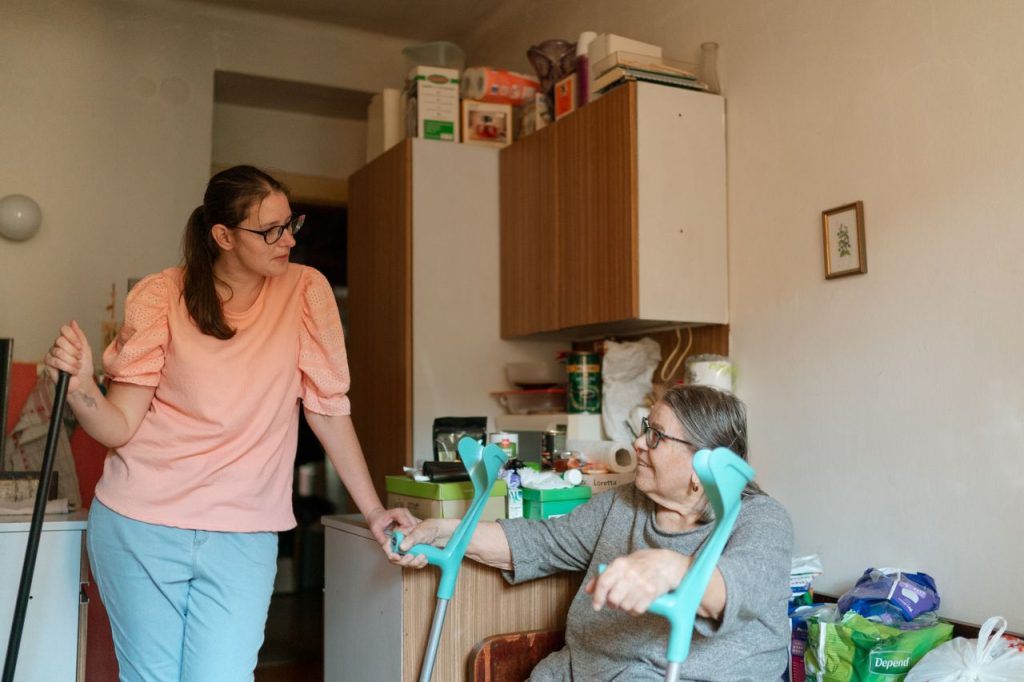
Aging in place allows older adults to remain in a familiar home environment while receiving the support they need to live as safely, comfortably, and independently as possible. For many seniors, staying at home can provide a strong sense of familiarity and control. Familiar rooms, neighborhood surroundings, personal belongings, and established routines can all contribute to comfort and emotional well-being.
However, remaining at home safely may require adjustments as a person’s abilities change. Tasks that once seemed simple can become more challenging because of reduced mobility, decreased strength, vision changes, difficulty using kitchen equipment, cognitive changes, or other age-related limitations.
Meal preparation and feeding are two areas where practical assistance can make a meaningful difference.
Preparing a meal involves much more than cooking. It may require planning what to eat, shopping for ingredients, carrying groceries, reaching into cabinets, standing at a counter, cutting food, lifting cookware, operating appliances, serving meals, and cleaning afterward. For an older adult with physical or cognitive limitations, these activities can create unnecessary challenges or safety concerns.
Feeding assistance addresses another part of the process. Some older adults can prepare or receive meals but may have difficulty opening containers, cutting food, handling utensils, reaching beverages, or eating independently. Others may require more direct assistance during meals.
Meal prep and feeding assistance can therefore support aging in place by helping older adults continue eating regular, appropriate meals while reducing some of the physical and practical barriers associated with mealtimes.
The objective is not to remove independence. In fact, good assistance should preserve as much independence as possible. A caregiver can help with tasks that have become difficult while allowing the older adult to continue making choices and completing activities they can safely manage.
Meal support can also benefit family caregivers. When an older adult needs help at home, family members may take on responsibilities such as grocery shopping, cooking, feeding, cleaning, and coordinating daily routines. Professional assistance with meals can reduce some of this workload and provide families with additional support.
Safe aging in place involves many components, including an appropriate home environment, access to healthcare, mobility support, social connection, and assistance with activities of daily living. Meal preparation and feeding assistance are important pieces of that larger picture because food and hydration are fundamental parts of everyday life.
This article explores how meal prep and feeding assistance can support safe aging in place, how these services can encourage independence, what safety considerations families should understand, and how to develop a meal support routine that respects an older adult’s needs, preferences, and dignity.
Key Takeaways
- Meal preparation assistance can reduce physical and practical challenges associated with cooking at home.
- Feeding assistance can help older adults who have difficulty eating independently.
- Regular meals can provide structure and predictability to the daily routine.
- Meal support can reduce risks associated with prolonged standing, lifting, reaching, and carrying in the kitchen.
- Prepared meals can make nutritious food easier to access.
- Hydration can be incorporated into an organized meal routine.
- Individualized support allows older adults to remain involved in meal choices and tasks they can safely perform.
- Meal assistance can help family caregivers manage the demands of aging in place.
- A safe meal routine should account for food preferences, mobility, accessibility, and established dietary instructions.
- Swallowing difficulties and other significant changes in eating should be discussed with appropriate healthcare professionals.
- Meal assistance should promote dignity and independence rather than unnecessarily taking over tasks.
- The level of support can change as an older adult’s abilities and needs change.
What Does Aging in Place Mean?
Aging in place generally means continuing to live in one’s preferred home and community as one’s needs change, rather than automatically moving to a different living arrangement.
It does not necessarily mean living without assistance.
An older adult may age in place successfully with support from family members, caregivers, community resources, healthcare professionals, and home-based services.
Independence Does Not Mean Doing Everything Alone
One common misunderstanding about independence is that a person must perform every household task without help.
In reality, independence can mean having control over decisions while receiving assistance with tasks that have become difficult.
An older adult may choose their meals, decide when they want to eat, and participate in preparation while a caregiver handles physically demanding tasks.
This can preserve autonomy without creating unnecessary risks.
Support Can Change Over Time
A person’s needs may change gradually.
Someone may initially need only occasional help with grocery shopping. Later, they may need assistance preparing meals or carrying dishes. Eventually, feeding support might become necessary.
A flexible approach allows assistance to increase or decrease based on current abilities.
Why Mealtimes Matter for Safe Aging in Place
Food is a basic daily need, but mealtimes also influence routine, social interaction, energy, and overall quality of life.
When an older adult cannot safely prepare or eat meals, the effects can extend beyond the kitchen.
Meals Provide Structure
Breakfast, lunch, dinner, and appropriate snacks can create predictable points in the day.
For an older adult who spends much of the day at home, these routines can provide helpful structure.
Meals Provide Opportunities for Social Connection
Eating can be a social activity.
A caregiver sitting with an older adult during a meal can provide companionship and conversation.
For someone who lives alone, this interaction can make mealtimes more enjoyable.
Meals Support Daily Well-Being
Consistent access to appropriate food and fluids can support the body’s normal needs.
When meal preparation becomes difficult, maintaining a regular eating routine may also become difficult.
Meal assistance addresses this practical barrier.
How Meal Preparation Assistance Supports Safety
The kitchen contains several potential hazards, particularly for older adults with limited mobility, reduced vision, or cognitive changes.
Meal preparation assistance can reduce the amount of time an individual needs to perform physically demanding or complicated kitchen tasks.
Reducing Prolonged Standing
Cooking can require standing for extended periods.
An older adult with reduced stamina may become tired while preparing a meal.
A caregiver can complete some preparation tasks, allowing the person to sit comfortably while remaining involved.
Reducing Lifting
Pots, pans, grocery bags, appliances, and food containers can be heavy.
Assistance can reduce the need for an older adult to lift or carry these items.
Reducing Reaching and Bending
Kitchen cabinets and refrigerators may require reaching or bending.
A caregiver can retrieve items that are difficult or unsafe for the older adult to access.
Reducing Appliance-Related Risks
Cooking involves appliances that generate heat or require careful operation.
If an older adult has difficulty remembering steps or safely operating equipment, having assistance with meal preparation can reduce the need to manage these tasks independently.
The Role of Feeding Assistance in Aging in Place
Feeding assistance can become important when an older adult cannot manage meals independently.
The level of support varies significantly.
Assistance With Meal Setup
Some people simply need help preparing the eating environment.
This may include:
- Placing the plate within reach
- Opening packages
- Cutting food
- Pouring beverages
- Arranging utensils
- Positioning a napkin
- Organizing the meal
These tasks can allow the older adult to continue eating independently.
Assistance With Utensils
Reduced hand strength or coordination can make forks, spoons, knives, or cups difficult to manage.
A caregiver can provide appropriate assistance while encouraging the person to perform whatever parts they can safely handle.
Direct Feeding Assistance
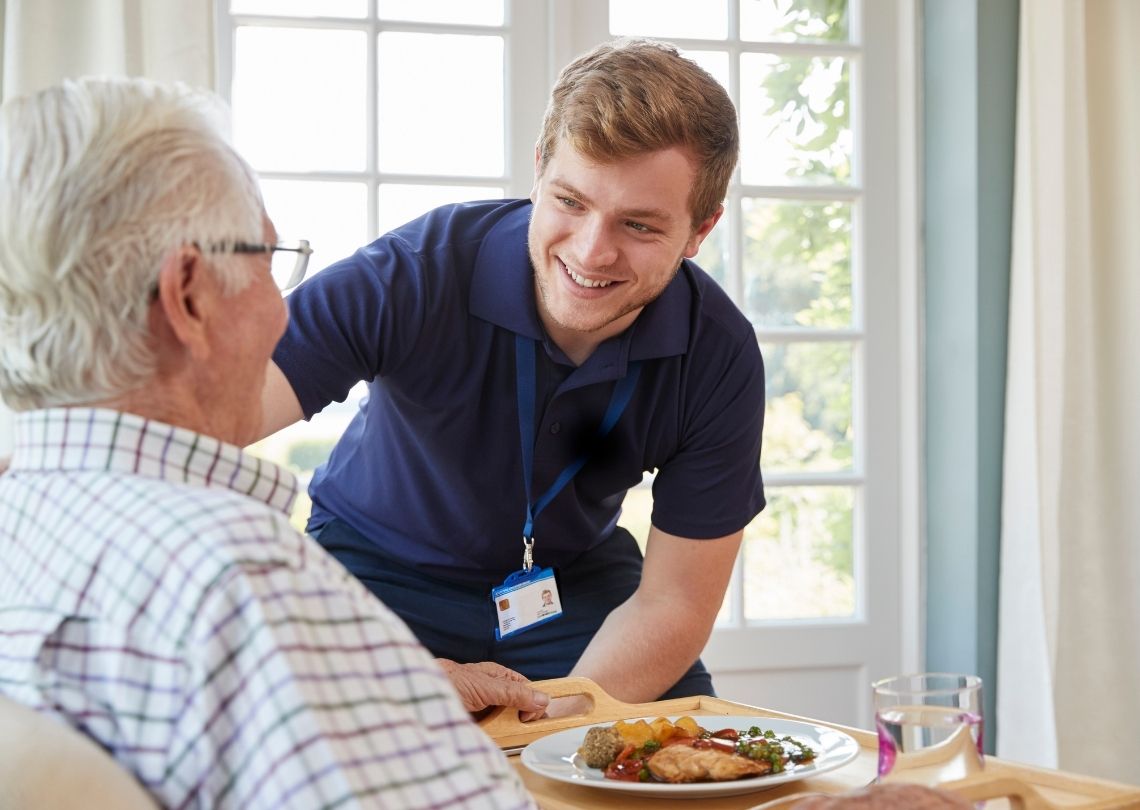
Some individuals may require direct assistance with eating.
When this is needed, caregivers should follow established care instructions and provide support respectfully.
The person should be allowed sufficient time and should not be rushed.
If there are swallowing concerns, caregivers should follow guidance from the appropriate healthcare professionals.
Supporting Independence During Mealtimes
The best meal assistance is often the least intrusive assistance that still meets the person’s needs.
Allow the Person to Make Choices
Older adults should have opportunities to choose among appropriate meals and beverages.
Choice can help maintain a sense of control.
Encourage Participation
A person may be able to:
- Choose ingredients
- Wash produce
- Stir ingredients
- Set utensils
- Select a beverage
- Choose where to eat
- Feed themselves
As long as these activities can be completed safely, participation can be encouraged.
Avoid Doing Everything Automatically
A caregiver who completes every task may unintentionally reduce opportunities for independence.
Instead, assistance can focus on the specific areas where help is necessary.
Meal Assistance and Mobility Limitations
Mobility challenges are among the most common reasons an older adult may need help with meal preparation.
Walking to the Kitchen
An older adult who has difficulty walking may avoid the kitchen altogether.
Having meals brought to an accessible dining area can reduce unnecessary trips.
Carrying Food
Even a short walk while carrying a hot plate or beverage can create difficulties.
Caregivers can handle carrying tasks when necessary.
Using Adaptive Equipment
Depending on the person’s needs, certain kitchen or dining tools may make tasks easier.
Examples may include lightweight utensils, easy-grip handles, nonslip surfaces, or containers that are easier to open.
Any equipment should be appropriate for the individual’s abilities and used safely.
Meal Assistance and Fall Prevention
Falls are a significant concern for many older adults.
Meal preparation can involve several activities that may increase the need to move around.
Reducing Trips Across the Kitchen
A caregiver can gather ingredients and organize tasks efficiently, reducing unnecessary movement.
Avoiding Carrying Hot Items
Older adults with balance limitations may have difficulty carrying hot cookware or beverages.
Having assistance with these tasks can reduce risk.
Keeping Pathways Clear
The meal preparation and dining areas should be kept free of unnecessary obstacles.
Spills should be addressed promptly.
A caregiver can also help maintain an organized environment around mealtimes.
Supporting Hydration While Aging in Place
Hydration is another part of daily meal support.
Some older adults may not drink enough because beverages are difficult to access or because they do not remember to drink regularly.
Make Appropriate Drinks Accessible
A caregiver can place preferred beverages within safe reach.
Include Hydration Opportunities Throughout the Day
Breakfast, lunch, dinner, and snack periods can provide natural opportunities for fluids.
The person’s healthcare instructions should always be followed when fluid intake needs to be limited or otherwise managed.
Watch for Changes
Caregivers can pay attention to changes in drinking habits and communicate concerns to family members or healthcare professionals when appropriate.
Meal Preparation and Cognitive Changes
Cognitive changes can affect meal preparation and eating routines.
An older adult may forget whether they have eaten, leave food cooking, have difficulty following recipes, or become overwhelmed by multiple steps.
Simplifying Meal Preparation
Prepared meals can reduce the number of steps required.
Instead of navigating an entire recipe, the older adult may only need assistance with reheating or serving.
Creating Consistent Routines
A predictable meal schedule can help reduce confusion.
Meals at familiar times and familiar foods can make daily routines easier to follow.
Improving Kitchen Safety
If an older adult has difficulty safely operating appliances, caregivers can manage cooking tasks.
The individual can still participate in appropriate ways without being responsible for complicated kitchen activities.
Supporting Older Adults With Vision Changes
Changes in vision can make food preparation and eating more challenging.
Identifying Food
Clearly organized meals can make it easier to identify what is being served.
Reducing Kitchen Hazards
Caregivers can help manage hot surfaces, sharp tools, spills, and other potential hazards.
Improving Meal Accessibility
Placing commonly used items in consistent locations can make them easier to find.
Food Safety and Aging in Place
Food safety is particularly important when preparing meals for older adults.
Practice Good Hygiene
Hands, preparation surfaces, utensils, and kitchen equipment should be cleaned appropriately.
Prevent Cross-Contamination
Raw foods and ready-to-eat foods should be handled appropriately to reduce contamination risks.
Store Food Properly
Prepared meals should be refrigerated or frozen according to appropriate food-safety practices.
Monitor Leftovers
Leftovers should be stored safely and used within appropriate timeframes.
Labeling containers can help caregivers and older adults identify what foods are available.
Meal Assistance as Part of a Person-Centered Care Plan
Person-centered care focuses on the individual rather than treating everyone the same.
Learn Food Preferences
Caregivers should understand the person’s favorite foods, disliked foods, preferred beverages, and preferred meal times.
Respect Cultural Preferences
Food can be closely connected to family and cultural traditions.
Whenever appropriate, familiar recipes can be included.
Consider Personal Routines
Some people prefer a large breakfast, while others prefer lighter morning meals.
Some enjoy eating in the kitchen, while others prefer the dining room.
Personal routines can be incorporated into the support plan.
Making the Dining Area More Supportive
The dining environment is another important consideration.
Use Comfortable Seating
The chair and table should be appropriate for the individual’s needs.
Keep Items Within Reach
Utensils, napkins, and appropriate beverages can be positioned where the person can access them safely.
Reduce Clutter
A clear dining surface can make eating easier.
Create a Calm Environment
Some older adults may eat more comfortably when distractions are limited.
How Meal Assistance Can Support Emotional Well-Being
Aging in place is about more than physical safety.
Emotional well-being matters too.
Maintaining Familiarity
Eating familiar foods at home can contribute to a sense of normalcy.
Encouraging Social Interaction
Caregivers can provide companionship during meals.
Preserving Choice
Allowing an older adult to choose meals and participate in food-related decisions can support autonomy.
When Feeding Assistance Requires Additional Professional Guidance
Some meal-related concerns should not be managed solely through routine caregiving.
Swallowing Difficulties
Coughing or choking during meals, repeated throat clearing, changes in voice after swallowing, or other swallowing concerns should be discussed with the appropriate healthcare professional.
Significant Changes in Appetite
Persistent appetite changes may require evaluation.
Unexpected Weight Changes
Unexplained weight loss or other significant changes should be discussed with the individual’s healthcare provider.
Difficulty Following a Prescribed Diet
If an older adult cannot manage a medically prescribed diet independently, the family should seek appropriate professional guidance.
Signs That an Older Adult May Need More Meal Support
Families may notice certain warning signs.
Frequent Skipped Meals
Repeatedly missing meals may indicate that cooking or eating has become difficult.
Spoiled Food
Finding expired or spoiled food may suggest difficulty managing groceries or meal preparation.
Unopened Food
An abundance of unopened meals may indicate that the person has difficulty preparing or eating them.
Kitchen Safety Problems
Burned food, appliances left on, spills, or other recurring issues may indicate that cooking independently is becoming unsafe.
Increased Fatigue
If preparing meals leaves the older adult exhausted, assistance may help conserve energy.
Difficulty Handling Utensils
Problems cutting food or holding utensils may indicate a need for feeding assistance.
Common Misconceptions About Meal Assistance
“If They Can Eat, They Can Cook”
Not necessarily.
Someone may be able to eat independently but lack the strength or mobility to prepare a meal.
“Needing Meal Help Means Losing Independence”
Appropriate assistance can actually support independence by allowing a person to remain at home while receiving help with difficult tasks.
“Family Should Handle Everything”
Family support can be valuable, but caregivers also have limits.
Additional assistance can make aging in place more sustainable.
“Meal Assistance Is Only About Cooking”
It can include planning, shopping, preparation, setup, feeding, hydration support, and cleanup.
How Meal Support Can Evolve Over Time
Aging in place is an ongoing process.
An older adult’s needs can change.
Early Stage
The individual may only need help with grocery shopping or heavy kitchen tasks.
Intermediate Stage
They may need meals prepared and delivered to an accessible location.
Greater Support Needs
They may eventually require feeding assistance or more comprehensive support.
Regular reassessment can help ensure that the level of assistance remains appropriate.
Balancing Safety and Independence
One of the most important principles of aging in place is finding the right balance.
Too little assistance can create unnecessary risks.
Too much assistance can unnecessarily reduce independence.
Focus on Abilities
Ask what the person can safely do.
Support, Don’t Automatically Replace
If an older adult can choose their meal, let them choose.
If they can safely feed themselves, allow them to do so.
If they can participate in preparation without risk, consider including them.
Adjust When Circumstances Change
A support plan should be flexible.
Changes in strength, mobility, cognition, appetite, or other needs may require adjustments.
Conclusion
Meal prep and feeding assistance can play an important role in helping older adults age safely and comfortably in place. Preparing and eating meals are everyday activities that can become challenging as mobility, strength, coordination, vision, cognition, or other abilities change.
By assisting with meal planning, grocery-related tasks, ingredient preparation, cooking, serving, feeding, hydration, and cleanup, caregivers can reduce many of the barriers that make independent meal management difficult.
The benefits extend beyond nutrition. Meal support can reduce prolonged standing, heavy lifting, unnecessary walking, and complicated kitchen tasks. It can help create a predictable daily routine and provide opportunities for social interaction. It can also reduce some of the workload placed on family caregivers.
Most importantly, meal assistance does not have to mean giving up independence. A person-centered approach focuses on providing the appropriate level of help while allowing the older adult to remain involved in decisions and activities they can safely perform.
A successful aging-in-place meal plan should consider personal preferences, cultural traditions, mobility, accessibility, food safety, established dietary instructions, and the person’s current abilities. As those abilities change, the support plan should change as well.
Families should also remain alert to signs that additional professional guidance may be necessary. Significant swallowing problems, persistent appetite changes, unexplained weight changes, or difficulty following medical dietary instructions should be addressed with the appropriate healthcare professionals.
Ultimately, safe aging in place is about creating an environment where an older adult can remain at home with the right combination of independence and support. Meal prep and feeding assistance can be a practical part of that approach, helping make everyday nutrition safer, more manageable, and more consistent while preserving dignity and quality of life.
FAQ
What is feeding assistance?
Feeding assistance involves helping a person eat when they cannot comfortably manage all aspects of eating independently. It may include meal setup, opening containers, cutting food, arranging utensils, or direct feeding when appropriate.
Does meal assistance reduce independence?
Not necessarily. Properly provided assistance should support independence by helping with difficult tasks while allowing the older adult to perform activities they can safely manage.
Can meal assistance help prevent kitchen accidents?
It can reduce exposure to some kitchen-related risks by assisting with cooking, lifting, reaching, carrying hot items, and operating appliances when these tasks are difficult for the older adult.
Can meal prep assistance help with nutrition?
Yes. Having meals planned and prepared can make appropriate foods more convenient and accessible. It can also make it easier to provide variety and follow established dietary instructions.
How can caregivers support hydration?
Caregivers can make appropriate beverages accessible and incorporate drinks into regular meal and snack routines. Any medical fluid restrictions should be followed.
What are signs that an older adult may need meal assistance?
Possible signs include frequently skipped meals, difficulty cooking, spoiled food, increased fatigue after meal preparation, difficulty carrying dishes, problems using utensils, or recurring kitchen safety concerns.
What if the person can cook but cannot shop?
Assistance can be targeted to the specific problem. Grocery shopping and carrying food may be the only tasks requiring support.
How can meal assistance help family caregivers?
It can reduce the time and effort family caregivers spend shopping, cooking, serving, feeding, and cleaning. This may create more time for companionship and other caregiving responsibilities.
What should families look for in a meal assistance caregiver?
Families should consider reliability, relevant experience, communication, appropriate training, respect for personal preferences, and the ability to follow established care or dietary instructions.
Is food safety important for older adults?
Yes. Caregivers should practice appropriate hygiene, prevent cross-contamination, store food safely, and handle leftovers properly.
Support Better Nutrition And Independence With Meal Prep And Feeding Assistance At Home
Nutritious meals play an important role in helping seniors maintain their strength, energy, and overall well-being. But shopping, preparing meals, handling kitchen tasks, or eating independently can become more difficult with age, limited mobility, or changing health needs. Compassionate Meal Prep and Feeding Assistance can make daily mealtimes safer, easier, and more enjoyable while helping seniors continue living comfortably at home.
Meal Prep and Feeding Assistance from Serenity Family Homecare is tailored to each client’s routines, preferences, and level of independence. Our caregivers can help prepare meals, organize ingredients, serve food, assist with eating when needed, and provide friendly companionship during mealtimes. Every visit focuses on creating a comfortable experience while encouraging seniors to remain as involved and independent as possible.
With dependable mealtime support, seniors can enjoy more consistent meals, greater comfort, and less stress around daily nutrition. Families also gain peace of mind knowing their loved one has caring, reliable assistance when they need it most. Contact Serenity Family Homecare today to schedule an assessment and learn how our Meal Prep and Feeding Assistance services can help your loved one enjoy safer, more comfortable mealtimes at home.
Disclaimer
The information on this website is for general education only and should not be treated as medical, legal, or professional advice. Every family and health situation is different, so you should speak with a qualified healthcare provider or appropriate professional before making care decisions. Do not make changes to a care plan or rely on this content as a substitute for professional guidance. The information on this site may not reflect the most current medical standards or practices. Serenity Family Homecare is not responsible for any actions taken or not taken based on the material on this website.