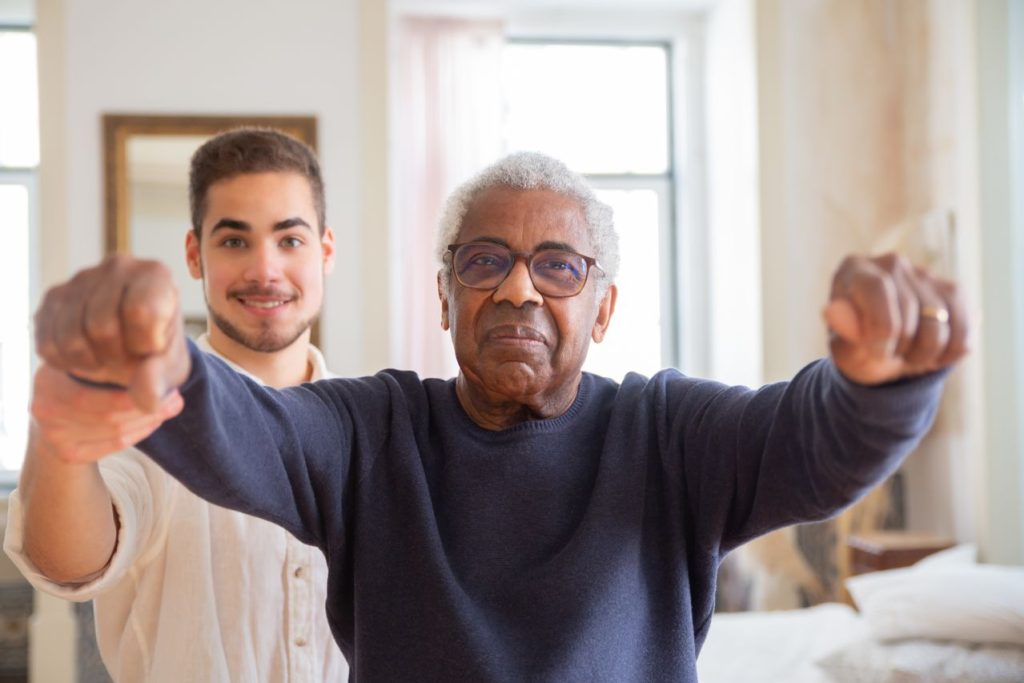
Aging brings natural changes in the body, but reduced mobility does not have to mean reduced independence. Many seniors experience weakness, stiffness, joint pain, or balance issues that make everyday tasks more difficult. Simple actions like standing up from a chair, walking to the bathroom, or climbing a few steps can become challenging. These limitations often lead to less movement, which then contributes to even more stiffness and weakness over time.
This cycle is common, but it is not irreversible. One of the most effective and accessible ways to break it is through in-home mobility exercises designed specifically for seniors. These exercises focus on improving how the body moves in daily life rather than building athletic performance. They are gentle, safe, and adaptable for different levels of ability.
In-home mobility exercises help restore joint movement, activate weakened muscles, improve balance, and reduce discomfort caused by inactivity. Unlike intense workouts, they do not require special equipment or gym access. Most can be done using a chair, a wall, or even a bed for support.
For seniors dealing with arthritis, chronic pain, recovery from illness, or general weakness, these exercises can be life-changing. They help improve circulation, reduce stiffness, and rebuild confidence in movement. Most importantly, they support independence—allowing seniors to continue performing essential daily tasks with less reliance on others.
This guide explores the most effective in-home mobility exercises for seniors with weakness or pain, how they work, and how to safely include them in a daily routine.
Key Takeaways
- Mobility exercises help seniors improve movement, reduce stiffness, and manage pain safely at home.
- Consistency is more important than intensity—short daily routines produce the best results.
- Exercises can be adapted for seated, standing, or lying positions depending on ability.
- Mobility work improves balance, reducing fall risk and increasing confidence.
- Gentle movement increases circulation and helps reduce chronic joint pain
- These exercises support independence in daily tasks like walking, standing, and bending
- Safety, slow movement, and proper support are essential for preventing injury
Understanding Mobility Problems In Seniors
Mobility issues in older adults usually develop gradually. They are often caused by a combination of muscle loss, joint stiffness, reduced activity levels, and underlying medical conditions. One of the most common age-related changes is sarcopenia, or the natural loss of muscle mass and strength. As muscles weaken, everyday movements require more effort.
At the same time, joints often become less flexible. The cartilage that cushions joints may wear down, and the production of synovial fluid—which helps joints move smoothly—can decrease. This leads to stiffness, especially in the morning or after long periods of sitting.
Chronic conditions such as arthritis, osteoporosis, diabetes, or past injuries can further limit mobility. Pain often leads to reduced movement, and reduced movement leads to more stiffness and weakness. Over time, this creates a cycle that can significantly affect independence.
Balance also tends to decline with age due to changes in vision, inner ear function, and muscle coordination. This increases the risk of falls, which are one of the leading causes of injury among seniors.
In-home mobility exercises directly address these issues by encouraging safe, controlled movement. They help re-engage muscles, improve joint flexibility, and retrain the body to move more efficiently.
Benefits Of In-Home Mobility Exercises
Improved Flexibility And Joint Movement
One of the first improvements seniors notice is increased flexibility. Gentle movement helps keep joints lubricated and reduces stiffness in areas like the knees, hips, shoulders, and spine. This makes daily activities like bending, reaching, and walking easier.
Pain Reduction And Better Comfort
Movement helps improve blood flow and reduce inflammation. While pain may initially move seem difficult, controlled exercises often reduce long-term discomfort by preventing stiffness from building up.
Better Balance And Fall Prevention
Mobility exercises strengthen stabilizing muscles in the legs, hips, and core. These muscles are essential for maintaining balance during standing and walking, significantly reducing fall risk.
Increased Strength For Daily Tasks
Even light resistance from bodyweight movements helps maintain or rebuild functional strength. This supports essential activities like standing from a chair, carrying groceries, or climbing stairs.
Improved Circulation And Energy
Movement increases blood flow and oxygen delivery throughout the body. Many seniors report feeling more energized and less fatigued when they stay active consistently.
Enhanced Independence And Confidence
As movement becomes easier, seniors often feel more confident performing daily tasks. This emotional benefit is just as important as physical improvement, as it encourages continued activity.
Safety Guidelines Before Starting Exercises
Before beginning any mobility routine, safety should always come first. Seniors should focus on controlled, pain-free movement.
Move Slowly And Gently
Exercises should never be rushed. Slow movement reduces strain on joints and muscles and helps maintain control.
Use Support When Needed
Chairs, walls, counters, or walkers can provide stability during standing exercises.
Avoid Sharp Pain
Mild discomfort from stretching is normal, but sharp or worsening pain is a sign to stop.
Stay Hydrated And Breathe Properly
Proper breathing helps oxygen flow and prevents dizziness. Holding your breath during exercise should be avoided.
Consult A Healthcare Provider
Seniors with chronic conditions, recent surgeries, or severe pain should consult a medical professional before starting new exercises.
Most Effective In-Home Mobility Exercises For Seniors
The following exercises are safe, simple, and effective for improving mobility at home.
Seated Mobility Exercises
Seated exercises are ideal for beginners or seniors with limited balance.
Seated Marching
While sitting upright in a sturdy chair, lift one knee at a time in a slow marching motion. This improves hip mobility and circulation in the lower body.
Seated Leg Extensions
Straighten one leg slowly, hold for a few seconds, then lower it. This strengthens the thighs and improves knee function.
Seated Arm Raises
Raise both arms overhead slowly and lower them. This improves shoulder flexibility and upper body circulation.
Seated Torso Rotations
Cross arms over the chest and gently rotate the upper body from side to side. This supports spinal flexibility.
Seated Ankle Circles
Lift one foot slightly and rotate the ankle clockwise and counterclockwise. This improves ankle mobility and circulation.
Standing Mobility Exercises
These exercises should be done with support nearby.
Heel Raises
Lift heels off the ground while standing, then slowly lower them. This strengthens calves and improves balance.
Toe Raises
Lift toes while keeping heels on the ground. This improves shin strength and stability.
Side Leg Raises
Hold onto a chair and slowly lift one leg to the side, then return. This strengthens hip muscles.
Standing Hip Circles
Gently move hips in small circles to improve joint flexibility.
Mini Squats
With support, slightly bend knees and return to standing. This builds strength for sitting and standing movements.
Lying Down Mobility Exercises
These are ideal for seniors with more limited endurance or recovery needs.
Knee-To-Chest Stretch
Lie on your back and gently pull one knee toward your chest. This helps relieve lower back and hip stiffness.
Ankle Pumps
Point and flex feet repeatedly to improve circulation and reduce swelling.
Pelvic Tilts
Flatten the lower back against the floor by tightening abdominal muscles, then relax. This improves core stability.
Heel Slides
Slide one heel toward the buttocks while lying down, then extend it again. This improves knee mobility.
Balance And Coordination Exercises
Balance exercises are important for fall prevention.
Weight Shifting
Shift weight from one foot to the other while standing with support. This improves stability.
Single-Leg Stand (Assisted)
Hold onto a stable surface and briefly lift one foot off the ground.
Heel-To-Toe Walk (Assisted)
Walk in a straight line, placing the heel directly in front of the toe to improve coordination.
How To Build A Daily Routine
A simple daily routine can significantly improve mobility over time.
A balanced routine may include:
- 5–10 minutes of seated exercises
- 10–15 minutes of standing exercises
- 5–10 minutes of stretching or balance work
The goal is consistency, not intensity. Even short daily sessions are highly effective.
Progressing Safely Over Time
As strength improves, exercises can be gradually increased in duration or repetitions. Seniors may also transition from seated to standing exercises with support.
Progress should always be gradual. The goal is steady improvement, not quick results.
Common Mistakes To Avoid
Doing Too Much Too Soon
Overexertion can lead to pain or fatigue. Starting slow is essential.
Ignoring Pain Signals
Pain should never be pushed through. It is a warning sign.
Skipping Consistency
Irregular exercise reduces effectiveness. Daily movement is key.
Poor Posture
Proper alignment helps prevent strain and improves results.
Conclusion
In-home mobility exercises are one of the most effective and accessible ways for seniors to maintain independence, reduce pain, and improve overall quality of life. While aging naturally brings changes in strength, flexibility, and balance, these changes do not have to lead to a loss of function or confidence.
What makes these exercises especially valuable is their simplicity. They do not require expensive equipment, gym memberships, or advanced fitness levels. Instead, they focus on gentle, purposeful movements that can be performed safely in a home environment. Whether seated in a chair, standing with support, or lying down on a bed, each exercise plays a role in restoring mobility and improving daily function.
Another important benefit is pain management. Many seniors avoid movement due to discomfort, but inactivity often makes stiffness and pain worse. Mobility exercises help break this cycle by encouraging controlled movement that improves circulation and reduces joint stiffness over time.
Equally important is the impact on confidence and independence. Being able to stand up without assistance, walk more steadily, or move with less discomfort can significantly improve emotional well-being. These improvements often encourage seniors to stay more active, which further enhances their physical health.
While results may not happen overnight, consistency is the key to long-term improvement. Even a short daily routine can lead to meaningful changes in strength, flexibility, and balance. Over time, these improvements contribute to a safer, more active, and more independent lifestyle.
With patience and regular practice, in-home mobility exercises can become a powerful tool for helping seniors move with greater ease, comfort, and confidence in their everyday lives.
Frequently Asked Questions
1. How Often Should Seniors Do Mobility Exercises?
Daily practice is ideal, even if it’s just 10–20 minutes per day.
2. Can These Exercises Help Reduce Pain?
Yes. Gentle movement improves circulation and reduces stiffness, which can help manage chronic pain.
3. Are These Exercises Safe For Seniors With Arthritis?
Yes, as long as movements are slow, controlled, and within a comfortable range.
4. What If I Feel Tired During Exercise?
Rest immediately and reduce intensity. Overexertion should be avoided.
5. Do I Need Equipment For These Exercises?
No. A chair, bed, or wall for support is usually enough.
6. How Soon Will I See Improvements?
Many seniors notice better mobility and reduced stiffness within 2–4 weeks of consistent practice.
7. Can These Exercises Prevent Falls?
Yes. Balance and strength improvements significantly reduce fall risk over time.
How Companion Visits And Social Support Help Seniors Stay Connected At Home
Staying socially connected is an important part of healthy aging. Many older adults spend long stretches of time alone, especially when family members live far away or busy schedules make regular visits difficult. Over time, limited social interaction can lead to loneliness, reduced motivation, and a decline in emotional well-being. Seniors often benefit from consistent companionship that brings conversation, activity, and a sense of connection back into everyday life.
Companion Visits and Social Support from Serenity Family Homecare help seniors stay engaged, supported, and connected while remaining in the comfort of their own homes. Our caregivers provide friendly conversation, shared activities, light assistance with daily routines, and meaningful social interaction tailored to each person’s interests. Whether it’s enjoying a walk, playing games, sharing a meal, or simply spending time talking, these visits create moments of connection that brighten the day.
With regular companion visits in place, seniors maintain stronger emotional well-being and feel less isolated. Families gain peace of mind knowing their loved one has consistent social interaction and caring support. Contact Serenity Family Homecare today to schedule an assessment and learn how Companion Visits and Social Support can help your loved one stay connected and supported at home.
Disclaimer
The information on this website is for general education only and should not be treated as medical, legal, or professional advice. Every family and health situation is different, so you should speak with a qualified healthcare provider or appropriate professional before making care decisions. Do not make changes to a care plan or rely on this content as a substitute for professional guidance. The information on this site may not reflect the most current medical standards or practices. Serenity Family Homecare is not responsible for any actions taken or not taken based on the material on this website.