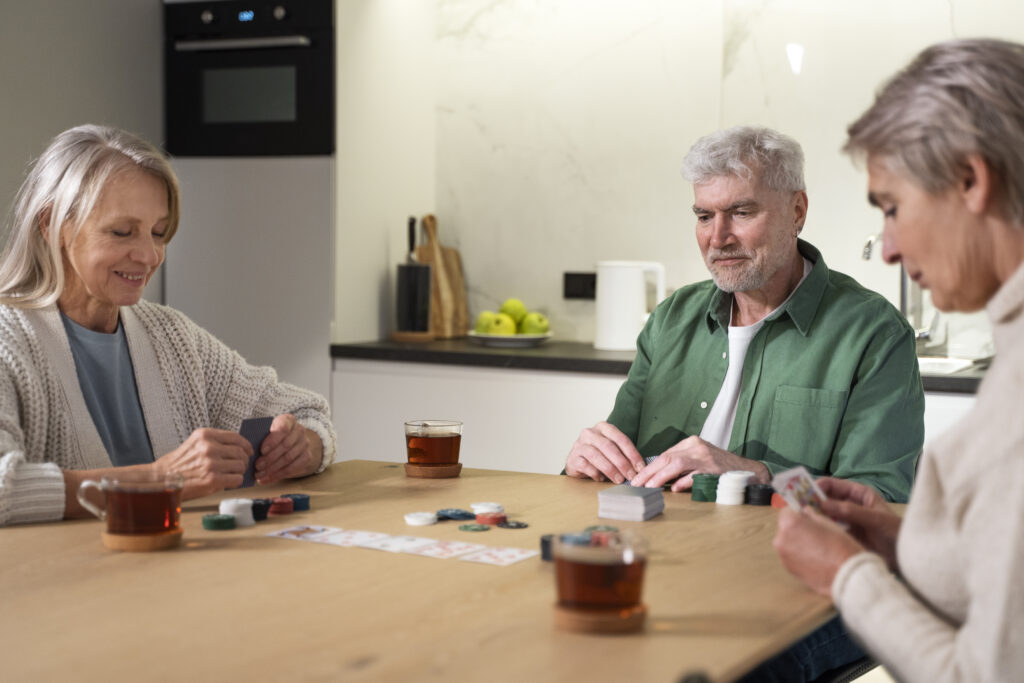
Companionship visits for older adults encompass a variety of activities designed to provide social interaction, enhance mood, and assist with everyday tasks. Typical activities include conversing, reading books or newspapers, sharing meals, and taking short walks. Other visits may incorporate easy games, puzzles, or music. Assistance with hobbies such as knitting, sketching, or gardening features in many visits. Occasionally, assistants participate in minor housework or help with contacting family. These visits can vary depending on each individual’s preferences or needs. The following section will go over activities in detail and offer recommendations to make visits more meaningful for older adults in order to show the full range of options and help with planning.
Key Takeaways
- Companionship visits for older adults include everything from sharing good conversation and providing assistance around the house to encouraging physical activity and creative expression to fostering community engagement, all aimed at enhancing quality of life and combating loneliness.
- The activities are appropriate, enjoyable, and doable for individuals from all backgrounds because each visit is tailored to the senior’s interests, culture, cognitive ability, and feedback from family members.
- Companions offer emotional support and social connection, which sets these visits apart from personal care providers who are medically oriented and provide physical assistance.
- Companionship visits for seniors provide a mix of active engagement, quiet time, and loose scheduling. They support emotional well-being, cognitive stimulation, and physical health throughout the day.
- Seniors can maintain their independence, build relationships, and discover new interests by combining modern conveniences like virtual chat rooms and reminder apps.
- By incorporating a variety of activities, attending to each person’s needs, and maintaining contact for changing support, our readers can enhance companionship visits.
Core Companionship Activities
As a component of companion care services, senior companionship visits include activities that promote independence, ease daily living, and improve mental and physical health. These activities are critical for combating loneliness and enabling habitual rituals that keep seniors active and healthy.
- Conversation and shared meals for social connection
- Light housekeeping, laundry, and meal preparation to support independence
- Walk, stretch, and play brain games for physical and mental health.
- Arts, crafts, music, and gardening for creative expression
- Excursions, clubs, and community involvement to increase social connections.
1. Conversation And Connection
Starting real, heartfelt conversations is a foundation of companion care services. It makes seniors feel listened to and appreciated, reducing loneliness and social isolation. In addition to these benefits, eating together fosters a sense of connection and reinforces bonds, turning mealtime into a shining star of the day. The majority of senior companions advise seniors to start the day with a positive attitude by discussing neutral or light current events. Evening quieter activities, such as reading, watching television, or listening to music, help seniors wind down and relax, ensuring emotional wellness. Sharing memories or stories promotes cognitive stimulation and encourages a feeling of continuity and individuation.
2. Household Support
Companions offer light housekeeping to keep living spaces safe and tidy. They help seniors with daily tasks such as folding laundry, cooking meals, and making shopping lists, supporting seniors in maintaining their routines. Such assistance alleviates strain and allows senior citizens to remain in the comfort and privacy of their own homes.
3. Mind And Body
Light daily exercise, such as walking and stretching, is recommended to boost spirits, appetite, and energy. Basic movement exercises, such as chair yoga or balance exercises, can be tailored to any mobility level and help prevent falls, which is especially advantageous for elderly companions. Engaging in brain games, puzzles, and reading keeps the mind sharp, while relaxation techniques, such as guided breathing or meditation, enhance emotional well-being.
4. Creative Expression
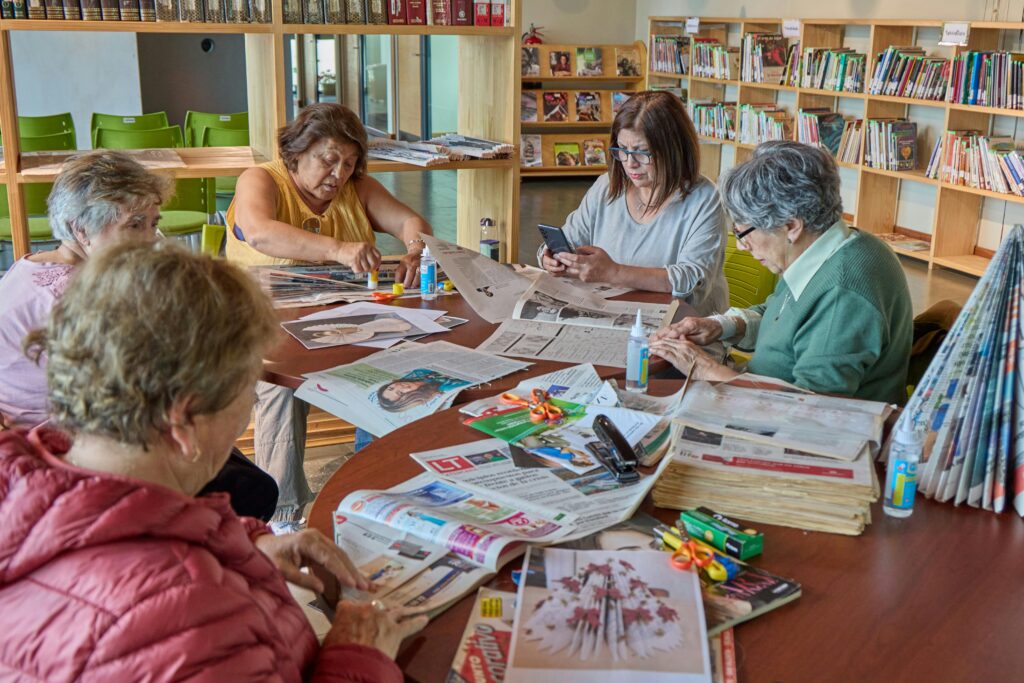
Arts and crafts projects, such as painting or knitting, offer senior companions a way to express themselves. Core companionship activities, including music and dance sessions, enhance energy levels and inspire joyful engagement, while gardening or nature activities support both creativity and emotional health.
5. Community Involvement
Visits to the community center and group activities improve seniors’ overall health. With the help of companion caregivers who help introduce seniors to neighbors, organizing group activities like book or board game clubs promotes camaraderie and brings people together for shared enjoyment.
Companion Vs. Personal Care
Companion versus personal care fulfill different needs for seniors, and the difference is critical when coordinating care. Companion care is more about social and emotional needs. Think light housekeeping, meal preparation, errand assistance, and appointment rides. This care does not involve medical or physical assistance. Instead, it is about being there, chatting, and providing solace. It is intended to assist with instrumental activities of daily living (IADLs) such as shopping, cooking, or home maintenance. These may seem simple, but for many seniors, they can be the difference between isolation and engagement in life.
Personal care is hands-on assistance. Providers have additional training and frequently assist with bathing, dressing, toileting, or feeding. These are activities of daily living (ADLs). Sometimes personal care means providing medications, wound care, or other health-related assistance. Due to the extra skill and risk involved, personal care usually costs more. The national median for companion care is $4,004 per month, while the median for personal care is approximately $4,195. Depending on the location and level of assistance needed, it may increase or decrease.
Here is a table that shows the key differences:
| Feature | Companion Care | Personal Care |
| Main Focus | Social/emotional support, IADLs | Physical help, ADLs, sometimes medical tasks |
| Example Activities | Housekeeping, meals, errands, conversation | Bathing, dressing, toileting, and medication |
| Training Requirements | Basic, often non-medical | Advanced medical knowledge may be needed |
| Cost (median/month) | $4,004 | $4,195 |
| Medical Tasks Allowed | No | Yes |
| Main Benefit | Less loneliness, more social connection | Independence, health, and safety |
We often undervalue a companion’s emotional support. Whether it’s a friendly company or a hot meal, our programs can ease loneliness and brighten their lives. Over time, this assistance helps keep elderly adults active and lifts spirits. Personal care supports autonomy and wellness, but it might not plug the social hole. Companionship visits are critical in reducing isolation, a risk factor for depression and poor health in the elderly.
Tailoring The Visit
A tailored home companion care visit is designed to match each senior’s individual needs and preferences. This customization includes candid activities and elements that make the person feel special. Companion care combines personal support, assistance with daily living activities, and social interaction, alleviating loneliness and enhancing every visit. With careful planning and flexibility, visits can be meaningful and supportive.
- Tailor the Visit: Start by creating a personalized care plan according to the senior’s hobbies!
- Whatever your decision, customize the visit frequency to the senior’s social and emotional needs.
- Customize the visit and solicit input to make it a family affair.
- Pair activities with the senior’s current physical, cognitive, and lifestyle.
- Provide a combination of quiet and active activities, allowing the senior to decide.
- Tailor the visit by going back to the plan and updating it as the senior’s needs shift.
Personal Interests
A customized visit begins with understanding what the senior companions enjoy. For example, inquiring about hobbies such as reading, gardening, or music and incorporating these into the visit can be beneficial. Engaging in household tasks together, watching a beloved movie, or talking over tea can ignite a bond. These small, thoughtfully chosen rituals add richness to days and improve a person’s general well-being.
If the senior is receptive, it can be beneficial to introduce them to new interests. This could involve teaching them how to use a tablet for games or video calls, or introducing them to some art projects and puzzles to improve their emotional well-being. For the gamesters, bingo and cards are both enjoyable and intellectually engaging, making them ideal companion care activities.
It’s also enjoyable to discuss past favorites. Discussing favorite sports, trips, or crafts can ignite pride and new conversation, fostering a sense of companionship. By tailoring the visit, such as substituting indoor plants when everyone isn’t comfortable with outdoor gardening, the home care companions ensure that everybody remains comfortable and engaged.
Cultural Background
Cultural sensitivity customizes the visit. Incorporating foods, music, or celebrations from the seniors’ culture pays respect to their identity. During your visit, you can feel more at ease and like you belong by bringing in traditional foods or well-known music.
Talking about customs, holidays, or family traditions keeps the culture alive. Getting seniors to wax poetic about their childhood or family traditions enriches the experience and demonstrates a respect for their history. Even the little things, like saying hello in your language or celebrating a significant holiday, can go a long way.
Cognitive Level
Aligning activities to brainpower is the secret to successful visits. For seniors suffering from memory loss, a simple game, music, or album flipping can trigger recognition and solace. Memory aids, reminders, or even better, written schedules keep routines well defined.
Folding towels, organizing photos, or light chores work well. Observing how the elderly react and adapting accordingly guarantees they experience the activity and feel involved. Expert buddies adjust the speed and difficulty, making it a good vibe and no pressure.
The Companion’s True Role
A companion is about much more than simple assistance. It encompasses a combination of instrumental, social, and emotional support, customized to address the individual needs of seniors in their daily lives. The genuine function of a companion is to help seniors maintain their independence, safety, and connection, and it is genuinely transformative.
- Provide a friendly, steady presence.
- Support with daily living activities (IADLs)
- Help with light household chores
- Offer reminders for medication
- Encourage and join in meaningful talks
- Support hobbies, games, and walks
- Watch for signs of distress or changes in mood
- Offer emotional support during life changes
Being a friendly support system is the essence of companionship. Most seniors, particularly those widowed or recently bereaved, have days that are brutally long and void of human interaction. The companion is not the servant but the one who listens, laughs and tells stories, who makes hours pass at home without loneliness. This camaraderie does much to calm the sting of isolation. Research indicates that consistent social time can reduce the risk of heart disease by almost a third and increase mood and mental acuity. In reality, most seniors enjoy chats with friends or companions more than even family time.
Companions encourage autonomy by assisting with daily routines. Meal preparation, light housekeeping, and medication reminders are a few examples of these chores. With such support, older adults can maintain independence in their living spaces and stay in control of their schedules. Because everyone’s needs vary, a companion personalizes their assistance, whether it’s helping with bill organization or accompanying someone for a walk or a crossword puzzle, promoting both physical and mental well-being.
Meaningful social interaction is equally important. Companions initiate conversations, exchange memories, and invite seniors to participate in activities they enjoy. Whether it’s a quick walk, a beloved card game, or just a cup of tea, these activities foster trust and help seniors feel valued and acknowledged. A companion’s anchor can ease the turbulence experienced by individuals undergoing major life transitions.
Structuring A Typical Visit
A good companionship visit in home companion care will bend to each older adult’s needs, interests, and energy level. The appropriate balance of activities encourages involvement and allows room for meaningful companion care and downtime. Visits mix light activity, good conversation, and assistance with daily routines. The structure should always be flexible, with open communication between the companion caregiver and the senior to keep the visit pertinent and supportive.
Morning Routine
Assisting seniors with AM activities starts the day off right. That could mean providing aid with dressing, bathing, or arranging personal belongings. Light chores, such as folding laundry, wiping counters, or washing a small handful of dishes, can be sprinkled in as well, providing that feeling of accomplishment.
Promoting a nutritious, balanced breakfast. A few caregivers recommend finger-friendly foods. Others might assist with table setting or beverage pouring. A good start is supported by proposing neutral conversation topics that can gently wake seniors in the morning and spark their interest.
Morning is a good time to talk through the day’s plan, reminders about appointments, upcoming events, or even simple choices like picking out clothes. This planning goes a long way to structuring the visit and gives the senior something to look forward to.
Daytime Engagement
Visits during the day are primarily focused on activities to keep your body and mind active. Short walks outside or down the hallway are common. Light stretching or chair-based exercises provide physical rewards and can be modified to nearly every fitness level.
Creative engagement is the secret. Some seniors are like kids, and they enjoy crafts or puzzles. Others prefer music, TV, or reading. Trips to a community center or even just sitting outside will give a chance to engage socially and have a change of pace.
Caregivers can accompany the senior to the doctor or on personal visits. Their presence is comforting and handily helpful. Quiet conversation will sometimes suffice, especially for the easily fatigued.
Evening Wind-Down
As evening falls, visits lag in seniors’ energy. Calming activities like listening to gentle music, reading a book, or just hanging out in silence together go a long way in cueing that the day is winding down. Some nights will demand more talk, while others require tranquil quiet.
It’s a healthy reflection on the day, giving seniors time to process events and express their feelings. Caregivers assist with evening routines: locking doors, turning on lights, and clearing pathways for safety. There’s something comforting about keeping the visit at a familiar pace and structure.
Integrating Modern Technology
Technology becomes an integral part of home companion care visits to seniors. It assists in making life easier, safer, and more social. A lot of equipment is designed specifically for seniors, enabling them to monitor their health, remain connected, and even pursue their hobbies. This technology simplifies their ability to maintain independence while receiving meaningful companion care.
| Tool Type | Example Devices/Apps | Main Benefits |
| Medication Managers | Pillbox apps, smart dispensers | Track doses, set reminders, help avoid missed meds |
| Communication Tools | Smartphones, video chat apps | Call for help, reach family, support virtual social time |
| Activity Trackers | Fitness watches, health apps | Show steps, exercise, sleep, and help set daily goals |
| GPS and Safety Devices | Locator watches, GPS trackers | Share location, fast response in emergencies |
| Hobby Platforms | Online classes, games, forums | Try new hobbies, join groups, and find support |
| Telehealth Services | Video call apps, clinic portals | Talk to doctors and manage health without leaving home |
Seniors are now assisted in remembering prescription drugs and doctors’ appointments by reminder apps or devices. Smart pillboxes, alarm apps, and voice assistants help remind them when it’s time to take a pill or prepare for an appointment. This reduces anxiety about missed doses and keeps their health on track. Certain devices even log what was taken and when, allowing family members or companion caregivers to check in if needed.
Virtual social time is a lifeline for seniors who wish to see loved ones but live far away. Video calls, group chats, or even simple voice messages help maintain bonds. Social media groups and chat apps can make it easier for older adults to connect with new friends who share common interests, particularly benefiting those who are less mobile and reducing senior isolation.
Online tools allow seniors to experiment with new hobbies or maintain current ones. There are sites for painting, music, gardening, and so on. Most provide either screencasts or live tutorials. Forums and hobby groups provide a venue for asking questions or sharing progress. This translates into more involvement and community.
Smartphones and GPS provide a safety net. With one tap, a senior can call for assistance, and GPS provides location info to family or first responders. This enhances peace of mind and allows seniors to roam with greater confidence.
Final Remarks
Companionship visits brighten the days and enhance the lives of older adults. Everyday activities like going for a walk, playing cards, or sharing a meal add a bit of significance to each day. Companion visits for seniors consist of engaging activities that help break the monotony. Every visit provides an opportunity to connect, share some smiles, and be remembered. Everyone has their own hobbies and requirements, so a great companion pays attention and crafts the day around them. These visits are more than just filling time, and they help people feel seen and valued. To discuss or share stories about what works on your own visits, join the conversation on our blog. These are the activities included in companionship visits for seniors!
Frequently Asked Questions
1. What Are Common Activities In Companionship Visits For Older Adults?
Most visits involve activities such as talking, reading, playing games, light exercise, or taking walks. Companions can assist with hobbies, music, or arts and crafts, depending on the older adult’s preferences.
2. How Is Companionship Care Different From Personal Care?
Companionship is all about an element of human interaction and emotional support, making companion care services essential for senior adults. Personal care involves assistance with bathing, dressing, or medication, while home companion care focuses on socialization and providing emotional health support.
3. Can Companionship Visits Be Customized To Individual Needs?
Yes. These visits are customized to the older adult’s likes, capabilities, and schedule, with companion caregivers collaborating with families to develop meaningful companion care activities tailored to each individual.
4. Do Companions Help With Technology During Visits?
A lot of companion caregivers can help out with technology. Companion care services can include assisting with video calls, tablet use, or even setting up online games to keep older adults connected.
5. What Is The Primary Goal Of Companionship Visits?
The primary aim of companion care services is to combat loneliness and enhance quality of life. Companion caregivers provide friendship, cognitive stimulation, and social support by assisting seniors in remaining engaged and socially connected.