Aging can bring many positive changes, including greater life experience, stronger family connections, and more opportunities to enjoy familiar routines. However, it can also introduce physical challenges that make everyday activities more difficult. Limited mobility is one of the most common challenges faced by older adults. A senior may have difficulty walking, standing for long periods, bending, reaching, carrying heavy objects, or moving safely around the kitchen. These limitations can make meal preparation and eating more complicated than they once were.
Food remains an essential part of healthy aging. Seniors need consistent access to nutritious meals and adequate fluids to support energy, strength, immune function, and overall well-being. Unfortunately, mobility limitations can create barriers between an older adult and the meals they need. Grocery shopping may become exhausting, standing at a counter may be uncomfortable, and using a stove or oven can present safety concerns. Even when meals are prepared, transferring food from the kitchen to the dining area or positioning dishes and utensils may be difficult.
Meal prep and feeding assistance services can help address these challenges. Meal preparation can provide seniors with ready-to-eat or easy-to-heat meals that accommodate their dietary preferences and routines. Feeding assistance can provide additional support for individuals who have difficulty positioning themselves, handling utensils, opening containers, or independently bringing food to their mouths.
The goal of these services is not simply to provide food. Effective meal preparation and feeding assistance can help seniors maintain nutrition, safety, dignity, independence, and a better quality of life. Support can also reduce the physical burden placed on family caregivers while giving families greater confidence that their loved ones have reliable access to meals.
This article explores how meal prep and feeding assistance can support seniors with limited mobility, what types of assistance may be available, how these services can improve daily routines, and what families should consider when choosing appropriate support.
Key Takeaways
- Limited mobility can make grocery shopping, cooking, carrying meals, and eating independently more challenging for seniors.
- Meal preparation services can provide nutritious meals without requiring older adults to spend extended periods standing or moving around the kitchen.
- Prepared meals can reduce kitchen-related safety risks associated with limited balance, strength, or mobility.
- Feeding assistance may help seniors who have difficulty handling utensils, opening containers, positioning food, or eating independently.
- Assistance should encourage independence whenever possible rather than unnecessarily taking over tasks the senior can safely perform.
- Meal services can be customized around dietary preferences, routines, allergies, cultural foods, textures, and other individual needs.
- Proper meal support can help families monitor whether an older adult is consistently receiving and eating meals.
- Meal preparation and feeding assistance can also reduce caregiver stress and make daily caregiving responsibilities more manageable.
- Families should evaluate the senior’s mobility, eating abilities, dietary needs, safety concerns, preferences, and level of required assistance before choosing a service.
- Professional support should be individualized because every senior has different abilities and care requirements.
Understanding Limited Mobility in Older Adults
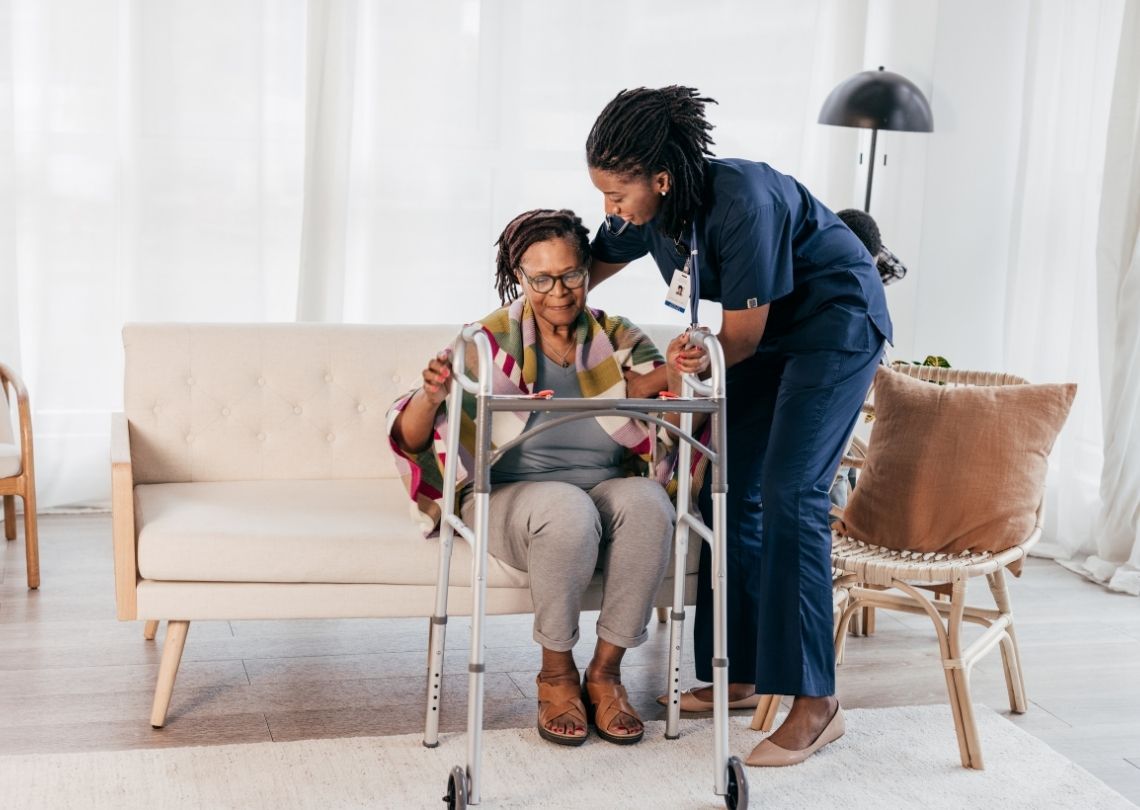
Limited mobility does not look the same for every senior. Some older adults may walk independently but become tired after standing for several minutes. Others may use a cane, walker, wheelchair, or other mobility aid. Some may have difficulty transferring between a chair and another surface, while others may have limited movement in their hands and arms.
Mobility limitations can result from many different circumstances, including age-related changes, injuries, recovery after surgery, neurological conditions, musculoskeletal problems, or general weakness. Regardless of the cause, the practical effect can be similar: everyday household activities may require more effort, more time, or additional assistance.
The kitchen can be particularly challenging.
Cooking often involves standing, reaching, bending, lifting, carrying, cutting, stirring, and moving between multiple surfaces. A senior who once prepared meals comfortably may eventually find these activities tiring or unsafe.
Even simple tasks can become difficult. Carrying a pot from the stove to the counter requires strength and balance. Removing food from an oven requires reaching and handling a hot object. Carrying a plate across a room can be challenging for someone using a walker.
For some seniors, these difficulties can gradually reduce how often they prepare meals. That can contribute to irregular eating habits or increased dependence on convenience foods.
Meal prep and feeding assistance can help remove some of these barriers.
Why Meal Preparation Can Be Difficult for Seniors With Limited Mobility
Grocery Shopping Can Be Physically Demanding
Meal preparation begins before the kitchen. Seniors must often plan meals, create shopping lists, travel to a grocery store or arrange delivery, select ingredients, transport groceries, and put them away.
For an older adult with limited mobility, each step may require significant effort.
Carrying grocery bags can be difficult. Walking through a large store may cause fatigue. Reaching for products on high or low shelves can present balance concerns. Loading groceries into a vehicle and unloading them at home can also be physically demanding.
When these tasks become difficult, seniors may shop less frequently or purchase fewer fresh ingredients.
Meal preparation assistance can reduce this burden by making sure meals are prepared without requiring the senior to complete every physically demanding step.
Standing in the Kitchen May Be Difficult
Many recipes require extended periods of standing.
A person may need to stand while washing vegetables, chopping ingredients, stirring food, monitoring a stovetop, or cleaning dishes. Seniors with reduced endurance may experience discomfort or fatigue during these activities.
A meal preparation service can handle many of these tasks while allowing the senior to remain seated or participate only in activities they can comfortably manage.
Carrying Food Can Create Safety Concerns
Moving meals from the kitchen to another room may seem simple, but it can be difficult for someone using a walker or wheelchair.
Carrying a plate while using a mobility aid can require awkward positioning. Hot liquids may be especially hazardous. Spills can also create slip risks.
Having meals prepared and positioned appropriately can help reduce these challenges.
How Meal Prep Supports Seniors With Limited Mobility
Provides Ready-to-Eat Meals
One of the most direct benefits of meal preparation assistance is access to meals that are already prepared.
Instead of spending substantial time shopping, chopping, cooking, and cleaning, the senior can focus on eating and enjoying the meal.
Prepared meals may be refrigerated, portioned, labeled, or otherwise organized according to the service arrangement. Some meals may be ready to eat, while others may require simple reheating.
This can be particularly helpful for seniors who have enough mobility to eat independently but cannot safely prepare meals.
Reduces the Need for Prolonged Standing
Meal preparation can shift physically demanding kitchen work away from the senior.
A person may still participate in meal selection, seasoning decisions, food preparation, or other manageable tasks if desired. However, they do not have to spend an extended period standing at the counter or stove.
This can make meals more accessible without eliminating the senior’s involvement.
Supports Consistent Eating Routines
Regular meal preparation can help establish predictable eating routines.
A senior may have breakfast, lunch, and dinner organized according to their normal schedule. Having food available can make it easier to avoid skipping meals simply because preparing food feels too difficult.
Consistent routines can be especially valuable for older adults who live alone or have difficulty remembering whether they have eaten.
Makes Portioning Easier
Meal preparation can also help organize reasonable portions.
Meals can be prepared according to the senior’s usual appetite and dietary requirements. Clearly portioned meals may make serving simpler and reduce the physical effort required to determine how much food to prepare.
Portioning should always be individualized, particularly when a senior has specific nutrition requirements or has been instructed by a qualified healthcare professional to follow a particular diet.
How Feeding Assistance Supports Seniors With Limited Mobility
Meal preparation and feeding assistance are related but different forms of support.
Meal prep focuses primarily on making food available. Feeding assistance focuses on helping the senior actually consume the food when physical limitations interfere with eating.
Assistance With Positioning
Proper positioning can make eating easier.
A senior may need help getting comfortably situated at a table, counter, or other appropriate eating surface. Someone with limited mobility may also need assistance positioning a plate, cup, or utensils within comfortable reach.
Small adjustments can make a significant difference in how independently a person can eat.
Assistance With Utensils
Some seniors have difficulty gripping forks, spoons, knives, or cups.
Feeding assistance may involve helping with utensils when needed. Depending on the person’s abilities, support might mean opening packaging, cutting food into manageable pieces, positioning utensils, or providing direct feeding assistance.
The appropriate level of support should depend on what the senior can safely accomplish independently.
Assistance With Containers and Packaging
Food packaging can create unexpected barriers.
Plastic seals, jars, containers, foil coverings, and other packaging may require grip strength that some seniors no longer have. A senior may be fully capable of eating independently but unable to open the meal container.
A caregiver or aide can help prepare the meal for consumption by opening containers and making food accessible.
Direct Feeding Assistance
Some seniors require more direct help with eating.
A trained caregiver may assist a senior who cannot independently bring food from the plate to the mouth. The caregiver should provide support in a respectful manner while allowing the individual to maintain as much participation and control as possible.
Feeding assistance should be performed according to the individual’s care needs and any applicable instructions from healthcare professionals.
Maintaining Independence While Providing Assistance
One important consideration is that assistance should not automatically mean doing everything for the senior.
Many older adults value independence and want to continue participating in everyday routines. Taking over tasks that a senior can safely perform may unintentionally reduce their sense of autonomy.
Encourage Safe Participation
If a senior can safely choose what they want to eat, they should be encouraged to participate in meal decisions.
If they can safely stir ingredients while seated, arrange a plate, hold a spoon, or pour a drink with appropriate support, those activities may allow them to remain involved.
The goal is to provide assistance where it is needed while preserving abilities that remain.
Adapt Tasks Rather Than Eliminate Them
Meal routines can often be adapted.
For example, a senior who cannot stand at a counter may still be able to prepare ingredients while seated. Someone who cannot carry a plate may be able to select where they want to eat. A person who cannot open a container may still be able to feed themselves once the container is opened.
These adaptations can promote dignity and independence.
Respect Personal Preferences
Seniors should have a voice in their meals whenever possible.
Preferences can include favorite foods, portion sizes, meal timing, cultural dishes, cooking styles, and foods they dislike. Respecting these preferences can make meal support feel like a personalized service rather than a routine imposed on the individual.
Nutrition Considerations for Seniors With Limited Mobility
Nutrition is a major reason meal preparation support can be valuable.
Older adults may have different nutritional needs compared with younger adults. Appetite may change, thirst may decrease, and certain dietary requirements may become more important.
Balanced Meals
Prepared meals can be designed around a balanced combination of foods.
Depending on individual needs, meals may include sources of protein, vegetables, fruits, whole grains, healthy fats, and appropriate fluids.
The exact nutritional approach should be individualized. Seniors with medical conditions or prescribed diets should follow guidance from their healthcare professionals.
Protein and Strength
Adequate protein is important for maintaining muscle and physical function.
Seniors with limited mobility may be particularly concerned about maintaining strength because muscle weakness can make movement even more difficult.
Meal preparation can make it easier to consistently include protein-rich foods such as eggs, poultry, fish, dairy products, beans, lentils, tofu, or other suitable options.
Hydration
Drinking enough fluids is also important.
A senior who has difficulty walking to the kitchen may not want to repeatedly get a glass of water. Placing beverages within safe reach and incorporating hydration into daily meal routines may help make drinking easier.
Individual fluid needs vary, so families should follow healthcare guidance when fluid restrictions or special requirements apply.
Adapting Meals for Seniors With Different Needs
Soft and Easy-to-Eat Foods
Some seniors may find certain foods physically challenging to chew or handle.
Meals can sometimes be adapted to include softer textures or smaller pieces when appropriate. Examples may include cooked vegetables, tender meats, soft grains, soups, stews, mashed foods, or other suitable preparations.
However, texture modifications should be based on individual needs and professional recommendations when swallowing difficulties are present.
Easy-to-Handle Foods
Foods can also be selected and prepared in ways that make them easier to manage.
Cutting food into manageable pieces, using appropriate containers, and placing frequently used items within reach can reduce physical barriers.
Dietary Preferences and Restrictions
Meal services may also accommodate preferences such as low-sodium meals, vegetarian choices, cultural foods, food allergies, or other dietary considerations.
However, families should clearly communicate dietary restrictions and verify that a service is equipped to meet specialized nutritional needs.
Improving Kitchen Safety
Meal preparation assistance can reduce the amount of time a senior spends handling potentially hazardous kitchen equipment.
Reducing Stove and Oven Use
Stoves, ovens, boiling liquids, and sharp utensils can create risks for individuals with limited strength or balance.
Having meals prepared in advance can reduce the need for frequent cooking and minimize exposure to these hazards.
Reducing Clutter and Carrying
Meal support can also help organize food preparation areas.
Keeping frequently used items accessible and reducing unnecessary movement can make the kitchen easier to navigate.
Preventing Spills
Carrying liquids or hot food can be difficult for seniors using mobility devices.
Assistance with transporting meals can help reduce spills and other hazards.
Emotional and Social Benefits of Meal Assistance
Food is more than nutrition.
Meals often provide opportunities for connection, routine, and enjoyment.
Reducing the Stress of Cooking
For seniors who find cooking physically exhausting, meal preparation can turn mealtime from a stressful responsibility into something they can anticipate.
Instead of worrying about how to prepare dinner, the seniors can focus on enjoying the meal.
Supporting Social Interaction
Meal assistance can also create opportunities for conversation.
A caregiver helping with meal preparation or feeding may provide companionship during a routine that might otherwise be completed alone.
For seniors who live by themselves, regular interaction can be an important part of maintaining social engagement.
Preserving Dignity
Respectful assistance can help seniors receive support without feeling that they have lost control over their lives.
Caregivers should communicate respectfully, ask before assisting, and allow the senior to make choices whenever possible.
Benefits for Family Caregivers
Meal preparation and feeding assistance do not only benefit seniors. They can also help family caregivers.
Reducing Caregiver Responsibilities
Family members may already be managing transportation, appointments, household chores, medications, communication, and other responsibilities.
Adding daily meal preparation and feeding support can become overwhelming.
Professional assistance can take some of these tasks off the family’s schedule.
Providing Peace of Mind
Families may worry when an older adult with limited mobility lives alone.
Knowing that someone is helping with meals can provide reassurance that food is available and that eating routines are receiving attention.
Supporting More Sustainable Caregiving
Caregiving can become difficult when one family member is expected to provide every form of assistance.
Outside support can create a more sustainable arrangement by sharing responsibilities.
Creating a Personalized Meal Assistance Routine
Every senior has different abilities and preferences, so a personalized routine is important.
Assess Mobility
Families should consider what the senior can and cannot safely do.
Questions may include:
- Can the senior walk to the kitchen?
- Can they stand for several minutes?
- Can they safely use a stove?
- Can they carry a plate?
- Can they open containers?
- Can they grip utensils?
- Can they sit comfortably during meals?
- Do they need assistance transferring to a chair?
Answers to these questions can help determine the appropriate level of support.
Assess Eating Abilities
Meal preparation alone may not solve every problem.
Families should determine whether the senior can independently eat once food is prepared. If not, feeding assistance may be necessary.
Consider the Senior’s Preferences
The senior should be involved in decisions about:
- Favorite foods
- Meal timing
- Portion preferences
- Cultural foods
- Foods they avoid
- Preferred dining locations
- Level of assistance
- How much independence they want to maintain
Personalization can improve acceptance of the service.
When Should Families Consider Meal Prep and Feeding Assistance?
Families may want to consider additional meal support when a senior regularly struggles with cooking or eating.
Warning signs may include frequently skipping meals, relying heavily on snacks because cooking is difficult, becoming exhausted after preparing food, having trouble carrying meals, or needing increasing assistance with utensils.
Other signs may include repeated difficulty opening food containers, leaving meals unfinished because eating is physically difficult, or expressing fear about using the kitchen.
These signs do not automatically mean professional services are required. They do indicate that the family’s current arrangement may need to be reassessed.
If there are concerns about unexplained weight changes, swallowing problems, dehydration, poor appetite, or other health issues, families should consult an appropriate healthcare professional.
Choosing a Meal Prep and Feeding Assistance Service
Not every service provides the same level of support.
Ask About Services Provided
Families should determine whether the provider offers:
- Meal planning
- Grocery assistance
- Meal preparation
- Food portioning
- Meal delivery or placement
- Kitchen cleanup
- Feeding assistance
- Assistance with utensils
- Packaging assistance
- Companionship during meals
Understanding exactly what is included helps families select appropriate support.
Ask About Caregiver Training
If feeding assistance is required, families should ask about caregiver qualifications and training.
Feeding can involve more than simply bringing food to someone’s mouth. Individual needs may involve positioning, communication, food texture, pace, and other considerations.
When a senior has swallowing concerns or other specialized needs, families should make sure the provider can appropriately follow professional care instructions.
Discuss Safety and Communication
Families should ask how the service handles emergencies, changes in the senior’s condition, dietary restrictions, and communication with family members.
Clear communication can help ensure that changes in eating habits or physical abilities are recognized.
How Meal Assistance Can Promote Aging in Place
Many seniors want to remain in their own homes for as long as possible.
Meal preparation and feeding assistance can support this goal by helping address one of the most basic daily needs: eating.
Instead of moving immediately to a more intensive living arrangement because cooking has become difficult, some seniors may be able to remain at home with appropriate support.
Meal assistance can be combined with other services, such as personal care, housekeeping, transportation assistance, or other forms of in-home support, depending on individual needs.
The appropriate care arrangement should be evaluated based on safety, health, functional ability, personal preferences, and available family support.
Building a Comfortable Mealtime Environment
The environment around meals can matter just as much as the food.
A senior may eat more comfortably when the dining area is organized, well-lit, and free of unnecessary obstacles.
Frequently used items should be accessible without requiring excessive reaching or bending. Chairs should provide appropriate support, and the eating surface should be positioned comfortably.
For wheelchair users or seniors with other mobility limitations, the dining setup should accommodate their mobility equipment.
Comfortable positioning can make eating less physically demanding.
The Importance of Patience During Feeding Assistance
Feeding assistance should never feel rushed.
Seniors may require additional time to chew, swallow, handle utensils, or communicate their preferences. A caregiver should pay attention to the individual’s pace rather than treating the meal as a task that must be completed as quickly as possible.
Patience also supports dignity.
The caregiver can explain what is being offered, ask what the senior would like, and provide choices whenever appropriate.
If a senior repeatedly has trouble chewing or swallowing, coughs during meals, or displays other concerning symptoms, the family should seek appropriate professional guidance rather than simply increasing feeding assistance.
Common Mistakes to Avoid
Doing Too Much
Caregivers may unintentionally take over tasks that a senior can still safely perform.
Providing unnecessary assistance can reduce independence. The better approach is to identify what the senior can do safely and provide help with the remaining tasks.
Ignoring Preferences
A nutritious meal is not necessarily a successful meal if the senior dislikes it.
Food preferences should be taken seriously because enjoyment can influence willingness to eat.
Focusing Only on Food Preparation
Meal support should consider the entire process.
A senior may have food available but still be unable to open the container, position the plate, transfer to the dining area, or use utensils.
Forgetting Hydration
Meals should be considered alongside the senior’s overall fluid routine when appropriate.
Families should pay attention to whether beverages are accessible and whether the senior is able to drink independently.
Treating Every Senior the Same
Mobility, nutrition, eating ability, preferences, and support requirements vary significantly.
A personalized plan is usually more effective than a one-size-fits-all approach.
Conclusion
Limited mobility can affect nearly every part of a senior’s daily routine, and meal preparation is often one of the areas where these challenges become especially noticeable. Shopping for ingredients, standing at the counter, handling cooking equipment, carrying meals, opening containers, and using utensils can all become difficult when strength, balance, endurance, or movement is limited.
Meal prep and feeding assistance can help bridge these gaps.
Prepared meals can reduce the physical demands of cooking while making nutritious food more consistently available. Feeding assistance can provide additional support for seniors who have difficulty positioning themselves, handling utensils, opening containers, or eating independently. Together, these services can make mealtimes safer, more comfortable, and less stressful.
Perhaps most importantly, effective meal assistance does not have to mean taking away independence. The best approach is to provide the right amount of help while allowing seniors to make choices and participate in tasks they can safely manage.
For families, meal preparation and feeding assistance can also reduce caregiving responsibilities and provide reassurance that an older loved one’s basic nutritional needs are being addressed.
Every senior has different abilities, preferences, and support requirements. A thoughtful assessment of mobility, eating ability, dietary needs, safety concerns, and personal preferences can help families create a meal support routine that promotes nutrition, dignity, comfort, and independence.
When designed around the individual, meal prep and feeding assistance can become much more than a practical service. They can be an important part of helping seniors enjoy their daily routines and continue living with greater confidence and quality of life.
Frequently Asked Questions
What is meal preparation assistance for seniors?
Meal preparation assistance involves helping an older adult plan, prepare, portion, organize, or serve meals. Depending on the service, assistance may also include grocery-related tasks, kitchen cleanup, or placing meals where the senior can safely access them.
What is feeding assistance?
Feeding assistance is support provided to a person who has difficulty eating independently. It may include positioning the person, preparing food and utensils, opening containers, cutting food, or providing direct assistance with feeding when necessary.
Can meal prep help a senior who uses a wheelchair?
Yes. Meal preparation can reduce the need for a wheelchair user to navigate the kitchen, stand at counters, carry food, or handle potentially difficult cooking tasks. Meals can be prepared and positioned so they are easier to access.
Does meal preparation mean the senior cannot cook anymore?
Not necessarily. Meal preparation services can be customized. A senior may continue participating in safe cooking activities while receiving assistance with tasks that have become physically difficult.
Can meals be customized?
Many meal preparation services can accommodate preferences and certain dietary requirements. Families should discuss allergies, food restrictions, cultural preferences, textures, and other needs with the provider before services begin.
How does meal assistance help family caregivers?
Meal assistance can reduce the amount of time family caregivers spend shopping, preparing food, serving meals, and helping with eating. This can make caregiving responsibilities more manageable.
Is feeding assistance appropriate for every senior with limited mobility?
No. Some seniors with limited mobility can eat independently once meals are prepared. Others may need help with utensils or packaging. A smaller group may require direct feeding assistance. The level of support should be based on individual abilities and needs.
Can meal prep support aging in place?
Meal preparation can be one component of an aging-in-place support plan. By addressing difficulties with cooking and accessing food, it may help some seniors remain at home safely for longer.
What if a senior has difficulty swallowing?
Swallowing difficulties require special attention. Families should consult an appropriate healthcare professional for evaluation and guidance. Caregivers should follow professional recommendations regarding food textures, positioning, and feeding practices.
How can families tell whether a senior needs more meal assistance?
Families can look for recurring difficulties such as skipped meals, inability to prepare food safely, problems carrying meals, trouble using utensils, or increasing dependence during mealtimes. Changes in appetite, hydration, weight, or swallowing should also be discussed with an appropriate healthcare professional.
Should seniors be involved in meal planning?
Yes, whenever possible. Involving seniors in meal choices can promote independence, respect personal preferences, and make meals more enjoyable.
Can feeding assistance preserve a senior’s dignity?
Yes. Respectful feeding assistance can preserve dignity when caregivers communicate clearly, provide choices, respect preferences, avoid rushing, and encourage the senior to perform any safe portions of the task independently.
What should families ask a meal assistance provider?
Families should ask what services are offered, how caregivers are trained, whether dietary preferences can be accommodated, how feeding assistance is handled, how changes in a senior’s condition are communicated, and what safety procedures are followed.
Support Better Nutrition And Independence With Meal Prep And Feeding Assistance At Home
Nutritious meals play an important role in helping seniors maintain their strength, energy, and overall well-being. But shopping, preparing meals, handling kitchen tasks, or eating independently can become more difficult with age, limited mobility, or changing health needs. Compassionate Meal Prep and Feeding Assistance can make daily mealtimes safer, easier, and more enjoyable while helping seniors continue living comfortably at home.
Meal Prep and Feeding Assistance from Serenity Family Homecare is tailored to each client’s routines, preferences, and level of independence. Our caregivers can help prepare meals, organize ingredients, serve food, assist with eating when needed, and provide friendly companionship during mealtimes. Every visit focuses on creating a comfortable experience while encouraging seniors to remain as involved and independent as possible.
With dependable mealtime support, seniors can enjoy more consistent meals, greater comfort, and less stress around daily nutrition. Families also gain peace of mind knowing their loved one has caring, reliable assistance when they need it most. Contact Serenity Family Homecare today to schedule an assessment and learn how our Meal Prep and Feeding Assistance services can help your loved one enjoy safer, more comfortable mealtimes at home.
Disclaimer
The information on this website is for general education only and should not be treated as medical, legal, or professional advice. Every family and health situation is different, so you should speak with a qualified healthcare provider or appropriate professional before making care decisions. Do not make changes to a care plan or rely on this content as a substitute for professional guidance. The information on this site may not reflect the most current medical standards or practices. Serenity Family Homecare is not responsible for any actions taken or not taken based on the material on this website.