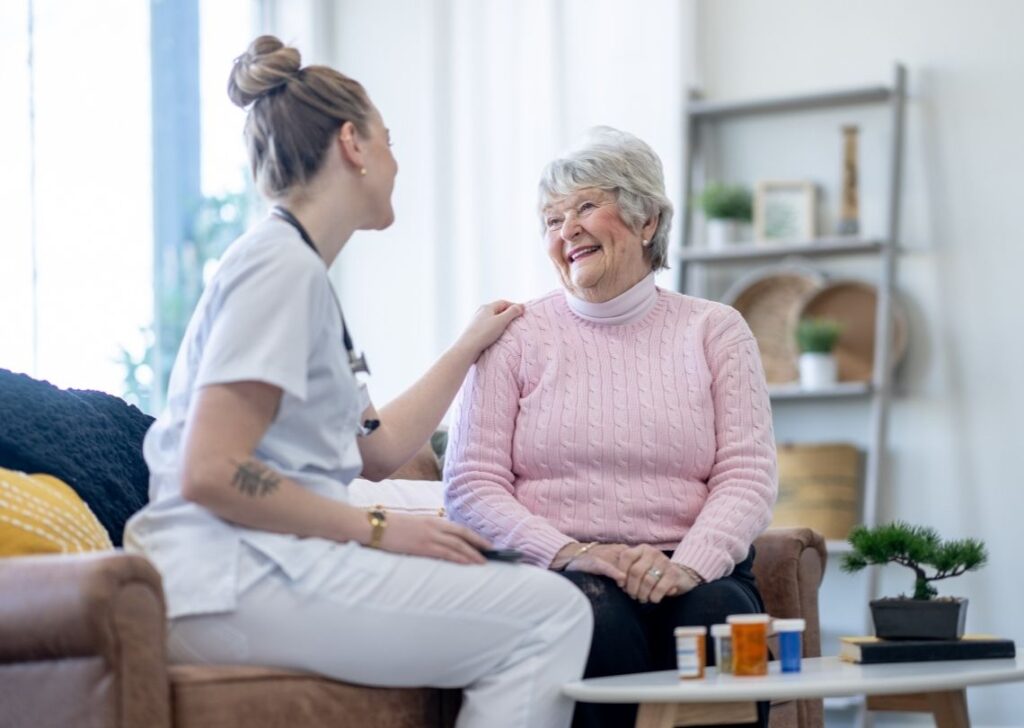
Aging after surgery or a hospital stay often brings a mix of physical limitations and emotional uncertainty. For many seniors, simple tasks such as standing up, walking to the bathroom, or reaching for objects can feel challenging. Without proper movement during recovery, stiffness, muscle loss, and balance issues can quickly develop, making long-term independence harder to regain.
This is where in-home mobility exercises become essential. Unlike structured clinical therapy sessions, these exercises take place in the comfort of home, making them more accessible and less intimidating. They focus on gentle, functional movements that mirror everyday activities—such as sitting, standing, stretching, and walking short distances.
Caregivers play a key role in guiding these exercises safely. They ensure proper technique, monitor fatigue levels, and encourage consistency without pushing the senior beyond safe limits. This support is especially important in the early stages of recovery when strength is still fragile.
In-home mobility routines are not just about physical rehabilitation—they are about rebuilding trust in one’s own body. After surgery or hospitalization, many seniors fear falling or re-injury. Carefully guided movement helps reduce this fear over time and promotes a gradual return to independence.
When done consistently and safely, these exercises can significantly improve recovery outcomes, reduce hospital readmission risks, and enhance overall quality of life.
Key Takeaways
- In-home mobility exercises help seniors regain strength and independence after surgery or hospital stays.
- These exercises reduce risks of stiffness, blood clots, and muscle weakness during recovery.
- Caregivers play an important role in ensuring safety, proper form, and consistency.
- Gentle, daily movement is more effective than occasional intense activity during early recovery.
- Exercises can be adapted based on the senior’s condition, mobility level, and medical guidance.
- Emotional benefits include improved confidence, reduced anxiety, and a greater sense of control.
- Home-based recovery encourages comfort and familiarity, which supports better healing outcomes.
How In-Home Mobility Exercises Help Restore Physical Function After Surgery
After surgery or a hospital stay, the body often goes through a temporary decline in strength, endurance, and overall mobility. This happens because of reduced physical activity, post-operative pain, inflammation, and sometimes medical restrictions that limit movement during early recovery. In this phase, in-home mobility exercises play a crucial role in helping the body safely transition back to normal function. These exercises are intentionally gentle, structured, and progressive, allowing recovery without placing unnecessary strain on healing tissues.
Restoring Joint Flexibility And Reducing Stiffness
One of the first challenges after surgery is joint stiffness. When a person remains inactive for days or weeks, synovial fluid circulation decreases, and connective tissues can tighten. This leads to discomfort when attempting to move. In-home mobility exercises focus on restoring smooth joint motion through controlled, low-impact movements.
Simple range-of-motion activities such as slow knee bends, shoulder circles, and assisted stretching help reintroduce movement without forcing the joint. Over time, these repeated gentle motions improve elasticity in surrounding muscles and ligaments. For seniors recovering from hip replacement, knee surgery, or spinal procedures, this gradual return of flexibility is essential for regaining independence in daily activities like walking, sitting, and standing.
Supporting Circulation And Preventing Post-Surgical Complications
Another critical benefit of in-home mobility exercises is improved blood circulation. After surgery, prolonged inactivity can slow down blood flow, which may increase the risk of swelling, discomfort, or even blood clots in more severe cases. Movement encourages oxygen-rich blood to reach healing tissues, supporting faster recovery.
Exercises such as ankle pumps, seated marching, and short assisted walks around the home help activate the circulatory system without overwhelming the body. Even small, frequent movements throughout the day can make a significant difference. Improved circulation not only reduces physical complications but also helps decrease fatigue and promotes overall healing efficiency.
Reactivating Muscles And Rebuilding Strength Safely
Muscle weakening can begin within days of inactivity, especially in older adults recovering from surgery. This condition, known as disuse atrophy, can make even basic movements feel challenging. In-home mobility exercises are designed to gradually wake up these dormant muscles and rebuild strength in a controlled way.
Movements such as chair-supported squats, light leg raises, and assisted standing exercises engage major muscle groups without placing excessive stress on surgical areas. The goal is not to build strength quickly but to re-establish functional movement patterns. Over time, this helps individuals regain the ability to perform essential tasks such as getting out of bed, using the restroom, or walking short distances safely.
Improving Balance And Restoring Confidence In Movement
Balance often becomes compromised after surgery or hospitalization, particularly in seniors. Weak muscles, reduced coordination, and fear of falling can all contribute to instability. In-home mobility exercises help retrain the body’s balance systems through slow, controlled practice.
Standing with caregiver support, shifting weight from one leg to another, and practicing gentle heel-to-toe movements are examples of exercises that rebuild stability. These activities not only strengthen physical coordination but also help restore confidence. Many individuals begin to move more freely once they feel secure in their ability to maintain balance.
The Role Of Caregivers In Ensuring Safe And Effective Recovery At Home
Caregivers play an essential role in post-surgical and post-hospital recovery, particularly when seniors are performing in-home mobility exercises. Recovery does not happen in isolation; it requires structure, supervision, and consistent support. While exercises are designed to restore strength and mobility, their effectiveness greatly depends on how safely and regularly they are performed. This is where caregivers become a vital part of the healing process, ensuring that progress is both steady and secure.
Creating A Safe Environment For Movement And Recovery
One of the most important responsibilities of caregivers is maintaining a safe physical environment. After surgery, seniors may experience temporary instability, reduced reaction time, or medication-related dizziness. These factors increase the risk of falls, especially during movement-based exercises.
Caregivers help reduce these risks by preparing a clean, clutter-free space where mobility exercises can be performed safely. They may remove loose rugs, ensure proper lighting, and arrange stable furniture for support. During exercise sessions, caregivers also provide physical assistance when needed, helping seniors transition between sitting, standing, or walking movements without strain. This proactive approach minimizes accidents and builds confidence in movement.
Supporting Proper Form And Exercise Technique
Correct technique is critical for effective rehabilitation. Even simple movements can place stress on healing muscles or joints if performed incorrectly. Caregivers help guide seniors through each exercise with attention to posture, alignment, and pacing.
For example, they may remind the senior to keep their back straight during seated exercises or ensure that weight is evenly distributed during standing movements. They also help regulate breathing patterns, encouraging slow and controlled breathing to prevent tension or fatigue. This hands-on guidance ensures that each exercise contributes positively to recovery rather than creating unnecessary strain or discomfort.
Monitoring Physical Limits And Preventing Overexertion
Recovery after surgery requires a careful balance between activity and rest. Too much movement too soon can lead to setbacks, while too little activity can slow healing. Caregivers play a key role in monitoring the senior’s physical response during exercises.
They observe signs of fatigue, discomfort, or pain and adjust activity levels accordingly. If a senior becomes tired, the caregiver may shorten the session, encourage rest, or shift to lighter movements. This real-time adjustment helps prevent overexertion and supports a safe, sustainable recovery pace. It also ensures that the senior remains comfortable and confident throughout the process.
Encouraging Consistency And Daily Participation
Consistency is one of the most important factors in successful rehabilitation, yet it is often one of the most difficult to maintain. Seniors recovering at home may forget exercises, feel unmotivated, or become discouraged by slow progress. Caregivers help address this challenge by creating structured daily routines.
They may schedule mobility exercises at specific times each day, such as morning stretching or evening walking sessions. This structure helps build habit and ensures that recovery activities are not skipped. Over time, repetition strengthens muscle memory and supports gradual improvement in mobility and endurance.
Providing Emotional Support And Motivation
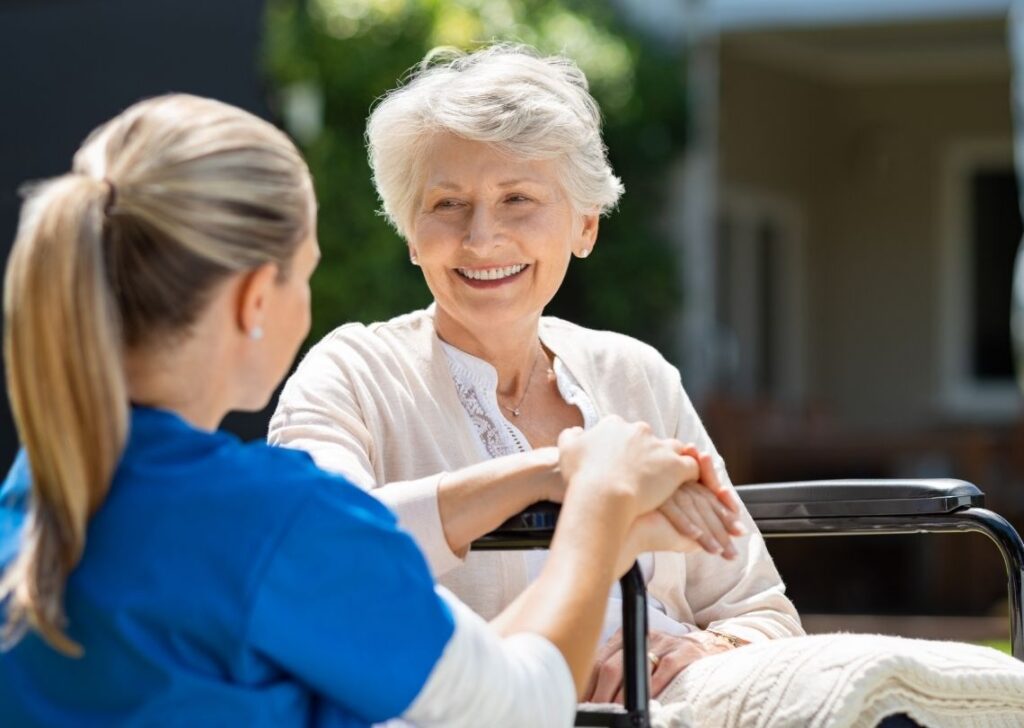
Recovery is not only a physical process but also an emotional one. Seniors may experience frustration, anxiety, or discouragement when progress feels slow. Caregivers offer reassurance and encouragement during these moments, helping maintain a positive mindset.
Simple words of support, patience during difficult exercises, and recognition of small improvements can significantly boost morale. This emotional support reduces stress and helps seniors stay engaged in their recovery journey. A motivated patient is far more likely to remain active and consistent with mobility exercises.
Bridging Medical Guidance And Daily Practice
Caregivers also serve as an important link between healthcare providers and home-based recovery. They help ensure that instructions from doctors or physical therapists are correctly followed during daily routines. This includes understanding exercise frequency, movement limitations, and safety precautions.
By translating medical guidance into practical, day-to-day actions, caregivers ensure continuity of care. This alignment between professional recommendations and home practice is essential for safe, effective, and long-term recovery success.
Recovery after surgery or hospitalization does not end when immediate symptoms improve. True rehabilitation focuses on rebuilding long-term strength, maintaining function, and preventing future decline. Consistent in-home mobility exercises are one of the most effective ways to achieve this sustained recovery. When performed regularly, these movements help the body adapt, strengthen, and maintain stability over time, supporting a higher level of independence in daily life.
Building Lasting Endurance And Functional Energy
One of the most noticeable long-term effects of consistent mobility exercises is improved endurance. After extended bed rest or reduced activity, seniors often experience significant fatigue even during simple tasks. This decrease in stamina can limit independence and increase reliance on others for basic activities.
Regular movement training gradually restores energy efficiency in the body. Simple routines such as repeated walking practice, seated leg exercises, or guided stretching help the cardiovascular system become more efficient over time. As endurance improves, everyday tasks like getting dressed, preparing meals, or walking short distances become less physically demanding. This gradual improvement supports a more active and self-sufficient lifestyle.
Protecting Joint Health And Maintaining Flexibility
Long-term joint function depends heavily on consistent movement. Without regular activity, joints can become stiff, inflamed, or restricted in range of motion, which may lead to chronic discomfort or long-term mobility limitations.
In-home mobility exercises help maintain synovial fluid circulation, which keeps joints lubricated and functioning smoothly. Activities such as gentle bending, rotation exercises, and low-impact stretching preserve flexibility and reduce stiffness over time. This ongoing joint care is especially important for seniors who have undergone orthopedic procedures or who are managing age-related degenerative conditions. Maintaining flexibility supports continued independence in movement and reduces the likelihood of long-term physical decline.
Reducing Fall Risk Through Improved Stability And Coordination
Falls remain one of the most significant risks for older adults, often leading to serious injury and loss of independence. Consistent mobility exercises directly address this concern by strengthening the muscles responsible for balance and improving neuromuscular coordination.
Practicing controlled standing exercises, weight shifting, and slow walking patterns helps the body develop better spatial awareness and reaction control. Over time, these improvements allow seniors to respond more effectively to uneven surfaces or sudden balance changes. This enhanced stability reduces the likelihood of falls and increases confidence when moving around the home or in community settings.
Supporting Brain Health And Emotional Well-Being
Physical movement has a strong connection to cognitive and emotional health. Regular mobility exercises increase blood flow and oxygen delivery to the brain, which can support sharper thinking, better concentration, and improved memory function.
In addition, physical activity stimulates the release of mood-enhancing chemicals that help reduce feelings of stress or isolation. Seniors who remain active often experience a greater sense of engagement with their surroundings and a more positive outlook during recovery. This mental and emotional stability plays an important role in overall well-being and long-term health outcomes.
Enhancing Confidence And Sustained Independence
Beyond physical improvements, consistent mobility exercises gradually restore a sense of self-reliance. Being able to move without constant assistance reinforces dignity and personal confidence. This renewed independence encourages seniors to participate more actively in daily routines and social interactions.
As physical capability improves, so does the willingness to engage in everyday life with less fear or hesitation. This psychological shift strengthens motivation to stay active, creating a positive cycle of continued movement and improvement.
Conclusion
In-home mobility exercises are a vital part of recovery for seniors after surgery or hospital stays. They support the body’s natural healing process by improving strength, flexibility, balance, and circulation, all within a safe and familiar environment.
With the guidance of caregivers, these exercises become even more effective and secure. Caregivers ensure proper technique, prevent injury, and provide the encouragement needed to stay consistent. This partnership between caregiver and senior creates a structured yet compassionate recovery process.
Beyond physical healing, mobility exercises also restore confidence and independence. Seniors regain trust in their ability to move safely, which plays a significant role in emotional well-being and long-term health outcomes.
Ultimately, recovery is not just about healing from a medical procedure—it is about rebuilding the ability to live comfortably and independently. In-home mobility exercises make that goal achievable, one small and steady movement at a time.
FAQ
1. When Should Seniors Start In-Home Mobility Exercises After Surgery?
This depends on the type of surgery and doctor’s instructions. In many cases, gentle movements begin within days of discharge, but always follow medical advice first.
2. Are In-Home Mobility Exercises Safe For All Seniors?
Yes, when properly guided and adapted to the individual’s condition. Caregivers and healthcare providers should ensure exercises match the senior’s recovery stage.
3. How Long Should Each Exercise Session Last?
Most sessions range from 10 to 30 minutes, depending on endurance levels. It’s better to have shorter, consistent sessions than long, exhausting ones.
4. What If A Senior Feels Pain During Exercises?
Mild discomfort can be normal, but sharp pain is not. If pain occurs, stop the activity and consult a healthcare provider before continuing.
5. Can Mobility Exercises Replace Physical Therapy?
No. They complement physical therapy but do not replace professional rehabilitation programs prescribed by healthcare providers.
How Companion Visits And Social Support Help Seniors Stay Connected At Home
Staying socially connected is an important part of healthy aging. Many older adults spend long stretches of time alone, especially when family members live far away or busy schedules make regular visits difficult. Over time, limited social interaction can lead to loneliness, reduced motivation, and a decline in emotional well-being. Seniors often benefit from consistent companionship that brings conversation, activity, and a sense of connection back into everyday life.
Companion Visits and Social Support from Serenity Family Homecare help seniors stay engaged, supported, and connected while remaining in the comfort of their own homes. Our caregivers provide friendly conversation, shared activities, light assistance with daily routines, and meaningful social interaction tailored to each person’s interests. Whether it’s enjoying a walk, playing games, sharing a meal, or simply spending time talking, these visits create moments of connection that brighten the day.
With regular companion visits in place, seniors maintain stronger emotional well-being and feel less isolated. Families gain peace of mind knowing their loved one has consistent social interaction and caring support. Contact Serenity Family Homecare today to schedule an assessment and learn how Companion Visits and Social Support can help your loved one stay connected and supported at home.
Disclaimer
The information on this website is for general education only and should not be treated as medical, legal, or professional advice. Every family and health situation is different, so you should speak with a qualified healthcare provider or appropriate professional before making care decisions. Do not make changes to a care plan or rely on this content as a substitute for professional guidance. The information on this site may not reflect the most current medical standards or practices. Serenity Family Homecare is not responsible for any actions taken or not taken based on the material on this website.