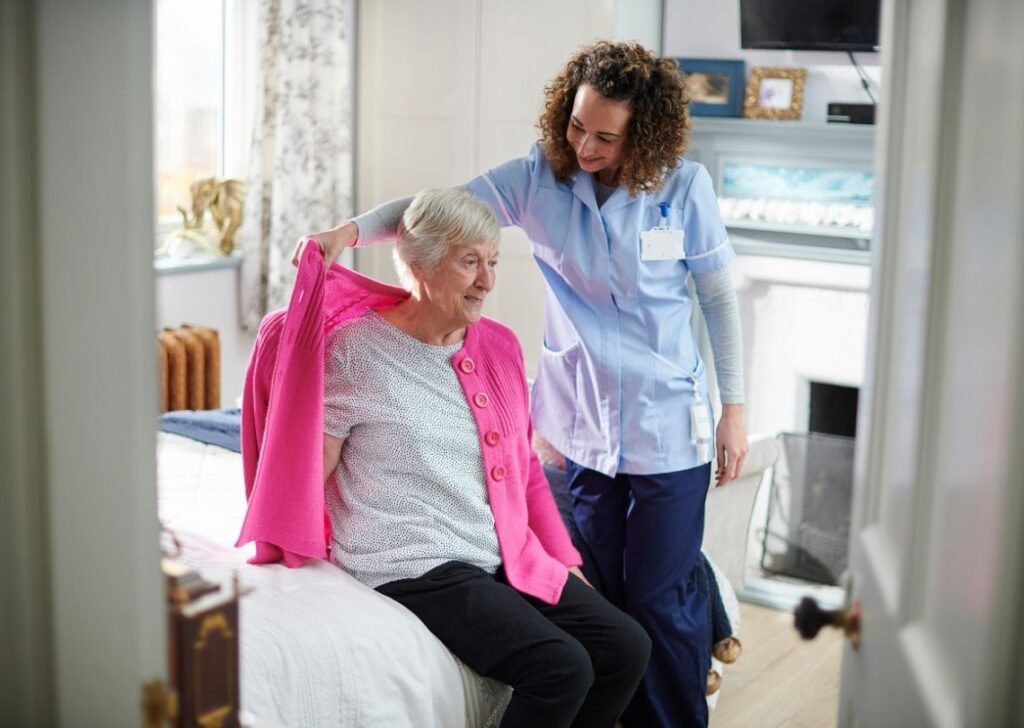
Recovering after a hospital stay can be a challenging transition for many older adults and individuals recovering from illness, surgery, or injury. While hospital treatment addresses immediate medical needs, the recovery process often continues long after discharge. Daily activities that once seemed routine—such as bathing, brushing teeth, washing hair, dressing, and personal grooming—may suddenly become difficult or even unsafe.
Many families focus on medication management, follow-up appointments, and physical therapy after a hospital stay. However, personal hygiene assistance is another critical component of recovery that is often overlooked. Help with bathing and grooming at home can play an important role in promoting safety, comfort, dignity, and overall healing during the recovery period.
Professional caregivers can provide practical assistance while encouraging independence whenever possible. Their support helps individuals maintain personal hygiene, reduce risks of injury, improve emotional well-being, and focus energy on recovery.
This article explores how help with bathing and grooming at home supports recovery after hospital stays and why many families consider it an essential part of post-hospital care.
Key Takeaways
- Recovery after hospitalization often limits a person’s ability to perform daily hygiene tasks safely.
- Bathing assistance helps reduce fall risks and prevent accidents during recovery.
- Proper grooming and hygiene can lower the risk of infections and skin complications.
- Personal care support promotes comfort, confidence, and emotional well-being.
- Caregivers can help individuals conserve energy for healing and rehabilitation.
- In-home bathing and grooming assistance allows individuals to recover in familiar surroundings.
- Personalized support can adapt as recovery progresses and independence improves.
- Families gain peace of mind knowing their loved one receives safe and consistent care.
Why Personal Hygiene Matters During Recovery
Good hygiene is more than simply staying clean.
Proper bathing and grooming support several aspects of physical and emotional health.
Preventing Infection
Regular hygiene helps remove:
- Dirt
- Sweat
- Bacteria
- Dead skin cells
Maintaining cleanliness can be especially important for individuals recovering from surgery or illness.
Supporting Skin Health
Prolonged bed rest or limited mobility can increase the risk of:
- Skin irritation
- Pressure injuries
- Dry skin
- Rashes
Routine bathing helps caregivers identify potential skin concerns before they become serious.
Promoting Comfort
Feeling clean can significantly improve comfort levels.
Simple activities such as washing hair, trimming nails, or shaving may help individuals feel more refreshed and positive throughout the recovery process.
Supporting Recovery After Surgery
Surgical recovery often comes with temporary limitations.
Mobility Restrictions
Many surgical procedures require patients to avoid certain movements.
Examples include:
- Bending
- Twisting
- Lifting
- Stretching
Bathing assistance helps individuals maintain hygiene without violating medical restrictions.
Protecting Surgical Sites
Caregivers can help ensure surgical areas remain clean and dry according to discharge instructions.
This assistance may support proper healing and reduce complications.
Reducing Physical Strain
Attempting to bathe independently can place unnecessary strain on recovering muscles and joints.
Professional assistance minimizes exertion and promotes safer recovery.
The Emotional Benefits of Grooming Support
Recovery involves emotional healing as well as physical healing.
Restoring Confidence
Hospital stays can leave individuals feeling vulnerable.
Maintaining personal appearance often helps restore a sense of normalcy.
Simple grooming activities such as:
- Hair care
- Shaving
- Oral care
- Dressing assistance
can boost confidence and self-esteem.
Supporting Mental Well-Being
Good hygiene may contribute to:
- Improved mood
- Reduced anxiety
- Greater comfort
- Increased motivation
Feeling clean often improves a person’s outlook during recovery.
Preserving Dignity
Many individuals feel embarrassed when they struggle with personal care tasks.
Professional caregivers provide respectful assistance that protects privacy and dignity.
Conserving Energy for Rehabilitation
Recovery frequently involves physical therapy, occupational therapy, and other rehabilitation activities.
Understanding Limited Energy Reserves
After illness or hospitalization, individuals may experience:
- Fatigue
- Shortness of breath
- Weakness
Energy becomes a valuable resource.
Prioritizing Recovery Goals
When caregivers assist with hygiene tasks, individuals can focus their energy on:
- Walking exercises
- Therapy appointments
- Strength-building activities
- Rest and healing
This balance can support a more productive recovery process.
Personalized Care for Different Recovery Needs
Every recovery journey is unique.
Recovery After Joint Replacement
Individuals recovering from hip or knee replacement may need help with:
- Transfers
- Lower body bathing
- Dressing
- Balance support
Recovery After Stroke
Stroke survivors may experience:
- Weakness on one side
- Coordination difficulties
- Reduced mobility
Caregivers adapt bathing routines to accommodate these challenges.
Recovery After Illness
Conditions such as pneumonia or severe infections can leave individuals fatigued for weeks.
Assistance helps maintain hygiene without overexertion.
Recovery After Injury
Broken bones and orthopedic injuries often limit movement.
Personal care support allows safe hygiene while healing progresses.
Encouraging Independence During Recovery
Providing assistance does not mean taking over every task.
Supporting What Individuals Can Do
Caregivers often encourage participation whenever possible.
For example, a recovering individual may:
- Wash their face independently
- Brush their teeth
- Manage parts of the bathing routine
while receiving help with more challenging activities.
Gradually Increasing Independence
As strength returns, caregivers can reduce assistance levels.
This gradual approach supports confidence and long-term independence.
The Role of Grooming in Social and Emotional Recovery
Recovery can sometimes feel isolating.
Encouraging Social Interaction
Individuals who feel clean and well-groomed may be more likely to:
- Welcome visitors
- Attend appointments
- Participate in activities
Maintaining Personal Identity
Appearance often plays an important role in self-image.
Continuing grooming routines helps individuals maintain a sense of identity during recovery.
Reducing Feelings of Dependency
Assistance that promotes participation rather than complete dependence can improve emotional well-being.
How Caregivers Identify Potential Concerns
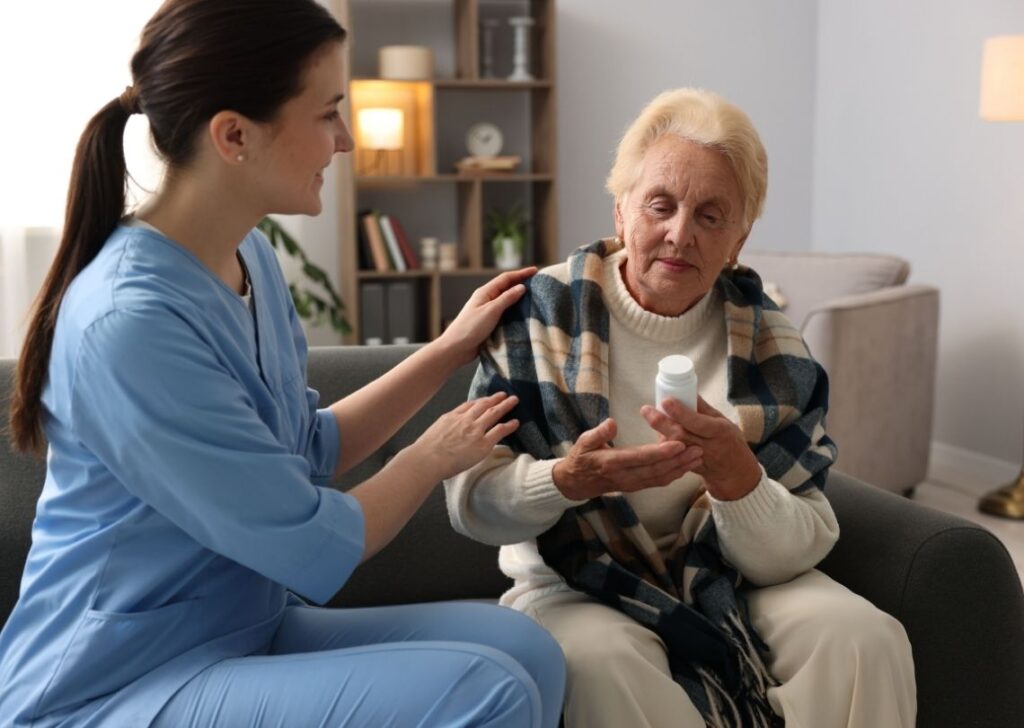
Bathing and grooming assistance involves much more than helping someone stay clean and comfortable. These personal care routines provide valuable opportunities for caregivers to observe an individual’s overall condition and identify potential concerns that may develop during the recovery process. Because caregivers often interact closely with clients on a regular basis, they may notice subtle changes that could otherwise go unnoticed.
Early identification of concerns can help families and healthcare providers address issues before they become more serious, supporting a safer and more effective recovery.
Monitoring Skin Changes
During bathing and grooming sessions, caregivers are often in a position to observe the condition of the skin. Changes in skin health can sometimes indicate developing problems that require attention.
Caregivers may notice signs such as:
- Redness
- Irritation
- Dry or flaky skin
- Pressure areas
- Bruising
- Swelling
- Rashes
- Changes in wound appearance
Individuals recovering from surgery, illness, or extended bed rest may be particularly vulnerable to skin-related issues. Identifying these concerns early may help prevent discomfort and reduce the risk of complications.
Observing Mobility Changes
Bathing often requires movement, balance, and coordination, making it an ideal opportunity to assess how recovery is progressing. As caregivers assist with transfers, walking, standing, or changing positions, they may observe changes in physical abilities.
Signs that may warrant attention include:
- Increased weakness
- Difficulty standing
- Reduced endurance
- Balance problems
- Slower movement
- New discomfort or pain
- Increased reliance on assistance
- Difficulty completing routine tasks
These observations can help families determine whether additional support, medical evaluation, or adjustments to the recovery plan may be necessary.
Recognizing Changes in Energy and Endurance
Recovery after a hospital stay often involves fluctuations in energy levels. Caregivers may notice when an individual becomes unusually fatigued during activities that were previously manageable.
Potential concerns may include:
- Excessive tiredness
- Shortness of breath
- Difficulty completing bathing routines
- Frequent need for rest breaks
- Reduced participation in personal care
Tracking these changes over time can provide valuable insight into the individual’s recovery progress.
Identifying Emotional and Behavioral Changes
Personal care visits also allow caregivers to observe emotional well-being. Recovery can sometimes lead to frustration, anxiety, sadness, or reduced confidence.
Caregivers may notice:
- Withdrawal from activities
- Increased irritability
- Changes in mood
- Lack of motivation
- Signs of confusion
- Reluctance to participate in personal care
Recognizing these changes can help families provide additional emotional support and seek professional guidance when appropriate.
Communication With Families and Healthcare Providers
One of the most valuable aspects of professional caregiving is ongoing communication. Caregivers can share relevant observations with family members and healthcare providers when appropriate and within the scope of their responsibilities.
This communication may include updates about:
- Changes in mobility
- Skin concerns
- Hygiene challenges
- Safety risks
- Emotional well-being
- Overall recovery progress
By keeping families informed, caregivers help create a collaborative approach to care that supports the individual’s recovery goals.
Supporting Better Recovery Outcomes
The regular interaction that occurs during bathing and grooming assistance provides an additional layer of observation that can be highly beneficial during recovery. While caregivers do not diagnose medical conditions, their ability to recognize and report changes can help ensure concerns are addressed promptly.
This ongoing monitoring supports safer recovery, encourages timely intervention when needed, and helps families feel more confident that their loved one is receiving attentive, comprehensive care at home. Through careful observation and communication, caregivers play an important role in supporting both the health and well-being of individuals recovering after hospital stays.
Creating a Comfortable Recovery Environment at Home
Recovering at home offers many advantages that hospitals, rehabilitation centers, and other care facilities may not always be able to provide. While medical treatment is essential during hospitalization, returning home often marks an important step toward regaining independence and normalcy. A comfortable and familiar environment can positively influence both physical and emotional recovery.
Help with bathing and grooming at home becomes even more valuable when combined with the comfort and security of familiar surroundings. Individuals can receive the support they need while remaining in a place that feels safe and reassuring.
Familiar Surroundings
Many people feel more relaxed and confident when recovering in their own homes. Familiar environments can help reduce feelings of uncertainty that sometimes accompany hospitalization and rehabilitation stays.
Being surrounded by personal belongings, favorite furniture, family photographs, and familiar routines can create a sense of stability during recovery. This familiarity may help reduce stress and anxiety while promoting emotional well-being.
For older adults especially, remaining in a known environment can help maintain orientation and comfort, making the recovery process less overwhelming.
Personalized Routines
Hospitals and rehabilitation facilities often follow structured schedules that may not align with an individual’s preferences. At home, personal care routines can be customized to fit the person’s lifestyle and comfort level.
Caregivers can adapt support based on:
- Preferred bathing times
- Personal grooming habits
- Cultural preferences
- Daily activity schedules
- Energy levels throughout the day
- Individual comfort needs
This flexibility allows individuals to maintain a sense of control over their daily lives while receiving the assistance they need.
Greater Comfort
Home recovery often provides a level of comfort that institutional settings cannot fully replicate. Individuals can rest in their own beds, enjoy familiar meals, and spend time with loved ones in a relaxed environment.
Receiving bathing and grooming assistance at home also allows for greater privacy and dignity. Care can be delivered at a pace that matches the individual’s recovery needs without the interruptions that may occur in busy healthcare settings.
Additionally, remaining at home enables individuals to maintain as much independence as possible. Caregivers can provide support where needed while encouraging participation in daily activities, helping individuals regain confidence as their strength returns.
Supporting Physical and Emotional Healing
Comfortable surroundings can contribute to overall recovery by reducing emotional stress and creating a more positive healing environment. When individuals feel safe, respected, and comfortable, they may be more motivated to participate in rehabilitation activities, maintain personal hygiene routines, and focus on their recovery goals.
Combined with professional bathing and grooming support, a comfortable home environment can help create the ideal setting for a smoother, safer, and more successful recovery after a hospital stay.
Choosing the Right Bathing and Grooming Support
Selecting the right bathing and grooming support can make a significant difference in a person’s recovery after a hospital stay. Every individual has unique physical abilities, medical needs, and personal preferences, so families should carefully evaluate available care options before making a decision. Choosing appropriate support helps ensure safety, comfort, and dignity while promoting a smoother recovery process.
Assess Recovery Needs
Before arranging care, families should consider the individual’s current condition and level of independence. Recovery needs can vary greatly depending on the reason for hospitalization, overall health, and mobility level.
Important factors to evaluate include:
- Mobility limitations
- Fall risks
- Medical restrictions
- Energy levels
- Balance and coordination challenges
- Pain levels
- Ability to perform personal hygiene tasks independently
Understanding these needs helps determine the amount and type of assistance required. Some individuals may need only occasional support, while others may require hands-on help with most aspects of bathing and grooming.
Verify Caregiver Training
Not all caregivers have the same level of experience or training. Families should look for caregivers who are knowledgeable about assisting individuals recovering from illness, surgery, or injury.
Look for caregivers experienced in:
- Personal care assistance
- Safe transfers and mobility support
- Fall prevention techniques
- Post-hospital recovery support
- Proper hygiene practices
- Recognizing changes in physical condition
- Maintaining dignity and privacy during personal care
Qualified caregivers understand how to provide assistance safely while encouraging as much independence as possible.
Develop a Flexible Care Plan
Recovery is rarely a straight-line process. Some individuals regain strength quickly, while others may require ongoing support for a longer period. For this reason, it is important to create a care plan that can adapt as needs change.
A flexible care plan should:
- Address current recovery challenges
- Include personal hygiene goals
- Support rehabilitation efforts
- Be adjusted as strength and mobility improve
- Encourage increasing independence when appropriate
- Account for follow-up medical recommendations
As recovery progresses, the level of assistance may decrease, allowing the individual to take on more responsibilities independently. This gradual transition can help rebuild confidence while ensuring continued safety throughout the recovery journey.
By carefully assessing recovery needs, verifying caregiver qualifications, and developing a personalized care plan, families can help ensure their loved one receives the right level of bathing and grooming support during the healing process.
Signs a Loved One May Need Bathing Assistance After Hospital Discharge
Families should watch for signs such as:
- Skipping showers
- Fear of bathing
- Difficulty standing
- Fatigue after bathing
- Unsteady walking
- Poor grooming habits
- Trouble reaching certain areas
- Increased risk of falls
Early support can prevent complications and improve recovery experiences.
Conclusion
Recovering after a hospital stay often involves much more than attending follow-up appointments and taking prescribed medications. Everyday activities that once seemed simple can become physically demanding, emotionally frustrating, and potentially dangerous. Bathing and grooming are among the most important yet commonly overlooked aspects of successful recovery.
Help with bathing and grooming at home provides practical support that addresses both physical and emotional recovery needs. Safe assistance can reduce fall risks, conserve valuable energy, support proper hygiene, and help prevent complications such as skin problems and infections. At the same time, maintaining personal cleanliness and appearance can boost confidence, preserve dignity, and promote a sense of normalcy during a challenging period.
Professional caregivers also offer valuable observation opportunities. During personal care routines, they may identify changes in mobility, skin condition, or overall health that could require attention. This additional layer of support can contribute to a safer and more effective recovery process.
For family members, personal care assistance can reduce stress and physical demands while providing reassurance that their loved one is receiving appropriate support. Instead of struggling with difficult bathing tasks, families can focus on spending quality time together and encouraging recovery.
Perhaps most importantly, bathing and grooming assistance can be tailored to each individual’s needs. Whether recovering from surgery, illness, injury, or a lengthy hospitalization, support can be adjusted as strength and independence return. This personalized approach helps individuals remain active participants in their recovery journey while receiving the help they need.
As healthcare continues to emphasize recovery at home whenever possible, personal care services remain an important resource. By promoting safety, comfort, dignity, and independence, help with bathing and grooming at home can play a meaningful role in supporting successful recovery after hospital stays and helping individuals regain confidence in their daily lives.
Frequently Asked Questions
Why is bathing assistance important after a hospital stay?
Bathing assistance helps reduce fall risks, supports hygiene, conserves energy, and promotes comfort while individuals recover from illness, surgery, or injury.
Can bathing assistance help prevent infections?
Yes. Proper hygiene helps remove bacteria, sweat, and contaminants that may contribute to skin problems or infections during recovery.
Who commonly benefits from bathing and grooming assistance after hospitalization?
Individuals recovering from surgery, stroke, injuries, severe illness, joint replacement procedures, or extended hospital stays often benefit from personal care support.
Does receiving help with bathing reduce independence?
Not necessarily. Many caregivers encourage individuals to participate in tasks they can safely perform while assisting only with activities that present challenges.
How can caregivers help reduce fall risks during bathing?
Caregivers assist with transfers, balance support, safe positioning, and proper use of adaptive equipment to reduce accidents in the bathroom.
Can bathing assistance be temporary?
Yes. Many people use personal care services only during the recovery period and gradually reduce assistance as they regain strength and independence.
What grooming services are typically included?
Services may include hair care, oral hygiene assistance, shaving, nail care, dressing assistance, and other personal grooming tasks.
How do families know when bathing assistance is needed?
Warning signs include fear of bathing, fatigue after personal care, mobility challenges, poor hygiene, skipped showers, and increased fall risk.
Does home-based personal care support emotional recovery?
Yes. Maintaining personal hygiene and appearance often improves confidence, comfort, dignity, and overall emotional well-being during recovery.
Can bathing and grooming assistance be customized?
Absolutely. Care plans are typically tailored to the individual’s medical condition, mobility level, preferences, and recovery goals.
Restore Comfort, Confidence, And Dignity With Help With Bathing And Grooming At Home
Personal care routines are about more than staying clean. They help seniors feel confident, comfortable, and ready to enjoy each day. As mobility, balance, or health challenges make bathing and grooming more difficult, these everyday tasks can become stressful or even unsafe. Having compassionate assistance allows seniors to maintain their independence while receiving the support they need in the privacy of their own home.
Help With Bathing and Grooming at Home from Serenity Family Homecare provides respectful, personalized care tailored to each client’s needs and preferences. Our caregivers assist with bathing, hair care, shaving, oral hygiene, dressing, and other personal care routines while encouraging independence whenever possible. Every visit is centered on safety, dignity, and making daily routines easier and more comfortable.
With trusted personal care support, seniors can enjoy better hygiene, greater confidence, and a reduced risk of slips and falls. Families gain peace of mind knowing their loved one is receiving compassionate, professional care from experienced caregivers. Contact Serenity Family Homecare today to schedule an assessment and learn how our Help With Bathing and Grooming at Home services can help your loved one live safely, comfortably, and confidently at home.
Disclaimer
The information on this website is for general education only and should not be treated as medical, legal, or professional advice. Every family and health situation is different, so you should speak with a qualified healthcare provider or appropriate professional before making care decisions. Do not make changes to a care plan or rely on this content as a substitute for professional guidance. The information on this site may not reflect the most current medical standards or practices. Serenity Family Homecare is not responsible for any actions taken or not taken based on the material on this website.