What families should look for in an in-home caregiver for daily living help is clear: reliable skills, safety focus, and good communication. Seek transparent background screenings, current certifications, and references that verify reliability and timeliness. Observe how the caregiver interacts with the client and family, whether they adhere to care plans, and if they report changes in health or mood. Think about cultural fit, language needs, and whether the caregiver can assist with daily living support such as meals, hygiene, and light housekeeping. The remainder of this guide provides questions, red flags, and hiring steps in actionable guidance.
Key Takeaways
- Identify objective declines in activities of daily living like difficulty bathing, dressing, or making meals, frequent falls, missed medications, or caregiver burnout to know when to bring in in-home support. Evaluate these signs without bias and record instances to inform the care plan.
- For in-home care and daily living assistance, seek caregivers who exhibit professionalism through confirmed ADL experience, current CPR and first aid certification, condition-specific experience, and a detailed services list. Ask for certifications, references, and direct demonstrations when you can.
- Pick caregivers with solid emotional intelligence and communication skills who exhibit patience, empathy, and active listening. They should provide frequent, transparent check-ins with family and the healthcare team. Set an initial trial period and regular feedback checkpoints to verify fit.
- Ensure personal trustworthiness and safety consciousness by confirming background screening, pattern of attendance, emergency backup plan, familiarity with specific issues like fall prevention and medication management, and documented crisis examples. Demand written confidentiality and punctuality policies.
- Agency versus independent hire, consider vetting, training, insurance, ease of replacement, and administrative burden. Decide based on risk tolerance, budget, and need for administrative support. Make a straightforward pros and cons list prior to signing up.
- Prepare your loved one for success with a specific care plan, clear expectations, scheduled check-ins, and a safe, ready home space. Consider your financial options such as long-term care insurance, veterans’ benefits, and transparent fee structures to prevent unexpected costs.
When Is It Time?
Determining the right time to introduce an in-home caregiver begins with obvious, noticeable shifts in day-to-day living coupled with a serene evaluation of needs, hazards, and family resources. One of the first signs is difficulty with ADLs. If someone starts having difficulty bathing, dressing, eating, toileting, grooming, or basic mobility, that difficulty is a pragmatic indicator that assistance is likely justified. A couple of hours a day or a couple of times a week may be sufficient initially, letting you get used to it gradually while maintaining liberty.
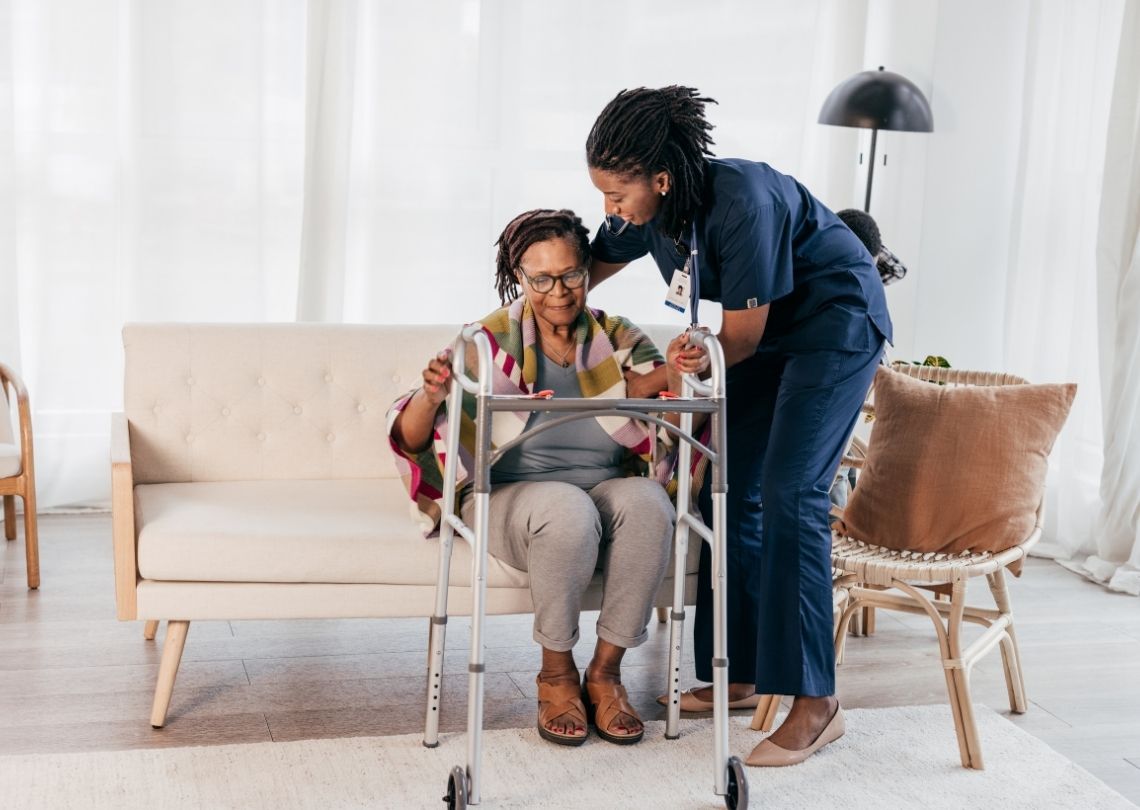
Be on the lookout for safety concerns related to mobility and balance. Fresh or increased falls, shuffling gait, difficulty getting up from chairs, or dreading stairs all make injury more likely. Even tiny changes in speed or steadiness mean supervision or hands-on help will catch a fall. Examples include help transferring from bed to chair, steadying during showers, or making short home modifications like grab bars and slip-resistant mats paired with caregiver support.
Pay attention to shifts in memory, decision-making, and managing routines. Being more forgetful, missing meds, getting confused about appointments, or leaving appliances on are not just frustrating, but they are actually dangerous. Some seniors require assistance with personal care, medications, and meals. Others require managed support for deep dementia. Medication management, meal timing, and kitchen supervision are tangible responsibilities that caregivers can take on to minimize risk.
Watch the family system: caregiver burnout and stress matter. When family members miss work, lose sleep, or sacrifice personal time to care, the situation can’t last. Your freedom and dignity don’t mean others must give up their lives. If friction escalates, the unpaid caregiver’s health drops, or the care suffers, bringing in professional in-home assistance is a smart decision.
Qualify the level of care needed and reassess frequently. Begin with light assistance, company, meals, medication reminders, and scale up to personal care or dementia-specific care if needed. Track missed therapies, falls, or medication errors to make your case for more hours. If movement or thinking deteriorates, consider full daytime support or expert evaluation.
What To Look For In A Caregiver
Families need a short rubric to evaluate applicants against logistics, safety, and personal compatibility prior to hire. The headings below break that framework into tangible criteria so you can evaluate applicants and pair the right person with the care plan.
1. Professional Competence
Verify practical skills for ADLs: bathing, grooming, toileting, dressing, and safe transfers. Inquire about their hands-on experience. If the caregiver aids with mobility, do they use a gait belt, transfer board, or mechanical lift? Ask to see copies of recent CPR and first aid certification and any specialized elder care or dementia training. Investigate experience with chronic conditions common among seniors, like diabetes, heart failure, COPD, or Parkinson’s. Inquire how they track symptoms and when they escalate concerns to clinicians. Request a services menu, including meal prep, light housekeeping, medication reminders, and wound care, and mark the tasks they won’t do. A dependable caretaker is punctual, adheres to the care schedule, and provides steady assistance, which should be reflected in references and previous position statements.
2. Emotional Intelligence
Observe interaction throughout a trial visit. Are they patient when the care recipient asks the same question over and over? Do they spark tender engagement, such as gentle conversation or moments of joy like music, photos, or easy games? Seek out caregivers who show empathy but don’t overstep boundaries. Respecting personal space is essential to maintain autonomy. Inquire about previous instances of mood swings or agitation and their reactions. A trusted caregiver who can be calm in stressful moments alleviates the family’s anxiety and creates better care continuity.
3. Communication Style
Verify accuracy in verbal responses and written remarks. Make sure they are open to sending you daily logs, incident reports, and quick phone texts for changes. They must listen to the senior’s desires and family’s directions. Good communication means prompt outreach to physicians. Have them describe a situation where they communicated a clinical observation or complied with a nurse’s order. Families appreciate caregivers who communicate with them and who respond quickly to inquiries.
4. Personal Reliability
Request attendance records and references that verify punctuality. Talk about emergency backup agency coverage or a named substitute. Require explicit guidelines regarding confidentiality and privacy. Trustworthiness, dependability, and responsiveness to family concerns are all nonnegotiable.
5. Safety Awareness
Specifically, how knowledgeable they are about fall prevention, home safety checks, and safe medication handling. Ask for examples of safety issues they’ve resolved or incidents they reported. Ask about nurse availability and the experience of the staff. What to look for in a caregiver.
Agency Or Independent Hire?
The decision between an agency and an independent hire begins with obvious trade-offs in vetting, training, liability, and daily management. Agencies will usually do background checks, verify qualifications, and provide documented training programs, which provides families with an element of quality control and compliance. Agencies tend to have liability and workers’ compensation insurance, and they generally deal with payroll, taxes, and scheduling, alleviating administrative hassle. Independent hires demand more hands-on work from the family: verify references, request checks, confirm skills, and draft a written contract that defines duties, hours, pay, and benefits. Consider having that contract reviewed by an attorney.
Agencies typically have a reserve of pre-vetted nannies, so they can replace a nanny who is ill or quits quite rapidly. They can offer access to niche expertise, dementia, wound care, or ambulatory support, since they align client requirements with employee qualifications. Freelance hires are often more flexible on timing and cost. A nanny hired directly might more easily agree to flexible shifts, overnights, or holidays, and families can personally negotiate pay and responsibilities. It can take longer to replace an independent caregiver since sourcing, interviewing, and onboarding are up to the family.
Compare the factors side by side:
- Pros of agency include background checks done, documented training, insurance coverage, payroll handled, fast replacement, and access to specialized caregivers.
- Cons of agency include higher hourly cost, less direct control over who is assigned, possible agency scheduling rules, and potential regulatory requirements depending on locale.
- Pros of independent hire include lower hourly cost, direct control over hire, flexible scheduling including nights and holidays, and a closer personal match possible.
- Cons of independent hire include the family handling payroll, taxes, benefits, and workers’ comp. There is slower replacement, a need for a formal contract and legal review, and more vetting work.
Where laws apply, check local regulations: some jurisdictions require agency use or impose employer obligations on families who hire directly. How to proceed: if time and legal handling are limited, prioritize an agency. If budget and direct control matter more and you can manage payroll and risk, vet an independent hire thoroughly and use a clear written agreement.
The Unseen Qualities Of Care
A window to the invisible attributes guides families to select a care provider who transcends the operational. These characteristics form life, create security, and maintain the individual’s identity. Here are fundamental, actionable qualities to look out for, with specific examples and behaviors families can try or inquire about.
Value Intuition In Anticipating Needs Before They Become Problems.
Intuition in this context means observing subtle changes in attitude, stride, or hunger and intervening before it’s too late. A caregiver who notices a softer-than-usual voice and provides a warm drink or sits to talk may stave off an extended low mood. You can test this by asking candidates how they observed and responded to a subtle shift in a previous client. Look for specific examples: they checked medication timing after seeing repeated yawns, adjusted meal textures when chewing seemed slower, or suggested a light walk when restlessness rose. These specific actions demonstrate actionable vision, not fuzzy assertions.
Recognize The Importance Of A Positive Attitude And Encouragement.
An easy, optimistic voice can inspire a daily schedule, getting dressed, showering, or mild physical therapy. Inspire candidates to talk about how they dole out rewards or fragment tasks into micro-victories, “You rocked that shirt” or “Two steps at a time.” Good wording decreases friction and constructs habit. Non-verbal cues such as smiles, consistent eye contact, or a comforting touch bolster words and make the individual feel acknowledged. Request role-play during the interview to witness encouragement firsthand.
Appreciate Adaptability To Changing Health Or Emotional States.
Health and disposition fluctuate. A great caregiver takes a deep breath, remains calm and patient, reshuffles the schedule, and checks in with family or clinicians. Ask for examples where routines changed: adjusting mealtimes after a poor night’s sleep or switching activities when pain rose. Agility encompasses rapid acquisition of new assistive devices or adherence to modified care routines. This capacity to pivot makes days go smoother and saves everyone’s sanity.
Seek Out Caregivers Who Foster Dignity And Respect In Every Interaction.
Respect reveals itself in preserving privacy, describing procedures before care, and handling the home and possessions with care. A caregiver who seeks permission before touching you, folds a sweater carefully, and lends a trusting ear. Compassion and empathy create companionship, slaying loneliness and making the day more secure and gentle.
How To Set Up For Success
Begin with a short context: a clear setup cuts risk and helps the caregiver match the care needed. A reasonable beginning minimizes resistance and maintains momentum in real life.
Develop an intricate care plan that describes all daily patterns, likes, and special requirements. Create a daily schedule that includes bathing, dressing, meals, medications, assistance with walking, and naps. Pay attention to preferences, such as morning coffee first, evening quiet time, and any dietary rules or cultural food requirements. Add special needs, including wound care steps, fall history, mobility limits, and how to use assistive devices. Show critical tasks to the care provider, and they should see how to use the walker, transfer from bed to chair, and set up the shower chair. Include a simple long-term plan that addresses probable shifting needs and who to contact for medical updates.
Set up for success. Define the caregiver’s work schedule in writing: exact hours, days of work, break times, overtime rules, and on-call duties. State duties clearly: meal prep, medication reminders, toileting help, light housekeeping, or specialized tasks like PEG feeding. Enumerate what is out of scope. Establish a preferred method for addressing problems, such as short daily messages, a shared app, or phone calls, and assign the primary point of contact for decisions. Be transparent with pay, days off, and emergency backup so both parties understand the boundaries.
We’ll schedule check-ins to track progress and concerns. Schedule a daily review for the first week, then weekly for the first month, and then monthly. Follow check-ins to see where needs are being met, where they aren’t, where personal preferences are being respected, and where they’re not, and to fine-tune routines or training. Track clinical things such as medication compliance and wound status, and update the care plan following medical visits.
- Numbered checklist to prepare the home:
- Clear pathways, remove rugs that slip.
- Install grab bars at toilet and shower.
- Place night lights and label switches.
- Keep mobility aids within reach and charged.
- Store meds in a lockbox with a list.
- Create a chair-to-bed transfer space.
- Set up a simple meal station for easy prep.
Navigating The Financial Aspect
Families need a transparent line of sight on expenses when bringing an in-home caregiver on board. Begin by figuring out how much care will cost, including hourly rates, overtime, and additional fees. Factor in base hourly pay, anticipated weekly hours, and standard overtime regulations. Include add-ons for nights, weekends, travel, and specialized training like dementia or medication. Factor in employer-side costs if hiring directly, such as payroll taxes, insurance, background checks, and paid leave. For example, a caregiver at 15 currency units per hour who works 30 hours weekly becomes 450 units per week. Add 10 to 20 percent for taxes and insurance and another 5 to 10 percent for supplies or mileage to get a realistic monthly figure.
Families should look into funding sources like long-term care insurance or veterans’ benefits. Check policy specifics: daily benefit caps, elimination periods, and whether in-home care is covered. Veterans’ Aid and Attendance can assist veterans and spouses with in-home support. Verify eligibility and documents. On the public side, this could be means-tested cash benefits or respite grants. Private options are reverse mortgages, home equity lines, or family cost-sharing. Consider part-time agency care and family hours to save a bundle without the discontinuity.
Ask for a clear description of all fees and payment terms. To navigate the financial aspect, request that providers provide an itemized contract that includes hourly rates, overtime rates, billing cycles, cancellation fees, and supplies. Push for written payroll and invoicing, and get receipts for payments.
Get in the habit of going over invoices on a monthly basis and cross-checking them against timesheets and digital logs.
Funding Options For Caregiver Services
- Long-term care insurance pays daily or monthly benefits after a waiting period. Verify in-home care provisions and limits.
- Veterans’ benefits: Aid and Attendance or Housebound benefits require service records and medical proof. They can afford full-time in-home assistance.
- Public assistance means-tested programs or local social services offer limited subsidies or respite funds. Eligibility differs by country.
- Private pay and family pooling: direct payment from family members, splitting costs among relatives, or creating a formal family agreement.
- Home equity and loans: Reverse mortgages or lines of credit can free cash for care. Assess long-term risk.
- Agency payment plans: Some agencies offer sliding scales, bundled hours, or prepaid packages for predictable budgeting.
Conclusion
So, what should families look for in an in-home caregiver for daily living assistance? Enumerate activities of daily living and medical needs. Align skills and personality. Be sure to check training, background, and references. Try watching a trial shift to get a sense of the fit. Choose an agency for swiftness and support. Choose a direct hire for less expense and more immediate supervision. Organize schedules, notes, and easy care guides. Establish rate and backup resources in writing. Seek kindness, patience, calm concentration, and sound judgment. Small signs matter: calm voice, steady hands, and steady eye contact. Families who follow these steps reduce strain and keep family members secure and at home longer.
Frequently Asked Questions
1. What Qualifications Should I Check For In An In-Home Caregiver?
What should families look for in an in-home care provider for daily living assistance? Check references and any local licensing that may be required.
2. How Do I Decide Between An Agency And An Independent Caregiver?
Agencies provide vetting, insurance, and backup staff. Independent hires can end up being more economical and more adaptable. Pick according to your desire for reliability, budget, and control.
3. What Personality Traits Matter Most For Daily Living Help?
Look for patience, empathy, respect, communication, and dependability. These characteristics promote respect and reliability for the care recipient’s daily life.
4. How Can I Set Up A Successful Caregiver-Client Relationship?
Write a care plan, establish clear tasks and schedules, agree on communication, and schedule regular check-ins to review needs and adjust care.
5. What Safety Checks Should I Perform Before Hiring?
Conduct a criminal background check, confirm identity, verify references, and check driving and medication-handling records, if appropriate. Walk through the house with the caregiver to discuss potential hazards.
6. How Much Should I Expect To Pay For In-Home Daily Living Assistance?
Rates differ by geographic area and level of care. Anticipate hourly fees. Agencies generally cost more than private hires. Get a few quotes and compare services included.
7. Can Caregivers Help With Medication And Medical Tasks?
Others can, if they’re trained and licensed. Define the caregiver’s allowed scope and have healthcare providers provide written approval for medication administration or medical tasks.
Make Everyday Life Easier With An In-Home Caregiver For Daily Living Help
Everyday tasks can become more challenging with age, limited mobility, or changing health needs. Activities like getting dressed, preparing meals, moving safely around the home, handling light household tasks, or keeping up with a daily routine may require extra support. An In-Home Caregiver for Daily Living Help can provide compassionate assistance that makes each day safer, easier, and more comfortable while helping seniors continue living independently at home.
An In-Home Caregiver for Daily Living Help from Serenity Family Homecare provides personalized support based on each client’s routines, preferences, and level of independence. Our caregivers can assist with personal care, mobility, meal preparation, light housekeeping, errands, companionship, and other everyday activities that help seniors feel more confident and supported at home. Every visit is centered around maintaining dignity, encouraging independence, and providing dependable help where it’s needed most.
With reliable daily living assistance, seniors can enjoy greater comfort, consistency, and confidence in their everyday routines. Families can also feel reassured knowing their loved one has caring support available to help them remain safe and comfortable at home. Contact Serenity Family Homecare today to schedule an assessment and learn how an In-Home Caregiver for Daily Living Help can provide the personalized assistance your loved one needs.
Disclaimer
The information on this website is for general education only and should not be treated as medical, legal, or professional advice. Every family and health situation is different, so you should speak with a qualified healthcare provider or appropriate professional before making care decisions. Do not make changes to a care plan or rely on this content as a substitute for professional guidance. The information on this site may not reflect the most current medical standards or practices. Serenity Family Homecare is not responsible for any actions taken or not taken based on the material on this website.