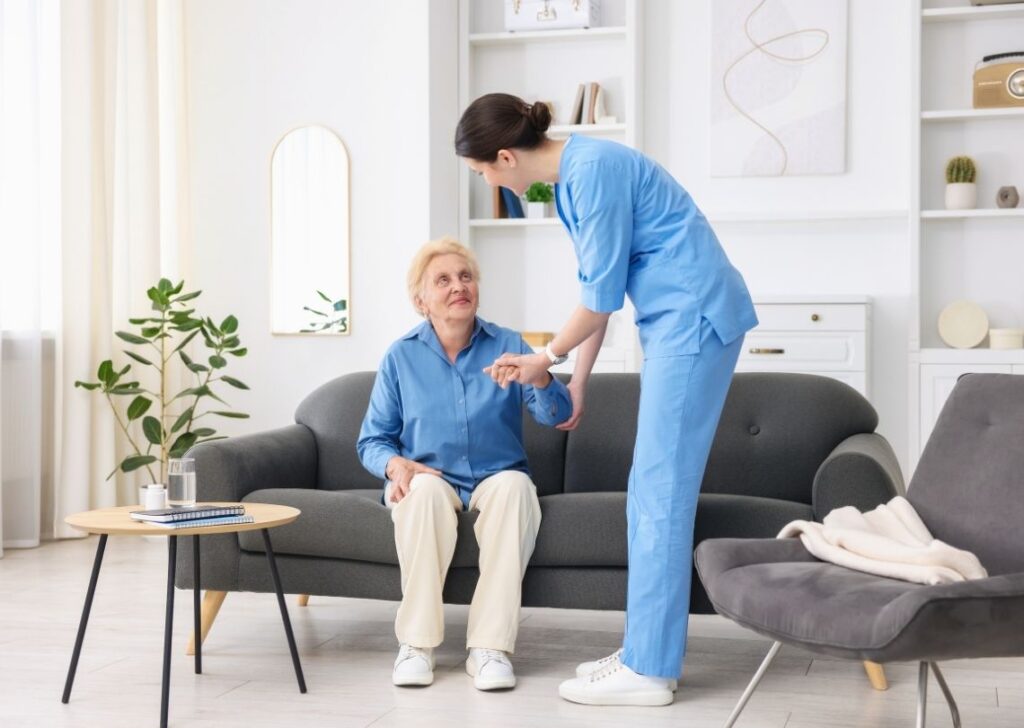
How does an in-home caregiver for daily living help improve safety at home? Caregivers evaluate mobility requirements and set up basic aids such as grab rails and non-slip mats to reduce accident frequency. They adhere to medication schedules and observe side effects to avoid complications and hospital visits. Caregivers reduce tripping hazards by keeping clutter to a minimum, inspecting lighting, and regularly testing smoke and carbon monoxide detectors, which save crucial minutes in emergency response times. They further direct safe meal prep and personal care to reduce burns, choking, and infections. Below are some actionable checks, assistive tools, and caregiver daily habits to make a home safe for older adults and disabled individuals.
Key Takeaways
- Caregivers can enhance home safety through daily living assistance by identifying and eliminating potential hazards, making home modifications such as installing grab bars and non-slip mats, and organizing the environment to minimize falls and injuries.
- Personalized support and medication management lower health risks by customizing care plans, streamlining medication schedules, tracking adverse effects, and maintaining consistent records.
- Emergency response training and clear communication with family and healthcare providers enable speedier, coordinated action in the event of a crisis.
- Memory aids, routines, and companionship reduce psychosocial risks and keep clients with dementia or mental health needs safer at home.
- Smart devices and monitoring augment safety with privacy protections. Schedule voice assistants for reminders, install fall sensors, and use secure video or wearable monitoring to ensure independence.
- Establish a shared safety net. Have regular family meetings, coordinate with clinicians and care managers, document changes, and include family in decision-making and emergency plans.
How Caregivers Improve Home Safety
Caregivers minimize danger by vigilantly monitoring home safety and implementing strategic repairs, ensuring a safe environment for individuals with mobility challenges, cognitive decline, or complicated medical situations. The following subtopics outline practical tips, safety assessments, and schedules home care workers employ to reduce fall risks and keep families updated.
1. Hazard Assessment
To enhance home safety, perform a room-by-room risk assessment to identify potential fall risks such as loose rugs, exposed cords, and unstable furniture. It’s crucial to note manual handling risks associated with lifting or transferring care recipients, and ensure safety devices like railings and non-slip surfaces are present. Use a checklist that outlines common injuries, trips, burns, and falls from beds, and connect each to effective mitigation steps. Recommend modifications such as securing cords, adding outlet covers, replacing frayed rugs, raising beds, and installing handrails. Additionally, inspect for other safety hazards like mold, pest signs, and nonworking smoke detectors, advising on necessary repairs or professional remediation.
2. Fall Risk Reduction
To enhance home safety, they may install grab bars at toilets and showers, place non-slip mats in wet areas, and fit bedside commodes or raised toilet seats. Rearranging furniture to provide clear, wide walkways for walkers and wheelchairs helps eliminate small tables or low shelves that obstruct paths. Educating on safe ambulation habits and the use of assistive devices is essential for elderly fall prevention, such as how to transfer from chair to bed to minimize exertion. Altering daily activities to prevent extended standing and planning sitting breaks can significantly reduce fall risks.
3. Medication Management
To enhance home safety, design explicit medication schedules using pill organizers, digital reminders, or charts to prevent falls related to missed doses. Keep a close watch for side effects such as dizziness or confusion, which could indicate drug problems, especially in elderly care. Maintain logs of prescriptions and store medications securely to ensure a safe environment for senior home safety modifications.
4. Personalized Support
Create home care plans that consider medical history, mobility, and cognition to enhance elderly care. Incorporate visual reminders, signage, and straightforward room arrangements for dementia patients, minimizing fall risks and ensuring a safe environment. Provide companionship and soothing rituals to reduce anxiety and outbursts, collaborating with family for effective home safety modifications.
5. Emergency Response
Get trained in first aid, CPR, and immediate crisis steps for common incidents to ensure home safety. Establish quick communication, maintain current emergency numbers, and conduct home safety inspections to prepare your family. Implement safety devices like fire extinguishers and rehearse fall prevention drills to reduce response time.
Modifying The Living Space
Before any work begins, it’s essential to assess the home for necessary home safety modifications. An in-home caregiver conducts a room-by-room evaluation, noting trip hazards, poor lighting, door widths, and locations of frequently used items. This assessment is crucial for elderly fall prevention and ties into universal design principles often considered in original blueprints: single-level living, zero-step entries, and wider doorways. Caregivers document needs, suggest low-cost fixes versus structural updates, and prioritize interventions that reduce immediate risk.
Simple Changes
To enhance home safety, rearranging furniture can create clear walkways that accommodate mobility aids, thereby preventing falls. Frequently used items should be shifted to lower shelves to avoid bending or reaching. Adding pull-out cabinets minimizes strain and preserves independence for elderly care. Installing nightlights in hallways and bathrooms significantly reduces fall risks near beds and stair approaches. Using safety locks and non-slip mats in kitchens and bathrooms, along with eliminating loose rugs, contributes to a safer environment. By de-cluttering common, high-traffic areas and maintaining organized storage, we can effectively implement safety tips that reduce everyday danger substantially.
Structural Updates
Suggest ramps, stairlifts, or widened doorways for wheelchair users or individuals experiencing progressive mobility loss, all of which fall under the umbrella of universal design and can be coordinated with architects or modification companies. Enhance bathrooms by adding grab bars, raised toilet seats, and walk-in showers. Remove raised thresholds between rooms to allow seamless transition. Provide adequate stair lighting and add solid handrails on both sides when possible. Guide to hardy, low-slip flooring that withstands wheelchairs and wear and tear. For clients experiencing chronic pain or decreased mobility, recommend raised chairs and enhanced seating that simplify transfers. Even small differences in the height of furniture can help to minimize strain and risk of injury. Work with a home safety specialist for measurements, professional installation, and permits when required. Get cost estimates to weigh budget versus benefit.
Modifying the living space complements health maintenance: caregivers recommend regular vision and hearing checks, medication reviews, and activity programs to preserve function and safety.
Beyond Physical Safety
In-home caregivers play a crucial role in home safety by crafting the emotional and cognitive terrain that defines living safely day to day. These care workers implement strategies for elderly fall prevention, changing habits and interactions alongside the household environment to minimize danger. Rather than eliminating threats, they empower individuals to confront them, which significantly contributes to reducing psychosocial risk and supporting long-term wellbeing.
Cognitive Support
Caregivers use memory joggers, visual aids, and structured habits to keep clients with dementia and memory loss oriented and safe in their home care environments. Daily schedules featuring plain text or photos, labelled cabinets, and strategically placed walkers help decrease confusion and mitigate fall risks. Pill, meal, and appointment reminders can be delivered verbally and supported with basic pill boxes or automated dispensers, enhancing home safety and reducing missed doses along with associated stress. Engaging activities, including brief brainteasers and reading aloud, are crucial for maintaining function and preventing psychological harm. These activities should be tailored to individual interests and abilities to prevent frustration. Caregivers also monitor changes in mood and behavior, ensuring effective communication with families and clinicians for timely adjustments in therapy or home modifications.
Emotional Security
Strategy | What it looks like | Why it helps |
Active listening | One-on-one visits with focused conversation | Builds trust and reduces anxiety |
Reassurance scripts | Simple phrases used during distress | Lowers agitation and confusion |
Consistent staffing | Same caregiver on repeated visits | Reduces fear from unfamiliar faces |
Calm routines | Predictable morning and evening steps | Improves sleep and lowers stress |
Provide solace through physical transitions and leave room for anxieties or desires to be expressed. One-on-one engagement, such as a brief daily chat or a board game, creates bonds and mitigates loneliness, which is essential for elderly care. Flexible schedules allow families to select specific hours per day or week, providing a sense of control that enhances home safety for their loved ones. Caregivers need support: peer networks, scheduled breaks, and basic self-care to cut compassion fatigue and keep care consistent.
Social Interaction
To prevent falls and alleviate isolation, caregivers should provide frequent connection with family, friends, and community services. They can arrange video chats and train elders on device use, while encouraging group activities or hobbies. Additionally, giving rides for outings fosters actual engagement beyond just screen-based interactions. Easy communal activities, such as watching TV or taking a local class together, lift mood and energy. A good care plan with social goals enhances home safety and anchors safety to a meaningful daily life.
The Collaborative Safety Net
Building a collaborative safety net renders at-home care both foreseeable and efficient. Here are the pillars that home care workers, families, and professionals use to minimize fall risks, adapt to transitions, and ensure that an individual residing at home maintains a safe environment and dignity.
Family Coordination
Hold weekly family meetings to discuss care targets, safety audits, and daily schedules in the context of home care work. Use a light agenda and rotate note-taking so updates are captured and searchable. One extended session can schedule medication times, walkers, and bedtime rituals, while shorter weekly check-ins can address little stuff before it mushrooms into larger fall risks.
Share timely updates on health interventions and home safety assessments, particularly focusing on elderly fall prevention and shifts in risk. Sending brief written summaries after events such as falls or new prescriptions creates a traceable history, helping distant relatives stay informed without needing to call daily.
Handle conflict or differing perspectives with neutral framing and explicit papers. A caregiver could record disputed episodes and suggested modifications, then take that record to a facilitator or trusted doctor. This minimizes rehashed fighting and maintains decisions connected to safety information instead of emotion.
Empower family members to join specific tasks. One person can handle pharmacy runs, another can review finances, and yet another can manage appointments, creating a safe environment for everyone involved. Clear role tags trim redundancy and allow young or distant family to help in targeted, helpful ways.
Medical Coordination
Regular liaison with physicians, therapists, and palliative teams is essential to align home care supports with clinical plans effectively. By sharing objective information such as weight, blood pressure trends, changes in gait, and pain scores, home care workers can help clinicians fine-tune care without requiring visits. This proactive approach is crucial for preventing falls and ensuring the safety of elderly people in their homes.
Monitoring and sharing any changes in medications, side effects, and interventions tried to relieve symptoms is vital. Maintaining a comprehensive medication list with start and stop dates, along with observed responses, allows the care team to connect fall risks to causes and adjust care promptly. When a medication causes dizziness, recording the timing and activity becomes essential in maintaining a safe living space.
Smooth transitions between home, hospital, and residential settings are facilitated by preparing concise transfer packets that include current medications, recent vitals, mobility levels, and preferred daily schedules. A caregiver who assembles this packet significantly reduces readmission risks and enhances the comfort of loved ones returning home.
Using care managers and certified life care managers to audit safety plans and coordinate services is beneficial. They can conduct periodic risk assessments, source necessary home modifications, and verify training for aides, ensuring that home care environments remain safe and effective for elderly care.
- Regular family meetings and clear roles
- Shared documentation of incidents and meds
- Real-time data exchange with clinicians
- Defined handoff packets for transitions
- Periodic audits by care managers
- Active involvement of all team members

Integrating Modern Technology
By integrating technology into home care environments, we can enhance home safety and better understand daily health, eliminating ambiguity by making routines tangible. Below are actionable device recommendations, setup advice, and training steps families can employ to boost safety, maintain independence, and signal family or clinicians when fall risks arise.
Monitoring Devices
Fall-detection sensors and motion detectors installed in hallways, bathrooms, and near beds alert home care workers to possible accidents and activate lights or calls. Wearables that monitor heart rate, step counts, sleep quality, and falls provide ongoing visibility into a senior’s day, enabling caregivers to identify patterns that could indicate health changes. Security cameras and door alarms are essential for elderly fall prevention, helping to prevent wandering for clients with dementia. Configure alerts to notify only selected contacts and set privacy zones to avoid sensitive areas. Protect their privacy with encrypted data links, select vendors according to transparent data-retention policies, and record logs on secure, access-controlled servers to ensure a safe environment for all.
Smart Assistants
Voice-activated assistants can be set up for reminders to take medications, attend appointments, and maintain a daily schedule, all of which can help with consistent routines and independence. Hands-free calling provides rapid access to emergency services or family members when you can’t move. By combining assistants with smart home hubs, you can enhance home safety and lower fall risks by adjusting lights, temperature, and locks from a distance, keeping people comfortable.
Examples of customized settings:
- Morning Routine: raise blinds, start kettle, announce medications.
- Night Routine: dim lights, lock doors, set motion-sensor night lights.
- Medication Mode: reminder every four hours with caregiver follow-up alert.
- Wandering Alert: door chime and family notification between 22:00 and 06:00.
Communication Tools
Video conferencing enables virtual check-ins with clinicians and family members, allowing them to monitor my well-being without travel. Group messaging apps keep the care team aligned with real-time updates on accidents or schedule changes, enhancing communication in home care environments. Digital logs track daily activities, medication compliance, and event timestamps, which are crucial for home safety assessments. Exportable logs help clinicians review trends and identify potential fall risks. Additionally, offering training on assistive devices, such as amplified phones or text-to-speech apps, is essential for clients with hearing or speech disabilities, ensuring a safe living space.
Fostering Client Independence
Fostering client independence is crucial for encouraging autonomy in activities of daily living and assists in maintaining dignity, self-reliance, and confidence. Here are some practical tips for caregivers in the home care sector to promote safe, independent living while minimizing caregiver stress and maximizing outcomes.
- Assess Abilities and Tailor Routines: Conduct a baseline assessment of physical, cognitive, and sensory skills. Use that data to adapt routines and care tasks to match abilities and preferences, changing the timing, sequence, or level of assistance as needed. For example, break dressing into discrete steps, provide adaptive clothing fasteners, and move the most used items within reach to reduce falls. Regular reassessment catches decline early and supports timely interventions to reduce the risk of mistreatment.
- Provide Supportive Devices and Aids: Recommend and install grab bars, raised toilet seats, non-slip flooring, reachers, and dressing aids. Educate clients and family members on safe use. Assistive devices promote independence and reduce the quantity and intensity of direct care, which reduces caregiver stress and enhances control over the care environment.
- Use Structured Tools and Reminders: Visual schedules, checklists, and simple timers guide clients through tasks with less supervision. For wavering energy or focus, craft loose plans that incorporate rest breaks and smaller work chunks. Automated supports like interactive voice-response systems can ease caregiver stress, particularly for those who feel less in charge.
- Teach Skills and Adaptive Techniques: Provide step-by-step instruction for transfers, personal care, and household tasks with supervised practice. Begin with confidence-building as soon as possible. Caregivers who feel prepared and skilled experience less burden. Involve family members during training to spread hours of care and task expertise.
- Encourage Meaningful Choices and Cultural Fit: Offer options for meals, clothing, and activities that respect cultural practices and personal taste. Engage clients in goal setting and outcome evaluation, so they have ownership over care plans. Positive feedback and celebration of milestones reinforce motivation and wellbeing.
- Monitor Caregiver Supports and Workload: Track task frequency, daily hours, and available family support. Empowering caregivers with expertise and resources enhances their ability to meet care challenges head-on and mitigates health consequences.
Empowering Choices
Provide choices about meal planning, clothing, and activities, which support agency and culture. Honor preferences in routines and care decisions, engaging clients in goal-setting and feedback. Modify strategies when requirements shift, allowing client feedback to guide secure decisions that prioritize home safety.
Adapting Routines
Adjust day plans based on energy, mobility, or health fluctuations. Use visual schedules and checklists to encourage client independence. Include downtime and flexible hours to alleviate pressure and reduce fall risks. Adjust habits with changing skills to ensure a safe environment.
Building Confidence
Provide consistent reinforcement and instruct adaptive strategies. When setbacks occur, respond with patience and practical solutions. Create a secure environment for experimentation and calculated risk-taking, ensuring the safety of elderly people.
Conclusion
An in-home caregiver brings safety and peace of mind to home life. They identify fall hazards, install grab bars and lights, and maintain clear pathways. They check medications, monitor minor shifts in health, and communicate with physicians. They teach safe ways to move, cook, and bathe so clients maintain abilities and remain stable. They supplement with technology like fall alarms, smart lights, and pill reminders that reduce danger and stress. They connect families with therapists, repair shops, and community assistance. Simple measures, smart habits, and consistent care reduce falls and increase independence. Select a caregiver who listens, adjusts, and explains options. Contact us for a trial visit or a mini plan to experience immediate, tangible improvements in home safety.
Frequently Asked Questions
1. How Does An In-Home Caregiver Reduce Fall Risks?
They evaluate safety hazards, install grab bars and non-slip mats, and monitor ambulation to create a safe environment. These home safety modifications reduce fall risks and provide rapid assistance in emergencies.
2. Can Caregivers Help With Medication Safety?
Yes. Caregivers in home care work coordinate medications, provide reminders, and monitor for potential risk of adverse effects.
3. What Role Do Caregivers Play In Emergency Response?
Caregivers in home care work help create plans, keep emergency contacts close, and can call for help or provide basic first aid, facilitating more rapid responses to emergencies.
4. How Do Caregivers Support Safe Daily Routines?
They arrange regular bath, dress, and meal times, which helps prevent falls and creates a safe environment for elderly care.
5. Can Caregivers Use Technology To Improve Safety?
Yes. They arrange for medical alert systems, smart lighting, and monitoring devices to enhance home safety for elderly people and support home care workers.
6. Do Caregivers Help Maintain A Safe Home Environment Over Time?
Caregivers conduct home safety inspections, update safety devices, and adapt the space to prevent falls as needs change.
7. How Do Caregivers Encourage Independence While Keeping Clients Safe?
They educate on safe methods for elderly care, recommend adaptive equipment for home safety, and monitor fall risks when necessary.
Make Everyday Life Easier With An In-Home Caregiver For Daily Living Help
Everyday tasks can become more challenging with age, limited mobility, or changing health needs. Activities like getting dressed, preparing meals, moving safely around the home, handling light household tasks, or keeping up with a daily routine may require extra support. An In-Home Caregiver for Daily Living Help can provide compassionate assistance that makes each day safer, easier, and more comfortable while helping seniors continue living independently at home.
An In-Home Caregiver for Daily Living Help from Serenity Family Homecare provides personalized support based on each client’s routines, preferences, and level of independence. Our caregivers can assist with personal care, mobility, meal preparation, light housekeeping, errands, companionship, and other everyday activities that help seniors feel more confident and supported at home. Every visit is centered around maintaining dignity, encouraging independence, and providing dependable help where it’s needed most.
With reliable daily living assistance, seniors can enjoy greater comfort, consistency, and confidence in their everyday routines. Families can also feel reassured knowing their loved one has caring support available to help them remain safe and comfortable at home. Contact Serenity Family Homecare today to schedule an assessment and learn how an In-Home Caregiver for Daily Living Help can provide the personalized assistance your loved one needs.
Disclaimer
The information on this website is for general education only and should not be treated as medical, legal, or professional advice. Every family and health situation is different, so you should speak with a qualified healthcare provider or appropriate professional before making care decisions. Do not make changes to a care plan or rely on this content as a substitute for professional guidance. The information on this site may not reflect the most current medical standards or practices. Serenity Family Homecare is not responsible for any actions taken or not taken based on the material on this website.