
An in-home caregiver for daily living supports aging in place by providing hands-on support with activities that maintain safety and independence at home. Caregivers assist with bathing, dressing, meal preparation, medication reminders, mobility assistance, and light housekeeping, all customized to the individual’s requirements. By monitoring health changes and flagging concerns to family or clinicians, they cut down on hospital visits and alleviate caregiver stress. Care plans typically use relatively rudimentary metrics such as ADL scores and falls risk checks to monitor progress. Many caregivers work in conjunction with therapists and primary care teams to maintain continuity of care. Here’s what you need to know about how in-home caregiving supports aging in place.
Key Takeaways
- So how does an in-home caregiver for daily living help support aging in place?
- Ongoing health monitoring and detailed note-taking identify subtle changes early and facilitate prompt communication with family and physicians to avoid complications.
- Companionship and emotionally attentive interactions combat isolation and bolster mental health, enhance elder life satisfaction, and alleviate caregiver-family tension.
- Home safety assessments, targeted fall prevention measures, and emergency preparedness create a safer living environment and lower the risk of accidents.
- Collaborative care with family, caregivers, and providers keeps care plans aligned, reduces scheduling conflicts, and distributes responsibility for changing needs.
- Proactive planning includes assessing needs, reviewing financial options, and vetting caregivers so families can set realistic goals and choose reliable in-home support.
How In-Home Caregivers Help
In-home caregivers offer precise assistance that allows seniors to remain where they’re most comfortable and preserve as much autonomy as possible. They bridge gaps across personal care, home care, medical monitoring, companionship, and transportation, offering everything from a few hours a day to round-the-clock live-in care that can adjust as needs evolve.
1. Personal Assistance
They assist with bathing, grooming, toileting, and hygiene needs while protecting dignity and privacy. They employ methods to make bathing safe, like chair showers or handheld shower heads, and they know how to help without assuming control of easy activities an individual is still able to do. Dressing assistance encompasses selecting weather-appropriate attire and modifying fasteners for reduced dexterity. Meal reminders and feeding assistance keep nutrition and hydration on schedule, reducing the risk of dehydration and weight loss. Personal care, often referred to as custodial care, can be provided on a time basis or aligned to the client’s schedule.
2. Household Management
Light housekeeping such as laundry, dishes, and tidying reduces physical strain and keeps the home safe and clean. Caregivers schedule and make meals that are right for their condition, low-sodium for heart troubles, soft foods for difficulty swallowing, or their choice of cuisine to retain quality of life. Running grocery or prescription errands helps keep medicine and food stocks steady. On the practical side, checklists and shared calendars track chores, appointments, and tasks so families know what got done and what still needs to be tackled.
3. Health Oversight
Expert caregivers observe medication timing, ensure dosages are correct, and notify family or clinicians of any missed doses. They observe subtle health changes such as appetite shifts, mood, and skin breakdown, and report them for timely intervention. When directed, they can record vitals such as blood pressure and weight and maintain daily logs that inform improved care planning. This record assists clinicians in making decisions and provides families peace of mind.
4. Daily Companionship
Frequent visits alleviate isolation with talk, activities, and common interests. This social interaction tends to boost appetite and mental acuity. Caregivers accompany clients on walks or to appointments, maintaining community connection and encouraging mobility. Listening and emotional support preserve connections with family by facilitating communication and providing loved ones a break from caregiving around the clock.
5. Mobility Support
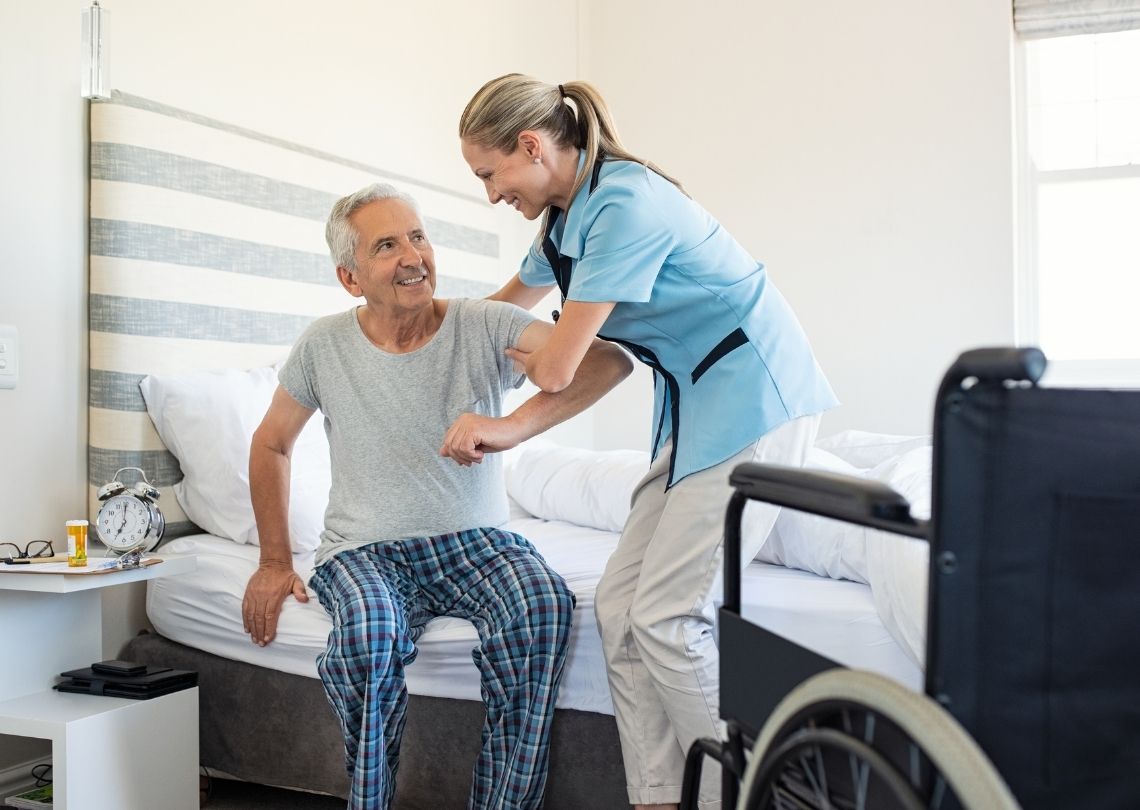
Caregivers support transfers in and out of bed, chairs, or vehicles with safe body mechanics to avoid falls. They direct walks, suggest canes or walkers, and construct movement schedules to maintain strength and flexibility. They provide a lot of support, and these supports reduce fall risk and increase confidence when moving throughout the day.
The Human Connection
In-home caregivers provide a human infrastructure that enables seniors to stay in their homes, among their rooms, traditions, and belongings, a sentiment shared by 96% of seniors who prefer aging in place. Caregivers bridge the functional and the emotional, staying on top of walks, cooking, and light household chores to maintain equilibrium, strength, and mobility while reducing fall risk and promoting independence.
Building Trust
Reliability is the foundation: arriving on time and following through on promises signals respect. Predictable timing and transparent visit logs assist family members, who frequently take on the brunt of caregiving decisions and experience burnout. One third of family caregivers feel distress when services are difficult to locate. Confidentiality matters: protect medical notes, personal stories, and sensitive details so seniors stay secure and willing to share. Transparent, direct communication about care plans and any changes minimizes surprises and provides family members with tangible updates. Connect on a human level: be empathetic, listen patiently without interrupting, let their words hang, and modulate your tone to the mood. Patience counts when things take longer or when forgetful lapses necessitate tender reiteration.
Fostering Dignity
Make sure to respect privacy during bath time, dressing, or toileting. Explain the steps and use curtains or screens. Encourage decision-making: offer choices about meals, clothing, and activities to keep autonomy intact. Treat with respectful language, simple, direct words, no babying, and keep voice even and calm. Notice strengths: praise a well-made sandwich, a remembered name, or a steady walk down the hall. These positive statements boost self-confidence and encourage re-engagement with social gatherings or local events, which benefit mind and body. Autonomy support encompasses adaptive tools and easy tech, like AI voice assistants, that allow an individual to summon aid, schedule pill pop-up reminders, or create a grocery list with their hands full.
Providing Reassurance
When panic or chaos strikes, employ soothing tones and unwavering hands to ground the second. Tell them what’s going to happen in simple language, so the unknown decreases. Defined actions calm anxieties. Stay present: eye contact, a hand on the shoulder if welcome, and uninterrupted attention signal safety. Provide security with diligent routines, such as check-in calls and, where appropriate, remote monitoring to detect concerns at an early stage. These little interventions frequently halt crises, saving the family from burnout and emotional drain. Promote light exercise and social interaction to maintain movement and spirits.
Creating A Safe Haven
To create a haven is to start with a vision of the home and the homeowner. An in-home caregiver identifies risks, suggests modifications, and assists in establishing daily routines and supports that allow seniors to enjoy increased autonomy, security, and social engagement.
Home Assessment
A nanny conducts a comprehensive walkthrough to identify fall risks such as tripping hazards, clutter, and poor lighting. They identify loose rugs, uneven thresholds, cords, and tight furniture layouts and then prioritize fixes so the family can tackle the most hazardous items first. Adaptive equipment suggestions include toilet and shower grab bars, non-slip mats, a ramp for entrance steps, and lever-style door handles that simplify use for weakened grip strength. Lighting checks include lumen levels in hallways and kitchen task lighting, and motion-activated or automated lights prevent dark-step incidents. Furniture is surveyed for unobstructed 0.9 to 1.2 meters (3 to 4 feet) pathways, and firmer seats and arms to assist transfers are recommended for chairs.
Fall Prevention
Caregivers teach easy balance and strength training of an appropriate level of difficulty, such as sit-to-stand repetitions, single-leg standing with support, and heel-to-toe walking to lower fall rates. They pull up loose rugs and trailing cords, maintain walkways, and inspect shoes for tread and fit. They replace grip-less socks with low-heeled, non-slip shoes. Handrails on both sides of stairs and nightlights by the bedside and bathroom decrease night-time accidents. Tips for clothing, such as no long hemlines and no loose trousers, reduce catch hazards. Simple exercises, such as brief walks around the home, light housekeeping, and meal preparation, maintain mobility and muscle tone while reducing the risk of falls.
Emergency Readiness
Parents have a simple emergency packet with contacts, meds, allergies, and PCP info and leave it in a designated location and online where relatives can find it. They collaborate with the individual to develop and practice an emergency escape plan in case of fire or sudden illness, charting exits and escape paths. Smoke detectors, carbon monoxide monitors, and medical alert systems are all checked and tested regularly, replacing batteries as scheduled. We keep first-aid kits stocked and accessible, and caregivers make sure that medication lists are current and readily available.
The Collaborative Care Circle
The collaborative care circle is a team-based approach that puts the elder at the center and orbits family, paid caregivers, and health professionals around common objectives of safety, independence, and quality of life. This infrastructure respects the senior’s wishes, adjusts to shifting health or cognitive conditions, and alleviates isolation by mixing hands-on assistance with companionship and empathy.
Family Communication
Family members arrange scheduled check-ins to monitor progress and voice issues. This may be a weekly video call or a brief daily message thread. Post medication, physiotherapy, and social visit schedules in shared calendars or apps so you’re all working off the same timeline and there are fewer missed events. Provide clear-language teaching around care routines, how to help with transfers, signs of dehydration, or what a therapy goal means so that family questions are addressed, and stress diminishes. Keep space for open dialogue. When disagreements arise about risk tolerance or care intensity, lay out facts, note the senior’s stated wishes, and mediate practical trade-offs rather than letting conflict stall decisions.
Healthcare Coordination
Caregivers act as a bridge to clinicians by liaising with doctors, nurses, and therapists to align daily routines with medical goals. For example, adjusting mealtime timing to fit blood-sugar plans. Manage appointments and transport logistics, consolidating visits to limit fatigue and noting mobility needs for clinicians. Relay urgent or subtle health changes promptly, such as new confusion, weight loss, or falls, so clinicians can change treatment before escalation. Keep accurate, up-to-date records of medications, dosages, adverse effects, therapy notes, and functional status to inform every party and support regular risk assessments and care-plan updates.
Coordination eliminates duplication and mistakes. When everyone logs the same observations, the team can detect trends like falling strength or mood changes and intervene early. Tailor the circle to the person’s needs. Cognitive impairment may call for more frequent check-ins. Stable chronic conditions may need fewer clinical touches but steady social engagement.
Regular meetings of the care circle, whether virtual or in person, enable role clarification, adjustment of responsibilities, and allocation of resources such as respite or home modifications. These meetings preserve dignity, maintain relationships, and establish a clear path to independence.
Recognizing The Need
Identifying the need early is the first step toward care planning that enables individuals to stay at home safely and with dignity. Here are some specific signs to watch for, why they matter, and what small steps families and caregivers can take first to support aging in place.
Physical Signs
Notice mysterious bruises, rapid weight loss, or decline in personal hygiene as surefire signs that your daily self-care is waning. These frequently indicate trouble with bathing, dressing, or meal preparation as opposed to stubborn oversight. Recognize reduced mobility or persistent exhaustion. If walking pace slows, stairs become shunned, or even brief walks wear someone out, the house might require easy fixes like grab bars, non-slip floors, or a stair lift. Spot balance, coordination, or strength problems by noting near-falls or use of furniture to wander. These precede more severe injury. Document new or exacerbated chronic conditions, including aggravated arthritis pain, uncontrolled blood pressure, or poorly managed diabetes, and think about short, focused caregiver visits for medication reviews and assistance with errands. Small services can begin as a couple of hours a week and ramp up, minimizing risk as families evaluate longer-term needs.
Cognitive Changes
Spot memory lapses, confusion, or disorientation early, for example, missed pills, repeated questions, or getting lost on familiar routes. Monitor trouble following conversations or multi-step instructions. This affects safety with cooking, finances, and appointments. Detect problems with judgment, such as falls from risky choices, odd spending, or poor hygiene, since these often require immediate review of decision-making capacity. Document shorter attention spans and difficulty solving routine problems, like managing a phone call about a bill. These cognitive signs often begin subtly and prompt the quiet conversations: a missed medication, a fall, or the note that the house is harder to manage.
Social Withdrawal
Detect decreased enthusiasm for activities or missed trips. This could conceal depression, mobility restrictions, or shame about incontinence. Log ignored parties and refusal to leave the house. Skipping groups speeds the descent. Address the need, identify isolation from friends, neighbors, or family, and how one caregiver may bear an unsustainable burden. Promote an active return to the world with available social options, day programs, volunteer visits, or short-term in-home support, to re-establish routine and alleviate caregiver burnout. Recognizing the need is sometimes hard and always emotional, but it frequently represents a fork in the road that saves independence and safety.
Planning For Care
A plan for care sets a trajectory for supporting an aging parent determined to age in place from their function at present to future needs so that decisions are grounded in safety, independence, and finances.
Assessing Needs
Conduct a comprehensive evaluation that covers physical abilities, cognitive status, emotional well-being, and social connections. Include basic activities of daily living (ADLs) such as bathing, dressing, toileting, and instrumental tasks like meal prep, shopping, and medication management. Note early signs that suggest increasing need, such as slower gait, missed appointments, unexplained weight loss, or changes in behavior.
Review existing supports: family availability, community programs, and medical services. Identify holes such as no evening assistance, dangerous bathroom conditions, or lack of transportation, and prioritize them based on immediacy and probable effect on everyday living. Use well-developed tools and structured questionnaires to make findings repeatable and measurable. Think of checklists for fall risk, mood screens, and medication adherence logs. Prioritize interventions: immediate safety fixes, followed by daily help needs and social supports to reduce isolation.
Financial Options
Investigate insurance benefits, long-term care riders, and national or local government programs that may pay for some in-home care or home modifications. Compare costs, including hourly rates for paid caregivers, monthly agency fees, and assisted living or nursing care costs, using the metric system for work estimates and a single consistent currency for cost comparison. Look for any potential help, including disability benefits, veterans’ programs, non-profit grants, and tax credits for modifications at home.
Create a budget worksheet listing fixed and variable care costs: caregiver hours, medical supplies, modification costs (grab bars, improved lighting), and transport. Care plan. Run scenario estimates for short-term intensive support and long-term steady care to demonstrate financial impact.
Finding A Partner
Look into reputable in-home care agencies in Contra Costa County, verify licensure, and read reviews. Confirm caregiver certifications, background screenings, and dementia and mobility training. Interview candidates to gauge fit, including experience with particular activities of daily living, communication style, and cultural sensitivity.
Develop a question list: availability, emergency protocols, continuity of caregivers, and how they measure outcomes. Schedule trial visits to see interactions and pair references with a trial period to minimize mismatch and caregiver burnout risks.
Conclusion
In-home caregivers bring clarity and stability to the lives of older adults striving to age in place. They assist with safe mobility, personal hygiene, medications, nutrition, and light housekeeping. They detect minor health shifts early and connect families to nurses, therapists, and community resources. They generate trust and reassurance, prevent falls, and avoidable hospitalizations. A short example: a caregiver spots a change in gait, tells the family, and a quick therapy visit prevents a fall. Another: a caregiver plans meals that meet a diet and lift energy and mood. Families get time and less stress. Care plans that align with needs, schedules, and budgets work most effectively. Contact us to schedule a consult or trial visit to experience actual fit and impact.
Frequently Asked Questions
1. How Does An In-Home Caregiver Support Daily Living Tasks?
An in-home caregiver assists with bathing, dressing, preparing meals, medication reminders, support with mobility, and light housekeeping. These services assist the individual in remaining secure and self-sufficient in their residence.
2. How Do Caregivers Improve Safety At Home?
Caregivers spot dangers, coordinate home adaptations, monitor movement, and employ fall-prevention strategies. Their presence decreases the likelihood of accidents and facilitates safer habits.
3. Can In-Home Caregivers Help With Medical Coordination?
Yes. Caregivers liaise with medical professionals, monitor medications and symptoms, and provide transportation to appointments as required. This enhances care continuity and prevents medical errors.
4. How Do Caregivers Provide Emotional And Social Support?
Caregivers provide companionship, conversation, and engaging activities that combat loneliness. Emotional support enhances psychological health and motivates daily participation.
5. When Should A Family Consider Hiring An In-Home Caregiver?
Hire once ADLs are challenging, falls are increasing, medications are missed, or loneliness is taking a toll on their health. Proactive assistance avoids catastrophes and sustains autonomy.
6. How Is Care Planned And Adjusted Over Time?
Caregivers and families evaluate needs, establish goals, and revise the plan consistently. It’s this ongoing monitoring that ensures services are aligned with an elder’s changing health and safety requirements.
7. How Do Caregivers Work With Family And Other Professionals?
They round out the care circle with family, nurses, therapists, and doctors. Open communication and shared care plans enhance outcomes and alleviate caregiver stress.
Make Everyday Life Easier With An In-Home Caregiver For Daily Living Help
Everyday tasks can become more challenging with age, limited mobility, or changing health needs. Activities like getting dressed, preparing meals, moving safely around the home, handling light household tasks, or keeping up with a daily routine may require extra support. An In-Home Caregiver for Daily Living Help can provide compassionate assistance that makes each day safer, easier, and more comfortable while helping seniors continue living independently at home.
An In-Home Caregiver for Daily Living Help from Serenity Family Homecare provides personalized support based on each client’s routines, preferences, and level of independence. Our caregivers can assist with personal care, mobility, meal preparation, light housekeeping, errands, companionship, and other everyday activities that help seniors feel more confident and supported at home. Every visit is centered around maintaining dignity, encouraging independence, and providing dependable help where it’s needed most.
With reliable daily living assistance, seniors can enjoy greater comfort, consistency, and confidence in their everyday routines. Families can also feel reassured knowing their loved one has caring support available to help them remain safe and comfortable at home. Contact Serenity Family Homecare today to schedule an assessment and learn how an In-Home Caregiver for Daily Living Help can provide the personalized assistance your loved one needs.
Disclaimer
The information on this website is for general education only and should not be treated as medical, legal, or professional advice. Every family and health situation is different, so you should speak with a qualified healthcare provider or appropriate professional before making care decisions. Do not make changes to a care plan or rely on this content as a substitute for professional guidance. The information on this site may not reflect the most current medical standards or practices. Serenity Family Homecare is not responsible for any actions taken or not taken based on the material on this website.