Recovering from surgery is rarely as simple as waiting for a wound to heal. For older adults, the recovery process often involves rebuilding strength, restoring confidence, preventing complications, and safely returning to everyday routines. Whether the procedure involved a hip replacement, knee replacement, heart surgery, spinal surgery, or another medical treatment, the weeks following discharge can determine how successful the recovery will be.
While hospitals provide excellent medical care, most healing happens at home. That is where mobility support becomes one of the most valuable services a senior can receive. Professional mobility assistance helps reduce the risk of falls, encourages safe movement, assists with daily activities, and supports the rehabilitation plan created by healthcare providers.
If you are helping a parent, spouse, or loved one recover after surgery, you may wonder whether mobility support at home is necessary. The answer often depends on their physical abilities, overall health, and available family support. Even seniors who were highly independent before surgery may temporarily need assistance while they regain strength.
The goal is not to replace independence—it is to protect it. By providing the right level of assistance during recovery, mobility support helps many older adults return to their normal lives more safely and with greater confidence.
Key Takeaways
- Mobility support helps seniors recover safely after surgery while reducing fall risks.
- Professional caregivers assist with walking, transfers, positioning, and daily activities.
- Safe movement encourages faster recovery without unnecessary strain.
- Home support helps seniors maintain independence while healing.
- Families gain peace of mind knowing someone is monitoring recovery between medical appointments.
- Mobility assistance can be customized as recovery progresses.
- Choosing an experienced provider improves safety, comfort, and quality of life throughout the healing process.
Why Mobility Support Is Essential After Surgery
Surgery Temporarily Changes Mobility
Even routine surgeries can leave older adults feeling weaker than expected. Pain medications, anesthesia, muscle soreness, swelling, and reduced activity often make walking difficult during the first several days or weeks.
Without proper support, simple tasks such as getting out of bed, walking to the bathroom, climbing stairs, or preparing meals may become challenging.
Mobility support bridges this gap by providing assistance exactly where it is needed while encouraging safe, gradual improvement.
Healing Requires Safe Movement
Many people believe rest alone promotes healing. While adequate rest is important, prolonged inactivity often creates new problems for seniors.
Too little movement may contribute to:
- Muscle weakness
- Joint stiffness
- Reduced balance
- Poor circulation
- Increased fall risk
- Longer rehabilitation
Mobility support encourages safe activity that matches physician recommendations without overexertion.
Confidence Matters During Recovery
After surgery, many seniors become afraid of falling.
That fear alone may cause them to avoid walking, exercising, or performing daily routines.
Professional mobility assistance provides reassurance during these early stages. Knowing someone is nearby often encourages seniors to stay active instead of becoming sedentary.
How Mobility Support Promotes a Faster Recovery
Safe Walking Assistance
Walking is often one of the first rehabilitation goals after surgery.
Caregivers assist by:
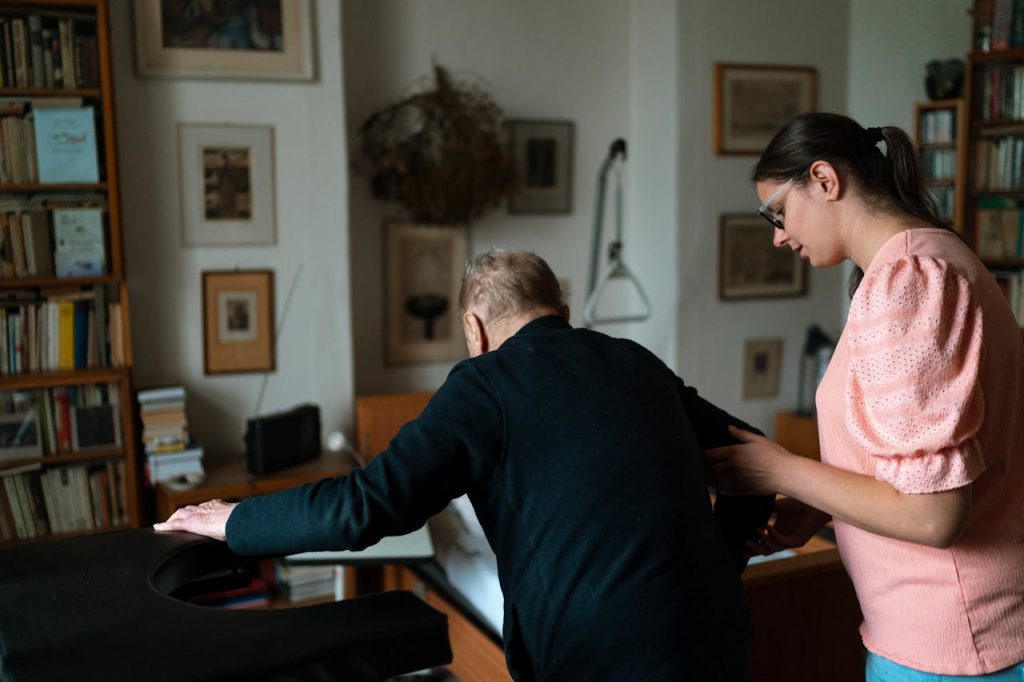
- Walking alongside the senior
- Monitoring fatigue
- Helping with walkers or canes
- Watching for dizziness
- Encouraging proper pacing
This reduces unnecessary risks while helping seniors regain strength.
Assistance With Transfers
Transfers involve moving safely between different positions.
Examples include:
- Bed to chair
- Chair to standing
- Wheelchair to bed
- Toilet transfers
- Car transfers
Improper transfers account for many falls after surgery.
Caregivers use proper techniques to reduce strain while supporting both comfort and safety.
Encouraging Rehabilitation Exercises
Physical therapists often assign exercises to complete between appointments.
Mobility caregivers do not replace therapists, but they can:
- Remind seniors to complete exercises
- Assist with positioning
- Help maintain proper posture
- Encourage consistency
- Observe changes that should be reported
Regular practice often improves recovery outcomes.
Understanding the Recovery Timeline After Surgery
The First Few Days at Home
The first several days after surgery are often the most physically demanding. Pain, fatigue, swelling, and the effects of anesthesia may limit your loved one’s ability to move around safely. During this stage, mobility support focuses on helping with short walks, safe transfers, and essential daily activities while encouraging enough movement to support circulation. Following discharge instructions from the healthcare team remains the top priority, and caregivers can reinforce those recommendations during daily routines.
Building Strength During the Following Weeks
As healing progresses, many seniors gradually become more active. Walking distances may increase, prescribed exercises become easier, and confidence often improves. Mobility support adapts throughout this phase by encouraging greater independence while continuing to assist with activities that still present a fall risk. Rather than doing everything for the senior, caregivers help only where needed so recovery continues at a safe pace.
Returning to Everyday Activities
Recovery looks different for every individual. Some older adults regain their previous mobility within several weeks, while others require months of rehabilitation. Continued support during this period helps seniors safely return to household routines, hobbies, family outings, and community activities without rushing the healing process. The ultimate goal is to restore as much independence as possible while minimizing setbacks.
Daily Activities Become Easier With Support
Personal Care Assistance
Following surgery, seniors may temporarily struggle with everyday tasks.
Mobility support may assist with:
- Dressing
- Bathing
- Grooming
- Toileting
- Hand washing
- Hair care
Providing help without taking over allows seniors to remain as independent as possible.
Meal Preparation and Hydration
Proper nutrition supports tissue repair, immune function, and energy.
Caregivers can help by:
- Preparing balanced meals
- Encouraging hydration
- Assisting with safe kitchen mobility
- Bringing meals to comfortable seating areas
- Monitoring eating habits
Good nutrition plays a significant role in healing.
Household Mobility
Every home presents different challenges.
Caregivers may help seniors navigate:
- Hallways
- Staircases
- Bathrooms
- Bedrooms
- Kitchens
- Entryways
This practical support helps prevent unnecessary accidents.
Making the Home Safer During Recovery
Removing Common Fall Hazards
Many falls occur because everyday household items become obstacles after surgery. Loose rugs, electrical cords, cluttered walkways, and uneven flooring can all increase the chance of losing balance. Creating clear walking paths allows seniors to move more confidently with walkers, canes, or other mobility aids.
Improving Bathroom Safety
Bathrooms are one of the highest-risk areas for falls because of wet surfaces and limited space. Depending on the senior’s needs, simple modifications such as grab bars, non-slip bath mats, raised toilet seats, shower chairs, and handheld showerheads may improve safety during recovery. A caregiver can also provide steady assistance when entering or leaving the shower while encouraging the senior to participate as independently as possible.
Organizing Frequently Used Items
Small adjustments around the home can reduce unnecessary bending, stretching, or climbing. Keeping medications, clothing, personal care items, and kitchen supplies within easy reach helps seniors complete daily activities with less physical strain. Rearranging furniture to allow wider walking paths also makes it easier to use walkers or other mobility devices safely.
Preventing Common Post-Surgical Complications
Reducing Fall Risks
Falls remain one of the greatest dangers during surgical recovery.
Several factors increase risk:
- Weak muscles
- Poor balance
- Pain medication
- Limited vision
- Fatigue
- Swollen joints
Mobility support helps reduce these risks through continuous supervision and safe movement techniques.
Monitoring Physical Changes
Professional caregivers often notice small changes before they become serious concerns.
Examples include:
- Increased swelling
- Difficulty walking
- Unusual fatigue
- Reduced appetite
- Changes in alertness
- New discomfort
Families can then communicate these observations with healthcare providers when appropriate.
Preventing Isolation
Recovery sometimes limits social interaction.
Reduced activity can contribute to loneliness, frustration, or depression.
Regular caregiver visits provide:
- Conversation
- Emotional encouragement
- Daily engagement
- Motivation
- Routine
Emotional well-being often influences physical recovery.
Working Together With the Healthcare Team
Following the Recovery Plan
Every surgical recovery plan is different. Healthcare providers may recommend specific activity restrictions, walking schedules, wound care instructions, or rehabilitation exercises. Mobility caregivers help reinforce these recommendations during daily routines while encouraging seniors to stay consistent with their recovery goals.
Keeping Track of Progress
Families sometimes find it difficult to notice gradual improvements because they see their loved one every day. Caregivers often observe changes in walking ability, endurance, confidence, or balance over time. Sharing these observations with family members helps everyone better understand how recovery is progressing between medical appointments.
Knowing When to Contact a Healthcare Provider
While most recoveries proceed without major complications, certain symptoms deserve prompt medical attention. Families should contact the healthcare provider if a senior develops worsening pain, increasing swelling, unusual redness around the surgical site, fever, sudden shortness of breath, chest pain, confusion, or an inability to safely bear weight after previously improving. Caregivers do not diagnose medical conditions, but they can recognize concerning changes and encourage timely medical evaluation.
Supporting Emotional Well-Being During Recovery
Restoring Confidence
Many seniors become discouraged when they cannot perform activities they once completed independently.
Small achievements—walking farther, standing longer, or preparing part of a meal—help rebuild confidence.
Supportive caregivers celebrate progress while encouraging continued improvement.
Reducing Family Stress
Family caregivers often balance employment, parenting, and household responsibilities.
Professional mobility support reduces pressure by ensuring seniors receive consistent assistance even when family members cannot be present.
This allows relatives to spend more meaningful time together rather than focusing solely on caregiving tasks.
Encouraging Independence
Good mobility support does not create dependence.
Instead, caregivers encourage seniors to perform activities they can safely manage while assisting only where necessary.
This approach preserves dignity and promotes long-term independence.
Choosing the Right Mobility Support Provider
Experience With Post-Surgical Recovery
Not every caregiver has extensive experience assisting seniors recovering from surgery.
Look for providers familiar with:
- Joint replacement recovery
- Cardiac recovery
- Orthopedic procedures
- Balance assistance
- Transfer techniques
- Fall prevention
Relevant experience helps ensure appropriate care.
Personalized Care Plans
Every recovery journey is different.
A quality provider develops individualized care based on:
- Physician recommendations
- Current mobility level
- Home layout
- Personal goals
- Medical restrictions
- Family preferences
Personalized care allows support to evolve as recovery progresses.
Communication With Families
Recovery often improves when everyone remains informed.
Reliable providers regularly communicate about:
- Progress
- Mobility improvements
- Safety concerns
- Changes in condition
- Scheduling adjustments
Clear communication builds trust and supports coordinated care.
When Should You Arrange Mobility Support?
Before Returning Home
Whenever possible, arrange mobility support before hospital discharge.
Preparing early allows caregivers to begin helping immediately, reducing stress during the transition home.
During the First Few Weeks
Many seniors benefit most during the first several weeks after surgery.
Support may gradually decrease as mobility improves.
Some individuals require only temporary assistance, while others benefit from ongoing care.
Whenever Safety Becomes a Concern
If your loved one experiences:
- Frequent near falls
- Difficulty standing
- Trouble walking
- Fatigue
- Increased pain during movement
- Hesitation to leave bed
Additional mobility support may improve safety and recovery.
Conclusion
Recovering after surgery involves much more than waiting for an incision to heal. Older adults often need time to rebuild strength, improve balance, restore confidence, and gradually return to the routines that make daily life enjoyable. During this period, mobility support at home provides practical assistance that helps seniors remain active without placing unnecessary stress on their recovering bodies.
Professional caregivers assist with safe walking, transfers, personal care, and everyday activities while encouraging independence whenever possible. They also help reduce fall risks, reinforce rehabilitation goals, and provide encouragement and reassurance that can make recovery feel less overwhelming. Families benefit from knowing someone is available to offer reliable support between medical appointments, giving everyone greater peace of mind throughout the healing process.
Every recovery journey is unique. Some seniors need mobility assistance for only a short time after surgery, while others benefit from longer-term support as they continue regaining strength and confidence. Choosing experienced mobility support allows your loved one to recover in familiar surroundings with personalized care that adapts as their needs change. By combining professional assistance, family involvement, and guidance from healthcare providers, you can help create a safer, more comfortable recovery that supports both healing and long-term independence.
Frequently Asked Questions
1. How soon should mobility support begin after surgery?
Ideally, mobility support should begin as soon as your loved one returns home from the hospital. Early assistance helps reduce fall risks and supports a smoother recovery.
2. Can mobility support replace physical therapy?
No. Mobility support complements physical therapy by helping seniors safely follow daily routines and rehabilitation plans between therapy appointments.
3. What surgeries commonly require mobility support?
Common procedures include hip replacement, knee replacement, spinal surgery, cardiac surgery, abdominal surgery, and fracture repair, although individual needs vary.
4. Is mobility support only for seniors with severe limitations?
No. Even active seniors may temporarily benefit from assistance while recovering from surgery until they regain their normal strength and balance.
5. How long do seniors usually need mobility support?
The duration depends on the surgery, overall health, and recovery progress. Some seniors need assistance for only a few weeks, while others benefit from longer-term care.
6. Can caregivers help prevent falls at home?
Yes. Caregivers assist with walking, transfers, household navigation, and safe movement techniques that significantly reduce fall risks during recovery.
7. How do I know if my loved one needs professional mobility support?
If they struggle with walking, standing, transferring, completing daily activities, or appear unsafe moving around the home, professional mobility support may provide valuable assistance during recovery.
Restore Comfort, Confidence, And Dignity With Help With Bathing And Grooming At Home
Personal care routines are about more than staying clean. They help seniors feel confident, comfortable, and ready to enjoy each day. As mobility, balance, or health challenges make bathing and grooming more difficult, these everyday tasks can become stressful or even unsafe. Having compassionate assistance allows seniors to maintain their independence while receiving the support they need in the privacy of their own home.
Help With Bathing and Grooming at Home from Serenity Family Homecare provides respectful, personalized care tailored to each client’s needs and preferences. Our caregivers assist with bathing, hair care, shaving, oral hygiene, dressing, and other personal care routines while encouraging independence whenever possible. Every visit is centered on safety, dignity, and making daily routines easier and more comfortable.
With trusted personal care support, seniors can enjoy better hygiene, greater confidence, and a reduced risk of slips and falls. Families gain peace of mind knowing their loved one is receiving compassionate, professional care from experienced caregivers. Contact Serenity Family Homecare today to schedule an assessment and learn how our Help With Bathing and Grooming at Home services can help your loved one live safely, comfortably, and confidently at home.
Disclaimer
The information on this website is for general education only and should not be treated as medical, legal, or professional advice. Every family and health situation is different, so you should speak with a qualified healthcare provider or appropriate professional before making care decisions. Do not make changes to a care plan or rely on this content as a substitute for professional guidance. The information on this site may not reflect the most current medical standards or practices. Serenity Family Homecare is not responsible for any actions taken or not taken based on the material on this website.