As people age, maintaining independence becomes one of the most important factors in preserving quality of life. Simple daily activities such as standing up from a chair, walking to the bathroom, preparing meals, or even getting dressed can gradually become more challenging due to reduced strength, balance issues, chronic pain, or recovery from illness or surgery. This is where in-home mobility exercises for seniors and personal care services play a crucial and complementary role.
While mobility exercises focus on improving physical function—strength, flexibility, balance, and endurance—personal care services provide hands-on assistance with daily living activities such as bathing, grooming, dressing, medication reminders, and meal preparation. When combined, these two approaches create a holistic support system that not only helps seniors move better but also ensures they live safely, comfortably, and with dignity in their own homes.
This integrated approach is especially important for seniors recovering from surgery, living with chronic conditions like arthritis or Parkinson’s disease, or experiencing general age-related decline. Instead of treating physical limitations and daily care needs separately, combining both services allows caregivers to reinforce movement goals throughout daily routines, leading to faster progress and better long-term outcomes.
In this article, we will explore why combining in-home mobility exercises with personal care services is so effective, how it improves senior health outcomes, and how families can implement this approach to support aging loved ones.
Key Takeaways
- Combining mobility exercises with personal care creates a more complete and effective care plan for seniors.
- Daily assistance can reinforce exercise routines, improving consistency and results.
- Seniors experience improved balance, strength, and independence when both services work together.
- The combined approach reduces fall risk and hospitalization rates.
- Caregivers can safely integrate movement into everyday tasks.
- Emotional well-being improves when seniors feel supported yet independent.
- This model is especially beneficial for post-surgery recovery and chronic condition management.
How In-Home Mobility Exercises And Personal Care Work Together
Supporting Physical Function Through Daily Routine Integration
In-home mobility exercises are designed to improve a senior’s ability to move safely and independently. These exercises may include gentle stretching, chair stands, assisted walking, balance training, or light resistance movements. However, one of the biggest challenges is consistency. Many seniors forget, lack motivation, or feel unsafe performing exercises alone.
This is where personal care services become essential. Caregivers are present throughout the day, which allows them to naturally incorporate mobility exercises into routine activities. For example, instead of simply assisting a senior to stand, a caregiver might guide them through controlled sit-to-stand exercises. While helping with dressing, they may encourage arm movement or gentle stretching. During walking assistance, they can incorporate balance training or posture correction.
By embedding mobility exercises into daily routines, movement becomes a natural part of life rather than a separate, burdensome task. This increases adherence and ensures seniors consistently engage in physical activity, even on low-energy days.
Enhancing Safety During Exercise Performance
Safety is one of the most important concerns when it comes to senior mobility. Many older adults fear falling or injuring themselves during exercise, which can lead to avoidance and further physical decline. Personal care providers help eliminate this barrier by offering direct supervision and physical support.
Caregivers can monitor posture, assist with balance, and ensure exercises are performed within safe limits. They are trained to recognize fatigue, dizziness, or pain and adjust activities accordingly. This reduces the risk of injury and gives seniors the confidence to move more freely.
In addition, caregivers can modify exercises based on the senior’s condition on any given day. For instance, a senior recovering from surgery may require gentler movements, while someone with arthritis flare-ups may need shorter, low-impact sessions. This adaptability ensures continuous progress without overexertion.
Building Consistency For Long-Term Progress
Consistency is one of the strongest predictors of success in mobility improvement. Even the best exercise plan will fail if it is not followed regularly. Personal care services provide structure and accountability that help maintain consistency.
Because caregivers are present daily or multiple times a week, they can ensure that mobility exercises are completed on schedule. They can also track progress, encourage participation, and provide motivation. Over time, this consistency leads to measurable improvements in strength, endurance, and independence.
Health Benefits Of Combining Mobility Exercises With Personal Care
Improving Strength, Balance, And Flexibility
When mobility exercises are performed consistently with caregiver support, seniors experience significant improvements in physical health. Strength-building exercises help maintain muscle mass, which naturally declines with age. Balance training reduces the risk of falls, one of the leading causes of injury among older adults. Flexibility exercises improve joint mobility, making everyday tasks easier and less painful.
Personal care providers reinforce these benefits by encouraging movement throughout the day. Even simple actions like reaching for objects, walking between rooms, or standing during grooming tasks contribute to overall physical conditioning.
Supporting Recovery After Surgery Or Illness
For seniors recovering from surgery—such as hip replacement, knee replacement, or stroke rehabilitation—mobility exercises are essential for regaining function. However, recovery can be slow and challenging without support.
Personal care services ensure that rehabilitation exercises are performed correctly and consistently. Caregivers assist with transitions such as getting in and out of bed, walking short distances, and performing prescribed physical therapy movements. This reduces complications and supports faster recovery.
Emotional And Cognitive Benefits Of Combined Care
Combining in-home mobility exercises with personal care services does more than improve physical recovery—it also plays a major role in emotional stability and cognitive well-being. Seniors recovering from surgery, illness, or reduced mobility often face challenges such as anxiety, low motivation, memory decline, and emotional withdrawal. A combined care approach helps address these concerns by supporting both the body and the mind at the same time.
Promoting Independence And Confidence
One of the most powerful emotional outcomes of combining mobility exercises with personal care is the gradual restoration of independence. Even when seniors still require assistance, being actively involved in their own movement and daily care creates a strong sense of control over their lives.
Instead of simply receiving help, seniors participate in their recovery process. They may complete assisted walking routines, practice standing exercises, or engage in guided stretching while a caregiver provides support when needed. This active participation reinforces the idea that they are still capable of improvement, not just passive recipients of care.
Strengthening Self-Worth Through Small Daily Achievements
Each completed movement or assisted task becomes a small success. Over time, these small achievements build confidence and reinforce self-worth. Seniors begin to trust their bodies again, which reduces fear of movement and encourages more independence in daily routines such as dressing, eating, and walking around the home.
Reducing Anxiety, Stress, And Depression
Limited mobility can quickly lead to emotional challenges. Seniors who struggle to move freely may begin to feel frustrated, isolated, or disconnected from their normal routines. This emotional strain can sometimes develop into anxiety or depression if not properly addressed.
In-home mobility exercises help counter these effects by introducing structured movement into the day. Physical activity naturally stimulates the release of endorphins, which are chemicals that improve mood and reduce stress levels. Even light exercises such as seated stretching or slow walking can have a noticeable positive effect on emotional well-being.
Providing Emotional Support Through Caregiver Interaction
Personal care services also play a key role in emotional health. Caregivers offer companionship, conversation, and reassurance throughout the day. This consistent human interaction helps reduce loneliness, which is one of the most common emotional challenges among seniors recovering at home.
The combination of movement and meaningful social interaction creates a more positive emotional environment that supports mental stability and encourages continued engagement in recovery activities.
Improving Cognitive Engagement And Mental Clarity
Physical movement has a direct connection to brain health. When seniors perform mobility exercises, blood flow and oxygen delivery to the brain increase, supporting better focus, memory, and overall cognitive function. This is especially important during recovery when inactivity may slow mental processing.
Personal care services enhance this effect by adding structure to daily routines. Caregivers provide reminders, guide activities, and engage seniors in conversation, which helps stimulate mental activity throughout the day. This combination of physical and cognitive engagement keeps the brain active and responsive.
Supporting Long-Term Brain Health Through Routine And Movement
When physical exercise and mental stimulation are consistently combined, they help slow cognitive decline associated with aging. Seniors benefit from improved attention, better recall of daily tasks, and clearer thinking. Over time, this balanced engagement supports long-term brain health and helps maintain independence in both thought and action.
How Caregivers Integrate Mobility Exercises Into Daily Personal Care
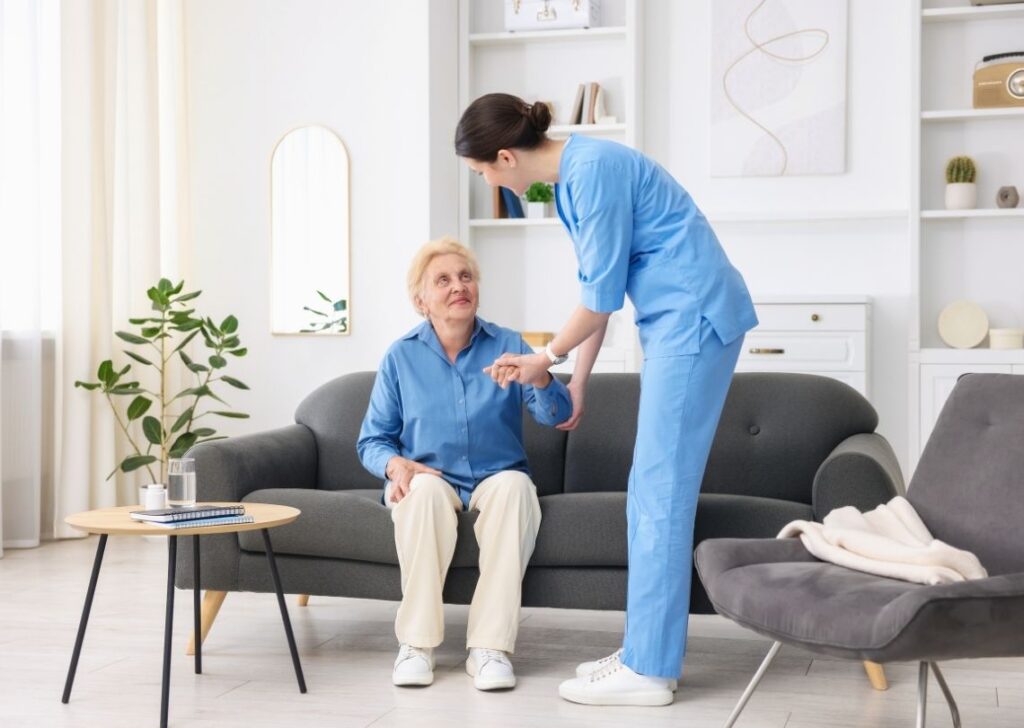
Integrating mobility exercises into everyday personal care is one of the most effective ways caregivers support senior recovery at home. Instead of treating exercise as a separate task, caregivers naturally weave movement into daily routines. This approach makes rehabilitation more practical, less intimidating, and easier to maintain consistently. It also ensures that seniors remain active throughout the day without feeling overwhelmed by structured exercise sessions.
Morning Routines That Support Safe Physical Activation
Caregivers often structure the morning as a gentle reintroduction to movement after a night of rest. Instead of immediately transitioning into demanding activity, they guide seniors through gradual physical activation that prepares the body for the day ahead.
This may include seated posture adjustments in bed, slow neck and shoulder movements, or assisted leg extensions before standing. Once the senior is ready to get up, caregivers may provide steady support during the transition from lying to sitting and from sitting to standing.
Building Early-Day Stability And Energy
These early movements help stimulate circulation, reduce morning stiffness, and improve balance before more complex activities begin. By starting the day with controlled motion, seniors are less likely to experience dizziness or muscle strain during later activities. This sets a stable foundation for safe mobility throughout the day.
Movement Integration During Hygiene And Grooming Activities
Daily hygiene routines offer natural opportunities for safe and functional movement. Caregivers use these moments to encourage controlled physical activity without adding extra strain or separate exercise time.
For example, standing while brushing teeth can be transformed into a light balance exercise when supervised properly. Similarly, stepping in and out of the shower becomes a coordinated movement activity that supports strength and stability. Dressing routines also involve reaching, bending, and shifting weight, all of which can be guided for safety and effectiveness.
Reinforcing Balance And Coordination Through Everyday Tasks
By encouraging proper posture and controlled movement during grooming activities, caregivers help seniors strengthen coordination skills in real-world settings. This approach reinforces muscle memory and improves confidence in performing daily tasks independently over time.
Encouraging Functional Movement During Meals And Kitchen Activities
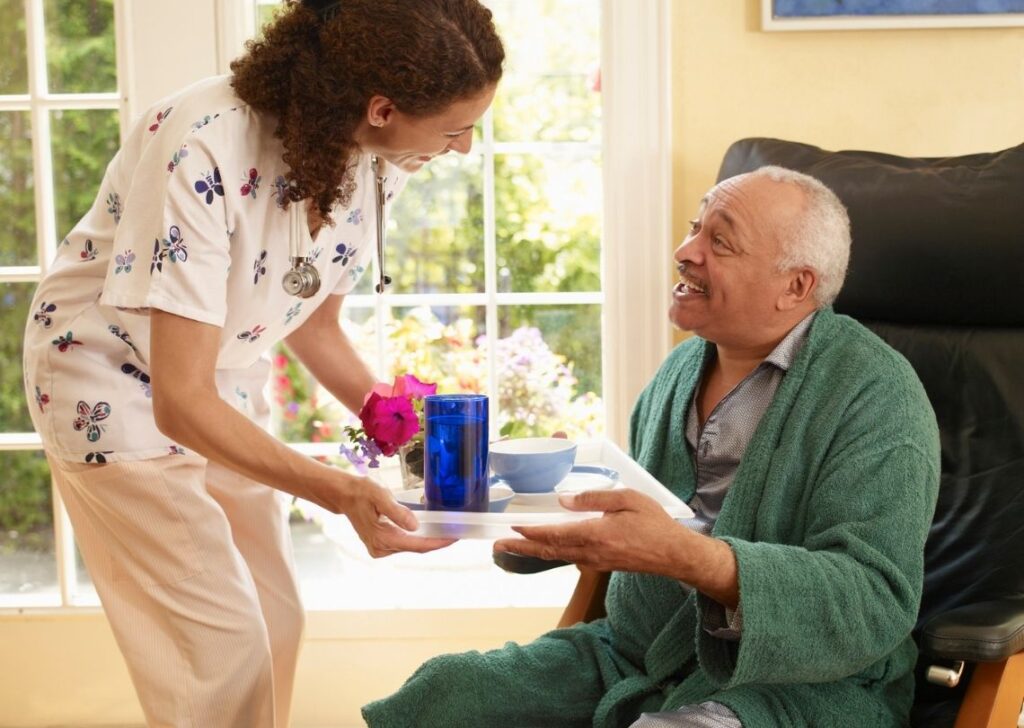
Mealtime routines also provide valuable opportunities to incorporate gentle mobility practice. Walking to the dining area, sitting down correctly, and standing up after meals all involve important functional movements that support independence.
Caregivers may guide seniors in slow, controlled walking from one room to another or assist them in practicing safe chair transfers. Even simple actions such as reaching for utensils or adjusting seating posture can be used to encourage mobility engagement.
Strengthening Everyday Independence Through Practical Motion
These small but consistent movements help improve coordination and lower-body strength while reinforcing independence in daily living tasks. Over time, seniors become more confident in navigating their home environment, which reduces reliance on assistance for basic activities.
Supporting Light Activity Throughout The Day For Continuous Progress
Beyond specific routines, caregivers also encourage small movement opportunities throughout the day. This includes short walks around the home, periodic stretching, or standing breaks during long sitting periods.
Preventing Stiffness And Encouraging Consistent Circulation
These frequent but light activities help prevent stiffness, support blood circulation, and maintain joint flexibility. By integrating movement into everyday life rather than isolating it into exercise sessions, caregivers ensure that mobility improvement becomes a natural and continuous part of the recovery process.
The Long-Term Impact Of Combining These Services
Combining in-home mobility exercises with personal care services creates benefits that extend far beyond short-term recovery. While these services are often introduced after surgery, illness, or mobility decline, their long-term impact can significantly improve a senior’s ability to age safely, comfortably, and independently at home. By addressing both physical function and daily living support at the same time, this integrated care approach promotes stability, reduces health risks, and improves overall quality of life over the years.
Sustaining Independence And Safe Aging At Home
One of the primary goals of senior care is helping older adults remain safely in their homes for as long as possible. Maintaining independence becomes increasingly difficult when mobility declines or everyday tasks become physically demanding. Combining mobility exercises with personal care services directly supports aging in place by helping seniors stay active while also receiving the assistance they need.
Mobility exercises preserve muscle strength, balance, flexibility, and coordination, which are essential for performing daily activities independently. At the same time, personal care services provide support with tasks such as bathing, dressing, meal preparation, and medication reminders. Together, these services reduce physical strain while encouraging seniors to continue participating in everyday life.
Building Long-Term Confidence In Daily Activities
As seniors regain physical ability and experience fewer movement limitations, they often become more confident in completing tasks on their own. This confidence encourages continued activity and helps prevent the emotional withdrawal that can happen when individuals feel overly dependent on others. Over time, maintaining this balance between support and independence contributes to a safer and more fulfilling lifestyle at home.
Reducing Medical Complications And Healthcare Costs
Long-term inactivity can contribute to serious health complications, including falls, muscle deterioration, poor circulation, and repeated hospitalizations. Consistent movement combined with supervised care helps reduce these risks significantly.
Mobility exercises improve physical resilience by strengthening muscles and enhancing balance, while caregivers monitor daily health changes and ensure seniors follow safe routines. This proactive support can help prevent minor issues from developing into emergencies that require hospitalization or intensive treatment.
Preventing Costly Setbacks Through Ongoing Support
Fewer falls and better overall mobility often lead to reduced emergency room visits and shorter recovery periods after illness or surgery. In the long run, families may experience lower healthcare expenses because seniors are better able to maintain their health and avoid preventable complications. This ongoing preventive approach supports both physical well-being and financial stability for aging households.
Creating A More Complete And Personalized Care Experience
Aging affects every part of a person’s life, not just physical mobility. Seniors often need support that addresses emotional well-being, daily routines, safety, and cognitive engagement alongside rehabilitation. Combining mobility exercises with personal care services creates a more comprehensive support system that adapts to these changing needs.
Caregivers can personalize routines based on the senior’s energy levels, physical limitations, and recovery goals. This flexibility allows care plans to evolve gradually as mobility improves or health conditions change. Seniors benefit from a balanced approach that supports comfort, structure, and active participation in everyday life.
Encouraging Long-Term Wellness And Quality Of Life
Rather than focusing only on recovery from a specific condition, this integrated model promotes overall wellness and long-term quality of life. Seniors are encouraged to remain active, socially engaged, and mentally stimulated while receiving practical assistance tailored to their individual needs. This combination creates a sustainable care environment that supports healthier aging and greater life satisfaction over time.
Conclusion
Combining in-home mobility exercises for seniors with personal care services creates a powerful, integrated approach to aging support. Rather than treating physical movement and daily assistance as separate needs, this model brings them together into a seamless system that enhances safety, independence, and quality of life.
Seniors benefit from improved strength, balance, and flexibility while also receiving the daily support they need to navigate essential tasks. Caregivers play a key role in reinforcing exercise routines, ensuring safety, and encouraging consistent movement throughout the day. Beyond physical improvements, this combination also supports emotional well-being, reduces isolation, and promotes a sense of dignity and independence.
For families caring for aging loved ones, this approach offers peace of mind and measurable results. It transforms daily care into an opportunity for rehabilitation, growth, and long-term health maintenance. Ultimately, combining mobility exercises with personal care services is not just a convenience—it is a comprehensive strategy for helping seniors live safer, more active, and more fulfilling lives at home.
Frequently Asked Questions
1. Why Should Mobility Exercises Be Combined With Personal Care Services?
Combining both ensures seniors receive consistent support, making it easier to perform exercises safely and regularly while also receiving help with daily tasks.
2. Are Mobility Exercises Safe For All Seniors?
Yes, when properly guided and adjusted to the individual’s condition. Caregivers or professionals should tailor exercises based on health status and mobility level.
3. How Often Should Seniors Do Mobility Exercises?
Ideally, seniors should engage in light mobility exercises daily, even if only for short periods, to maintain strength and flexibility.
4. Can Caregivers Replace Physical Therapists?
Caregivers do not replace physical therapists but can reinforce prescribed exercises and help maintain consistency between therapy sessions.
5. What Are The Main Benefits Of This Combined Approach?
Improved mobility, reduced fall risk, enhanced independence, better emotional health, and increased safety in daily living activities.
How Companion Visits And Social Support Help Seniors Stay Connected At Home
Staying socially connected is an important part of healthy aging. Many older adults spend long stretches of time alone, especially when family members live far away or busy schedules make regular visits difficult. Over time, limited social interaction can lead to loneliness, reduced motivation, and a decline in emotional well-being. Seniors often benefit from consistent companionship that brings conversation, activity, and a sense of connection back into everyday life.
Companion Visits and Social Support from Serenity Family Homecare help seniors stay engaged, supported, and connected while remaining in the comfort of their own homes. Our caregivers provide friendly conversation, shared activities, light assistance with daily routines, and meaningful social interaction tailored to each person’s interests. Whether it’s enjoying a walk, playing games, sharing a meal, or simply spending time talking, these visits create moments of connection that brighten the day.
With regular companion visits in place, seniors maintain stronger emotional well-being and feel less isolated. Families gain peace of mind knowing their loved one has consistent social interaction and caring support. Contact Serenity Family Homecare today to schedule an assessment and learn how Companion Visits and Social Support can help your loved one stay connected and supported at home.
Disclaimer
The information on this website is for general education only and should not be treated as medical, legal, or professional advice. Every family and health situation is different, so you should speak with a qualified healthcare provider or appropriate professional before making care decisions. Do not make changes to a care plan or rely on this content as a substitute for professional guidance. The information on this site may not reflect the most current medical standards or practices. Serenity Family Homecare is not responsible for any actions taken or not taken based on the material on this website.