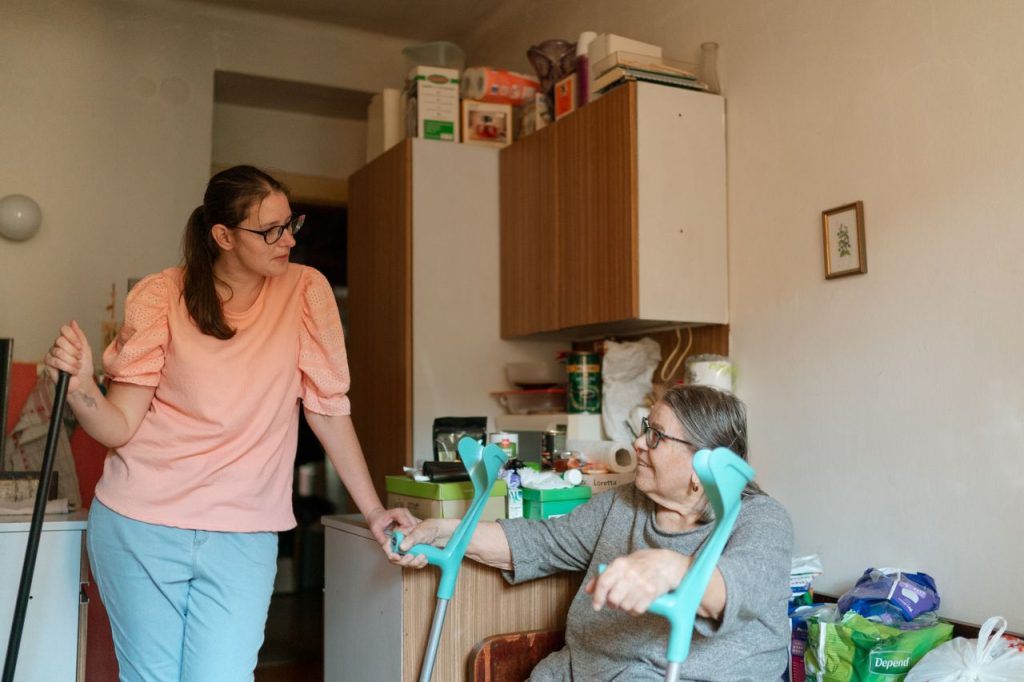
As seniors age, maintaining physical mobility becomes one of the most important parts of preserving independence, confidence, and quality of life. Everyday activities that once felt simple—walking through the house, getting out of bed, climbing stairs, bathing, or carrying light household items—can gradually become more difficult over time. Many families notice these changes slowly, often dismissing them as a normal part of aging. However, declining mobility can significantly affect a senior’s physical health, emotional well-being, and overall safety if not addressed early.
One of the most effective ways families can support aging loved ones is by introducing in-home mobility exercises into a senior care plan. These exercises are designed to help older adults improve movement, strengthen muscles, maintain flexibility, and reduce fall risks while remaining in a familiar home environment. Unlike intense fitness programs, mobility exercises focus on safe, low-impact movements that support everyday activities and functional independence.
Many families are unsure when they should begin incorporating mobility exercises into a care routine. Some wait until after a fall, surgery, hospitalization, or serious mobility limitation occurs. Unfortunately, waiting too long can make recovery more difficult and may increase the risk of long-term physical decline. In many cases, mobility support works best when introduced early, before severe balance problems or muscle weakness develop.
Mobility exercises are not only beneficial for seniors with existing physical limitations. Older adults who spend long periods sitting, avoid physical activity, or show subtle signs of weakness may also benefit from regular movement routines. Reduced physical activity can accelerate muscle loss, joint stiffness, poor circulation, and balance issues. Over time, inactivity may increase the likelihood of falls, injuries, chronic pain, and reduced independence.
In-home mobility exercises can be customized to fit a senior’s physical abilities and medical needs. Some seniors may benefit from gentle chair exercises and stretching routines, while others may be capable of balance training, walking programs, or light resistance exercises. The goal is not athletic performance but maintaining safe movement and supporting daily function.
Another important reason to add mobility exercises to a care plan is the emotional impact of reduced mobility. Seniors who struggle to move safely may become anxious, frustrated, or embarrassed about their limitations. Some begin avoiding hobbies, family gatherings, or social interactions because they fear falling or becoming dependent on others. Regular movement may help improve confidence, encourage social engagement, and support emotional health.
Families and caregivers also benefit when seniors maintain mobility. Improved strength and balance can reduce the amount of physical assistance required for daily tasks such as standing, walking, or transferring between surfaces. This can reduce caregiver strain while improving safety throughout the home.
Healthcare professionals increasingly emphasize preventative wellness for aging adults, and mobility support has become a key part of healthy aging strategies. Early intervention can help seniors remain active, independent, and engaged for longer periods of time. Understanding when to introduce mobility exercises—and how to incorporate them safely into a care plan—can make a meaningful difference in a senior’s long-term health and quality of life.
This guide explores the warning signs families should watch for, the benefits of mobility exercises, common exercise options for seniors, and how families can safely create a supportive movement routine at home.
Key Takeaways
- In-home mobility exercises help seniors maintain strength, flexibility, balance, and coordination.
- Families should not wait until after a fall or injury to introduce mobility support.
- Early mobility exercises may reduce fall risks and improve independence.
- Signs such as slower walking, stiffness, and balance problems may indicate declining mobility.
- Seniors recovering from surgery, illness, or hospitalization often benefit from mobility-focused care plans.
- Mobility exercises may improve emotional well-being and confidence.
- Chair exercises, stretching, walking routines, and balance exercises are common mobility activities.
- Customized exercise plans are safer and more effective for seniors.
- Regular movement may reduce caregiver strain and improve home safety.
- Long-term consistency is important for maintaining mobility and independence.
Why Mobility Is Important For Seniors
Mobility affects nearly every aspect of a senior’s life. It influences independence, safety, confidence, physical health, and emotional well-being.
Reduced Mobility Can Affect Daily Living
When seniors lose strength or balance, even simple daily activities may become difficult. Tasks such as getting dressed, using the bathroom, preparing meals, or walking across the home may require assistance.
Reduced mobility can lead to frustration and decreased confidence. Seniors who struggle with movement may begin relying more heavily on caregivers or avoiding activities they once enjoyed.
Maintaining mobility allows seniors to remain more independent and continue participating in their daily routines safely.
Mobility Helps Prevent Falls
Falls are one of the leading causes of injuries among older adults. Weak muscles, poor balance, slower reflexes, and stiff joints all contribute to fall risks.
Mobility exercises can help strengthen stabilizing muscles while improving coordination and balance. Better physical control may reduce the likelihood of slips and accidents throughout the home.
Families who notice unsteadiness or hesitation while walking should consider mobility support before a serious injury occurs.
Physical Activity Supports Overall Health
Regular movement may improve circulation, joint flexibility, cardiovascular health, and muscle function. Seniors who stay active often experience better endurance and energy levels compared to those who are sedentary.
Exercise may also help manage chronic conditions such as arthritis, osteoporosis, and diabetes by supporting overall physical function.
Warning Signs A Senior May Need Mobility Exercises
Mobility decline often happens gradually, making it difficult for families to recognize early signs.
Difficulty Standing Up
One of the first signs of reduced strength is difficulty standing from a seated position. Seniors may push themselves up using both hands, rock forward repeatedly, or move very slowly when standing.
This may indicate weakening leg muscles and reduced core strength.
Exercises focused on lower-body movement can help improve these functional abilities.
Slower Walking Speed
Seniors who walk more slowly than usual may be experiencing reduced balance, muscle weakness, or decreased endurance.
Shuffling feet, short steps, or hesitation while turning corners can also signal mobility challenges.
Walking exercises and balance training may help improve movement confidence.
Increased Fear Of Falling
Some seniors become anxious about movement after seeing others fall or experiencing a near accident themselves.
Fear often causes seniors to limit physical activity, which can worsen weakness and balance problems over time.
Gentle mobility exercises may help seniors regain confidence while moving safely.
Stiffness And Joint Pain
Joint stiffness and discomfort can discourage physical activity. Seniors with arthritis or prolonged inactivity may experience reduced flexibility in the hips, knees, shoulders, or back.
Stretching and range-of-motion exercises can help maintain joint movement and reduce stiffness.
Recovery After Surgery Or Illness
Hospital stays, surgeries, and extended bed rest often lead to rapid muscle loss and decreased endurance.
Seniors recovering from procedures such as hip replacements or illnesses may benefit from structured mobility exercises during recovery.
Benefits Of Adding In-Home Mobility Exercises To A Care Plan
Mobility exercises provide both physical and emotional benefits for aging adults.
Improved Strength And Stability
Strength-building exercises help seniors maintain muscles needed for standing, walking, climbing stairs, and performing household tasks.
Improved strength often contributes to better stability and safer movement.
Better Balance And Coordination
Balance exercises help seniors improve body awareness and coordination.
These exercises may reduce fall risks while increasing confidence during movement.
Increased Flexibility
Stretching routines can improve flexibility and reduce muscle tightness. Better flexibility may help seniors move more comfortably and complete everyday activities with less pain.
Greater Independence
Seniors who maintain mobility are often able to continue bathing, dressing, cooking, and moving throughout the home independently.
This can improve dignity and quality of life.
Improved Emotional Well-Being
Exercise may help reduce stress, frustration, and feelings of isolation.
Many seniors feel more positive and energized when they remain physically active.
Types Of In-Home Mobility Exercises For Seniors
Different mobility exercises target different physical needs and abilities.
Stretching And Flexibility Exercises
Stretching exercises help reduce stiffness while maintaining joint mobility.
Areas commonly stretched include:
- Shoulders
- Hips
- Neck
- Back
- Calves
- Hamstrings
Gentle stretching may improve comfort and range of motion.
Light Strength Training
Resistance bands or body-weight exercises may help seniors maintain muscle mass and functional strength.
Strength-focused movements should be low-impact and carefully supervised when necessary.
How Families Can Introduce Mobility Exercises Safely
Safety should always be a priority when beginning a new exercise routine.
Start Slowly
Inactive seniors should begin with short exercise sessions and gentle movements.
Overexertion can lead to soreness or discouragement.
Consistency is often more important than intensity.
Create A Safe Home Environment
Families should remove tripping hazards such as loose rugs and clutter.
Additional safety measures may include:
- Good lighting
- Stable chairs
- Support rails
- Non-slip footwear
These adjustments can reduce fall risks during exercise.
Encourage Professional Guidance
Physical therapists and senior fitness specialists can create personalized mobility plans based on the senior’s health and physical condition.
Professional guidance may be especially important for seniors with:
- Chronic illnesses
- Balance disorders
- Recent surgeries
- Arthritis
- Neurological conditions
Build Exercise Into Daily Routines
Scheduling movement activities at consistent times each day may help seniors stay motivated and develop healthy habits.
Short daily sessions are often easier to maintain than occasional long workouts.
Emotional And Social Benefits Of Staying Active
Mobility exercises affect more than physical health alone.
Increased Confidence
When seniors feel stronger and more stable, they often gain confidence performing everyday activities independently.
This can improve emotional well-being and reduce anxiety about falling.
Better Mood And Mental Health
Regular movement may support emotional health by helping reduce feelings of loneliness, stress, and frustration.
Physical activity may also contribute to better sleep and increased energy levels.
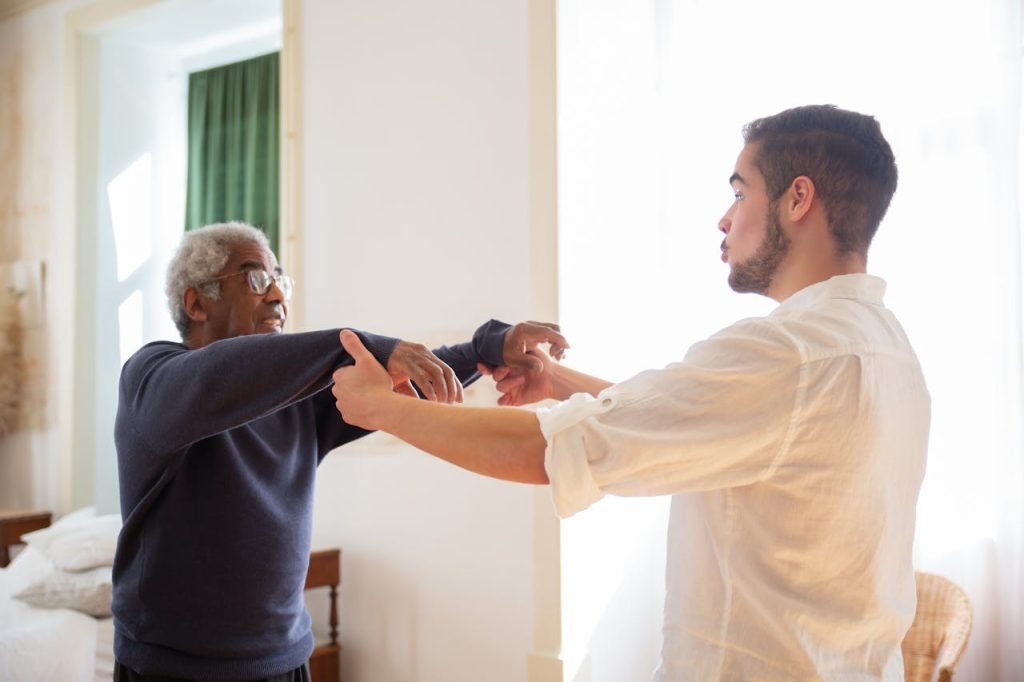
How Mobility Exercises Help Family Caregivers
Caregivers often experience physical and emotional strain when assisting seniors with mobility limitations.
Reduced Physical Demands
When seniors maintain strength and balance, caregivers may spend less time assisting with transfers, walking, or lifting.
This can reduce caregiver fatigue and physical stress.
Improved Home Safety
Better mobility may lower the likelihood of accidents and emergency situations in the home.
More Positive Caregiving Experiences
Seniors who feel more independent may require less constant supervision, creating a more balanced caregiving relationship.
Building A Long-Term Mobility Care Plan
Mobility support should be viewed as an ongoing part of healthy aging.
Monitor Progress
Families should regularly observe changes in:
- Walking ability
- Endurance
- Balance
- Flexibility
- Confidence levels
Adjustments may be needed as the senior’s needs change over time.
Combine Exercise With Healthy Habits
Good nutrition, hydration, proper sleep, and regular healthcare appointments all support mobility and overall wellness.
Stay Consistent
Consistency often produces the best long-term results. Even light daily movement can significantly improve physical function over time.
Celebrate Small Achievements
Recognizing progress may help seniors remain motivated and engaged with their exercise routines.
Conclusion
Families should consider adding in-home mobility exercises for seniors to a care plan as soon as early signs of mobility decline begin to appear. Difficulty standing, slower walking, balance problems, stiffness, fear of falling, and reduced physical activity are all indicators that a senior may benefit from additional movement support. Waiting until after a fall or serious injury can make recovery more difficult and may reduce long-term independence.
Mobility exercises are valuable because they focus on practical movements that support everyday living. These exercises may improve muscle strength, flexibility, balance, coordination, and confidence while helping seniors move more safely throughout the home. Even simple chair exercises, stretching routines, or short walking sessions can create meaningful improvements when performed consistently.
The benefits extend far beyond physical health. Seniors who stay active often experience better emotional well-being, greater social engagement, and increased confidence in their daily routines. Mobility exercises may also reduce caregiver strain by helping seniors remain more independent with household movement and self-care activities.
Every senior has unique physical abilities and healthcare needs, so exercise routines should be personalized whenever possible. Some older adults may benefit from gentle seated exercises, while others may need supervised balance training or structured walking programs. Working with healthcare professionals can help families create safe and effective care plans tailored to individual needs.
Supporting mobility is one of the most important ways families can help seniors maintain dignity, safety, and quality of life during the aging process. Early intervention, consistency, and encouragement can help aging adults stay active, healthier, and more independent for years to come.
FAQ
1. What Are In-Home Mobility Exercises For Seniors?
In-home mobility exercises are gentle physical activities designed to improve movement, balance, flexibility, coordination, and strength for older adults within a home setting.
2. When Should Families Start Mobility Exercises For Seniors?
Families should consider mobility exercises when seniors begin showing signs of weakness, stiffness, balance problems, slower movement, or reduced physical activity.
3. Can Mobility Exercises Help Prevent Falls?
Yes. Mobility exercises often improve balance, coordination, and muscle strength, which may reduce fall risks.
4. Are Chair Exercises Effective For Seniors?
Chair exercises can be highly effective because they provide support while helping seniors improve flexibility, circulation, and muscle strength safely.
5. How Often Should Seniors Do Mobility Exercises?
Many seniors benefit from light movement daily or several exercise sessions per week, depending on their health and ability levels.
6. Should Seniors Consult A Doctor Before Starting Exercises?
Yes. Seniors should consult healthcare professionals before beginning new exercise routines, especially if they have chronic conditions or recent injuries.
7. Can Mobility Exercises Help After Surgery?
Yes. Mobility exercises are commonly used during rehabilitation to rebuild strength, endurance, and safe movement after surgery or illness.
8. What If A Senior Refuses To Exercise?
Families can start with short, gentle activities and focus on enjoyable routines. Positive encouragement and professional guidance may help increase participation and confidence.
How Companion Visits And Social Support Help Seniors Stay Connected At Home
Staying socially connected is an important part of healthy aging. Many older adults spend long stretches of time alone, especially when family members live far away or busy schedules make regular visits difficult. Over time, limited social interaction can lead to loneliness, reduced motivation, and a decline in emotional well-being. Seniors often benefit from consistent companionship that brings conversation, activity, and a sense of connection back into everyday life.
Companion Visits and Social Support from Serenity Family Homecare help seniors stay engaged, supported, and connected while remaining in the comfort of their own homes. Our caregivers provide friendly conversation, shared activities, light assistance with daily routines, and meaningful social interaction tailored to each person’s interests. Whether it’s enjoying a walk, playing games, sharing a meal, or simply spending time talking, these visits create moments of connection that brighten the day.
With regular companion visits in place, seniors maintain stronger emotional well-being and feel less isolated. Families gain peace of mind knowing their loved one has consistent social interaction and caring support. Contact Serenity Family Homecare today to schedule an assessment and learn how Companion Visits and Social Support can help your loved one stay connected and supported at home.
Disclaimer
The information on this website is for general education only and should not be treated as medical, legal, or professional advice. Every family and health situation is different, so you should speak with a qualified healthcare provider or appropriate professional before making care decisions. Do not make changes to a care plan or rely on this content as a substitute for professional guidance. The information on this site may not reflect the most current medical standards or practices. Serenity Family Homecare is not responsible for any actions taken or not taken based on the material on this website.