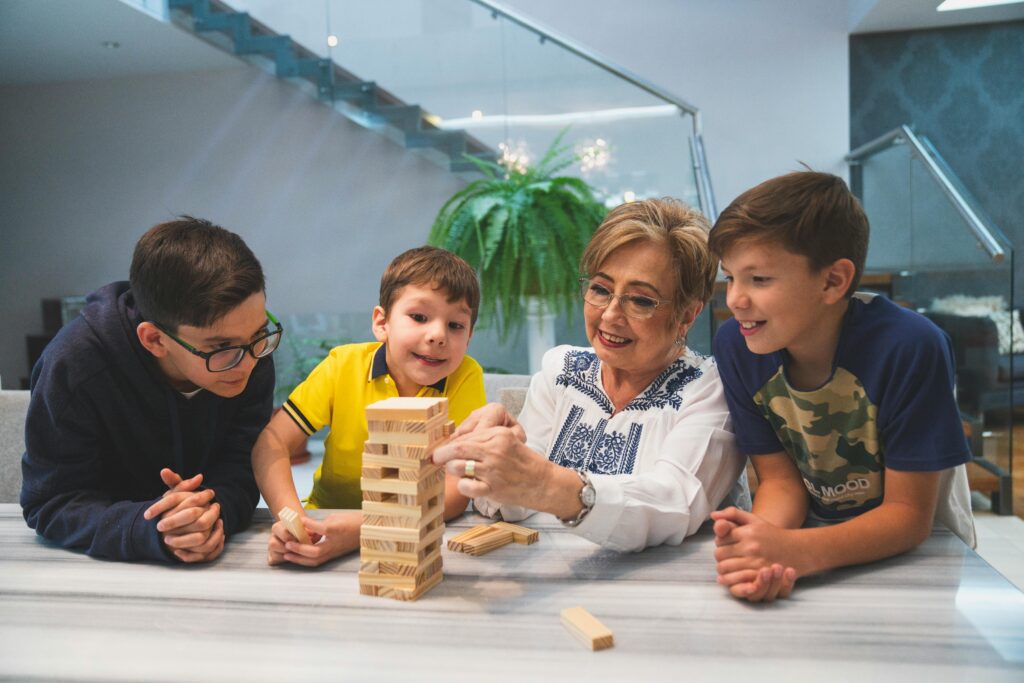
Companionship visits for seniors reduce isolation by providing genuine, in-person social interaction and a consistent connection with people. Many seniors endure days with minimal conversation or visitors, which can be isolating or depressing. Companionship visits for seniors are essential because regular visits from friends, family, or volunteers help fill those empty hours with chat, laughter, and shared moments. Small actions such as breaking bread together, reminiscing on old times, or even quietly sitting side by side can assuage an older adult’s feelings of invisibility. They don’t have to be long or formal. What counts is the human connection. In the body of this post, I’ll demonstrate how these visits reduce loneliness and provide tips to make each visit count.
Key Takeaways
- When you introduce companionship visits for older adults, you help reintroduce and maintain daily structure, which translates into improved emotional stability and well-being.
- Because meaningful interactions during visits validate older adults’ identities and life experiences and boost their self-esteem and sense of purpose, companionship visits are effective in reducing loneliness.
- Mutual engagement is made possible by promoting reciprocal relationships, which enable the older adult and their companion to enjoy shared activities and conversation.
- Regularly scheduled visits and the introduction of engaging activities create something to look forward to, which can be a powerful incentive for better spirits and mental well-being.
- How companionship visits for seniors combat loneliness, the mental, physical, and cognitive benefits of companionship visits for older adults, and their positive impact on families and communities.
- Tailoring companionship services to individual needs and preferences and regularly evaluating visit frequency and content ensures that support remains effective and meaningful for older adults worldwide.
The Psychology Of Connection
Companionship visits address more than just the lack of company, but they fulfill the human hunger for connection and play a crucial role in reducing loneliness among seniors. A loneliness of later life is not merely aloneness, but it stems from a deficit in actual participation and common experience. Frequent visits help seniors rebuild their sense of value and belonging, which ultimately improves their emotional health. Studies from the US and the UK show that loneliness is widespread among senior citizens. These visits carry even more weight.
1. Restores Routine
Having friends stop by at scheduled intervals restores structure and regularity to our lives, significantly aiding in reducing loneliness for many elderly individuals. Particularly those who live alone or are reestablishing themselves after loss often lose their groove. Little rituals, such as taking tea at the same hour, working in the garden, and going for walks together, help to solidify these habits. Planning meals or solving puzzles are examples of new routines that may emerge to offer some achievement and cognitive engagement. These routines become home bases, and monitoring mood swings can demonstrate how good companion care protects mental health.
2. Validates Identity
Talking about accomplishments or experiences shows respect for each person’s individuality and can significantly help reduce loneliness. Asking about their favorite books or telling them stories about their early years are examples of personalized attention that improve emotional health and emphasize their worth. By preserving their legacy and validating them, storytelling promotes social ties that support efficient companion care.
3. Sparks Reciprocity
Good companionship care is never unidirectional. Open dialogue allows seniors to express themselves and hear back, which is vital for reducing loneliness and enhancing emotional well-being. When they participate in discussions or assist with small tasks, it fosters a sense of reciprocity. Kindnesses, be it sending a coveted recipe or swapping letters, fortify these connections, promoting healthy aging and companionship support.
4. Fosters Anticipation
Scheduled visits give seniors something to look forward to, which is crucial for lowering loneliness and improving mental health. Excitement is created by talking about forthcoming events or putting special days on a calendar, and visual cues like notes and pictures can help sustain this anticipation. Celebrating birthdays or small milestones contributes to companionship care, combating anxiety, and low mood.
5. Reduces Rumination
Interesting discussions can help in reducing loneliness and distract from negative rumination. Mindfulness practices, like deep breathing or simple meditation, can be integrated into friendly face-to-face visits, helping seniors remain present. A trusting environment fosters openness in sharing emotions or concerns, ultimately supporting emotional resilience and well-being.

What Happens During Visits?
Senior companionship visits aren’t just periodic companionship, but they play a crucial role in reducing loneliness and addressing social isolation among seniors. These visits provide a combination of structured and informal engagements that cover the social void so prevalent among seniors, personalizing the experience to maximize the anti-loneliness effect and enhance emotional well-being.
Shared Activities
Shared activities are frequently at the heart of a companionship visit, playing an essential role in reducing loneliness and enhancing emotional well-being. These can be as easy as playing a board game or as involved as a quilting circle. Whatever the senior enjoys, whether it be painting, gardening, or even stretching with a small walk in the park, activities are thoughtfully chosen. The idea is to exercise both mind and body, which contributes to healthy aging. Crafting or hobbies provide seniors with a sense of meaning, as friendly face-to-face visits foster connections, inspire joy, and promote life satisfaction.
Simple Conversations
Visits tend to be casual and involve easy conversations about what is important to the senior, such as reducing loneliness and enhancing emotional well-being. These discussions could be about the present, reminiscing, or just enjoying coffee. By allowing them to freely express their ideas and feelings without worrying about the consequences, companions help seniors feel valued and understood. Active listening plays a significant role in effective companion care. A sibling could inquire about a cherished recollection or hear grievances over wellness, providing the emotional resilience needed, particularly for individuals who might not experience frequent visits from relatives or acquaintances.
Practical Assistance
Help with everyday chores, like grocery shopping or preparing a simple dinner, is frequently included in companionship care visits. For many seniors, these daily tasks can become overwhelming, leading to increased social isolation. Companions can provide rides to doctor’s appointments or social events, encouraging independence and mobility. By offering reminders for medication or scheduled activities, companions alleviate stress, contributing to emotional well-being and reducing loneliness. By taking care of essential tasks, companion caregivers help seniors feel more in charge of their own time and combat feelings of isolation.
Benefits Of Companionship
These companion care services accomplish more than simply filling otherwise empty hours for older adults. They influence everyday life in ways that affect mental, physical, and cognitive well-being, ultimately reducing loneliness and enhancing life satisfaction. Social isolation is common among seniors because most of them break off relationships with their spouses, friends, and coworkers. According to research, around 37% of adults aged 50 to 80 in the US have experienced loneliness, and 34% are socially isolated. It’s these small moments, sharing a meal or a walk in the park, that provide that much-needed support and reinforce independence. Companion care can be tailored to needs, from a few hours per week to round-the-clock care, so it can work for seniors anywhere.
Mental Health
Companionship can help reduce anxiety and depression by providing consistent support and a person to confide in. When you have a dependable presence nearby, it is easier to spread the burden of concerns and multiply the benefits of happiness. This emotional connection helps seniors in establishing resilience, potentially reducing their risk of mental health deterioration as they age.
Participating in group activities, even small ones, fosters social connection. These common moments keep loneliness at bay. These regular visits allow you to keep an eye on your mother’s mood and mental state and help you detect changes early and act fast.
Active Physical Health
When seniors have friends, they tend to get up and get active. Even a walk in the neighborhood or some light stretching together can invigorate and promote health. Buddies assist with nutritious meals and remind seniors to drink plenty of water.
These little check-ins during visits bolster regular health routines that are difficult to maintain on your own. These habits, combined with regular social interaction, can contribute to a longer, more vigorous life.
Cognitive Ability
Social visits invigorate your thinking and keep your mind limber. Discussing memories, current events, or playing word games exercises the brain. Adjusting these endeavors as demands shift is crucial. Occasionally a riddle, occasionally a talk.
Companions can expose you to new subjects or abilities, promoting lifelong learning. This consistent mental stimulation bolsters neurocognitive vitality and helps stave off memory decline.
Beyond The Individual Visit
Companionship visits transcend the visit itself, establishing a foundation of ongoing support that continues beyond the visit. Frequent, amicable in-person visits with a companion can relieve the burden of social isolation and re-engage the elderly in your life while encouraging them to stay active and self-sufficient. Families and the greater community gain from these advantages, which go well beyond that one-time visit.
The Companion’s Role
A companion is more than a visitor who arrives for an hour, and they become an elder’s trusted friend and confidant over time. Cultivating this trust requires more than just the visit, but it necessitates patience, understanding, and genuine compassion. Most companions are trained specifically to identify distress and respond in an effective, compassionate, yet pragmatic manner. For seniors with mobility issues or those experiencing senior isolation after losing spouses, such assistance is essential in reducing loneliness.
Visitors can check in on emotional needs, offer a listening ear, and help seniors stay engaged with hobbies or news. They watch for shifts in mood or behavior and frequently detect issues in their nascent stages before they exacerbate. This friendly face-to-face interaction is crucial for maintaining social connections and enhancing emotional resilience among the elderly.
Seniors can retain their independence by having companions help with everyday tasks like shopping or going for walks. The time between visits is addressed by this companionship support, which also lessens the risky isolation that exacerbates depression or dementia. Regular contact with a familiar face fosters a sense of belonging and overall well-being.
The Family’s Peace
Families gain genuine peace of mind knowing their loved ones are not experiencing social isolation. When families are far apart or tied down with work, they depend on companion caregivers to keep their loved ones engaged in everyday life. Open communication channels between companions and families simplify sharing updates on the older adult’s condition, enhancing their emotional well-being.
For many, just the knowledge that a reliable companion is visiting can significantly reduce loneliness levels and alleviate some of the caregiver guilt. Companions can notice shifts in health or mood and communicate these to family, ensuring proactive decision-making regarding effective companion care.
This consistent communication aids families in managing caregiving duties and keeps them well-informed about their loved one’s quality aging journey.
The Community’s Health
Companion visits don’t just help a person, but they help a community. The neighborhood is safer, richer, and more cohesive when there are more active senior citizens. By training and supporting companions, such programs generate employment and increase visibility around loneliness as a public health problem.
Local groups, health providers, and nonprofits partnering can take these services beyond the individual visit to ensure more people get help. This sort of collaboration creates a more robust safety net and a higher quality of life for all.
How To Structure Visits
Effective companionship visits, aimed at reducing loneliness and enhancing emotional resilience, call for thoughtful planning and a flexible approach. Each visit should match the unique needs and daily rhythms of the older adult while supporting the companion’s availability. Visits that follow a clear structure can foster trust, ease social isolation, and allow for early detection of changes in well-being.
Regular Visit
Start with short, weekly visits to gauge the older adult’s comfort and social needs. Some may benefit from increasing the frequency if they show signs of loneliness, like withdrawing from social activities or mentioning a lack of company. Consistent companionship care helps build trust and gives something predictable to look forward to, which can ease anxiety and boost emotional well-being. If the older adult’s mood or health shifts, adjust the frequency. More visits during tough periods or fewer if they need extra rest. Share updates with families so everyone understands why regular face-to-face visits matter and how they support life satisfaction.
Visit Duration
Determine visit durations that are stimulating but not exhausting, as effective companion care can significantly reduce loneliness levels. If you are an easily fatigued type, multiple short visits per week may be more effective than a single marathon. Visits can take anywhere from 30 minutes to a few hours, depending on the day, your energy level, and your preference. Activities such as viewing photo albums or telling stories can enhance social connections and define the visit’s pace and length. Be attentive to any signs of fatigue or fidgetiness and tweak visits accordingly to ensure each remains positive and encouraging.
Visit Consistency
A regular schedule of visits is comforting and plays a crucial role in reducing loneliness among seniors. Maintaining a consistent schedule, such as visiting the same day each week, provides a sense of predictability that many seniors value. Friends who arrive regularly become a trusted presence in the senior’s life, fostering trust and helping to identify early shifts in physical or cognitive condition. Over time, this constant presence can motivate the schedule, assist with day-to-day activities, or simply provide companionship care, allowing seniors to confide in someone and relate to them.
Finding The Right Companion
About being a good companion. The right match can color the daily experience and provide solace for those who live solo or away from loved ones. It’s important to select someone who’s not only compassionate but also professionally trained to provide effective companion care. Companions assist with light errands such as shopping, cooking, or housekeeping, allowing seniors to maintain their independence. This support is more than a checklist of chores, but it plays a crucial role in reducing loneliness and enhancing life satisfaction as their requirements evolve with age.
A reliable companionship care service is going to be patient, respectful, and empathetic. These qualities are not insignificant. For instance, a good listening companion who observes a change in mood can identify when a senior requires additional support. Professional care training means that the companion understands how to handle health or mobility problems. The emotional support is just as important as the physical assistance. A decent companion provides comfort and daily conversations, ensuring that every interaction is cozy, not just another chore.
Compatibility is my second point. It’s not enough for a companion to be skilled, but there should be common interests or similar vocabulary. For example, if a senior enjoys music, having a companion who can sing along or discuss favorite tunes brings genuine enrichment. Something about compatibility helps trust to blossom and makes each face-to-face encounter a treat. This connection can be a source of genuine happiness and solace, softening the sting of senior isolation.
Families should always have an interview with a possible companion prior to making a selection. An interview or trial visit will reveal if the companion and senior mesh well. It provides an opportunity to discuss daily habits and special requirements. This step can prevent future anguish and make everyone feel better and more comfortable about the match.
Input from other families is useful. Reviews can reveal a companion’s consistency, kindness, and capacity to develop deep connections. By reading about others’ experiences, families can make smarter decisions, steer clear of pitfalls, and navigate the process of finding effective companion care more easily.
Final Remarks
Companionship visits provide a genuine lift for seniors. In-person conversations, shared food, or even a walk provide a human connection that lightens the day. Routine visits ignite happiness, boost spirits, and reveal fresh tales and chuckles. They just come, they listen, and they respect one another. That respect nurtures trust over time. Even a brief visit can go a long way. The positive impact extends to families, friends, and entire communities. We all win when we take time for one another. To support an older neighbor or relative, simply begin with a phone call or a conversation. Every visit counts. If you have visit tips or stories, tell us. So we keep educating and supporting each other.
Frequently Asked Questions
1. How Do Companionship Visits Help Reduce Loneliness In Older Adults?
Companion care effectively reduces loneliness and fosters community by providing social interaction and emotional support.
2. What Activities Are Usually Included In A Companionship Visit?
Typical activities include friendly face-to-face visits, conversation, board games, reading, or going for a walk, all aimed at reducing loneliness and enhancing emotional well-being.
3. Who Can Provide Companionship Visits For Older Adults?
Companionship care services can be provided by trained volunteers, family members, friends, or professional caregivers to reduce loneliness and enhance emotional well-being.
4. How Often Should Companionship Visits Take Place?
Once or twice a week, face-to-face visits are ideal for reducing loneliness and enhancing well-being.
5. What Qualities Should A Good Companion Have For These Visits?
A great companion caregiver is patient, empathetic, respectful, and reliable, providing effective companion care that helps reduce loneliness and enhance emotional well-being for older adults.