Personal care services for seniors typically involve assistance with everyday activities like bathing, dressing, grooming, and general hygiene. Some providers assist with getting in and out of bed, using the toilet, and brushing teeth or hair. Others include assistance with meals, such as food cutting or feeding, and assistance with walking or transferring from room to room. Caregivers can remind seniors to take medicine, maintain clutter-free living spaces, or assist with laundry and light housekeeping. Usually, it’s about keeping seniors safe, clean, and comfortable in their own homes. To illustrate what these tasks really look like in day-to-day routines, we’ll provide transparent, practical examples and advice in the sections below.
Key Takeaways
- Daily personal care services for seniors can cover basic needs such as hygiene assistance, mobility support, meal preparation, and light housekeeping.
- Promoting independence and participating in their daily routines can maintain autonomy and confidence and foster emotional well-being.
- Implementing comprehensive safety measures, such as home adaptations and regular evaluations, is critical for reducing risks and maintaining a secure living environment.
- Professional caregivers are essential for offering caring, dependable, and educated assistance. They stress continuous learning and flexibility.
- Personalized care plans tailored to individual needs and preferences enhance dignity, respect, and overall quality of life.
- Open communication with family and health care providers helps to make sure that care stays responsive and effective as needs evolve.
Core Personal Care Tasks
Core personal care tasks, including bathing and medication management, are essential for seniors’ overall health and comfort at home. Dependable home caregivers provide flexible assistance with these daily care needs to promote autonomy.
- Bathing, showering, and grooming
- Brushing teeth and oral care
- Dressing and undressing
- Walking and safe movement around the home
- Meal preparation and dietary planning
- Medication reminders and health management
- Light housekeeping and home organization
1. Personal Hygiene
Practices such as brushing teeth, washing hands, and bathing regularly play a key role in keeping the body healthy. Many seniors require assistance with bathing and showering, particularly if they have mobility or cognitive impairments. These personal care assistant duties can be hard and even dangerous to complete alone, which makes hygiene care one of the most critical home caregiver duties. A caregiver can assist with shaving, hair brushing, and dressing to keep the individual looking sharp and feeling dignified. Core personal care tasks, like skin checks, are done to identify problems such as redness or sores so they can be immediately managed. Installing safety tools like handrails or non-skid mats prevents slips and injuries while performing hygiene care.
2. Daily Mobility Assistance
Seniors often need help moving safely around their homes, and home caregivers play a vital role in this process. They support walking, assist with mobility aids, and help with moving from the bed to a chair. Regular home evaluations can spot risks, and adding features like grab bars makes a big difference. Caregivers suggest simple physical activities tailored to each person’s abilities, keeping muscles strong and lowering the chance of falls.
3. Nutrition And Meals
These are some of your core daily caregiver duties. Caregivers schedule meals that fit dietary restrictions and taste, frequently assisting with grocery shopping to bring home fresh food. They remind seniors to drink water, something easy to forget but essential for overall health. Monitoring what they eat provides balanced nutrition to fuel wellness.
4. Household Assistance
Basic housekeeping tasks, such as laundry and kitchen clean-up, fall under essential home caregiver duties. By decluttering household items, personal care aides simplify spaces, providing comfort care that allows seniors and their family members more time and energy.
5. Health Reminders
Taking a medicine schedule reminder is a daily core task for home caregivers. Caregiver duties also include assisting with medical appointments and ensuring care recipients are prepared for them. These essential support steps help seniors manage chronic conditions and maintain their overall health.
Beyond The Daily Checklist
Senior personal care encompasses more than just daily care needs, it addresses physical, emotional, and social wellness by going beyond the daily checklist. A comprehensive home evaluation of everyday function can indicate where additional support, such as home caregiver duties, is required, ultimately improving the likelihood for older adults to continue living autonomously and securely. When seniors struggle with essential support tasks like bathing, dressing, or handling medication, it can lead to illness, isolation, or increased risk of death. Instrumental tasks like managing finances or maintaining the household are equally important, particularly as cognitive or physical abilities fluctuate.
- Give seniors choices and encourage self-care
- Assess needs and adjust support for each person
- Use safety equipment and home changes to lower risks
- Focus on mental health and social ties
- Check daily routines for signs of change or decline
- Work with families and healthcare teams to plan care
Promoting Independence
Allowing seniors to participate in their own care fosters dignity, which is a crucial aspect of home caregiver duties. We’re all built a little differently, with different strengths, so home care plans should accommodate those needs and desires. For others, this translates into establishing uncomplicated aids such as easy-grip utensils or talking clocks. For some, it might be modifications in the house, such as ramps or more spacious doorways, so they can get about. When seniors achieve small goals, such as making their bed or preparing a snack, acknowledging these victories can boost their spirits and maintain their momentum. Providing options, even with small personal care tasks, ensures seniors remain engaged in their own lives, increasing the likelihood they’ll retain skills longer.
Ensuring Safety
Safety plans begin with a thorough home evaluation to identify potential hazards. Installing bathroom grab bars, non-slip mats, and maintaining decluttered walkways are essential home care services that can prevent numerous falls. Regular checks can catch new hazards, such as loose rugs or poor lighting. Teaching seniors what to do in an emergency is vital for their overall health, ensuring they and their family members feel confident and prepared for anything.
Providing Companionship
| Activity | Benefit |
| Card games | Sharpen memory, social bonds |
| Gardening | Physical movement, joy |
| Storytelling | Emotional link, validation |
| Group walks | Boosts fitness, shared time |
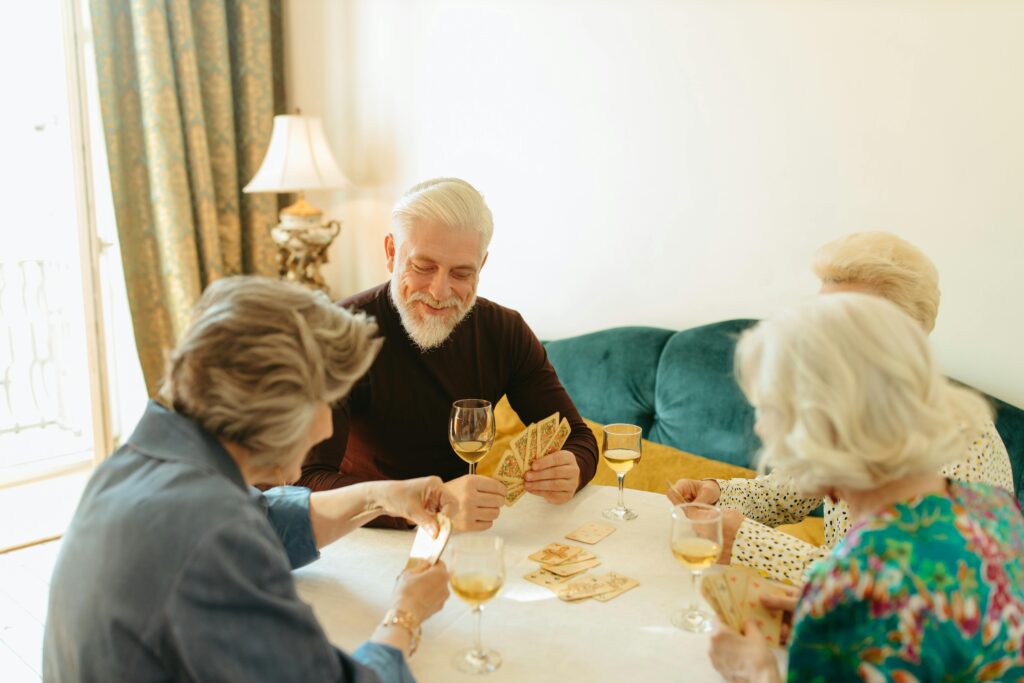
Social time isn’t merely about enjoyment, it plays a crucial role in home care services. Whether it’s doing group walks together or sharing stories, it brings connection and combats isolation. Having a personal care assistant to listen or engage in hobbies keeps minds and bodies active, providing essential support for seniors.
The Philosophy Of Care
The philosophy of care in home caregiver duties for seniors focuses on recognizing each individual as a person with unique needs, wishes, and values. This approach extends beyond basic caregiver duties, addressing emotional and social wellness, and aims to assist seniors in maintaining their independence and engagement with their communities. By taking a holistic perspective, home care fosters a nurturing environment where seniors can flourish and live with respect.
Personalized Plans
Care of a good plan begins with a strong checklist. First, collect fundamental health information, habits, and preferences. Then, record levels of mobility, medication, and food requirements. Sprinkle in social pursuits, hobbies, and favorite daily activities. Include your senior at each step to ensure their voice molds the plan.
Care plans are not set in stone. Health evolves, so should the plan. Check in on progress frequently and tweak assignments, meals, or habits accordingly. This periodic review keeps care timely and impactful. By recording every variation and outcome, care teams are able to monitor what is effective and what isn’t, allowing them to identify patterns and optimize approaches.
Dignity And Respect
Every care should be founded in kindness. Seniors are handled with care and consideration, whatever the business. This means knocking before entering, asking before assisting, and listening intently.
Privacy counts as well. Personal decisions like what to wear or when to eat are respected, which goes a long way in helping maintain dignity. Daily routines should allow outlets for self-expression, whether it is selecting music or clothing for the day.
Moods are real and valid, so care workers listen and respond to both words and moods. This reverence can minimize disorientation and assist the elderly in feeling secure, particularly for those with dementia.
Caregiver-Family Coordination
Engaging families in the process makes care more efficient. We update each other on changes, progress, or setbacks through calls, meetings, or online notes.
About the philosophy of care. They know the senior’s history and can provide perspective to inform more effective habits. Family caregivers get advice, resources, or even education to ease their burden. These check-ins allow room to discuss issues, troubleshoot, or just share positive updates.
The Professional Caregiver
Skilled caregivers are vital to the health and comfort of older adults, assisting with everyday tasks and delivering attentive, personalized care in the home.Their duties are intricate, balancing hands-on labor, emotional encouragement, and watchful attention. Compassion and empathy are non-negotiable, they form the foundation of high-quality care, creating an environment where seniors feel appreciated. This job demands a mix of pragmatic insight, relational ability, and ongoing professional development, ensuring caregivers can meet the evolving needs and health standards of their care recipients.
Essential Qualities
Patience is a requirement for home caregivers, as elders often need tasks to be repeated or take longer to complete. A calm and positive demeanor in caregivers significantly enhances the overall health of care recipients. Dependability is crucial, seniors and their families rely on steady home care services. Effective communication is essential, allowing caregivers to walk family members through schedules and address concerns. Compassion plays a vital role, especially when seniors face health or memory issues, where a comforting voice and soft hand can provide reassurance. Flexibility allows caregivers to adapt to new routines and fluctuating health conditions, ensuring consistent support even when unexpected changes arise.
Necessary Training
Caregivers often begin with foundational first aid and CPR courses, gaining the knowledge to respond swiftly during emergencies. They train for assistance with medication reminders and basic wound care, which are essential home caregiver duties. Specialized knowledge is required if your clients are diabetic, have dementia, or suffer from immobility, allowing home caregivers to provide safer and more customized personal care. Training is not a one-time event, continuing classes help caregivers stay current on best practices and new health guidance. Some get certified in elder care, nutrition, or safe lifting, ensuring they meet the daily care needs of their clients.
Building Trust
Trust results from your showing up every day and performing your home caregiver duties on time while keeping your promises. Steady, dependable caregiving, such as fulfilling personal care assistant responsibilities, makes seniors feel safe. Let’s discuss open talk. As a professional caregiver, always describe what you’re doing and answer questions truthfully. Accountability means monitoring health shifts, reporting to relatives, and accepting blame. It’s important to honor habits and personal space, reinforcing dignity and trust.
Medical Vs. Nonmedical Care
Medical and nonmedical care play different roles in facilitating seniors’ well-being at home. Medical care addresses clinical needs such as treatments, nursing, and therapies while nonmedical care focuses on activities of daily living and psychosocial support. Both are important for ensuring comprehensive home care services. The table below breaks down the key differences:
| Aspect | Medical Care | Nonmedical Care |
| Primary Focus | Clinical treatments, health management | Daily living, comfort, companionship |
| Providers | Nurses, therapists, doctors | Home aides, companions |
| Common Services | Skilled nursing, wound care, therapies | Meal prep, bathing, shopping |
| Payment | Often covered by insurance, Medicare | Mostly private pay, some programs |
| Goal | Treat illness, promote recovery | Maintain independence, boost morale |
Healthcare professionals play a pivotal role in supporting senior wellness. Nurses oversee medication schedules, monitor vital signs, and address wound care. Our physical and occupational therapists help older adults regain strength and mobility after surgeries or injuries, for example, home therapy following a hip replacement may continue for several weeks. Physicians coordinate overall care, adjust treatments, and provide referrals when new health concerns arise. Clinical staff use their knowledge to detect changes in health, prevent infections, and administer targeted treatments. They often communicate with families to provide updates and answer questions about the senior’s well-being.
Nonmedical care is equally important for living. What home caregivers provide is assistance with bathing, dressing, grooming, and basic hygiene routines, which can make a huge impact on seniors’ comfort and confidence. They also handle chores, meal prep, laundry, and cleaning, which keeps the home safe and household pleasant. Companionship, just having someone to talk to or play a game with, can alleviate loneliness and lift spirits. A lot of falls, missed meals, or medication errors occur when nonmedical care is absent. These can result in hospital readmissions. Research shows that roughly one in five Medicare beneficiaries return to the hospital within a month of discharge, often due to preventable issues like inadequate nutrition or gaps in post-care monitoring.
When to seek medical as opposed to nonmedical help depends on the need. Medical care is necessary for new or recurring symptoms, post-illness or post-surgical therapy, or when nursing skills are needed. Nonmedical care is ideal for assistance with eating, ambulating, or basic reminders. Many seniors require both at different times, and good home care frequently mixes both. Medical vs. Nonmedical care. Medical care is sometimes covered by insurance, and nonmedical care is generally private pay, but some programs provide assistance.
Recognizing The Need
Taking note of when an aging parent could use some assistance is not always obvious. Most transitions occur gradually, and families may not realize when to intervene. Sometimes, it can be bittersweet realizing you need to take care of yourself. It is difficult for seniors to request assistance, and families can be uncertain about how much support to provide. Still, we should be on the lookout for obvious signals that assistance is required. This can manifest itself in them having trouble with personal care tasks like getting dressed, bathing, or ambulating throughout the home. Seniors may forget medicine, skip meals, or struggle with finances, which are all warning signs that their daily care needs are slipping.
Your ability to perform “activities of daily living,” or ADLs, provides a good sense of your health. These activities, such as eating, bathing, and toileting, are fundamental, but they count for a lot. If you can’t do them well, your quality of life declines. You may feel more out of control, and your security may be compromised. There are also ‘instrumental activities of daily living,’ or IADLs, like cooking, shopping, using the phone, or cleaning the house. Losing the capacity to do these everyday tasks makes it significantly more difficult for seniors to live independently, which is where home care services can play a vital role.
Many issues can make it tough for seniors to keep up with these tasks. Physical problems, like weak muscles or sore joints, can slow them down. Memory loss or confusion can complicate managing money or taking medicine. Long-term illnesses, such as diabetes or heart disease, often mean that more help is needed. Healthcare workers, including home health aides, use different tools to check how well a person performs their daily care tasks. Occupational therapists are key, they test what someone can do and create a plan to help them remain as independent as possible.
It’s healthy for families to visit their loved ones regularly. Minor adjustments accumulate quickly, so staying on top of home caregiver duties keeps issues at bay. Acting in advance of a crisis can prevent more serious incidents like falls or hospitalizations. Early care can enhance health, reduce stress, and improve life for all involved.
Final Remarks
Providing personal care goes far beyond completing tasks. Caregivers support seniors each day with meals, bathing, dressing, and other essential routines, ensuring comfort, safety, and dignity. They monitor wellness, assist during walks, and provide genuine companionship. Some seniors may require more hands-on assistance, while others may need just a little help in getting around or emotional support. Caregivers apply expertise and compassion to pair up these needs. Each home and individual is a little different, but honor and confidence establish the mood. Good care nurtures confidence and allows seniors to live with dignity. If you are exploring care, consult with family and request transparent information from care teams. Share your experiences or learn more about our services by visiting Serenity Family Homecare’s blog.
Frequently Asked Questions
1. What Are The Main Daily Tasks In Personal Care Services For Seniors?
Daily living support, including bathing, dressing, grooming, and toileting, is central to in-home care. These tasks ensure seniors maintain hygiene, comfort, and safety while living independently.
2. Do Personal Care Services Include Medical Care?
Personal care aides focus on nonmedical assistance, including hygiene routines and everyday tasks, while medical home health aides are required for medical needs like medication management or wound care.
3. How Do Caregivers Personalize Care For Each Senior?
Caregivers customize home care plans to suit each senior’s requirements and tastes, considering medical conditions, mobility, and personal hygiene routines to ensure the patient receives essential support and comfort.
4. What Qualities Should I Look For In A Professional Caregiver?
Seek out home caregivers who are professional, empathetic, and dignified. Expertise, transparent communication, and dependability are key for premium home care services.
5. What tasks go beyond basic personal care services?
Along with tending to daily personal care needs, home care services might encompass companionship, light housekeeping, assistance with errands, and medication reminders, all designed to enhance a senior’s lifestyle.
How Personal Care Services Help Seniors Stay Safe And Independent
Caring for a parent on your own can feel overwhelming. Daily tasks like bathing, dressing, meal prep and mobility support take time and energy, and many families reach a point where they can’t keep up. This often leads to stress, burnout and the fear that their loved one isn’t getting the level of care they truly need.
With personal care services from Serenity Family Homecare, families can count on consistent, trustworthy assistance. Our caregivers step in with patient, respectful support that makes life easier for your parent and lighter for you. We tailor care to your family’s needs, offer calm guidance and create a safer routine at home. You stay involved while gaining the steady help you’ve been missing.
When the right care is finally in place, everything changes. Your parent feels supported, confident and secure, and you regain the peace of mind that comes from knowing they’re in good hands. Reach out today to schedule an assessment and see how Personal Care Services can bring comfort, stability and real relief to your family.
Disclaimer
The information on this website is for general education only and should not be treated as medical, legal or professional advice. Every family and health situation is different, so you should speak with a qualified healthcare provider or appropriate professional before making decisions about care. Do not make changes to a care plan or rely on this content as a substitute for professional guidance. The information on this site may not reflect the most current medical standards or practices. Serenity Family Homecare is not responsible for any actions taken or not taken based on the material on this website.