Key Takeaways
- By combining help with errands for seniors with personal care, you benefit from a comprehensive solution that cares for your body, mind, and sociability. It provides you with personalized care that fits your individual lifestyle.
- This combined assistance allows you to sustain independence and control, enabling you to engage in your community and live your life.
- The stable companionship of a devoted caregiver builds trust, lessens isolation, and increases your emotional strength and joy.
- Consistent care for everyday tasks and errands streamlines your life, so you can spend more time delighting in activities and loved ones, not doing chores.
- You gain safety and health with watchful caregiver assistance, from medication monitoring to transportation and home safety.
- Families feel less stressed and have more peace of mind as professional caregivers spread the load and facilitate healthier and more balanced relationships between loved ones.
What are the benefits of bundling errand help for seniors with personal care? When you combine both in one plan, you get assistance with daily tasks like shopping or medication pickup in addition to personal care like bathing or dressing assistance. This combination reduces anxiety and is time-efficient, as you don’t need to engage two separate services. It keeps you or your loved ones in their home longer, which is often the goal. Your care remains more consistent, as the same caregivers frequently visit, cultivating relationships and understanding your preferences.
Why Combine Senior Care?
When you consider senior care options, there are two essential pieces: errand assistance and personal care. By combining these elements, you create a support system that benefits both body and mind. Seniors receive more than just assistance with laundry or a ride to the clinic; they gain valuable companion care services that can transform their entire life at home.
Recognize The Synergy Between Errand Assistance And Personal Care To Enhance Seniors’ Overall Quality Of Life.
Errands and personal care both figure in the realm of companion care services. When these kinds of assistance converge, you generate a rhythm that makes things seamless. A compassionate caregiver can assist your loved one with shopping, cooking, or housekeeping while ensuring they are nourished, medicated, and clean. That way, seniors never feel rushed or stressed because a single individual takes care of lots of things in one visit. For instance, a caregiver may drive a senior to grab groceries, assist with putting the food away and making lunch, then ensure all medicine is taken promptly. This keeps everything in proper routine and minimizes mix-ups. You save time and energy, giving seniors more space to savor.
Understand How Combined Services Address Both Practical And Emotional Needs, Reducing Feelings Of Isolation.
Hands-on assistance is crucial, but compassionate caregiver support is as well. Almost one in three older adults reports feeling lonely or isolated. With combined companion care services, a caregiver can engage with your senior while folding laundry, share stories on a stroll, or talk through anxiety when administering medicine. This form of social interaction can reduce stress and alleviate depression. It makes seniors feel valued and listened to, not microwaved. When someone drops by, they don’t just bring hands—they bring warmth and trust, which can stave off depression. Over time, these calls can boost spirits and make seniors feel engaged with the world once more.
Identify The Comprehensive Support That Enables Seniors To Maintain Dignity While Receiving Necessary Help.
Combined care provides elders’ assistance without stripping them of what makes them feel complete. By offering companion care services in both activities of daily living and care, you enable seniors to do what they can, intervening only when necessary. This approach makes them proud, as they are a part of their own life. For example, a senior could assist in meal preparation while the home caregiver is cooking or fold towels during living room cleaning. With this, seniors maintain their independence and remain empowered. It detects subtle shifts in memory or mood, as caregivers witness the broader context and can respond quickly if something changes.
Acknowledge The Role Of Companion Caregivers In Fostering Meaningful Relationships And Social Connections.
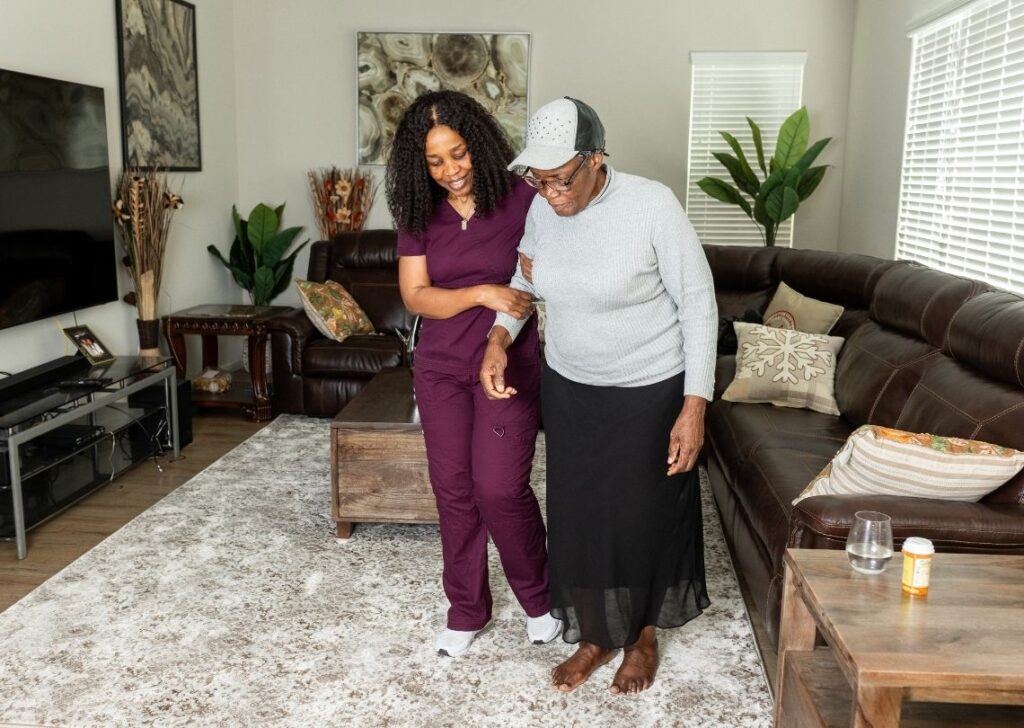
Caregivers aren’t just helpers; they’re also reliable companions who provide essential support. They encourage seniors to engage in easy tasks, go for a stroll, or stretch a little, keeping both the mind and body active. For seniors who live alone, companion care services offer security and reassurance. Your family members receive relief as well, preventing burnout and tension around the house. With a trusted caregiver, seniors won’t feel excluded or insecure, creating connections that infuse each moment with more meaning.
The Holistic Benefits Of Integrated Support
Integrated support is about more than survival; it emphasizes creating a home life that prioritizes your physical, emotional, and social wellness. With companion care services, you can remain engaged, maintain your routine, and foster a deeper connection to your community. Personalized care plans, including essential support from companion caregivers, combine tasks and personal care, ensuring you receive the perfect balance of assistance and independence, keeping you secure and well while feeling loved and appreciated daily.
1. Enhanced Independence
When you can control your own schedule with the support of a compassionate caregiver, you maintain your sense of control. This assistance allows you to choose what is important daily, whether it’s selecting your groceries, walking around your community, or attending a community event. You remain in control, but you’re not isolated. Errand help is not just a trip to the market; it’s a connection to your community through companion care services. As you do your errands or hang out with friends, you maintain your footing in society and don’t feel isolated. Consistent companion caregiver support keeps you committed to healthy behaviors such as staying active or eating well, significantly impacting how you feel.
2. Emotional Well-being
Companionship is key to feeling well, especially for seniors. Just having a reliable companion to talk to, laugh with, or share a meal with can punctuate long, silent days and boost your spirits. If you’re antsy or down, discussing it with a compassionate caregiver you trust can really clear your head. This emotional support facilitates re-engaging with old hobbies or exploring new ones. Reading, gardening, or a game — all structured activities that infuse your day with meaning and delight. When you feel supported and valued, it bolsters your security and joy, helping every day feel more fulfilling.
3. Improved Physical Health
The holistic power of integrated support is exemplified by companion caregivers who can take walks with you or organize safe excursions, enhancing your fitness and equilibrium. These companion care services assist with meal planning and cooking, ensuring your diet aligns with your health requirements. Reminders to take your medicines or check your blood pressure keep you on track, and interspersing these health-conscious activities throughout your day reduces your risk and keeps you feeling optimal.
4. Greater Safety
A neat, organized home is safer, and companion caregivers play a vital role in maintaining this environment. By handling household chores and errands, they help prevent slips and falls. When you have a doctor’s appointment or are meeting friends, a reliable companion reduces the stress of getting there safely. Routine check-ins catch medical problems early, providing peace of mind for you and your family caregivers.
5. Simplified Living
Integrated support makes life easier, especially with companion caregivers who can manage errands and personal care tasks simultaneously. When caregivers handle responsibilities like keeping track of appointments and ensuring nutritious meals, you can focus on what’s important, enjoying more space and calm in your home care service.
The Power Of A Single Relationship
When you combine assistance with errands and elderly personal care, you accomplish more than mere task efficiency. You establish an environment in which faith and genuine connections can flourish between the companion caregiver and the elder. This confidence is the essence of good care. With a consistent caregiver, you establish a connection that transcends meeting physical needs. It is about understanding routines, preferences, and concerns. Such constant attention allows the caregiver to detect symptoms if anything shifts, such as changes in health or mood. When seniors collaborate with a reliable companion daily, it provides them with a feeling of security. That sense of safety allows them to relax and open up, which in turn enables better care and a more peaceful daily routine.
That deep connection between an elder and their caregiver provides powerful emotional sustenance as well. A lot of seniors feel isolated or lonely. A single caring relationship can change this dramatically. Research reveals that a single strong social connection can eliminate loneliness and isolation. Research even claims the risk of death from social isolation is as great as that from smoking or obesity. A compassionate caregiver provides seniors with a companion to chat and reminisce with and accompany them on errands or while assisting with personal care. This relationship can reduce depression risk by up to 60% and provides older adults with a mental health lift. When a person feels noticed and listened to, they are more willing to participate in life-giving activities, whether that is a walk in the park, a special meal, or a simple conversation.
Plain and direct communication is an added benefit of having one caregiver address both errands and personal care. You won’t have to keep rehashing your habits or tastes to new mouths. Your caretaker knows how you want your groceries put away, remembers your favorite foods, and knows how you want your day to go. This simplifies life and reduces stress. It means screw-ups or skipped steps are less common as the companion caregiver is keyed to your cues. Over time, the caretaker catches the little cues—a shift in disposition, new pains, or simply a preference for more silence. This fast reaction makes care more intimate and keeps operations purring.
|
Benefit |
Single Caregiver |
Multiple Caregivers |
|
Trust and rapport |
Strong, consistent |
Limited, fragmented |
|
Emotional support |
Deep, reliable |
Shallow, inconsistent |
|
Communication |
Simple, direct |
Repetitive, confusing |
|
Understanding unique needs |
Personalized |
Generic, less informed |
|
Risk of error |
Lower |
Higher |
|
Sense of belonging |
Enhanced |
Reduced |
|
Impact on well-being |
Lasting, positive |
Short-term, variable |
The mood and momentum established by one caregiver can determine if a senior feels empowered to embrace the day or wants to retreat. A good relationship instills belonging and hope. If you have a caregiver who has your back, it can make every day something to look forward to. Regular social contact provided by such a bond can even reduce hospital stays by as much as thirty percent. The effect is lasting: a sense of hope, reassurance, and a boost in life satisfaction.

Practical Advantages For Families
The practical benefits of pairing errand assistance for seniors with in-home care are obvious to you and your family. With both the day-to-day tasks and the support requirements being fulfilled by a compassionate caregiver, your family can shift from managing to making memories with your loved one. You don’t just get time back; you get peace of mind and the opportunity for everyone in your family to take on a healthier role.
When you depend on professional home care services, the stress associated with daily caregiving plummets. Many families attempt to handle meal prep, cleaning, and errands by themselves. Over time, these tasks accumulate and exhaust you, both physically and mentally. With assistance from a home caregiver, you no longer have to balance work, your own family, and your loved one’s needs all at once. A caregiver comes in to cook, clean, and run errands, allowing you to visit and not always feel like it’s work. You get to be a son, daughter, or sibling again—not just a caregiver. For instance, if a caregiver manages meal preparation and grocery shopping, you’re free to simply sit and connect over a cup of tea or reminisce about old times.
It is simply peace of mind to know that when you’re apart, a trusted caregiver is with your loved one. You don’t have to stress over whether meals will be missed or if the house is secure. This security allows you to concentrate on work, your own wellness, or other family demands. Companion care services motivate your loved one to maintain hobbies, social calls, or easy routines that provide each day with form. Besides splitting the practical load, your loved one receives more than assistance—they receive an opportunity to remain engaged and connected. For instance, a caregiver can assist with a daily walk, participate in a favorite board game, or help your loved one care for plants. Not only do these activities build a sense of purpose for your loved one, but you also know their days are full and meaningful.
From practical benefits for the family, once a professional intervenes, you’re not the sole support system. You’re not alone in making hard decisions or in seeking the optimal strategy for problem-solving. This common strategy contributes to your family functioning more cohesively as a unit. You sidestep burnout, the family bond killer. The tension eases, and it’s easier to have warm conversations and enjoy the moments together. You choose smarter because you get guidance and support from an expert, so you’re not in the dark about what’s best.
The main practical advantages families gain from professional home care services include increased emotional support and improved overall health outcomes for seniors.
- Personalized care tailored to individual needs.
- Flexibility in scheduling to accommodate family routines.
- Support for daily activities, enhancing independence.
- Professional assistance that alleviates caregiver stress.
- Access to specialized services, such as physical therapy or medication management.
- You sleep more and have time for your own self-care.
- Your family member experiences daily care with competency and compassion.
- Stress and worry about the safety and routine drop.
- Family visits focus on joy, not chores or stress.
- Caregivers help keep your loved one engaged with life.
- You can work or handle your own business with less guilt.
- Families have a support system to face big decisions.
- Burnout and tension in families go down.
A Proactive Approach To Aging
Being proactive about aging means you anticipate and do what you can to remain well, not just respond once things crop up. Cross-pollinating assistance with seniors’ errands and personal care is genius because it enables you to assist with far more than health needs. You create a support network that maintains a life dynamic and keeps it alive. Thinking ahead to keep seniors independent and healthy really pays off. When you assist with daily tasks and personal care, you enable seniors to manage their own lives longer and reduce the dangers of aging in isolation. For instance, if someone is assisting with shopping or prescription pick-up, it ensures that seniors always have what they need and never miss a dose or a meal. This keeps their bodies in better shape, and the little conversations that occur en route keep them connected to the world beyond their domicile.
Preventive care isn’t simply about early detection. It means a strong mind and spirit. Consistent social time—whether it’s chatting over coffee or walking—can extend a person’s life and improve mood in ways that medicine cannot match. Research indicates that long-term loneliness is as hazardous as smoking 15 cigarettes a day and presents health risks comparable to obesity. More than 25% of seniors live alone, and without regular interaction, they can slip into habits that increase their susceptibility to depression and dementia. Easy rituals, such as eating a meal together or simply taking a stroll in the park, keep the heart and mind engaged. Social contact, even in small doses, brings real health benefits: companion care can cut down on depression and brain decline by up to 60%. These little things add up, resulting in fewer hospital visits—20–30% less, according to studies—and a greater feeling of life satisfaction.
The following table breaks down some key proactive aging strategies and how they shape the lives of seniors:
|
Proactive Strategy |
Effect on Quality of Life |
|
Social engagement (coffee, walks) |
Reduces loneliness, sparks joy |
|
Help with errands (shopping, meds) |
Supports independence, health stability |
|
Personalized care routines |
Builds comfort, respect, familiarity |
|
Regular companion visits |
Fights depression, boosts mental health |
|
Shared activities (games, crafts) |
Keeps mind sharp, improves mood |
Personalized care plans are exceptional because no two seniors are alike. As your needs evolve with age, so should your approach. Taking care of likes, such as morning walks and favorite meals, matters a lot. It keeps habits ingrained and provides solace, allowing daily life to seem less like triage and more like a life worth living. Customized schedules honor the individual, not merely their age or health. These plans can combine light assistance with errands, shared activities, and subtle prompts for medicine or meals, all rooted in what is most important to the senior. That way, care seems less like a transaction and more like a bond based on confidence and admiration.
Real-World Impact Stories
Mixing assistance for senior citizens’ errands with grooming creates a real-world impact for seniors and their loved ones. This way, seniors receive essential support with tasks, socialization, emotional stability, and empowerment through companion care services. Most of you work with data and systems, so you understand that integrated solutions tend to produce better output. The same logic proves true when you look at support for seniors, as combining care roles leads to stronger outcomes, both measurable and personal.
Share Testimonials Highlighting The Transformative Effects Of Combined Care Services On Seniors’ Lives.
Seniors who receive integrated home care services frequently discuss the life-altering ways their lives transform for the better. For instance, a retired engineer in Tokyo shared that consistent assistance from a companion caregiver with errands and personal care enabled him to continue living at home following a hip injury. He mentioned that having the same person assist with groceries and light house cleaning, while chatting about his favorite science books, gave him something to look forward to every week. A family in Berlin reveled in how their grandmother, an early-stage dementia patient, blossomed into a happier, more engaged person once a companion began walking and cooking with her each day. These stories prove that when you combine assistance with errands and personal care, you are doing more than checking off to-dos; you are cultivating habits that make seniors feel useful and empowered.
Illustrate The Positive Changes In Emotional And Physical Health Through Real-Life Examples.
Seniors who receive companion care frequently experience improved mood and health. For instance, a widowed teacher in Sydney, who once felt isolated, now participates in group excursions and enjoys frequent walks with the help of her reliable companion. Her doctor noted that her blood pressure had dropped, and her sleep improved after she began working with her companion caregiver. Similarly, in Mumbai, a retired nurse experienced decreased anxiety as her caregiver encouraged her to engage in social outings, such as gardening and puzzles. These real-world impact stories demonstrate that the right combination of emotional support can significantly enhance seniors’ overall health and well-being.
Showcase The Importance Of Companionship In Creating Lasting Bonds And Enriching Experiences.
The most rewarding outcomes occur when seniors and their companions create genuine connections. In Cape Town, a senior with failing eyesight shared that her companion caregiver’s visits gave her the confidence to attend a local book club, where she could hear stories and contribute her voice. The effect is more than social; these companion care services provide seniors with motivation to experiment and form new friendships. Statistics indicate that seniors who have consistent social interaction experience less loneliness and more joy, leading families to notice their members becoming more receptive, inquisitive, and involved.
Highlight Success Stories That Demonstrate The Effectiveness Of Integrated Support In Enhancing Quality Of Life.
A Toronto family told us how integrated care gave them back time and peace of mind. With a concierge managing errands and personal care for their dad, relatives could instead spend time visiting and sharing meals, not doing household chores. They witnessed their dad regain confidence and take up new hobbies, such as painting and chess. Studies support this: seniors who receive tailored companion care services, costing between $20 and $29 per hour, often report higher satisfaction, better health, and fewer signs of depression or anxiety. This care is flexible, allowing seniors to access home care support when they need it, on their terms, maintaining their independence.
Conclusion
When you combine help with seniors’ errands with personal care, you create solid support. You make every day considerate and less stressful. Things like shopping, cooking, or doctor rides dovetail with assistance for meals, bathing, or medications. You have your loved one secure, supported, and still in control of their life. One helper earns your trust and understands what is truly important. Families experience peace of mind, less stress, and more quality time. You implement obvious, straightforward steps that work for actual homes, not just on paper. For smart ways to blend care and errands, read our guide or contact us for tips that fit your family’s needs.
Frequently Asked Questions
1. What Are The Main Benefits Of Combining Help With Errands And Personal Care For Seniors?
You receive all-around assistance in a single bundle through home care services. This saves you time, eliminates stress, and guarantees your loved one’s needs are met completely by one reliable companion caregiver.
2. How Does Integrated Support Improve A Senior’s Well-Being?
Combined assistance through companion care services covers errands for seniors and personal care tasks, ensuring your loved one experiences enhanced comfort, safety, and independence daily.
3. Can Having One Caregiver For Errands And Personal Care Build Trust?
Yes. Having a reliable companion caregiver establishes a consistent schedule, which develops trust, improves communication, and creates a more heightened personal connection for your senior loved one.
4. Is Combining Services More Convenient For Families?
Of course, you can organize with only one provider for home care services. This streamlines scheduling, decreases confusion, and makes overseeing your loved one’s care a lot more manageable.
5. How Does This Approach Help Seniors Stay Independent Longer?
When you combine companion care services with help for errands for seniors, your loved one receives essential support, allowing them to maintain independence and confidence as they age.
6. Are There Cost Benefits To Merging These Services?
Yes. There are many advantages to bundling companion care services with help for errands for seniors, as it simplifies budgeting and planning for essential support and personal care tasks.
7. What Should You Look For In A Provider Offering Combined Services?
Select a provider that specializes in companion care services and has experience, excellent reviews, ensuring they offer flexible home care options that match your loved one’s evolving requirements.
How Help With Errands And Tasks Supports Senior Independence
Managing everything for a parent can get heavy fast. Even when they don’t need medical care, everyday responsibilities can pile up. Grocery runs, prescription pickups, meal prep, light housekeeping, and getting to appointments often become stressful gaps when families are stretched thin. Over time, missed errands and unfinished tasks can affect safety, routine, and confidence at home.
Help With Errands and Tasks from Serenity Family Homecare provides reliable, practical support that keeps daily life running smoothly. Our caregivers assist with shopping, transportation, light household tasks, reminders, and appointment support, all while offering friendly presence and steady encouragement. Services are flexible and built around your family’s needs, so you stay informed and involved at every step.
With the right support in place, seniors maintain independence and structure in their daily routines. Families gain peace of mind knowing tasks are handled consistently and safely. Contact Serenity Family Homecare today to schedule an assessment and see how Help With Errands and Tasks can make everyday life easier and more secure for your loved one.
Disclaimer
The information on this website is for general education only and should not be treated as medical, legal, or professional advice. Every family and health situation is different, so you should speak with a qualified healthcare provider or appropriate professional before making care decisions. Do not make changes to a care plan or rely on this content as a substitute for professional guidance. The information on this site may not reflect the most current medical standards or practices. Serenity Family Homecare is not responsible for any actions taken or not taken based on the material on this website.