Key Takeaways
- Companion care for seniors in Contra Costa consists of social companionship, household assistance, cognitive stimulation, and community excursions.
- Our individualized care plans tackle each senior’s specific needs and desires, making sure you or your loved one gets effective assistance.
- Engaging seniors in decision-making and daily activities fosters independence and self-confidence, helping to make care more empowering.
- Consistent companionship and personalized activities alleviate isolation, foster moments of social engagement, and improve mental wellness.
- Family caregivers get respite, knowing seniors are safe and supported. This alleviates stress and reinforces family ties.
- Reviewing caregiver credentials, care standards, and community involvement guarantees you get trustworthy and beneficial companion care for your unique requirements.
Companion care for seniors in Contra Costa includes activities that make you or your loved ones feel secure and cared for while at home. Common activities are assistance with grocery shopping, meal preparation, light cleaning, and errands. You frequently receive a walking or easy hobby buddy, assisting with both exercise and socialization. It encompasses medicine reminders and assistance with doctor’s visits. Many services include daily check-ins, so you always feel that someone is watching over you. With companion care in Contra Costa that fits your lifestyle, stay connected and independent. The following sections will detail each activity, allowing you to understand what to expect from these services in your region.

What Companion Care Activities Exist?
Companion care for seniors is a form of non-medical assistance and emotional support that makes everyday life safer, easier, and less lonely. You receive support with tasks and daily necessities, but opportunities also exist to connect, enjoy life, and stay mentally agile. These activities keep you engaged, in motion, and self-sufficient, regardless of your location.
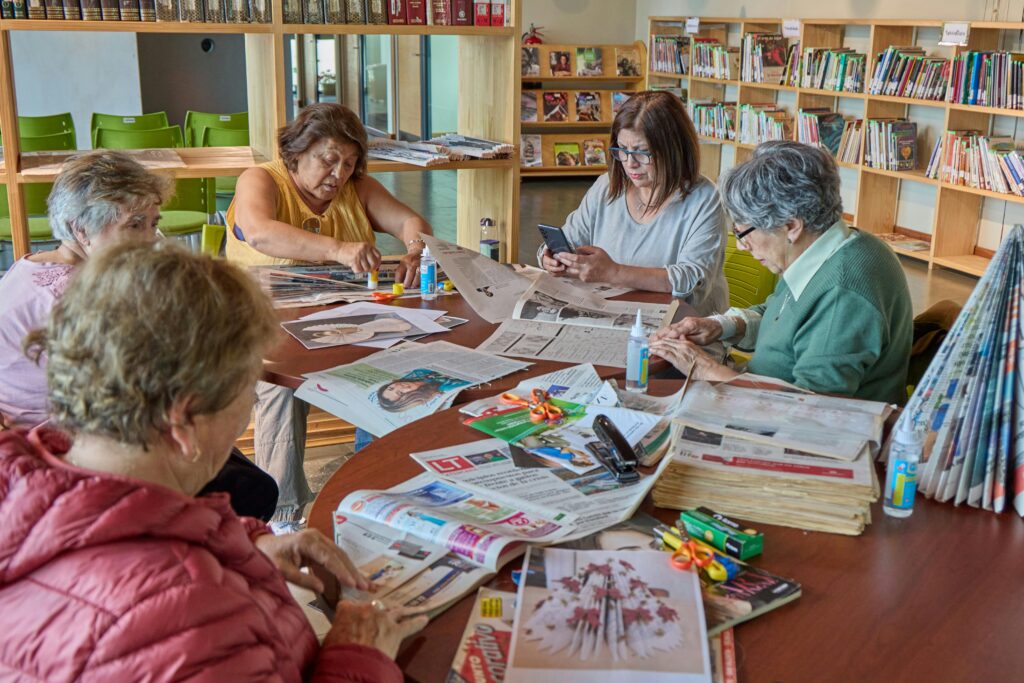
1. Social Engagement
Group games or small talk keep you bonding with others and your mind occupied. Your caregivers may play cards, board games, or simply talk about the news. This combats isolation and brightens your day.
You could, if you get regular visits, social interaction is consistent and dependable. This schedule allows you to anticipate every day and keeps loneliness at bay. Some companion care providers may suggest you take up hobbies such as painting, knitting, or gardening. These activities improve mood and increase self-esteem.
You can catch up with family or friends via video calls or social media. Caregivers assist with setting up devices or walking you through calls, so you remain connected to those who matter, wherever they are.
2. Household Support
Caregivers assist with meals, ensuring you consume nutritious options such as fresh fruits and whole grains. They clean the house, sweep floors, do laundry, and organize. Medication reminders are another key part, so you never miss a dose.
Medical appointments or errands, for example, your caregiver can take you or get you set up with safe transportation to get there. What companion care activities are there? This assistance enables you to keep moving about and engaged with your community.
3. Cognitive Stimulation
Brain games, such as matching cards or easy puzzles, help keep your mind active and sharp. Reading out loud can spark conversation and maintain comprehension skills. Caregivers may also encourage trying new activities, like learning a language, picking up a craft, or exploring an educational topic, to keep engagement high and the mind stimulated.
Tablets, computers, or other devices can provide access to educational videos, articles, and interactive programs. These tools offer additional opportunities to learn, stay curious, and participate in mentally stimulating activities that suit your interests and abilities.
4. Community Outings
Visits to the park or a museum provide new visuals and ventilation. You could attend town fairs, art shows, or other activities to get involved and make new friends. Other times, caregivers arrange group outings with other elderly individuals, aiding you in making new friends.
Nature Walks – An easy opportunity to get out and experience the world while moving your body at a leisurely pace.
5. Emotional Connection
Caregivers listen with compassion and swap stories. These assist you in establishing trust and being heard. Joining in meals or reminiscing about your childhood instills a feeling of connection. It is special to celebrate their birthdays or personal achievements.
In such difficult moments, caregiver comfort and support foster a genuine companionship that transcends activity.
Beyond a Checklist
Senior companion care in Contra Costa is about more than a checklist. It demands an adaptive, boots-on-the-ground mindset that encompasses both pragmatic and emotional requirements. Caregiving translates to wearing multiple hats. Sometimes you assist with nutrition, other times you lend your ears or aid with errands. Not every day is created equal, and not every senior desires or requires the same assistance. It’s more than a checklist. The best care transcends routine and is tailored to each individual’s lifestyle, preferences, and wellness.

Tailored Plans
Personalized care plans form the heart of exceptional companion care. You have to construct schedules around each senior’s preferences and natural rhythms, pairing hobbies or visitors with when they feel most energetic. If your spouse likes morning walks or gardening, those should be included in the plan, not just simple chores.
Activities, adaptivity is the key. While some seniors need assistance with their memory, others require physical assistance. For example, you might swap a puzzle session for an easy game or a walk for light stretching. Everything is based on abilities and comfort.
Family input is important. When you collaborate, you get a larger vision. Family members can provide glimpses into previous routines or health requirements, informing more comprehensive care plans.
Plans are not set in stone. You have to check in frequently, observe what’s effective, and be prepared to adjust. If a senior becomes less mobile or their mood shifts, the plan pivots. This continual check helps keep the care personal and relevant.
Building Trust
Trust blooms in candid conversation. Caregivers, keep lines open, share updates, and request feedback. This assists elders to feel secure and listened to.
A consistent caregiver presence creates comfort. When that same person arrives on time, seniors know what to anticipate and can have peace of mind in their presence.
Privacy is a requirement. Knock in front of doors and provide moments of solitude. This small gesture can increase coziness.
Just participating, whether it’s sharing a meal or reading together, makes the connection seem less transactional and more akin to a genuine collaboration.
Fostering Independence
Seniors remain more nimble and joyful when they still perform daily chores on their own. Provide gentle assistance but allow them to tie their shoes, sort the mail, or get meals ready.
Little things, such as a large-print book or an easy-grip spoon, assist seniors in accomplishing more independently. They facilitate autonomy.
Celebrate the progress. Even something as simple as celebrating small wins, like making tea or remembering an appointment, can boost mood and fuel confidence.
Decisions count. Honor what the senior desires, either in meal choices or how they occupy their day. This respect bolsters their feeling of agency.
The Added Value of Care That Goes Beyond the Basics
It’s more than just assistance with activities of daily living. It provides a host of unseen advantages for seniors and families alike. These benefits extend well beyond what you expect with simple home care.
- Gives family caregivers relief so they can focus on their own health and needs.
- Reduces feelings of loneliness and isolation for the senior
- Like anything new, it can be challenging at first.
- Enhances seniors’ sense of purpose and meaning in life
- Reduces the risk of depression and cognitive decline through consistent social interaction and engagement.
- Provides peace of mind to families that their loved ones are safe and active.
- Assists in cultivating a community by linking seniors to other elders and group activities.
- Strengthens family bonds by allowing families the opportunity to be together.
- Offers peace of mind and confidence for seniors at home.
Family Respite
When you become the caregiver, the burden can seem unrelenting. Companion care provides you with genuine moments to breathe and rejuvenate, so you can prioritize your health with peace of mind. With the comfort of a reliable friend at your side, you can breathe easy, catch up on errands, or even escape for a vacation. This peace of mind is essential. Your life with her changes as well. Rather than each visit being focused on errands or medical requirements, you can simply hang out and enjoy one another’s company. For most families, this change restores happiness. Whether it’s travel or big family gatherings that arise, companion care helps make transitions easier, allowing everyone to unwind and enjoy themselves.
Reduced Isolation
Loneliness is a huge issue among older populations. One in three seniors feels alone at least some of the time, and it can damage mind and body alike. Companion care combats this by providing consistent social interaction. Daily chats, shared meals, and walks all accumulate. Your dear one is enticed into group play, games, and even a simple puzzle. These little things provide order and engagement. When seniors bond with their fellow seniors, they belong, which cultivates a true community. Science tells us that such connections reduce the risk of depression and maintain mental acuity.
Renewed Purpose
A lot of seniors begin to forget what makes them happy. Companion care can get them back to old hobbies or even attempt some new ones. With some gentle prodding, your friend or family member could be donating their time to a community organization, mentoring teenagers, or otherwise assisting others. These positions provide meaning. Partners can assist you in setting goals, large or small, so that every day has purpose. Every tiny victory, whether it be completing a book or mastering a new skill, deserves to be recognized. These moments accumulate, constructing self-esteem and enthusiasm for what’s on the horizon.
When Is It Time?
When to seek companion care for seniors is typically a blend of definitive indicators and subtle changes. You may notice shifts in your parents’ behavior or emotions. If you notice they frequently appear unhappy, become easily irritable, or exhibit diminished enthusiasm towards previously enjoyed activities, it indicates they require additional assistance. Sometimes these shifts occur gradually, but sometimes it’s quick, like following a fall or sudden sickness. These moments can shift the type of care required immediately. Monitoring these shifts ensures you intervene early, before it’s too much of a strain for them or your family.
Loneliness is a powerful indicator. If your parent begins to blow off group outings, ceases calling up friends, or simply spends more time alone, ask if they’re feeling isolated or down. When is it time for social ties to keep older adults active and improve their mood? When these connections diminish, it can ignite other issues. Companion care can add a familiar face and consistent routine, which keeps them engaged and less isolated.
Working out the daily essentials is yet another major area. Things as simple as cooking meals, maintaining a clean house, getting dressed, or taking medicine correctly all contribute. Now and then, a checklist aids in identifying where things slip. If your parent is struggling with more than one, or their home appears less tidy or secure, this can be a sign that it’s time for outside assistance. More adults than you realize—approximately thirty percent in the U.S.—are already caregivers themselves for an older person, so you’re not alone confronting these decisions.
Family issues arise. If you or other members of your family feel stretched, or if there’s tension among family members about who does what, additional assistance can relieve the burden. These are patients whose caregivers assist them with more than just chores—they provide emotional support and help manage medical needs. Frequent discussions and candid reality checks with your parents can simplify these decisions. Allowing all to contribute viewpoints keeps the process transparent.

Evaluating Local Care Quality
Care quality for seniors in Contra Costa isn’t simply about addressing physical needs. It means examining the quality of local caregivers in terms of nurturing emotional and social health. When you measure local care, you want to address more than rudimentary assistance. Consider not only how caregivers assist with activities of daily living but also how they help seniors stay connected to the community and maintain their happiness. A daily living checklist covering things like meal prep, bathing, and mobility can help you identify where additional support is necessary. Many local agencies provide in-home evaluations to determine the optimal care plan and to adapt as needs evolve. Think about what’s accessible in the area, including transport, meal services, and social groups. These little extras can truly make a huge difference in the lives of seniors. Family feedback is vital; nobody understands the day-to-day reality better.
Caregiver Training
When you consider companion care, verify the caregiver’s qualifications and background. Not all care providers are created equal. Some are certified in specific types of care, such as dementia or mobility. Others emphasize compassion and effective communication. Continued education keeps their skills up-to-date and ensures quality care. You want local care providers who know how to care for both body and soul. Soft-skill-building programs, like patience, listening, and kindness, are just as crucial as technical know-how. Never hesitate to inquire about background checks, references, and the agency’s approach to continuing education. This provides reassurance.
Qualification/Experience | Description |
Basic Training | Personal care, safety, hygiene |
Specialized Certification | Dementia, mobility, nutrition |
Communication Skills | Empathy, active listening |
Ongoing Education | Workshops, refresher courses |
Community Integration
Caregivers who connect seniors to local resources can combat loneliness and keep seniors engaged. Seek out organizations that welcome seniors to participate in communal or group activities. Caregivers could assist with rides to clubs, libraries, or parks. Others work with local meal or healthcare agencies, providing additional assistance. Remaining engaged with others and with services creates social networks. It enhances emotional well-being and keeps seniors connected.
Program Measurement
Agencies have various methods of checking care quality. They monitor whether you’re making improvements with mood, movement, and social life. Goal setting ensures care is effective. Comments from seniors and their families are invaluable for continuous enhancements. Routine audits identify deficiencies, so adjustments can be implemented quickly.
Metric | How Measured |
Physical Well-being | Mobility, strength |
Emotional Health | Mood, engagement |
Social Involvement | Activities joined |
Family Satisfaction | Surveys, interviews |
A Partnership in Aging
Ager partnerships are about more than care. It’s a collaboration between you, your loved one, and the caregivers. It centers on your needs and desires. Open talks are crucial so that everyone understands the care plan and goals. When you share in decisions, it makes your family member feel respected and in control of their own life.
Caregivers partner with you to construct a robust support network. They don’t just arrive and go through the motions. They communicate frequently with both your family and the elder. These discussions help keep care on course, and issues are resolved early. If your loved one’s needs change, the team can adapt quickly. That’s how care is always right for you.
A partnership in aging encompasses more than simple assistance. Caregivers usually have CPR training and handle daily tasks. They assist with activities such as light housekeeping, meal preparation, or transportation to appointments. All these little things translate to a safer, more comfortable home. This care means your loved one can continue to do the things they love—read, garden, or participate in a local club. Having these options keeps the mind acute and the soul buoyant.
Loneliness is a true danger in aging. A partnership in aging delivers consistent companionship and a sympathetic listen. Social time, even if it’s just a walk or a chat over tea, can mean a lot. Anticipating a visit or outing gives your loved one motivation to rise and get going. It aids in both keeping their mind engaged and their spirit uplifted.
No two seniors are alike. Some require assistance with mobility, medication, or nutrition. Others desire additional opportunities to chat, gamble, or go outside. A partnership in aging considers all these needs. It figures out how to make your family member safe and happy. This care isn’t one-size-fits-all. It expands and adapts as your family member does.

Conclusion
Companion care delivers real assistance to your day. You get people who are there, chatting with you, and engaging in meaningful activities—walks, games, even eating together. You notice subtle mood shifts and become more comfortable at home. In Contra Costa, you’ve got people who care and want to help you have a good day. You don’t have to figure it all out on your own. You get care that fits you, with people who listen and do. If you want to learn more about what fits your needs, contact a local care agency. You’ll notice the change in small increments, day after day.
Frequently Asked Questions
What activities are included in companion care for seniors?
Companion care consists of talking, assisting with activities, cooking, light housework, errands, and visits to the doctor. These activities assist your loved one’s day-to-day life and emotional health.
How can companion care benefit your loved one in Contra Costa?
Companion care diminishes loneliness, promotes activity, and fosters independence. It adds a nurturing companion, enhances their lifestyle, and reassures your heart.
When should you consider companion care for a senior?
Think about companion care if your senior is lonely, has difficulty with everyday activities, or needs increased socialization. Early assistance can keep them independent and joyful.
How do you know if companion care is right for your family?
Evaluate your relative’s requirements and likes. If they require assistance with non-medical activities or simply desire companionship, companion care is an ideal and adaptable choice for your family.
What should you look for in a local companion care provider?
Select a provider who has skilled caregivers, transparent communication, and great reviews. Ensure they know your loved one’s particular needs and provide individualized care plans.
Are companion care services customizable?
Indeed, companion care can be customized to your loved one’s preferences. You’ll have the flexibility of choosing when and what activities make up companion care for seniors in Contra Costa.
How does companion care differ from personal care?
Companion care revolves around socialization and activities. Personal care involves direct assistance with bathing, dressing, and hygiene. Companion care is perfect if your loved one desires companionship and minor assistance rather than medical care.