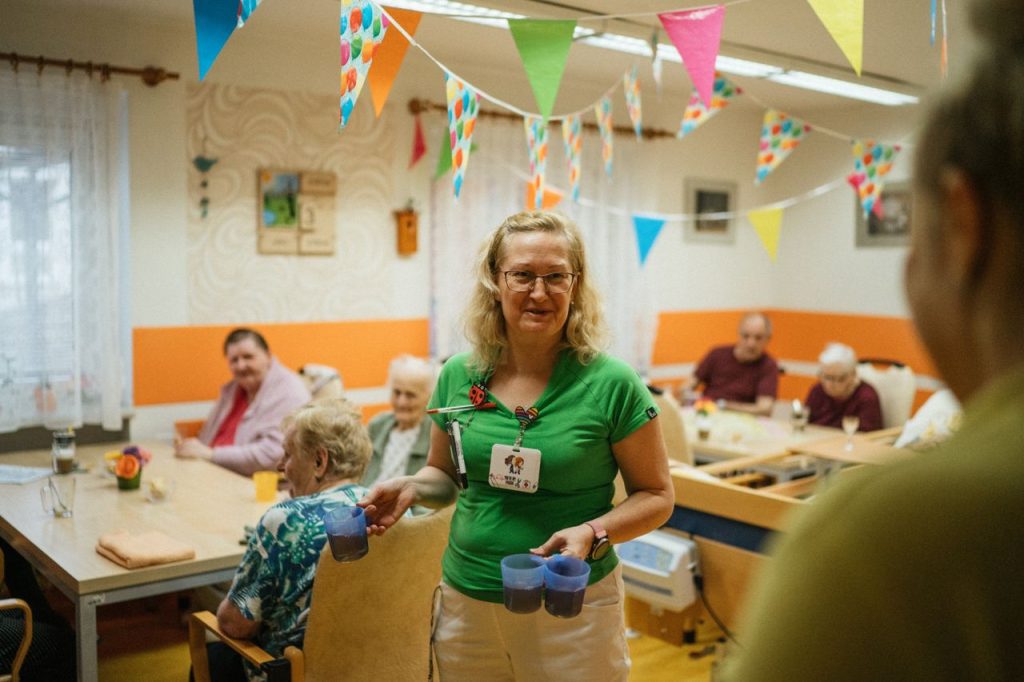
Senior companionship services often include conversation, shared hobbies, games, reading, walks, community outings, and help staying connected with friends and family. Depending on the provider and the agreed service plan, visits may also include light meal preparation, errands, transportation, and simple household tasks. Activities should reflect the older adult’s interests, abilities, and preferences rather than follow a standard entertainment schedule.
For many families, the need for companionship develops gradually. A parent may spend more afternoons alone after retirement. A loved one may stop attending a favorite gathering because getting there has become difficult. Someone who once enjoyed cooking might lose interest in preparing meals when there is nobody to share them with.
A companion provides scheduled time, attention, and opportunities to participate. One visit might involve discussing a book over coffee. Another could include choosing groceries, preparing lunch together, or visiting a familiar park. What matters is whether the time feels enjoyable and useful to the person receiving support.
Families should also understand the service’s boundaries. Companionship generally centers on nonmedical social support. Hands-on personal care and skilled healthcare require appropriate arrangements, training, and qualifications. Providers may offer several types of support, but families should confirm which services their assigned worker can deliver.
Understanding the available activities makes it easier to create visits that offer meaningful connection while respecting the older adult’s independence.
Key Takeaways
- Common activities include conversation, reading, games, music, hobbies, shared meals, and social outings.
- Visits should reflect the older adult’s interests, preferred pace, language, and comfort level.
- Transportation, errands, light housekeeping, and meal preparation may be available, but families should confirm them before booking.
- Companionship does not automatically include bathing, transfers, medication administration, or skilled medical care.
- Activities can be adapted for mobility limitations, sensory changes, or memory difficulties when the service matches the person’s needs.
- A useful plan combines enjoyable interaction with clear expectations about tasks, communication, and safety.
- The older adult’s feedback should guide adjustments to activities, scheduling, and the companion match.
What Senior Companionship Services Provide
Regular Social Contact
The central purpose of companionship is to make space for interaction. A companion sets aside time to listen, share an activity, and engage with the older adult.
Visits can provide a welcome point of structure in the week. Knowing that someone will arrive on Tuesday afternoon may encourage a person to choose a recipe, set aside a magazine, or think about somewhere they would like to visit.
The relationship usually develops over time. Early visits may focus on getting acquainted, while later visits can build on shared interests and familiar routines. Consistency can make those interactions feel more comfortable.
Activities Based On Individual Interests
Older adults have different personalities, experiences, and ideas about an enjoyable afternoon. One person loves lively conversation; another prefers working quietly on a puzzle with someone nearby.
A personalized service begins by asking what the person likes. Families can offer background information, but the older adult should have a meaningful role in deciding how visits unfold.
Enjoyable activities can provide opportunities for participation and connection. They should not be presented as a guarantee that companionship will prevent illness or resolve emotional concerns.
Clearly Defined Service Responsibilities
Terms such as “companion care” and “home support” may describe different arrangements. Some providers focus on social visits, while others include practical assistance.
Ask for a written explanation of included tasks, exclusions, and any activities requiring advance approval. Describe the older adult’s actual needs so the provider can determine whether its service is appropriate.
Clear responsibilities help prevent misunderstandings, especially when the family expects a visit to include both social engagement and household assistance.
Conversation, Reading, And Shared Memories
Friendly Conversation And Listening
Conversation is one of the most common companionship activities. Topics might include family news, gardening, sports, current events, travel, cooking, or a television program the person follows.
A thoughtful companion lets the conversation develop naturally. Some older adults enjoy detailed stories; others prefer short exchanges while doing something else. There is no requirement to fill every quiet moment.
Conversation should remain respectful. The companion should avoid talking down to the person, assuming age determines their interests, or turning every discussion into advice about healthy living.
Support During Life Changes
An older adult may want to talk about retirement, losing a friend, changes in the neighborhood, or missing relatives who live far away. A companion can listen and acknowledge those experiences without trying to solve everything.
This attention may feel supportive, but it differs from counseling. A companion should not diagnose depression, provide psychotherapy, or describe friendly conversation as mental health treatment.
If the person repeatedly expresses distress or shows a concerning change in behavior, the provider should follow its communication procedures, so appropriate support can be arranged.
Reading Together
Reading activities can include newspapers, magazines, poetry, novels, religious texts, or letters from relatives. A companion might read aloud, alternate paragraphs with the older adult, or discuss an audiobook they enjoy together.
The format should match the person’s comfort. Large-print books, good lighting, and shorter reading sessions can make participation easier. Someone who no longer enjoys lengthy chapters may still appreciate a short article or familiar poem.
Reading also creates conversation opportunities. A gardening article might lead to memories of an earlier home, while a travel story could inspire discussion about places the person has visited.
Sharing Stories And Family Memories
Photo albums, keepsakes, recipes, and familiar music can invite storytelling. A companion may ask about a wedding photograph, a previous career, or how a family tradition began.
With permission, the companion can help write down stories or organize them into a family collection. Audio or video recording requires the person’s consent and agreement about how recordings will be stored and shared.
Nobody needs to remember every name or date correctly. If a memory feels painful or the person loses interest, the companion can move to another subject.
Games, Creative Hobbies, And Music
Board Games And Card Games
Cards, dominoes, checkers, chess, and other familiar games can provide an easy way to spend time together. Some people enjoy competition, while others prefer cooperative play or relaxed conversation during a game.
The companion should ask which games the person already knows. Learning something new can be enjoyable, but complicated rules may make a visit frustrating when the person wants a familiar activity.
Adjustments might include large-print cards, a card holder, fewer pieces, or a shorter round. These changes can preserve participation while respecting the person’s abilities and preferences.
Puzzles And Word Activities
Jigsaw puzzles, crosswords, word searches, trivia, and number games are other possibilities. The difficulty should suit the person’s preferences rather than serve as an informal test of ability.
A companion can work alongside the older adult, read clues aloud, or help organize puzzle pieces. Completing the activity is less important than whether the person enjoys the experience.
These activities should not be described as proven dementia prevention or rehabilitation. They offer engagement, conversation, and enjoyment without guaranteeing a medical outcome.
Arts, Crafts, And Personal Projects
Creative activities may include drawing, watercolor painting, knitting, crochet, scrapbooking, flower arranging, or making greeting cards. The best choice often builds on something the older adult already enjoys.
A companion might gather materials, prepare the workspace, or assist with cleanup. Adaptations could include easier-to-grip tools, larger materials, or projects completed across several shorter sessions.
The older adult can select colors, decide whom a card is for, or choose whether to continue a project. The companion’s role is to make participation easier while leaving room for personal expression.
Music And Shared Entertainment
Listening to favorite songs, discussing musicians, singing familiar tunes, or watching a concert recording can make visits enjoyable. Someone who plays an instrument may appreciate an audience or company during an informal practice session.
Entertainment can also include films, documentaries, television shows, or listening to a sporting event. Watching together can support companionship when it follows the person’s interests and leaves room for interaction.
Volume, captions, seating, and program length matter. A shorter performance may be a better fit than a long movie when the person feels tired.
Walks, Outings, And Community Connections
Short Walks And Outdoor Time
For older adults who can safely participate, visits may include a neighborhood walk, a trip through a garden, or time sitting outdoors.
An outing should match the person’s abilities and existing care instructions. The companion can discuss the route, identify places to rest, and choose a suitable time of day.
Walking companionship does not automatically mean the worker can provide physical support, lift someone, or manage substantial fall risk. Families should confirm the required assistance before including walks in the plan.
For someone who cannot comfortably walk outdoors, a patio visit, watching birds through a window, or tending an accessible plant may provide another satisfying activity.
Company During An Established Movement Routine
Some older adults want company while completing exercises already recommended by their healthcare professional. A companion may encourage or help prepare the space if the provider permits it.
The companion should follow established instructions rather than invent an exercise program or increase its difficulty. Physical therapy and rehabilitation require appropriate professional services.
Clarify whether the person can perform the routine independently or needs assistance beyond the companion’s responsibilities.
Visits To Familiar Places
Possible outings include a library, café, museum, community center, or local event the older adult wants to attend.
Planning should consider accessibility, distance, restroom availability, seating, noise, and the person’s energy. An outing does not need to be ambitious to be worthwhile.
Some people prefer familiar destinations, while others enjoy trying something new. Asking beforehand allows the older adult to make choices and prepare comfortably.
Maintaining Community Relationships
A companion may accompany someone to a book club, faith gathering, hobby group, or meeting with friends. This support can help the person continue relationships that matter to them.
At a gathering, the companion might remain nearby for practical help while giving the person room to interact independently.
Discuss admission charges, companion expenses, transportation, and cancellation rules in advance. Confirm that the provider permits outings and can deliver the assistance needed away from home.
Meals, Errands, And Everyday Practical Support
Preparing Simple Meals Together
Some companionship providers include light meal preparation. Activities may involve choosing a recipe, washing produce, assembling sandwiches, warming a prepared meal, or setting the table.
The older adult should participate at a comfortable level. Someone who enjoys cooking may want to direct the process, while another person may prefer selecting the menu and talking nearby.
Food allergies, established dietary instructions, kitchen safety, and service limits should be clear. Feeding assistance or swallowing difficulties require assessment and a care plan matched to the person’s needs.
Sharing Conversation Around Meals
Meals provide a natural opportunity for interaction. A companion might sit with the older adult during lunch, discuss the morning’s activities, or help create a pleasant dining space.
Ask whether the companion brings their own meal, can accept refreshments, or prepares food only for the client. These details prevent misunderstandings.
The companion should respect the person’s preferences and report relevant concerns through the agreed process rather than pressuring them to eat.
Errands And Shopping
Depending on the agreement, a companion may accompany the older adult to buy groceries, collect an order, visit the post office, or purchase household supplies.
Shopping can remain an activity the person directs. They may choose products and decide what fits their budget while the companion helps with the list or carries items within agreed limits.
If the companion completes errands alone, establish spending limits, payment procedures, and receipt requirements. Access to money, bank cards, or personal documents should follow written policies.
Appointment Accompaniment
Some services offer company before, during, or after an appointment. A companion may help organize questions, provide company in the waiting room, or take notes with permission.
The companion does not replace the healthcare professional, make medical decisions, or automatically have permission to receive private information.
Confirm transportation separately. Ask who drives, what vehicle is used, whether mileage is charged, and what assistance is available when entering or leaving the vehicle.
Technology And Family Contact
A companion may help start a video call, locate a family contact, adjust a screen, or explain how to send a message.
The older adult should control who is contacted and whether the companion remains present. Passwords, financial accounts, and sensitive records require clear boundaries.
Technology remains optional. Telephone calls, printed photographs, and handwritten letters can also support meaningful connection.
Light Household Tasks And Planning
Some providers include washing dishes used during meal preparation, folding a small amount of laundry, watering plants, or tidying activity materials.
Other tasks might include reviewing a calendar, writing a birthday card, or preparing a shopping list. Ask before moving belongings, and preserve time for social interaction.
Deep cleaning, heavy labor, financial decisions, and legal matters should not be assumed to fall within companionship services.

Adapting Activities And Confirming Service Boundaries
Mobility, Hearing, And Vision Changes
Activities can often be adjusted without abandoning the person’s interests. Gardening might become tending a tabletop planter. A crowded outing might become a quieter visit at a less busy time.
Good lighting, clear print, and uncluttered surfaces may help with reading or games. Reducing background noise and facing the person can make conversation more comfortable.
Ask what works rather than assuming. Older adults may already use equipment or strategies that should be incorporated into visits.
Memory Difficulties
When someone has memory difficulties, familiar activities and simple choices may be more comfortable than a long sequence of instructions. Visits could include favorite music, arranging flowers, or looking through photographs.
The companion should avoid turning conversation into a memory test. Repeatedly asking the person to identify names or recall dates can make an enjoyable activity stressful.
Confirm the worker’s relevant training and the provider’s ability to meet the person’s needs. Wandering concerns, significant behavioral changes, and ongoing supervision needs may require more comprehensive care.
Personal Care And Medical Responsibilities
Bathing, dressing, toileting, lifting, transfers, wound care, injections, and medication administration should never be assumed to be part of a companionship visit.
Some agencies offer several service levels, but a worker assigned for companionship may not be authorized or qualified to perform every task. Describe the actual assistance required before services begin.
Medication reminders also need clarification. Reminding someone about an established schedule differs from selecting pills, changing doses, filling organizers, or administering medication. Document the permitted role.
Supervision And Emergency Expectations
A scheduled visit does not provide continuous monitoring outside booked hours. Families should understand what happens when the companion leaves and whether other support is needed.
Before the first visit, provide relevant emergency contacts and discuss response procedures. Confirm what happens if the person does not answer the door, becomes unwell, or needs help beyond the worker’s responsibilities.
Changing needs should prompt a review. Additional activities cannot substitute for necessary personal care, medical assessment, or appropriate supervision.
Building A Personalized Companionship Plan
Begin With The Older Adult’s Priorities
Ask what would make the week more enjoyable. The answer may be company during lunch, returning to a favorite group, help with a craft project, or unhurried conversation.
Also ask what the person dislikes. They may prefer to avoid competitive games, crowded environments, surprise outings, or personal questions before trust develops.
Create a short list of preferred activities and alternatives. The plan should guide visits while allowing the relationship to develop naturally.
Create A Flexible Visiting Routine
A visit might begin with conversation over tea, followed by a puzzle or short walk. If included, simple meal preparation could come next, with time remaining to plan another visit.
This is an example rather than a standard package. Some people prefer one extended project, while others enjoy several shorter activities.
Energy, weather, and preferences may change on the day. Listening to music together can still be meaningful when an outing no longer feels appealing.
Review The Agreement And The Experience
Clarify visit length, staff consistency, transportation, supplies, additional charges, and communication procedures. Discuss language, cultural preferences, pets, household routines, and access arrangements.
After the first few visits, ask the older adult how the experience feels. Their comfort and satisfaction should guide changes to activities or the companion assignment.
With their agreement, brief updates can help families understand what is working. Keep communication focused on useful information while respecting privacy and independence.
Conclusion
Senior companionship services can include conversation, reading, hobbies, shared meals, walks, and community outings. Some providers also offer errands, transportation, technology help, and light household support when those tasks are included in the service plan.
The most useful activities are the ones the older adult wants to participate in. A quiet conversation, familiar game, or help reconnecting with friends may matter more than a busy schedule.
Start with the person’s interests, confirm responsibilities, and build a flexible routine. Review the arrangement as preferences or support needs change.
To explore senior companionship services for your loved one, contact a provider to discuss their interests, support needs, and the activities available within its service plan.
Frequently Asked Questions
1. What Are The Most Common Senior Companionship Activities?
Common activities include conversation, reading, card games, puzzles, music, crafts, shared meals, and outings. The selection depends on the older adult’s preferences and the provider’s services. A personalized plan should identify favorites while allowing changes between visits.
2. Can A Companion Help With Cooking And Housekeeping?
Some providers include simple meal preparation and light household tasks. Others focus only on social interaction. Ask which tasks are permitted. Deep cleaning, heavy lifting, and extensive household work should not be assumed to be included.
3. Do Senior Companionship Services Include Transportation?
Transportation may be available, but it is not universal. Confirm who drives, which vehicle is used, whether additional costs apply, and what assistance is offered when entering or exiting the vehicle.
4. Are Companionship Activities Suitable For Someone With Dementia?
They may be suitable when activities, worker training, and supervision arrangements match the person’s needs. Familiar music, photographs, and shared tasks are possible options. Confirm that the provider can deliver appropriate support.
5. Can A Companion Give Medication?
Do not assume medication administration is included. Some providers permit reminders, while other tasks require different qualifications or services. Explain exactly what assistance is needed and document the worker’s responsibilities before visits begin.
6. What If The Older Adult Does Not Enjoy Games Or Group Activities?
Visits can center on conversation, reading, music, personal projects, or quiet time together. Games and group activities are optional. Use the person’s existing interests to shape visits.
7. How Can Families Tell Whether Activities Are A Good Fit?
Ask whether the older adult feels comfortable, respected, and interested in future visits. Notice which activities they willingly choose. Discuss concerns with the provider and adjust the plan as preferences or needs change.
Bring Comfort, Connection, And Support With Senior Companionship Services
Staying socially connected plays an important role in a senior’s overall well-being. As older adults spend more time at home, changes in mobility, family schedules, or limited opportunities for social interaction can sometimes lead to loneliness or isolation. Senior Companionship Services provide meaningful conversation, friendly interaction, and dependable support that can make each day feel more engaging, comfortable, and fulfilling.
Senior Companionship Services from Serenity Family Homecare are personalized around each client’s interests, routines, and preferences. Our caregivers can spend time talking, playing games, sharing meals, taking walks, assisting with errands, accompanying clients to appointments, or simply providing a familiar and caring presence throughout the day. Each visit is designed to encourage social connection while helping seniors maintain their independence and enjoy more meaningful daily routines.
With dependable companionship, seniors can enjoy greater connection, consistency, and emotional support at home. Families can also feel reassured knowing their loved one has someone they can trust for regular interaction and attentive care. Contact Serenity Family Homecare today to schedule an assessment and learn how Senior Companionship Services can help your loved one stay connected, engaged, and supported at home.
Disclaimer
The information on this website is for general education only and should not be treated as medical, legal, or professional advice. Every family and health situation is different, so you should speak with a qualified healthcare provider or appropriate professional before making care decisions. Do not make changes to a care plan or rely on this content as a substitute for professional guidance. The information on this site may not reflect the most current medical standards or practices. Serenity Family Homecare is not responsible for any actions taken or not taken based on the material on this website.