
Maintaining a consistent daily routine can become increasingly difficult when a person has limited mobility, chronic health challenges, cognitive changes, reduced strength, or difficulty preparing and eating meals independently. Something as ordinary as planning breakfast, preparing lunch, opening food packages, sitting safely at the table, or finishing a nutritious dinner can become a significant daily challenge. When these tasks become difficult, nutrition and routine can suffer at the same time.
Meal preparation and feeding assistance can provide practical support while helping individuals maintain greater consistency, comfort, and dignity throughout the day. These services may involve planning meals, preparing ingredients, cooking, portioning food, setting up the dining area, providing appropriate assistance during meals, and cleaning up afterward. Depending on an individual’s needs, assistance may range from simple meal setup to hands-on feeding support.
The connection between meal support and nutrition is particularly important. A person may have access to healthy foods but still struggle to consume balanced meals because cooking is physically demanding, eating takes too long, or assistance is needed during mealtimes. Meal preparation and feeding support can reduce these barriers and make nutritious eating a more manageable part of the daily routine.
A predictable meal schedule can also provide structure to the day. Regular breakfast, lunch, dinner, and snacks can help individuals anticipate meals, maintain hydration, and avoid long periods without eating. For family caregivers, professional assistance can reduce the amount of time and energy spent coordinating meals and allow them to focus on companionship and other responsibilities.
This article explores how meal prep and feeding assistance can improve daily routines and nutrition, what services may include, how support can be individualized, and what families should consider when arranging assistance for an aging loved one or another person who needs help with meals.
Key Takeaways
- Meal preparation assistance can make healthy eating more consistent and manageable.
- Feeding assistance can help people who have difficulty eating independently receive adequate meals safely and comfortably.
- Regular meal schedules can create structure and predictability throughout the day.
- Prepared meals can reduce the physical and mental effort associated with shopping, cooking, portioning, and cleanup.
- Individualized meal support can account for food preferences, cultural traditions, dietary requirements, and functional limitations.
- Mealtime assistance can provide opportunities for social interaction and companionship.
- Hydration can be incorporated into a structured meal and snack routine.
- Families may experience less stress when they do not have to manage every meal-related task alone.
- Meal assistance should respect personal choice, dignity, independence, and safety.
- Families should coordinate with appropriate healthcare professionals when an individual has specialized nutritional, swallowing, or medical needs.
The Role of Feeding Assistance in Nutrition
Meal preparation can make food available, but feeding assistance can help address another barrier: the ability to eat independently.
Some individuals may understand what they need to eat but have difficulty physically managing the meal.
Helping With Meal Setup
Feeding assistance does not always mean someone must physically feed another person.
Support can begin with setting up the meal.
This might include placing utensils where they can be easily reached, opening containers, cutting food, positioning a plate, pouring a beverage, or arranging food so that the individual can manage it independently.
These small adjustments can make a significant difference for someone with limited dexterity or strength.
Providing Appropriate Assistance During Eating
Some individuals may need help bringing food or beverages to their mouths. When this type of assistance is required, caregivers should follow the person’s established care instructions and work within their training and responsibilities.
The pace of eating should be comfortable rather than rushed.
A caregiver can allow time for chewing and swallowing, provide encouragement when appropriate, and maintain a calm environment.
If a person has known swallowing difficulties or a prescribed texture-modified diet, families should follow guidance from the appropriate healthcare professionals rather than improvising changes.
Promoting Dignity During Feeding
Feeding assistance can be an intimate caregiving task.
The individual should be treated as an adult with preferences and choices. Caregivers can ask what the person would like to eat, offer reasonable choices, and respect preferences whenever possible.
Instead of treating mealtime as a task to complete as quickly as possible, caregivers can approach it as part of the person’s daily experience.
This preserves dignity and can make meals more pleasant.
How Meal Assistance Can Help With Hydration
Hydration is another important part of a well-organized daily routine.
Some people may forget to drink regularly, have difficulty reaching beverages, or avoid getting drinks because of mobility limitations. A structured meal routine provides natural opportunities to offer fluids.
Making Beverages Accessible
Caregivers can help ensure that preferred beverages are available and positioned safely within reach.
Depending on the individual’s abilities, support might include opening bottles, pouring drinks, refilling cups, or providing reminders.
Families should consider the person’s preferences and any fluid-related instructions provided by their healthcare team.
Connecting Hydration With Daily Activities
Rather than treating hydration as a separate responsibility, it can become part of established routines.
For example, a beverage may be offered with breakfast, lunch, and dinner, with additional hydration opportunities during appropriate times.
This type of routine can make drinking fluids more habitual.
Supporting People With Cognitive Changes
Some individuals experiencing cognitive changes may forget meals, lose track of time, have difficulty following recipes, or become overwhelmed by multiple steps involved in cooking.
Meal assistance can introduce additional structure.
Using Familiar Routines
Familiar meal patterns can make the day easier to understand.
Serving meals at predictable times and using familiar foods can reduce unnecessary confusion.
Caregivers can also use simple, respectful reminders when appropriate.
Reducing Kitchen Hazards
Cooking independently may involve risks when a person has difficulty remembering whether an appliance is turned on or how long food has been cooking.
Having assistance with meal preparation can reduce the need for the individual to manage complicated cooking tasks alone.
Safety should always be considered alongside independence.
Supporting Appetite and Enjoyment
Nutrition is not only about nutrients. Eating is also a sensory and social experience.
Appetite can be influenced by smell, appearance, flavor, texture, routine, mood, and social surroundings.
Preparing Appealing Foods
Meals can be made more inviting through variety and presentation.
Using familiar favorite foods, incorporating preferred flavors, and offering different textures can help maintain interest in meals.
Preferences should guide the process whenever possible.
Respecting Cultural and Personal Food Preferences
Food is closely connected to culture, family traditions, and personal identity.
A meal plan that ignores someone’s preferences may be nutritionally appropriate on paper but difficult for the individual to enjoy or follow.
Meal preparation assistance should therefore consider foods that the person actually likes to eat.
Cultural foods, traditional recipes, familiar flavors, and family mealtime customs can all be incorporated when appropriate.
Meal Preparation and Feeding Assistance as Part of Person-Centered Care
Person-centered care recognizes that people have individual needs, preferences, routines, and goals.
Meal assistance works best when it is built around the person rather than simply following a generic schedule.
Identifying Preferences
Caregivers can learn:
- Favorite foods
- Foods the individual dislikes
- Preferred meal times
- Preferred beverages
- Cultural food preferences
- Desired portion sizes
- Preferred dining environment
- Foods that are easier or more difficult to manage
This information can make meal support more effective.
Preserving Independence
A caregiver should not automatically perform a task that the person can safely do independently.
If someone can butter toast, choose between two meals, feed themselves, or pour a beverage safely, allowing them to do so can help maintain independence.
Assistance should fill gaps rather than eliminate abilities.
Respecting Choices
People should have reasonable opportunities to make choices about their meals.
Instead of always deciding what someone will eat, caregivers can offer options when appropriate.
Simple choices such as “Would you like chicken or fish?” or “Would you prefer water or tea?” can help preserve a sense of control.
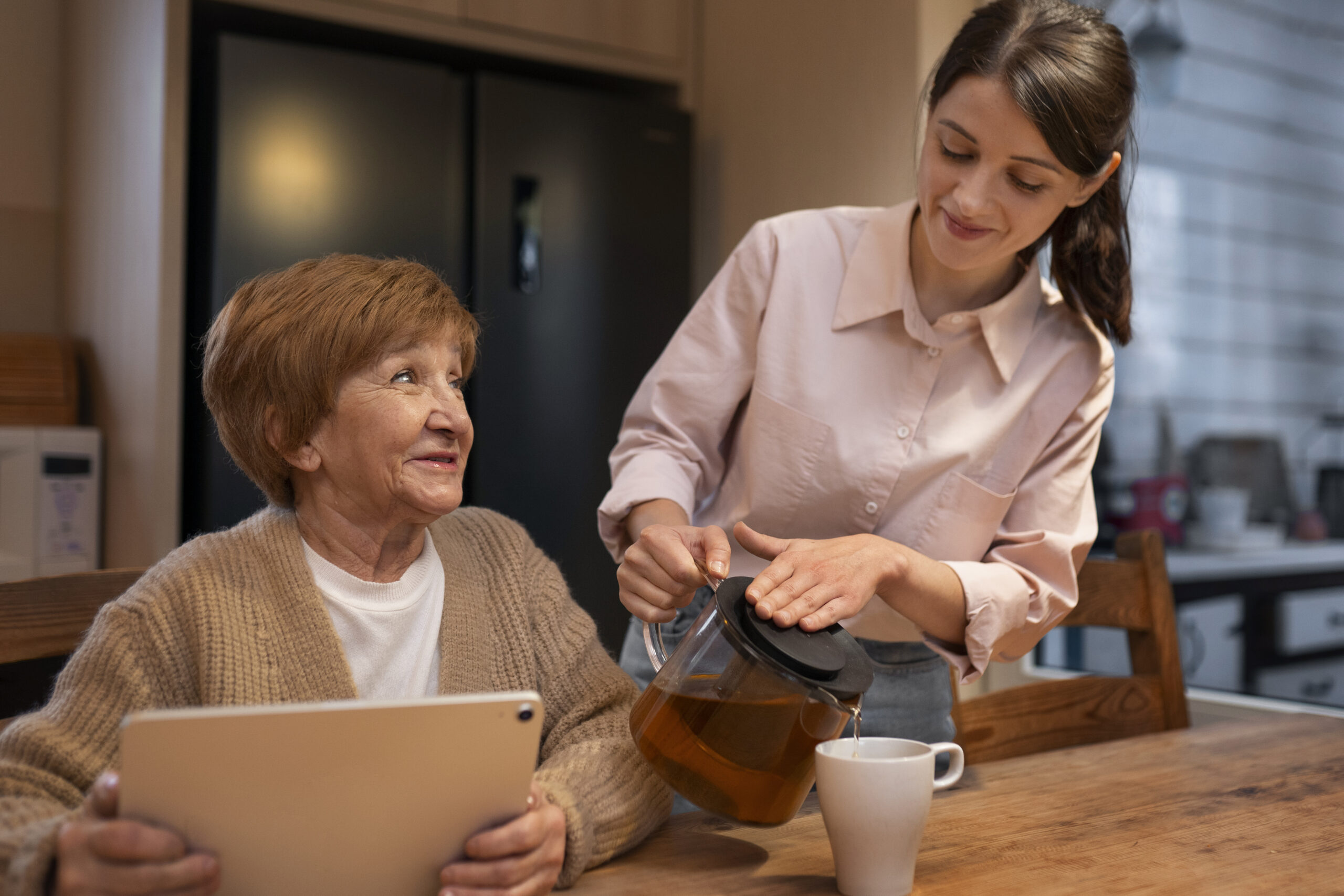
Organizing a Practical Meal Routine
A successful meal support plan does not need to be complicated.
Start With the Existing Routine
Families can begin by identifying the person’s current eating pattern.
What time do they usually wake up? When are they hungry? Which meals are easiest? Which meals create the most difficulty?
This information provides a useful starting point.
Identify Problem Areas
Next, identify where assistance is actually needed.
For example:
- Grocery shopping may be difficult.
- Food preparation may require too much standing.
- Opening packages may be challenging.
- Eating may take longer than expected.
- The person may forget meals.
- Cleaning up may be exhausting.
- Drinking enough fluids may be difficult.
Once the barriers are identified, assistance can be targeted toward those areas.
Prepare Meals Ahead of Time
Preparing several components ahead of time can simplify the week.
Vegetables can be washed and portioned, appropriate proteins can be prepared, and meals can be divided into convenient servings.
Prepared foods should be stored and handled according to appropriate food-safety practices.
Keep the Routine Flexible
A routine should provide structure without becoming restrictive.
Appointments, visitors, activities, changes in appetite, and other daily events can affect meal times.
Flexibility allows the routine to support the individual rather than become another source of stress.
Food Safety Considerations
Food preparation for older adults or people with health vulnerabilities requires attention to food safety.
Safe Food Handling
Caregivers should practice appropriate hand hygiene, keep preparation surfaces clean, prevent cross-contamination, and follow safe cooking and storage practices.
Perishable foods should be stored appropriately and not left at unsafe temperatures for extended periods.
Proper Storage and Labeling
Prepared meals can be labeled with dates and meal information.
Organized storage can make it easier to identify which meals should be eaten first.
This is particularly helpful when several meals are prepared in advance.
Recognizing Specialized Dietary Needs
Some individuals may have dietary requirements related to medical conditions, allergies, swallowing difficulties, or other health concerns.
In these situations, caregivers should follow the person’s established care instructions and consult qualified healthcare professionals when necessary.
When Feeding Assistance Requires Additional Professional Guidance
Some meal-related situations go beyond routine caregiving.
A person who frequently coughs or chokes while eating, has unexplained weight changes, experiences persistent difficulty swallowing, or has other concerning symptoms may need evaluation by an appropriate healthcare professional.
Swallowing Concerns
Swallowing difficulties can require specialized assessment and recommendations.
Caregivers should not independently introduce food textures or liquid consistencies that have not been recommended for the individual.
Significant Changes in Eating
A major or persistent change in appetite, food intake, or ability to eat should be discussed with the appropriate healthcare provider.
The cause may involve physical, emotional, medication-related, dental, gastrointestinal, or other factors.
Meal assistance can support nutrition, but it should not replace medical evaluation when a health concern is present.
Creating a Comfortable Mealtime Environment
The environment can influence the eating experience.
Minimize Unnecessary Distractions
Some people eat better in a calm environment.
Excessive television noise, frequent interruptions, or a cluttered table may make eating more difficult for certain individuals.
A quieter setting can help the person focus on the meal.
Encourage Social Interaction
For many people, eating alone can reduce enjoyment.
When appropriate, caregivers can use mealtimes as opportunities for conversation and companionship.
A caregiver sitting nearby and engaging in friendly conversation can make the meal feel less like a task.
Allow Adequate Time
Rushing meals can increase stress.
Individuals who need feeding assistance may require additional time to eat comfortably. Caregivers should follow appropriate instructions and allow a reasonable pace.
Measuring Whether Meal Assistance Is Working
Families can periodically evaluate whether the support is achieving its goals.
Look for Routine Improvements
Possible signs of improvement include:
- More consistent meal times
- Fewer skipped meals
- Easier meal preparation
- Less stress around food
- Better organization of prepared meals
- Greater participation in meals
- More opportunities for family companionship
Monitor Nutrition With Appropriate Guidance
Families may also pay attention to patterns in appetite, food intake, hydration, and other relevant observations.
However, nutrition goals vary significantly among individuals. When there are concerns about nutritional status, families should seek guidance from qualified healthcare professionals rather than relying solely on informal observation.
Common Challenges and How to Address Them
Even a well-designed meal routine can encounter obstacles.
The Person Refuses a Prepared Meal
Food preferences can change.
Rather than forcing a particular meal, caregivers can explore alternatives that fit the person’s preferences and established dietary needs.
The Person Has a Poor Appetite
Smaller meals or snacks may sometimes be easier to manage than large meals, depending on the person’s needs.
Persistent appetite changes should be discussed with an appropriate healthcare professional.
The Person Wants to Remain Independent
This is understandable.
Caregivers can focus on providing support only where necessary. Letting the individual participate in meal choices, preparation tasks, and feeding can preserve autonomy.
Family Members Disagree About Meal Support
Different family members may have different opinions about how much assistance is necessary.
Open communication and clear expectations can help.
If medical or nutritional concerns are involved, professional guidance can provide a more appropriate basis for decisions.
Benefits Beyond Nutrition
The value of meal prep and feeding assistance extends beyond food.
Greater Daily Structure
Regular meals can create predictable points throughout the day.
Improved Convenience
Prepared food reduces the need to perform demanding cooking tasks at every meal.
More Opportunities for Independence
Targeted assistance allows individuals to continue doing the parts of mealtime they can safely manage.
Increased Social Connection
Meals can become opportunities for companionship rather than isolated tasks.
Reduced Family Burden
Delegating appropriate meal-related responsibilities can reduce pressure on family caregivers.
Greater Peace of Mind
Families may feel more confident knowing that meals are being planned, prepared, and supported consistently.
Conclusion
Meal prep and feeding assistance can improve daily life in ways that go far beyond simply putting food on the table. By helping with meal planning, preparation, setup, feeding, hydration, and cleanup, appropriate support can make nutritious eating easier and create greater consistency throughout the day.
A dependable meal routine can provide structure, reduce decision fatigue, conserve physical energy, and make daily activities more predictable. For individuals with mobility limitations or other challenges, assistance can remove practical barriers that might otherwise result in skipped meals or reliance on less nutritious convenience foods.
Feeding assistance can be equally important for people who understand the importance of eating well but cannot comfortably manage meals independently. When support is delivered respectfully, it can promote safety while preserving dignity and personal choice.
For families, meal assistance can also reduce the burden of caregiving. Instead of spending every day managing grocery shopping, cooking, serving, and cleanup, family members may have more opportunities to focus on companionship and other responsibilities.
Ultimately, the most effective meal support is individualized. It recognizes that nutrition, independence, preferences, culture, routine, and dignity all matter. With thoughtful planning and appropriate professional guidance when needed, meal prep and feeding assistance can become an important part of a supportive daily routine.
FAQ
What is meal prep and feeding assistance?
Meal prep and feeding assistance refers to support with preparing meals and helping an individual eat when needed. Services may include meal planning, ingredient preparation, cooking, portioning, serving, opening containers, cutting food, positioning meals, feeding assistance, and cleanup.
How does meal preparation improve nutrition?
Meal preparation can make balanced foods more convenient and accessible. Planning meals ahead can also encourage greater variety and reduce reliance on whatever food happens to be easiest to prepare at the moment.
Can meal assistance help someone maintain a regular routine?
Yes. Consistent meal support can establish predictable breakfast, lunch, dinner, snack, and hydration times. These regular events can provide structure to the broader daily routine.
Does feeding assistance always mean someone feeds the person by hand?
No. Feeding assistance can range from simple setup to direct feeding. Some individuals only need help opening packages, cutting food, arranging utensils, or positioning meals. Others may require more direct support.
Can meal assistance support independence?
Yes. Properly designed assistance should support the abilities a person still has rather than automatically taking over every task. Individuals can participate in meal choices and preparation whenever they can do so safely.
How can caregivers make meals more enjoyable?
Caregivers can consider favorite foods, cultural preferences, appealing presentation, appropriate variety, comfortable seating, a calm environment, and opportunities for social interaction.
Can meal prep assistance help family caregivers?
Yes. Meal preparation and feeding can be time-consuming. Appropriate assistance can reduce some of the practical workload and give family caregivers more time for other responsibilities and companionship.
How can meal assistance support hydration?
Caregivers can incorporate beverages into established meal routines, keep appropriate drinks accessible, and provide reminders or assistance when necessary and appropriate.
What should families do if someone has difficulty swallowing?
Families should seek guidance from the appropriate healthcare professionals. Swallowing problems can require specialized assessment and specific recommendations about food textures or liquid consistencies.
Should caregivers force someone to finish a meal?
Caregiving should emphasize dignity, comfort, and appropriate support rather than coercion. If a person regularly refuses food or has a significant change in eating patterns, the family should investigate possible causes and consult an appropriate healthcare professional when necessary.
Support Better Nutrition And Independence With Meal Prep And Feeding Assistance At Home
Nutritious meals play an important role in helping seniors maintain their strength, energy, and overall well-being. But shopping, preparing meals, handling kitchen tasks, or eating independently can become more difficult with age, limited mobility, or changing health needs. Compassionate Meal Prep and Feeding Assistance can make daily mealtimes safer, easier, and more enjoyable while helping seniors continue living comfortably at home.
Meal Prep and Feeding Assistance from Serenity Family Homecare is tailored to each client’s routines, preferences, and level of independence. Our caregivers can help prepare meals, organize ingredients, serve food, assist with eating when needed, and provide friendly companionship during mealtimes. Every visit focuses on creating a comfortable experience while encouraging seniors to remain as involved and independent as possible.
With dependable mealtime support, seniors can enjoy more consistent meals, greater comfort, and less stress around daily nutrition. Families also gain peace of mind knowing their loved one has caring, reliable assistance when they need it most. Contact Serenity Family Homecare today to schedule an assessment and learn how our Meal Prep and Feeding Assistance services can help your loved one enjoy safer, more comfortable mealtimes at home.
Disclaimer
The information on this website is for general education only and should not be treated as medical, legal, or professional advice. Every family and health situation is different, so you should speak with a qualified healthcare provider or appropriate professional before making care decisions. Do not make changes to a care plan or rely on this content as a substitute for professional guidance. The information on this site may not reflect the most current medical standards or practices. Serenity Family Homecare is not responsible for any actions taken or not taken based on the material on this website.