Key Takeaways
- By assisting with errands for seniors, you’re directly tackling the physical, cognitive, and social challenges of aging. All of these are crucial to maintaining independence and well-being while aging in place.
- Whether it’s home modifications, assistive devices, or tailored errand services, we help you fight back against mobility limitations and safely age in place.
- Cognitive support tools and activities, coupled with dependable medication management, keep you mentally agile and avoid overlooked doses. This inspires continued independence.
- Not only does errand assistance lighten the load of your family caregivers, but it also helps you to stay engaged with your community through frequent companionship and group activities.
- Trust between you and your caregivers is key. Regular care, communication, and feedback loops guarantee your needs are addressed and your preferences honored.
- By leveraging technology and flexible care models, you can personalize your support system and make sure that resources and services grow with your needs and preferences.
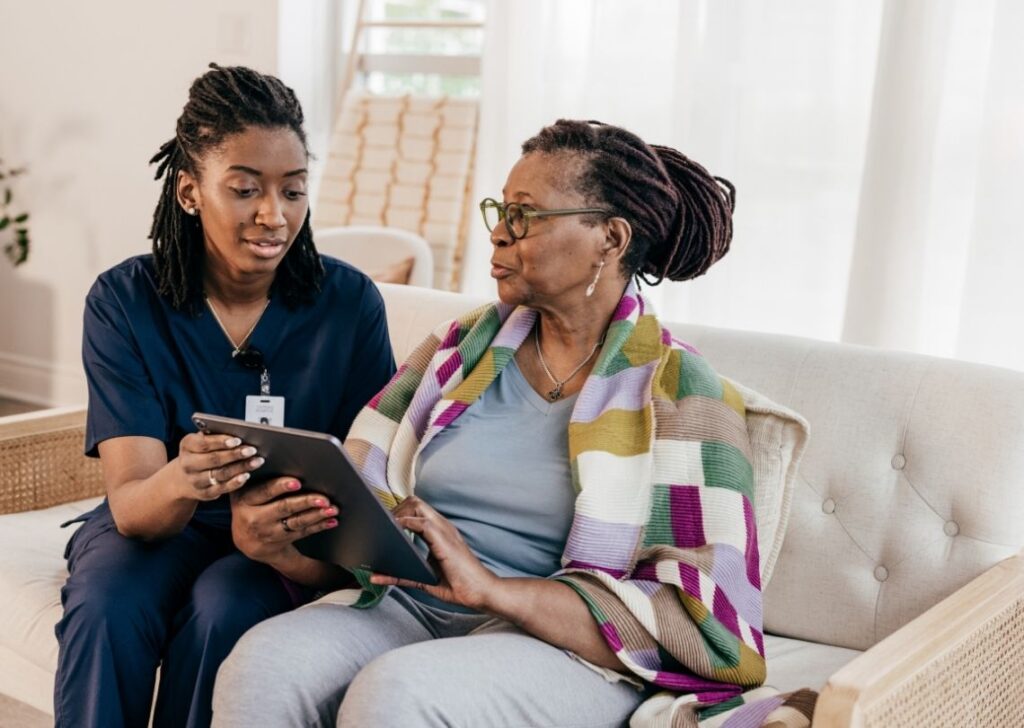
Errands help for seniors provides concrete assistance that keeps aging in place secure and effortless. When you have somebody who can help shop for food, pick up medicines, or manage small home projects, you can age in place with less stress. It’s just that much better when home feels more comfortable and familiar, and you can maintain your daily routine. You have more time and energy for what you like, while the risk of falls or health complications from overwork decreases. Support with errands helps you stay more independent, and your family stresses less. A lot of seniors leverage this assistance to address evolving needs as they get older. In the section below, watch how support like this molds a nicer, extended home life.
The Daily Hurdles Of Aging
There are real daily hurdles aging presents, especially for elderly individuals. Maybe your body doesn’t move the same way, or your memory isn’t as clear, making home care services essential. Grasping their daily challenges allows you to understand why assistance with errands and everyday activities is more than assistive—it’s fundamental to quality of life and respect, particularly when considering the importance of community resources.
Physical Limits
For many seniors, increasing mobility problems have turned simple tasks into complicated undertakings. Even just reaching the shop, doctor, or pharmacy can become a huge hurdle if you don’t drive anymore or have balance issues. Loss of driving is frequently one of the earliest indicators that independence is shifting, affecting your confidence and your access to essentials. Even moving around your house might not seem as secure as it once did, with stairs or slick floors.
Key home modifications for accommodating physical limits:
- Install grab bars in bathrooms and hallways
- Add ramps for step-free entry
- Lower kitchen counters and shelves for easy reach
- Replace doorknobs with lever handles
- Use brighter lighting in all rooms
Walking sticks, walkers, and wheelchairs can assist significantly. Canes and reachers keep you moving and engaged at home. These tools encourage independence, allowing you to manage minor tasks or errands with a reduced fall hazard. Regular exercise, such as light stretching or balance classes, keeps your muscles and joints conditioned and promotes your independence.
Cognitive Shifts
As you get older, cognitive health shifts can manifest as minor forgetfulness or difficulty with decisions. You might miss a meeting or lose your place in your pill regimen. These changes are typical but can render daily life more difficult to navigate. It is wise to monitor these changes and seek assistance when necessary.
Memory aids such as calendars, pillboxes, or phone reminders can assist you in keeping things organized. Shopping or cleaning with checklists keeps you organized. Stimulating activities that challenge your mind, like puzzles, reading, or games, help keep your thinking sharp. For families, understanding the symptoms and phases of dementia enables you to intervene sooner and provide the appropriate assistance.
Social Isolation
Being isolated from other people is one of the most acute hurdles for the elderly. Living alone or at a distance from family can exacerbate loneliness that impacts mental and physical health. Signing up for a community program or group activity will allow you to meet people and create powerful support networks. These relationships are essential to being known and appreciated.
It’s a great way to break up the week and something to look forward to having friends and family visit. Senior centers have classes and events that bring people together. If travel is difficult, technology can bridge the divide. Video calls and group chats connect you to family and friends, no matter how far apart you are.
How Errand Assistance Empowers Seniors
Errand assistance plays a vital role in enabling elderly individuals to maintain their independence while aging in place. This component of home care services ensures that daily necessities do not interfere with seniors’ feeling purposeful, secure, or delighted in their home environment.
1. Preserves Independence
With errand services, you decide your daily activities. If you like to shop for fresh food, visit the pharmacy, or get your mail, having a helping hand means you can still make those decisions. This keeps your daily life in your hands.
With errand assistance, there’s no reason to leave your home or to transition to care facilities. You remain where you feel secure and at home. If you require additional assistance one week and less the next, services can switch to match your requirements. This flexibility enables you to maintain your dignity and not feel like you’re losing control.
When someone helps with errands, it prevents you from becoming exhausted or injured on tasks that are becoming difficult. This keeps your body and mind robust for a longer period of time. You can spend your time on hobbies, your family, or just making the moments count.
2. Enhances Safety
If you don’t drive anymore or traffic is heavy, errands are dangerous. It is helpful to have helpers drive you or run errands for you, so you don’t take a fall, get heatstroke, or get trampled by crowds.
Errand assistance means you get groceries and medication delivered rain or shine. You have someone with you on trips, which decreases your chances of becoming lost or scared.
Others offer a quick safety check while they’re there, like making sure your apartment is safe and clean. This extra step keeps you safer at home.
3. Boosts Well-being
Errands don’t just bring groceries; they present an opportunity to interact with the world, fostering social engagement. If you’re lonely, a companion care provider can be a welcome visage, alleviating stress and lifting your spirits. This emotional support is crucial for elderly individuals, ensuring they feel connected and valued.
There’s a physical component to many errands. Even walking to the car, lifting bags, or making selections can help you stay in shape. Home care services can assist with meal planning, ensuring you eat well and get the right food.
These visits provide essential check-ins that bolster your mental well-being. You’re not simply cared for but heard, which cultivates reassurance and self-esteem, vital for maintaining health outcomes as you age.
4. Reduces Burden
When helpers step in for errands, mom and dad don’t have to do it all. It relieves stress from your loved ones, so they can focus on hanging out or having lunch, rather than simply coordinating errands.
Errand assistance is the gift of power to aging adults. This makes your home life flow better and allows you to concentrate on the sweet times.
5. Fosters Connection
About: How Errand Help Keeps Seniors Social. Your loyal assistant turns into your new buddy, and some provide group outings, so you can gossip with other clients while browsing or attending concerts.
Find out about community programs or clubs through your helper, expanding your support network. Occasionally, juniors assist seniors, allowing you to interact with other generations and exchange experiences.
|
Pros of Errand Assistance |
Cons of Errand Assistance |
|
Supports independence |
May feel like a loss of privacy |
|
Increases safety |
Can create schedule dependence |
|
Boosts mental and social well-being |
Costs may be a barrier |
|
Reduces caregiver strain |
Quality varies by provider |
|
Encourages connection |
Some loss of spontaneity |
The Spectrum Of Errand Support
Errand support for seniors encompasses essential home care services that assist older adults in maintaining independent living. These services range from simple tasks, like picking up groceries, to more complex ones, such as meal prep and housekeeping. Access to these community resources is crucial for many elderly individuals, especially those facing mobility challenges or social isolation. The flexibility of these home care supports allows you to tailor assistance to fit your individual needs, whether you require part-time help or full-time care coordination.
- These could be grocery or clothing-related or even specialized equipment. Others go as far as meal delivery, which can be a lifesaver if you’re on a special diet or nutrition plan. Some assist with bill payments or picking out meaningful presents for those special moments.
- Prescription pickup guarantees that you never miss a dose and stay on track. Smart services track when you need reminders, educate you on potential side effects, and provide continual guidance to help you navigate your prescriptions. Prescription pickup can include coordinating refills or communicating with physicians, simplifying the management of chronic conditions.
- Household errand support might include help with light housekeeping, small repairs, laundry, organization, or batching tasks in the company of others. This type of support not only maintains your home secure, sanitary, and cozy, but it also opens up opportunities for socialization, which is crucial to mental health.
- Transportation support covers reliable rides to appointments, errands, and group outings. We make sure everything is accessible, with cars and services for anyone with mobility issues. Others can tell you about public transit or arrange a carpool to meet friends.
Personal Shopping
Personal shopping support adds a personalized touch to daily necessities, especially for elderly individuals. Whether it’s grocery runs, picking household items, or even gifts for those special days, home care providers will frequently support meal planning to help ensure your meals align with your health goals and dietary needs. If you need clothes or appliances, a home care agency can assist you with comparisons and making an informed choice. Safely carrying those purchases back home reduces the risk of straining your back!
Prescription Pickup
Picking up medicine on time is a no-brainer, especially when utilizing medical home care services. This essential service keeps your meds within reach, ensuring you stay on track and avoid missed doses. Care providers may send schedule reminders and track side effects, while also answering questions about dosage or purpose, providing you peace of mind.
|
Feature |
Description |
|
Timely Collection |
Ensures regular pickup, prevents lapses |
|
Medication Reminders |
Automated or personal schedule alerts |
|
Prescription Review |
Explains usage, checks for side effects |
|
Healthcare Liaison |
Communicates with pharmacies and doctors |
Household Tasks
Assistance with light cleaning through home care services maintains your environment neat and healthy. Other services include minor fixes or repairs, ensuring safety hazards do not fall through the cracks. Laundry and organization make life easier, particularly for elderly individuals with joint or mobility pain. Company on these missions is a plus, breaking up the drudgery and providing human interaction. Support can mean sorting mail or managing schedules, suiting those in need of assistance with activities of daily living.
Transportation
Reliable rides are important when you need to visit a doctor or do some essential shopping, especially for elderly individuals. Accessible vehicles or senior transportation services are crucial if you have mobility limitations. Other assistance involves organizing social activities through community care program services, which combat loneliness and build social connections, helping to support aging and enhance health outcomes.

The Unseen Value Of Trust
Trust is the hidden currency that keeps seniors in their homes as they grow older. It’s not just about connecting people; it allows elderly individuals to maintain their independence, even when they begin to struggle with health or mobility. When there’s someone you can rely on to assist with personal care tasks, you don’t have to leave your home and transition to a care facility. With the support of home care services, you can remain in your own home, on your own terms, for longer. This security doesn’t just save you money on external care, but it bolsters your psychological and emotional health. Trust doesn’t happen in a day. It derives from consistent, transparent, and individualized assistance and resonates deeply with both elders and their families.
Building Rapport
Quality care begins with great trust between you and your home care provider. When that same person comes by time and again, you get to know one another, and they understand your likes, habits, and comfort zones. This simplifies requesting assistance, whether for shopping, medication pick-up, or bill management. Every visit provides an opportunity for genuine conversation about your experiences, concerns, or nostalgia, creating a feeling of comfort and rapport in your home environment.
Caregivers who just talk and listen take time, making a significant difference in your life. Plain-ole conversations can tear down barriers and make you feel noticed. After a while, the visits don’t seem like a service at all — just a friend you can trust. That trust facilitates the sharing of your needs, which in turn results in personal care that suits your life.
When care is formed around your behaviors and desires, it feels less intrusive. Trust builds when you realize you are not simply a to-do item, but a human being whose decisions count. That is the invisible worth of faith at work, enhancing your overall health outcomes.
Consistent Care
Maintaining continuity with the same provider prevents lapses in care. This creates a pattern that keeps your days easier and more secure.
Key factors for monitoring seniors’ needs for consistent care:
- Routine wellness or mood change check-ins and updates
- Tracking daily or weekly tasks and errands
- Open notes on new challenges or risks at home
- Quick response to changes in mobility or health
Training for carers is about more than skills. It’s about training them to recognize those small signals that might indicate a shift in your requirements. That means listening to your feedback. Your data assists in advancing the assistance you receive and keeps your care at the cutting edge.
Peace Of Mind
Knowing assistance is available offers genuine comfort. Families fret less when they see periodic reporting or hear updates on progress. It could be a brief text or a five-minute video chat.
Emergency response systems provide additional security. If it goes wrong, assistance is a click away. This keeps stress down for you and your family.
When you and your family communicate openly with caregivers and participate in decisions, it fosters trust all around. Everyone knows where they stand, so there are fewer surprises.
Designing Effective Support Systems
For seniors seeking to age in place, home care services that address their day-to-day needs as well as emotional health are essential. Good systems honor social connections and assist with personal care tasks, molded to each individual’s culture and wellness. Home safety checks are a no-brainer, identifying slip hazards, dim lights, or narrow paths. Pairing practical assistance, such as grocery shopping or housekeeping services, with emotional support keeps seniors safe and less isolated.
- Provide adaptable care schedules, ranging from hourly to full-time.
- Offer a mix of hands-on and expert care, adapting as wellness fluctuates.
- Sprinkle in some smart home gear and safety alerts for added peace of mind.
- Link with local transport, activities, or meal assistance groups.
- Mix technology and personal support for a balanced solution.
Flexible Models
Just make sure the personalized care plans are key. You have to see what a senior requires. Maybe you’d need assistance only once a week with grocery shopping, whereas somebody else might require you to check in daily. A few strategies begin limited in scope, then expand the hours if health or mood shifts. There is no magic universal solution. Services could be as simple as home safety reviews, cleaning, or even social visits. This blend ensures assistance suits the individual, rather than vice versa.
Families know their members better. Designing effective support systems.
Getting input from them leads to better support. Maybe a family wants to be more hands-on, or maybe they need a break. Support systems should accommodate both the senior and their family’s needs. Options for service need to range from transportation to specialized nursing. That way, if needs shift, care can shift as well. This flexibility comes in handy if a senior’s culture or values prescribe certain foods, languages, or routines.
Technology Integration
Telemedicine allows seniors to consult a physician or nurse from the comfort of their own home. This is most important if you have limited mobility. Basic gadgets can remind you to take pills, light the hall at night, or seek assistance. Apps can help in booking rides to the clinic or monitoring appointments. Step-by-step training on these tools goes a long way with many seniors. They feel comfortable using them and do not feel excluded.
These smart devices and apps mean you can check in with loved ones, track health, and get reminders—all from home. Tech can design support systems that are efficient and minimally stressful for both parties.
Feedback Loops
To keep support strong, you have to check in often. You want to be certain a senior is content with the assistance they receive. Brief surveys or informal conversations can reveal what is effective and what is not. Caregivers and seniors should have honest conversations, so if something is not right, it can be changed quickly.
Family feedback counts as well. When we all share, support can be even greater. Regular reviews, perhaps monthly at first or after changes, can help you catch problems before they get out of hand. Candid feedback keeps services useful, not just habitual.
The Community’s Role In Care
Aging in place is not solely about your own health or your family’s willingness to help. Your community influences how well you, or those you care for, stay on routines and maintain independence. Robust local support nets are crucial for providing home care services that offer both practical assistance and social connection, which are essential for your health if you’re aging or caring for someone who is. These networks encompass local organizations, volunteer groups, and public programs, all contributing to making daily life both safer and richer for seniors.
By engaging local organizations, you’re tapping into a vast array of support services. Senior centers, faith groups, and social service agencies provide tangible assistance, ranging from meal programs to transportation services for errands. For instance, a city-operated shuttle service may assist seniors in attending important appointments or safely shopping for household staples. Nonprofits are likely to provide meal programs, check-in calls, or even home modifications such as fitting grab bars or ramps. These little deeds make homes safer and lives on schedule. When you partner with these communities, you not only ease the burden for family caregivers, one-third of whom are stressed and overwhelmed, but you also help close gaps in coverage. This is important because the majority of caregivers have difficulty locating dependable home care providers or making difficult decisions for their family members.
Volunteer programs make a difference. They connect seniors with members of the community who can grocery shop, collect prescriptions, or assist with housekeeping tasks. That doesn’t just save time and cut risks; it gives seniors social contact—something that goes a long way if you want to stave off loneliness or depression. A lot of communities have friendly visitor programs, matching volunteers with elderly neighbors for weekly conversations or strolls. These ties keep seniors active and social, which aids balance and movement. Activities such as walking to the nearby shop or caring for a small garden, when performed with others, keep you physically strong and build your confidence.
Cooperation among caregivers is equally important. When medical teams, community centers, and volunteer groups exchange information and collaborate, they provide a fuller type of care. For instance, a nurse may observe a safety hazard in a home and connect with a community organization that can implement the necessary modifications, such as improved lighting or a ramp. A social worker could direct a person to a neighborhood meal program when family resources are sparse. This joined-up approach makes it easier for you or your loved one to receive the appropriate assistance without any missteps or frustration, ensuring that medical home care is effectively coordinated.
Community ties don’t just fill a void; they enhance life. When seniors enroll in a walking club, sign up for a cooking class at the community center, or simply talk to a neighbor, they feel connected to something larger. This feeling of being needed improves your mood, supports your self-esteem, and provides you with motivation to remain active. Once you realize that your community appreciates and admires you, it’s simpler to request assistance or extend it to others. By picking up on the best things—whether it’s an inclusive program or a support line everyone relies on—communities can create a system that lets us all age with dignity.
Conclusion
That kind of errand help provides seniors with tangible assistance to aging in place. With easy rides to the store, assistance with banking or medicine pick-up, you maintain your independence. You are in your life, not on the sidelines. Small acts like a neighbor who checks in or a helper who listens provide more than time. They provide confidence and peace of mind. You meet new people, exchange tales, and experience less isolation. To effect real change, you can connect with your local organizations, speak to your family, or even get involved in a volunteer initiative. You craft your own aging narrative. To read more or comment, contact. Your voice paves the path toward improved care.
Frequently Asked Questions
1. How Does Help With Errands Support Seniors To Age In Place?
Errand assistance plays a vital role in supporting aging in place, lowering stress, and aiding elderly individuals in their daily tasks while ensuring they can enjoy their home environment safely for longer.
2. What Types Of Errands Can Helpers Assist Seniors With?
Helpers can provide essential home care services by assisting with light chores, such as shopping for groceries or sorting through mail, enhancing the home environment for elderly individuals.
3. Why Is Trust Important When Receiving Errand Support?
Trust in home care services provides you and your family with safety, security, and peace of mind. You want to depend on a home care provider who honors your privacy, treats your belongings delicately, and maintains open communication with you.
4. Can Errand Support Improve Seniors’ Mental Well-Being?
Yes. Consistent home care services with errands alleviate anxiety and loneliness, offering essential companionship while providing more time for hobbies and social engagement.
5. Who Can Provide Errand Support For Seniors?
Family, friends, neighbors, or professional home care providers can assist. Other communities and home care agencies offer robust errand help for you as well.
6. How Do Communities Benefit From Supporting Seniors With Errands?
When your community provides essential home care services for errands, everyone benefits, especially elderly individuals who stay active.
7. What Should You Look For In An Errand Support Service?
Choose a trustworthy home care agency that offers transparent care services and has excellent referrals, ensuring all aides are trained and background checked for your protection.
How Help With Errands And Tasks Supports Senior Independence
Managing everything for a parent can get heavy fast. Even when they don’t need medical care, everyday responsibilities can pile up. Grocery runs, prescription pickups, meal prep, light housekeeping, and getting to appointments often become stressful gaps when families are stretched thin. Over time, missed errands and unfinished tasks can affect safety, routine, and confidence at home.
Help With Errands and Tasks from Serenity Family Homecare provides reliable, practical support that keeps daily life running smoothly. Our caregivers assist with shopping, transportation, light household tasks, reminders, and appointment support, all while offering friendly presence and steady encouragement. Services are flexible and built around your family’s needs, so you stay informed and involved at every step.
With the right support in place, seniors maintain independence and structure in their daily routines. Families gain peace of mind knowing tasks are handled consistently and safely. Contact Serenity Family Homecare today to schedule an assessment and see how Help With Errands and Tasks can make everyday life easier and more secure for your loved one.
Disclaimer
The information on this website is for general education only and should not be treated as medical, legal, or professional advice. Every family and health situation is different, so you should speak with a qualified healthcare provider or appropriate professional before making care decisions. Do not make changes to a care plan or rely on this content as a substitute for professional guidance. The information on this site may not reflect the most current medical standards or practices. Serenity Family Homecare is not responsible for any actions taken or not taken based on the material on this website.