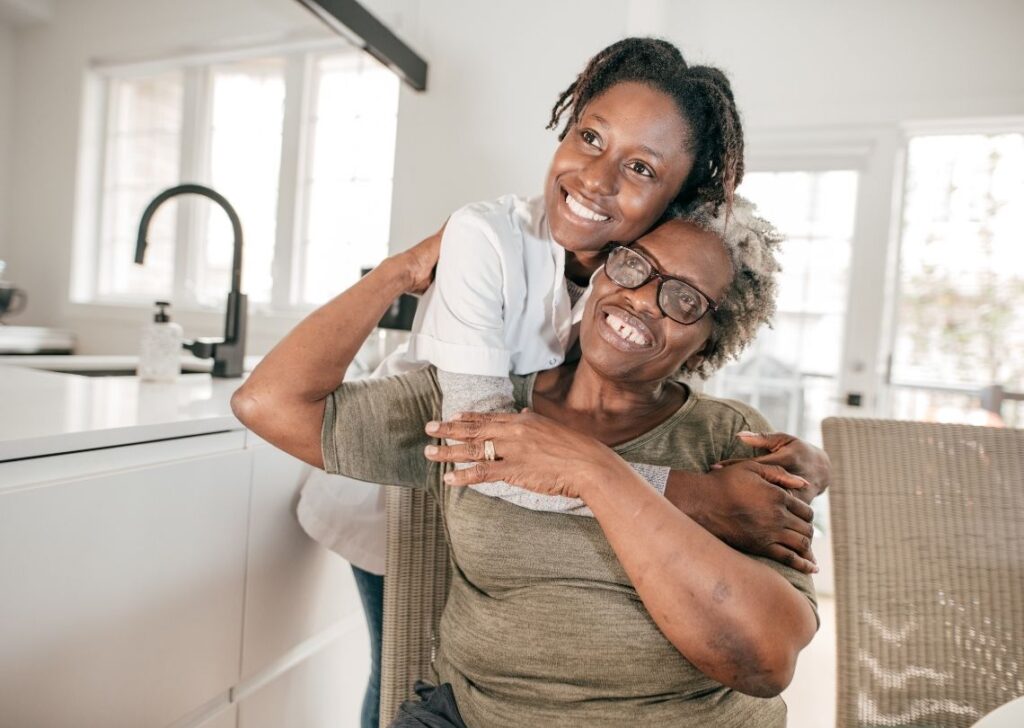
How do personal care services for seniors make home life safer? Whether it’s assistance with bathing, dressing, or ambulation, personal care services for elderly adults reduce their likelihood of falls or other injuries. Care workers assist with medication reminders, reducing the risk of forgotten or incorrect dosages. With regular checks on a senior’s well-being, these services can catch problems early, preventing issues from becoming serious. To numerous families, this is a bit of tranquility, recognizing that somebody is looking out for their cherished ones. Serenity Family Homecare provides this dependable layer of support, helping seniors stay protected and confident at home. In the paragraphs below, discover typical safety hazards around the home and how proper personal care can reduce these risks for independent seniors.
Key Takeaways
- How do personal care services for seniors improve safety at home?
- Reliable daily assistance and companionship can preserve independence, foster happiness, and prevent injuries and loneliness.
- Meticulous health and nutrition monitoring detects medical concerns early and maintains dietary requirements. This promotes general health and avoids illnesses.
- Caregivers act as safety coordinators by bridging communication between families and medical providers while incorporating smart technology and emergency response systems to boos
- t in-home safety.Professional caregiving leverages training and personalized care plans, making sure that help is always tailored to specific needs and evolves as situations change.
- Continuous home adaptations and transparent conversations regarding financial and emotional obstacles cultivate trust, increase accessibility, and nurture a safer and more comforting atmosphere for seniors and their loved ones.
How Personal Care Services Create A Safety Net
Personal care services act as a magical safety net to keep seniors and people with disabilities safe at home. By offering reliable home care services and hands-on assistance, these services create a safety net that empowers seniors to age on their own terms and avoid safety risks. While family and friends contribute, professional caregiver services can fill the gaps and be tailored to meet the unique needs of each individual, ensuring that they receive effective home care.
1. Proactive Hazard Mitigation
Regular safety checks are crucial for creating a safe home environment and can identify trip hazards, such as loose rugs or uneven flooring. Home care service providers often instruct caregivers on safe methods for mobility around the house, such as keeping walkways clear or using proper lighting. Additionally, equipping bathrooms with grab bars and non-slip mats, along with stairs featuring handrails, helps reduce fall risk. Implementing smart home devices, like motion sensors or emergency alert systems, alerts caregivers if something goes awry, establishing effective home care strategies.
2. Consistent Personal Support
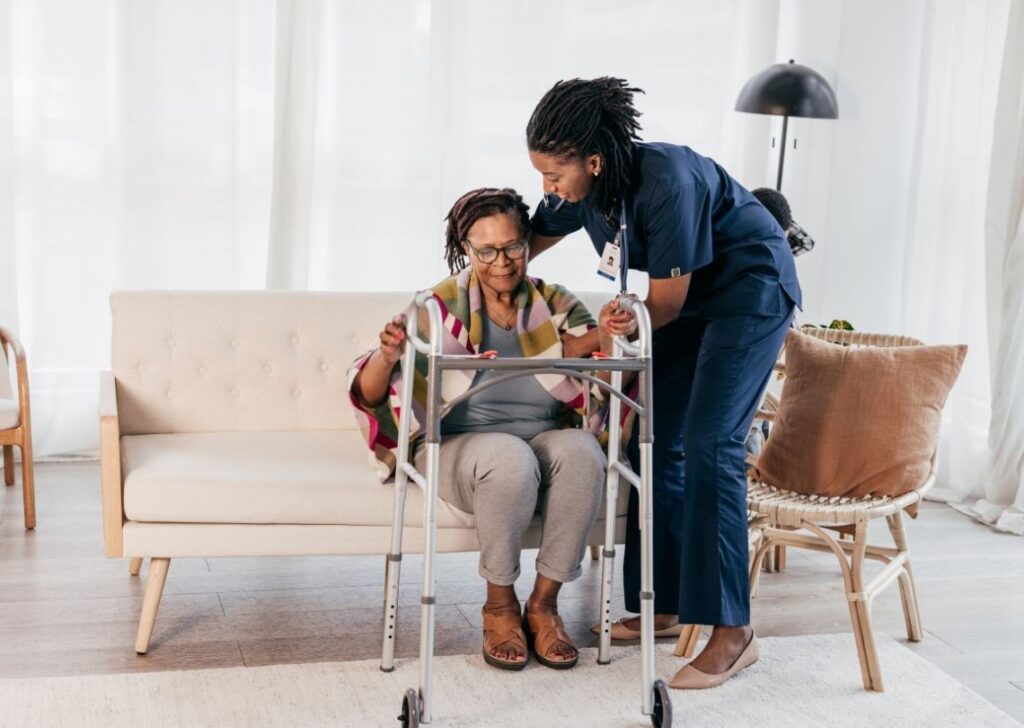
Having reliable home care services for personal care assistance with eating, bathing, or dressing on a regular basis means seniors can remain independent and protected. Companionship is more than just being there, home caregivers engage in conversation and shared activities to combat isolation. Medicine and check-up reminders keep seniors up-to-date with treatments. For those with difficulty walking, mobility assistance can prevent falls before they occur.
3. Diligent Health Monitoring
They monitor fundamental vitals, including heart rate, blood pressure, or weight, ensuring effective home care by detecting shifts early. Home caregivers call doctors or nurses to fine-tune care as required. Remote tools, such as wearable health trackers, enable caregivers to monitor health metrics remotely. Checking in frequently, both in person and by phone, develops trust and can identify emotional or physical concerns quickly.
4. Nutritional Oversight
Meals are tailored to each person’s health requirements, whether that be low-salt, high-protein, or other diets. Home caregivers observe what seniors consume and confirm it is appropriate for their condition. They frequently assist with meals, rendering eating safer and more pleasurable, ensuring effective home care. Good food education reinforces good long-term health and keeps diet-related issues at bay.
5. Emotional Comfort And Support
Being there for someone, day after day, eases loneliness and enhances well-being. Engaging in group activities or light games keeps minds stimulated and moods elevated, while home caregivers provide essential support. Hobbies and crafts imbue meaning and joy, improving the quality care of elderly patients.
The Caregiver As A Safety Coordinator
A caregiver isn’t just assisting with daily activities, they play a vital role in ensuring a safe home environment for seniors. Their efforts extend beyond simple caregiving, as they act as the primary messenger, safety coordinator, and liaison to healthcare professionals. By identifying hazards and employing effective home care strategies, they help prepare for disasters and secure the house, providing essential support for elderly patients. Families who partner with Serenity Family Homecare often find that having a trained, reliable caregiver bridges communication gaps and strengthens overall safety at home.
Family Care Coordination
Caregivers provide family members with updates on the senior’s health and daily fluctuations frequently through shared calendars or messaging apps. They organize routine family meetings, in person or virtually, to discuss care plans and issues. This transparent stream of information fosters confidence. With group chats or email updates, caregivers can quickly provide everyone with important details or changes in medication schedules. This way, everyone stays on the same page and no one feels excluded.
Other family members might not agree. A caregiver assists in navigating these by listening and promoting open conversations. When everyone feels heard, it’s easier to collaborate on care decisions. Clear communication prevents misunderstandings and keeps the senior’s wishes central to the plan.
Healthcare Liaison
A caregiver’s role is to be the liaison between doctors, nurses, and therapists. They schedule appointments, inquire, and communicate updates to healthcare teams. It keeps care gaps at bay. They mention any new symptoms or changes they observe, ensuring that the senior’s needs are not forgotten.
They schedule and monitor medications, minimizing errors. By sharing health updates and medication lists with the care team, they help keep treatments safe and effective. If a senior is not able to speak for themselves, the caregiver becomes their advocate.
Technology Integration
Smart home sensors, fall detectors, and emergency call buttons are now integrated into many home care services plans. Caregivers configure these devices and train seniors on them, ensuring a safe home environment. Telemedicine allows seniors to visit a doctor without leaving the house, making effective home care more accessible. Caregivers demonstrate how to participate in video calls or submit health data with a smartphone, enhancing communication.
Remote monitoring tools, such as heart rate or blood pressure trackers, provide caregivers and families with real-time updates. Training on these tools is critical, as knowing how to use them contributes to improved mobility and quicker access to assistance.
The Professional Advantage In Senior Safety
Senior personal care services, such as those offered by reliable home care service providers, inject a professional advantage into senior home safety with a methodical, compassionate touch. Having professional caregivers at home reduces the risk of accidents and promotes a safe home environment. Falls are the seventh leading cause of death among older adults, and home care aides and nurses help preserve seniors’ confidence while creating a comforting atmosphere that supports emotional well-being.
Specialized Training
Professionally trained caregivers play a vital role in providing effective home care services, specifically tailored to address the numerous health issues prevalent among seniors. Their training focuses on managing chronic illnesses and age-related risk factors, preparing them for complicated cases. Fall prevention training is essential, as falls are both frequent and deadly. Aides are trained to identify hazards such as loose rugs or inadequate lighting and recommend uncomplicated household modifications, like installing grab bars or non-slip mats, to create a safe home environment. Medication management is another emphasis, where caregivers help prevent dangerous drug interactions and mistakes through organized practices.
Customized Plans
Care plans aren’t cookie cutter. Every senior presents different issues, so strategies are designed around a comprehensive evaluation and can evolve with age or condition. They work with the family, so it is nice and open.
| Component | Description |
| Risk Assessment | Identify home hazards and health risks |
| Personal Care | Tailored hygiene, mobility, and nutrition routines |
| Medication Management | Customized schedules, reminders, and tracking |
| Social Support | Regular engagement and emotional assistance |
| Home Modifications | Safety upgrades (grab bars, ramps, lighting, etc.) |
Care plans are evaluated regularly to stay attuned to evolving needs and to maintain care that is safe and effective.
Emergency Response
Safety in senior care at home includes implementing emergency exit strategies that are communicated to everyone involved. First aid and CPR training are vital for home caregivers, allowing them to respond quickly to medical emergencies. Caregivers maintain emergency contacts and resources nearby, while regular drills ensure that both elderly patients and caregivers are prepared to handle any safety risks.
- Basic first aid procedures
- CPR and breathing support
- Emergency evacuation steps
- Communicating with family and emergency services
Modifying The Home Environment
Making your home safer for seniors involves more than just clearing the obvious dangers, it requires effective home care strategies that begin with a close inspection of the home environment. Collaborating with reliable home care service providers ensures that implementable modifications reduce preventable risks and that constant renovations address the unique needs of elderly patients as they evolve.
Initial Assessment
This begins with a comprehensive evaluation, taking a hard look at bedrooms, hallways, doorways, bathrooms and kitchens. They look for loose rugs, uneven flooring and narrow doorways that prevent easy navigation, particularly of wheelchairs and walkers. They seek inadequate lighting and disorganized clutter that can lead to tripping or falling. The crew marks locations requiring ramps, handrails or grab bars, typically bathrooms and stairs.
Following the walkthrough, results are discussed with parents or caregivers, ensuring everyone is on the same page about what must be altered for improved safety. STEP TWO: CHANGING THE HOME ENVIRONMENT This step is essential to establishing trust and empowering families to make informed decisions. All outcomes are recorded, facilitating progress observation and future adjustments as demands shift.
Practical Changes
Other changes are more complex, and they all add up. De-cluttering walkways, securing cords, and rearranging furniture to open up space all reduce fall hazards. Slip mats in bathrooms and kitchens are simple solutions that increase traction in areas that frequently have wet floors.
Install grab bars in bathrooms provide crucial assistance when bathing or getting up. Handrails along stairs and ramps at entrances contribute to safer, easier transitions between rooms and coming in or out of the house. Better lighting in hallways, stairs and bathrooms helps prevent falls, allowing seniors to see where they are going at night or in dimly-lit areas. Smart home tech like motion sensors and occupancy detectors adds an additional layer of safety by ensuring lights come on when they are required.
Ongoing Adjustments
As seniors’ needs evolve, houses require constant re-evaluation. Senior and caregiver feedback introduces new hazards or opportunities for adjustments. Safety precautions need refreshing, too, such as swapping mats, installing additional grab bars, or enhancing lighting.
Staying abreast of the new products, whether it’s new non-slip flooring or smarter home devices, provides more opportunities to keep spaces safe. Routine checkups from home health providers ensure any adaptations remain effective and complement the senior’s lifestyle.
Overcoming Barriers To In-Home Safety
Many older adults hope to grow old where they feel most at ease: home. Yet, 85% have not made their homes safer by removing trip hazards or adding assistive tools. Home safety assessments, even simple ones by occupational therapists, could lower fall risk by up to 36%. Despite this, few families adopt these changes, and the results are clear: more falls, injuries, and a lower quality of life. Reliable home care services can help close this gap, but families face barriers that need to be addressed for effective home care gains.
Financial Concerns
- Government-funded programs (such as national health subsidies)
- Pension plans and retirement savings
- Community-based non-profit grants
- Private insurance benefits
- Flexible payment plans from care providers
Transparent price lists and payment breakdowns can assist families in planning for effective home care. Many home care service providers list upfront costs now, so families are aware. Insurance, whether public or private, could alleviate the burden by paying for some home care services, expanding access to essential support.
Emotional Resistance
Elders might be afraid of losing independence or embarrassed to accept assistance. These emotions are authentic and typical. Families need to hear it, embrace it and take their time. Reminding them of the dangers, like falls that could turn their world upside down, never hurts. Posting easy, other people’s before-and-afters, now safer at home, might reduce skepticism.
Open talks come to the rescue! We all should share our concerns about in-home care. Certain seniors become petrified after one terrible fall and develop a phobia of walking. They should cultivate a long-term orientation for their families that focuses on learning and adaptation so that change becomes less frightening and more like progress toward improvement.
Finding Trust
Trust comes when you select home care service providers with demonstrated track records. Agencies must display reviews and feedback from other families, ensuring new clients feel reassured. We offer free initial consults with caregivers so families can test the fit before committing. Agencies that share the skills, background checks, and special training of their staff give families more peace of mind. These elements matter because the best home care begins with trust.
The Ripple Effect Of Enhanced Safety
Improved safety in home care services has implications beyond decreasing household accidents. It goes hand in hand with improved health among our elders. With less risk, seniors can prevent falls, infections, and other health issues. That results in fewer ER visits and hospitalizations. With less interruption, seniors tend to experience decreased stress and improved sleep. They are safer in their own space. A predictable daily schedule underpins this tranquility, simplifying your life and allowing you to better address fitness and daily necessities.
The ripple effect of a safe home extends to the home caregivers as well. When hazards are mitigated, caregivers, family or professional, experience less stress on a daily basis. They fret less about a crisis or sudden health downturn. It reduces burnout and enables them to remain grounded and engaged with their work. Caregivers empowered by reliable schedules and advanced planning report feeling more confident. Their peace of mind increases when they have a case manager or a key contact. This person can tie all the services together, making care less chaotic and more manageable.
It gives seniors more independence. Once you’ve made the home safe, your loved ones can do more independently. Grab bars, clear walkways, and better lighting are a handful of ways to assist. These changes erase the sense of confinement. With home care assistance around daily tasks, seniors can maintain their hobbies or remain socially engaged. It’s less like a prison and more like a home. For a lot of people, the security of knowing they can rely on both family and external support is essential to maintaining independence.
Safety innovations influence family life. Our loved ones feel more secure knowing that our loved one is in a safe environment. This can relieve strain and assist families in coalescing around caregiving. When the danger is contained and the rhythm is calm, we can all spend a little more time on what counts and a little less time fretting. There’s a nice ripple effect at play here: better safety equals better lives for seniors and caregivers.
Final Remarks
How personal care services for seniors keep you safe at home. Caregivers identify hazards quickly and address minor issues before they escalate. They assist seniors with daily activities and maintain consistent observation of health fluctuations. Skilled care workers know what to look for, so they respond immediately if problems arise. Basic safety updates at home, such as grab bars or improved lighting, reduce falls. Families stress less when they observe tangible safety measures being implemented. Seniors experience increased confidence and a reduced sense of isolation. Clean assistance makes a huge difference, not only for the single individual but for everyone in your house. With Serenity Family Homecare, families gain reassurance knowing experienced caregivers are committed to creating a safer, more comfortable home environment for their loved ones. First, contact a care service, inquire, and make a move to enhance security and serenity now.
Frequently Asked Questions
1. How Do Personal Care Services Help Prevent Accidents At Home For Seniors?
Personal care services, offered by reliable home care service providers, provide supervision and help with ambulation, which mitigates safety risks and allows seniors to remain secure in their own homes.
2. What Role Do Caregivers Play In Senior Home Safety?
Caregivers play a vital role in maintaining a safe home environment for seniors by providing essential support like medication reminders and acting quickly in emergencies.
3. Why Is Professional Care Important For Senior Safety?
Professional caregivers, as home care service providers, are trained to identify safety hazards, meet medical needs, and offer specialized assistance for effective home care.
4. How Can Personal Care Services Modify A Senior’s Home For Safety?
They can recommend and assist with modifications to the home, such as installing grab bars, improving lighting, and eliminating tripping hazards, ensuring a safe home environment.
5. What Barriers To In-Home Safety Do Personal Care Services Address?
Personal care services, provided by reliable home care service providers, help seniors overcome mobility issues, forgetfulness, and potential hazards, allowing them to live more safely and independently.
How Personal Care Services Help Seniors Stay Safe And Independent
Caring for a parent on your own can feel overwhelming. Daily tasks like bathing, dressing, meal prep and mobility support take time and energy, and many families reach a point where they can’t keep up. This often leads to stress, burnout and the fear that their loved one isn’t getting the level of care they truly need.
With personal care services from Serenity Family Homecare, families can count on consistent, trustworthy assistance. Our caregivers step in with patient, respectful support that makes life easier for your parent and lighter for you. We tailor care to your family’s needs, offer calm guidance and create a safer routine at home. You stay involved while gaining the steady help you’ve been missing.
When the right care is finally in place, everything changes. Your parent feels supported, confident and secure, and you regain the peace of mind that comes from knowing they’re in good hands. Reach out today to schedule an assessment and see how Personal Care Services can bring comfort, stability and real relief to your family.
Disclaimer
The information on this website is for general education only and should not be treated as medical, legal or professional advice. Every family and health situation is different, so you should speak with a qualified healthcare provider or appropriate professional before making decisions about care. Do not make changes to a care plan or rely on this content as a substitute for professional guidance. The information on this site may not reflect the most current medical standards or practices. Serenity Family Homecare is not responsible for any actions taken or not taken based on the material on this website.