Senior personal care services offered by Serenity Family Homecare help older adults manage everyday routines by providing hands-on support with tasks like personal hygiene, getting dressed, and safely moving throughout the home. Many seniors who have difficulty walking or standing for extended periods require a specially trained professional to assist them with maintaining their safety and routine. A personal care worker from Serenity Family Homecare can assist with meal preparation, bathroom usage, and even bedtime maneuvers. These services provide family members some peace of mind, knowing someone experienced is on hand when needed. For numerous families, this assistance translates into parents spending more time in their home, maintaining their independence and comfort. The second half of this post will display typical services, what to search for, and how to pick assistance.
Key Takeaways
- Personal care services from Serenity Family Homecare provide critical aid to seniors with mobility issues by helping with daily tasks, promoting safety, and tracking medical issues. This support enhances autonomy and health in the home environment.
- Tailored care plans and consistent communication guarantee that every senior’s unique requirements, likes, and health fluctuations are accommodated. This promotes a comprehensive and responsive care strategy.
- Comprehensive daily help, such as support with bathing and dressing, preparing meals, managing medications, and providing transportation, has a profound impact on quality of life and emotional well-being.
- Home safety is prioritized through professional assessments, the installation of accessibility modifications, education on safe movement, and the integration of emergency response systems to minimize risks.
- The application of technology and assistive devices enhances mobility and healthcare access, while therapeutic assistance and home modifications encourage seniors’ independence and coziness.
- Trust-building, dignity-preserving, and connection-nurturing among seniors, caregivers, and families is key for emotional support, effective communication, and collaborative care that respects the senior’s voice and lifestyle.
How Care Services Assist
Personal care services for seniors facing mobility concerns from Serenity Family Homecare provide a harmonious mix of functional aid and empathy. These home healthcare services keep elderly individuals comfortable at home and minimize risks associated with mobility problems. The assistance provided is customized, making a huge impact on both the senior and their family members.
- Personal care services help with daily living needs. Think bathing, dressing, eating, and getting around the house. This support allows seniors to maintain their independence without compromising comfort.
- They enhance home safety by identifying risks, like loose rugs or inadequate lighting, and installing solutions such as grab bars or ramps. This hand-holding assistance minimizes the chances of falling, a primary fear for people with frailty or diseases such as arthritis.
- Regular health tracking allows caregivers to detect shifts early, so care adjustments can occur swiftly and maintain senior health for longer.
1. Customized Care Plans
A custom care plan from Serenity Family Homecare starts with a full look at each senior’s unique needs and likes. For example, if someone struggles most with stairs, the plan might use a stair lift or move the main bedroom downstairs. The plan lists which mobility aids work best, like walkers, canes, or even smart-home devices for added support.
They aren’t set in stone. It evolves as the senior’s condition or mobility evolves. Families collaborate with caregivers to ensure the plan aligns with the senior’s lifestyle and preferences, keeping routines consistent and tension minimal.
2. Everyday Care Support
Some seniors require assistance on just a few select tasks, while others may require more intimate aid. Personal care services from Serenity Family Homecare encompass a variety of needs, ranging from assistance with bathing and dressing to cooking or feeding. A consistent carer assists with transportation to doctor’s appointments or visiting friends, maintaining an active social life.
Caregivers handle medicine schedules, reducing the chance of missed medications. Their companionship provides comfort and reduces isolation.
3. In-Home Safety Support
Caregivers make rounds in the home looking for new hazards, such as messes or slick surfaces. They arrange modifications like ramps, rails, and mats to simplify navigation.
Seniors discover safe ways to move and emergency systems translate into swift assistance if something goes wrong.
4. Daily Health Checks
By monitoring blood pressure, heart rate, or sugar levels, any health shift is caught quickly, allowing caregivers to provide effective ways to address mobility concerns. Caregivers communicate with physicians, ensuring that healthcare services are comprehensive and tailored to the individual needs of elderly individuals.
Simple exercises, like chair stretches, are built in to promote physical activity and prevent mobility problems. Technology facilitates family members in viewing updates from afar, enhancing community engagement and support systems for their loved ones.
5. Emotional Wellness Support
A reliable ‘listener’ cares and chats so seniors can vent or celebrate. Group activities and hobbies reduce stress and provide meaning.
Family caregivers receive resources to prevent burnout, maintaining strong support for all.
The Caregiver’s Role
Personal care service caregivers from Serenity Family Homecare play a pivotal role in assisting elderly individuals with mobility concerns. They don’t just assist with activities of daily living, they advocate for the desires and needs of seniors. By ensuring that seniors’ voices are heard, caregivers help maintain their dignity and make care more person-centered. This advocacy is evident in the small things, like meal options or how a morning routine should go, as well as in larger matters, such as care planning or addressing health issues. The caregiver’s objective is to strike a happy medium between assistance and independence, especially when it comes to mobility support.
Caregivers provide physical assistance with activities like bathing, dressing, transferring from bed to chair, or toileting. Many also assist with meals or medication, which can become tricky if the senior suffers from memory loss or chronic conditions. As they provide this support, caregivers avoid overtaking tasks an elderly parent is still able to do, even if it’s in small steps. This approach allows seniors to have input and control in their lives, which is crucial for their well-being and sense of self-worth.
Open, steady discussion with family members is another major piece of this work. Caregivers provide updates on the parent’s health, mood, and any changes they observe on a daily basis. This communication assists families in making informed decisions and keeps all parties informed. Good dialogue establishes trust and gives families a sense of participation, even if they’re far away or their lives are hectic.
Caregivers usually collaborate with nurses, doctors, or therapists to form a care team. This collaboration is essential because several activities, such as managing medications, observing for health changes, or providing wound care, require specialized care programs. Transparent notes and collaborative scheduling ensure that care is secure and seamless. Their team can detect issues early and respond quickly, which is critical when an elderly individual’s condition can change overnight.
Research indicates that being a caregiver is challenging. More than 20% believe it’s emotionally taxing on them. Approximately 13% show symptoms of anxiety, and up to 42% experience profound depression five years later. The work can also be hard on the body, with many standing for hours on end or assisting someone to move. Other research suggests that caregivers may actually live longer than others, perhaps due to the purpose and meaning their role provides. The majority require coaching, guidance, and assistance with issues like aggressive behavior or medical treatment, highlighting the need for comprehensive support systems.
Integrating Technology And Therapy
Personal care for seniors from Serenity Family Homecare integrates technology and therapy to help elderly individuals with mobility concerns remain independent and safe at home. By combining assistive devices, home modifications, and ongoing therapy care, senior living can significantly improve quality of life, manage health problems, and mitigate risks associated with mobility limitations. This holistic approach emphasizes the importance of specialized care programs and telehealth to assist seniors facing mobility problems in their everyday tasks.
Assistive Devices
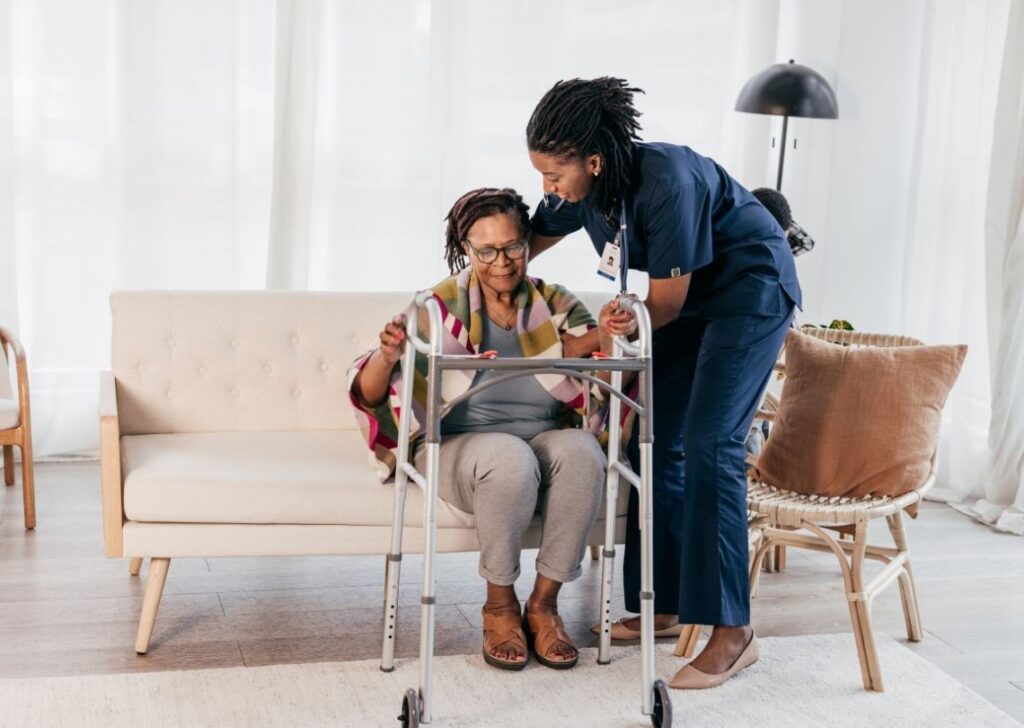
Walkers, wheelchairs, and canes can significantly improve senior mobility within the home. Proper training is crucial, as seniors and their families should test these devices until everyone feels comfortable and confident. Personal care staff from Serenity Family Homecare frequently check the fit and function of mobility support devices, adjusting them as individual needs evolve. Funding options are a major concern for families, staff can guide seniors to grants and affordable programs, ensuring that financial support does not hinder access to necessary equipment.
Additionally, basic wearable technology, like smartwatches, empowers elderly individuals and caregivers to monitor vital signs and fall incidents. Research indicates that when utilized effectively, these devices can enhance daily life and assist in fall prevention. By selecting the right tools and educating seniors on their proper use, care teams can significantly improve health outcomes and overall quality of life.
Home Modifications
| Modification | Benefit |
| Ramps | Safe entry and exit for wheelchair users |
| Chair lifts | Easier movement between floors |
| Grab bars in bathroom | Reduced risk of falls in wet areas |
| Non-slip flooring | Fewer slips and improved stability |
| Widened doorways | Better access for walkers and wheelchairs |
Easy solutions, chair lifts, widened doorways, and mobility support, enable elderly individuals to navigate their living environments with less assistance. These improvements frequently result in them being able to remain out of assisted living facilities for longer. Bathrooms and kitchens require specific focus, installing grab bars, non-slip mats, and lowering counters contributes to elderly fall prevention during everyday activities. Contractors familiar with aging-in-place design can help ensure these modifications suit each home and individual needs.
Therapeutic Support
Therapy for immobile seniors addresses real needs. Physical and occupational therapists from Serenity Family Homecare construct plans tailored to each senior. Exercise routines enhance balance, strength, and mood, and telehealth ensures consultations can happen without leaving home.
Therapists monitor progress frequently. They adjust routines as the senior’s condition evolves. Telehealth contributes by allowing seniors to consult therapists or physicians without leaving their homes, which is crucial for individuals with mobility issues. Most wearables track steps, sleep, and blood pressure. These resources help care teams identify issues early and adjust care plans quickly. Technology-assisted therapy keeps seniors as independent as they can be.
Beyond Physical Support
Senior and parent personal care services for those with limited mobility go far deeper than physical support. Personal care services from Serenity Family Homecare go far deeper than physical support, meeting social, emotional, and psychological needs that are equally important for well-being. There is a great deal of isolation among older adults and people with disabilities, and care that fosters connection and a sense of worth can make a huge difference in quality of life.
Strategies for promoting social and emotional well-being:
- Encourage regular family communication and visits
- Facilitate participation in group events or hobbies
- Offer individualized counseling or peer support groups
- Support involvement in community programs or volunteering
- Help seniors set and achieve personal goals
- Offer caregiver training on empathy, listening, and mental health first aid.
Fostering Connection
Support services often begin by encouraging consistent interaction between seniors and family members. This can be scheduled phone calls, video chats, or even group messages. Many caregivers assist elderly individuals in participating in communal activities, like reading groups or fitness sessions, that combat isolation and provide meaning. Engaging in these social activities is crucial for enhancing mental health and overall well-being.
Outings are significant for senior living, as they might include excursions to a park, museum, or market. When selected with the senior in mind, they feel invested in their community. For those seniors who can’t get out due to mobility limitations, inviting friends or other community members over for a visit or a virtual meeting is a nice alternative.
Personal care carries even further when it provides seniors room to impart wisdom and tales. This could involve motivating them to engage in conversations with grandchildren, provide mentorship, or take charge of a group activity. These moments cultivate respect and belonging for both the senior and those around them.
Maintaining Personal Dignity
One of the fundamental missions of Serenity Family Homecare is to care for all seniors with dignity. That means hearing their desires, allowing them to dictate how and when they receive support, and ensuring assistance never comes across as condescending. For instance, a home care provider could inquire prior to assisting with activities or allow the elderly to dictate the tempo for daily activities.
Elders have a say in organizing their own care. Even minor decisions, such as what to wear or eat, count. This maintains their agency and preserves their mental health. Beyond physical support, supporting independence by adapting a bathroom or giving easy-to-use tools can make a real difference.
Recognizing achievements, whether it is a birthday or a step in your recovery, is another form of encouraging self-value. These are opportunities to acknowledge hard work and grit, not merely outcomes.
Building Care Assurance
Trust builds with consistent, gentle nurturing. Caregivers who arrive punctually, fulfill their commitments, and respect every senior as an individual establish powerful connections. Transparency is important. Discussing care plans and changes as they occur makes all of you feel connected.
Weeks of back and forth. When seniors speak up or offer input, taking swift action demonstrates respect and makes the care experience feel more secure. Caregivers who maintain their composure and professionalism, even in stressful situations, demonstrate reliability. These habits pave the way for a supportive and confident relationship.
Choosing The Right Service
Choosing personal care services for seniors who have mobility concerns requires a pragmatic, sequential procedure. The right service complements a senior’s medical needs, daily rhythms, and personal values. Serenity Family Homecare provides the guidance and support needed to match services to each senior’s unique situation. Key considerations include the level of medical care needed, emotional support, and the senior’s lean towards independence versus connection. Financial considerations like out-of-pocket costs and coverage are also important in selecting the appropriate service.
| Provider Type | Services Offered | Cost (USD/month) | Staff Qualifications |
| In-Home Care Agency | Daily living help, medication, mobility | $1,740-$4,060 | Certified aides, some nursing staff |
| Assisted Living Facility | 24/7 support, group activities | $2,900-$5,800 | Licensed nurses, personal care aides |
| Skilled Nursing Facility | Medical care, rehab, chronic illness | $4,640-$8,120 | Registered nurses, therapists, physicians |
Evaluate Care Needs
Start with a full review of the senior’s physical, emotional, and social needs. Note if they need help with walking, bathing, or medication. Mobility aids, such as walkers or lifts, might be required. Some people face health issues that need skilled nursing or regular therapy.
Involve family. Their perspective can expose daily habits, concerns, or aspirations the senior may not disclose. This collaboration reveals information that informs a genuinely individualized care plan.
Mix these insights to formulate a care plan. It ought to encompass more than just physical requirements. It should include social engagement, psychological well-being, and privacy or autonomy preferences.
Check Caregiver Credentials
Verify the provider’s licenses and certifications. These demonstrate health and safety compliance. Seek evidence of recent staff training, particularly in mobility and emergency care.
Request references from previous customers. Candid reviews give you insights into what to expect. Make sure staff have experience with similar mobility issues.
Caregivers should be trained in first aid and be swift responders. This is life-saving for seniors with a high fall risk or medical needs.
Discuss Finances
Use a checklist, like insurance, out-of-pocket costs, payment plans, and expected monthly expenses. Don’t miss out on details about hidden fees total.
Look into grants. Certain areas provide state assistance or nonprofit assistance for elder care. Request transparent, written pricing from providers.
Think long term. They can get expensive as your needs expand. Consider supplemental insurance or savings options to keep care sustainable.
A Partnership in Care
A partnership in care is a collaborative effort of families, caregivers, and health professionals to improve the lives of elderly individuals facing mobility concerns. Serenity Family Homecare prioritizes a team approach, ensuring seniors receive proper assistance while families remain involved and informed.
Together, families and caregivers as partners create a care environment that prioritizes the senior’s individual needs. Families are typically aware of the minute details about their loved one’s preferences, routines, or foibles, while caregivers contribute their expertise from training and coordinate with other health professionals. By working together, families and caregivers can identify subtle shifts in a senior’s mobility or demeanor and take quick action. For instance, a caregiver may notice a new limp or increased difficulty getting up and promptly report back to the family. This proactive approach assists the family and care team in making informed decisions, such as consulting a mobility expert or modifying the home environment to enhance fall prevention.
Open communication between caregivers and family is crucial. It allows both parties to exchange advice, concerns, or updates regarding the senior’s health. Frequent conversations, such as weekly phone calls or written updates, ensure families are kept in the loop, even if they reside far away. Caregivers can share progress notes or photos to illustrate how the senior is faring. This transparent communication channel fosters a solid trust foundation and enables everyone to intervene early if an issue arises.
This collaboration provides families peace of mind and a sense of involvement in the care process. It aids in early detection, which can prevent major health relapses. When caregivers, family, and health workers, such as geriatricians or home healthcare services, work as one, there are often fewer hospital visits, and care becomes more affordable. Studies indicate that when caregivers are included in the hospital discharge plan and receive post-discharge support, seniors are less likely to be readmitted.
This model also supports family caregivers, who frequently juggle multiple responsibilities and encounter strain. Connecting families to community supports, medical providers, or caregiver support services can help navigate difficult moments and enhance their capabilities. This approach requires excellent training and backing for everyone involved. If any team member is lost or unprepared, the quality of care can suffer.
Final Remarks
Serenity Family Homecare offers personalized, one-on-one support to help aging parents deal with physical difficulties in a dependable and caring way.
Whether it’s helping with daily tasks, keeping familiar routines, or giving loved ones peace of mind, trained caregivers offer steady support. So, how do senior personal care services help parents who have trouble moving around? Simple solutions like safety tools in the bathroom, digital reminders, or patient, hands-on guidance can make a big difference in comfort, confidence, and independence.
A skilled care team from Serenity Family Homecare helps with both physical and emotional needs, making sure seniors feel safe, comfortable, and empowered.
Clear and consistent communication builds trust and ensures everyone’s feelings and needs are heard. Choosing the right personal care service gives families the support they need that truly fits their loved one’s situation.
To get started, contact Serenity Family Homecare, meet our team, share your concerns openly, and work together to create a care plan that brings confidence and peace of mind for the days to come.
Frequently Asked Questions
1. How Do Personal Care Services Support Seniors With Mobility Challenges?
They help with mobility through hands-on support for tasks like moving, walking, and getting in and out of bed. They use safe techniques and tools to prevent falls and ensure safe movement.
2. What Is The Caregiver’s Role In Personal Care?
Personal care aides help with daily activities, offer company, and make sure elderly individuals are safe. They monitor any shifts in well-being and promptly update loved ones or healthcare professionals.
3. How Modern Technology Empowers Independence In Seniors?
Advanced innovations, ranging from smart wearable devices and instant notification systems to personalized mobility tools, support seniors in maintaining daily independence, while giving caregivers the ability to act swiftly and safeguard their health.
4. What Should You Consider When Picking a Personal Care Provider?
Look for caregivers with a strong track record who can provide personalized support that meets the unique needs of your family member.
5. Do Personal Care Services Only Cover Physical Needs?
Far from it, these services also nurture emotional health by providing companionship, encouragement, and meaningful interaction, boosting seniors’ overall well-being and life satisfaction.
How Personal Care Services Help Seniors Stay Safe And Independent
Caring for a parent on your own can feel overwhelming. Daily tasks like bathing, dressing, meal prep and mobility support take time and energy, and many families reach a point where they can’t keep up. This often leads to stress, burnout and the fear that their loved one isn’t getting the level of care they truly need.
With personal care services from Serenity Family Homecare, families can count on consistent, trustworthy assistance. Our caregivers step in with patient, respectful support that makes life easier for your parent and lighter for you. We tailor care to your family’s needs, offer calm guidance and create a safer routine at home. You stay involved while gaining the steady help you’ve been missing.
When the right care is finally in place, everything changes. Your parent feels supported, confident and secure, and you regain the peace of mind that comes from knowing they’re in good hands. Reach out today to schedule an assessment and see how Personal Care Services can bring comfort, stability and real relief to your family.
Disclaimer
The information on this website is for general education only and should not be treated as medical, legal or professional advice. Every family and health situation is different, so you should speak with a qualified healthcare provider or appropriate professional before making decisions about care. Do not make changes to a care plan or rely on this content as a substitute for professional guidance. The information on this site may not reflect the most current medical standards or practices. Serenity Family Homecare is not responsible for any actions taken or not taken based on the material on this website.