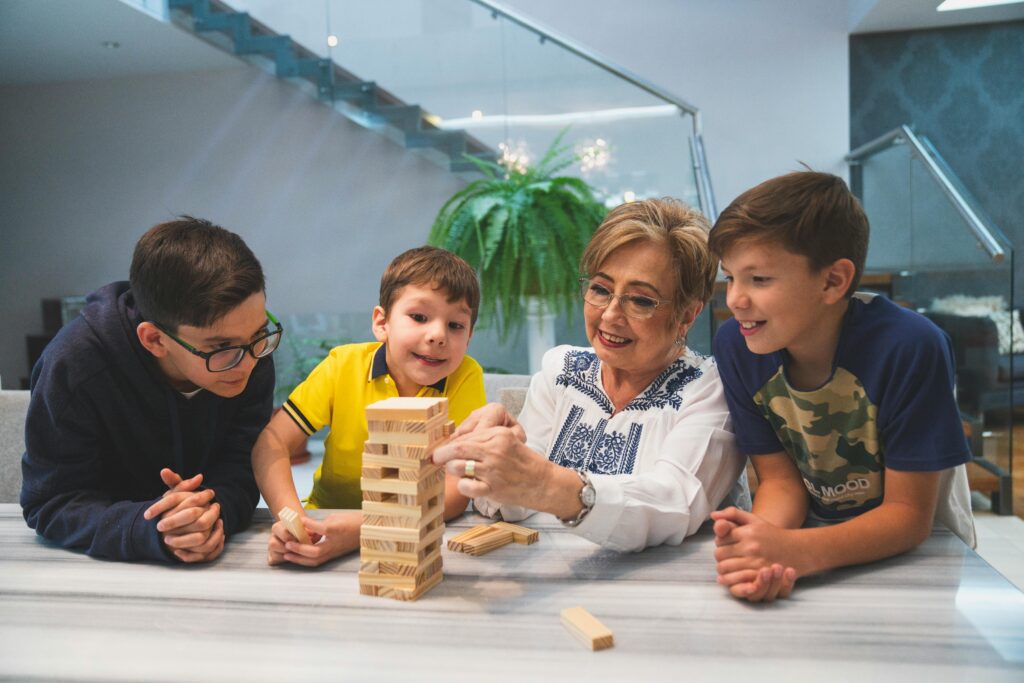
Personal care services for seniors assist in minimizing caregiver burnout by sharing daily tasks and providing family caregivers consistent breaks. They assist with core needs such as bathing, grooming, and meal preparation, allowing caregivers to take a step back and recharge. Personalized helpers notice health problems before they become major, so families experience less tension and concern. With seniors receiving consistent assistance from personal care workers, caregivers can reduce the hours they dedicate to everyday tasks and instead focus on their health or careers. Flex scheduling and custom plans ensure support fits every family’s situation. Multiple families find that they have fewer health problems and are in better moods when they engage these services. See how this support plays out in real life, the key benefits, and facts covered in the main section.
Key Takeaways
- Identifying the symptoms of caregiver burnout, ranging from physical exhaustion to emotional stress and social withdrawal, is essential for timely intervention and long-term caregiving sustainability.
- Personal care services, including respite care and professional home care, enable caregivers to offload challenging tasks, alleviate stress and focus on self-care.
- Emotional support from trained professionals, counseling, and peer support groups can greatly ease the mental and emotional strain of caregiving.
- Shared responsibility and communication promote a healthier family dynamic, assisting in splitting caregiving duties and mitigating tension.
- Through personalized care plans and professional expertise, these services provide seniors with tailored and consistent support they need to maintain their independence and quality of life.
- By investing in quality home care, you don’t just produce better outcomes for the care recipients.
The Reality Of Caregiver Burnout
Caregiver burnout is very real. For most, the weight compounds, resulting in a cocktail of physical, emotional, and social difficulties. Almost 40% of family caregivers are highly stressed, according to recent studies. These stresses frequently go unnoticed, compounding the issue.
Common signs of caregiver burnout:
- Chronic fatigue or persistent tiredness
- Increased irritability or mood swings
- Withdrawal from friends or activities
- Frequent headaches or body aches
- Changes in appetite or sleep patterns
- Feelings of hopelessness or helplessness
Physical Toll
Caregiving is tough. Activities such as lifting, assisting with movement, or supporting mobility are physically demanding, requiring strength and stamina. These activities, on a daily basis, strain the back, shoulders, and joints. Caregiver burnout is a very real concern. Close to one quarter of family caregivers experience a decline in their own physical health as a result of persistent demands.
Chronic exhaustion is another typical end result. Long days, broken nights, and no breaks can leave caregivers depleted. With this constant fatigue, it becomes more difficult to remain vigilant, which makes errors or accidents more likely. Injuries from muscle strains to falls aren’t unheard of either, particularly without adequate equipment or training.
Self-care is key, yet frequently overlooked. Easy habits such as exercise, nutritional meals, and checkups can alleviate physical tension. Personal care support from Serenity Family Homecare helps caregivers take a break and alleviates burnout while facilitating recovery.
Emotional Strain
Handling care for a loved one carries a substantial emotional burden. Caregivers wrestle with fear, guilt, and sadness, feeling as though they can’t possibly address every need. Over the years, this emotional weight can cause resentment, frustration, or even anger. These feelings erode bonds and exacerbate stress.
The unrelenting weight of caregiving can make one emotionally spent and impact your mental health. A lot of caregivers suffer from anxiety or depression, particularly when support is low. Therapy sessions and peer support networks offer a safe environment to share feelings and discover practical ways to manage stress. Studies demonstrate that caregivers who have these supports available experience less burnout and better health.
The Social Isolation
Caregiving leaves little time for a social life. Many caregivers drift away from friends and reduce activities. This disconnect feeds isolation and damages mental health, which makes it tougher to handle life’s everyday burdens. Long-distance caregivers may feel even more isolated, confronting their own distinct battles in seeking support.
Community groups and peer networks alleviate this isolation. Keeping in touch, participating in local groups or online groups with other carers can help. Maintaining friendships and outside interests is the key for balance and long-term resilience.
How Personal Care Services Alleviate Burnout
Senior personal care services provide defined answers that can ease the burden on family caregivers. These services address the key drivers of caregiver distress, including time urgency, physical strain, emotional burnout, and household tension. By providing consistent help, they enable caregivers to prioritize their own well-being and continue caring for their family members.
Numbered list of personal care services:
- Respite care services, which temporarily relieve caretakers so they can relax, focus on their own needs, or just catch a break, is something that research demonstrates reduces stress and burnout.
- Or professional home care aides are trained personnel who assist with bathing, dressing, mobility, and medication reminders, taking the hands-on burden off of family members.
- Light housekeeping and meal prep are services that remove essential but time-consuming chores from the caregiver’s plate, freeing them up to provide quality time and emotional support.
- Emotional support programs, such as counseling sessions or professionally led support groups, assist caregivers in discussing difficulties and discovering practical solutions.
- Transportation and errand support helps getting to appointments or running errands that returns caregivers time for hobbies, exercise, or rest.
1. Restoring Personal Time
As we mentioned above, passing off everyday care duties to professional caregivers enables your family to regain essential personal time. This transition allows caregivers to engage in activities such as hobbies, physical exercise, or relaxation, thus reducing stress and combating burnout. As a result, caregivers who take a respite find it easier to remain emotionally balanced and connected to life outside caregiving. Just as regular car maintenance can prevent an inconvenient breakdown, frequent, even mini, breaks are associated with improved caregiver mental health and well-being. In-home care options often adapt to your timing needs, giving caregivers the ability to plan rest periods that suit their daily routines.
2. Easing Physical Demands
They provide physically demanding care, like lifting, and transferring and assisting with mobility. This reduces the risk that they will injure themselves and allows caregivers to concentrate on providing the emotional support their family member requires. Home care services assume cleaning and laundry tasks to create a safer and more enjoyable home. Training for caregivers on safe lifting and handling techniques minimizes stress and prevents them from suffering injuries that may disrupt care. When physical demands are shared or diminished, caregivers experience less burnout and report a greater quality of life.
3. Providing Emotional Respite
Professional caregivers bring empathy and expertise, providing a secure space for relatives to vent. Support groups offer caregivers a place to bond with others dealing with comparable difficulties, which can reduce isolation and despondency. Caregivers may face anxiety, depression, or grief that often goes unattended, so access to counseling can help them navigate these feelings. Upfront conversations with care receivers prompted by specialists can ease frictions and build confidence. Emotional support is crucial for caregivers’ long-term health and they are able to care for patients better.
4. Ensuring Consistent Care
Schedule is medicine for seniors, but it’s exhausting for caregivers to uphold. Professional at-home caregivers set dependable schedules, making sure medications, meals, and hygiene are attended to. Professional at-home caregivers from Serenity Family Homecare set dependable schedules, making sure medications, meals, and hygiene are attended to. Routine evaluations keep care plans on target. This consistency not only helps seniors but provides peace of mind to family caregivers, reducing their stress and anxiety. When all is running smoothly, caregivers spend less time in crisis mode and more time engaging meaningfully.
5. Improving Family Dynamics
Delegating caregiving responsibilities lessens stress in the family. Professional caregivers can mediate disagreements and assist families in establishing defined roles and expectations. These open conversations create empathy and collaboration, preventing the caregiving experience from feeling solitary. Appreciating everyone’s input creates a reinforced network for the senior and caregiver alike. When your family’s communication and collaboration improve, your care outcomes are typically better and there is less stress overall.
The Importance Of Quality Care
Quality care for seniors is more than assistance with activities of daily living. It calls for expertise that matches every individual’s requirements. This care allows those with physical or mental limitations to navigate life at home, increase autonomy, and maintain identity. Quality care provides respite for families, reduces their stress, and prevents the burnout that’s far too familiar in caregiving.
| Benefit | Professional Care | Informal Care |
| Skill Level | Trained, licensed, specialized | Family/friends, often untrained |
| Care Consistency | Structured, reliable schedules | Varies, may be irregular |
| Customization | Individualized care plans | General, less tailored |
| Stress on Caregiver | Shared or reduced | High, often leads to burnout |
| Health Outcomes | Improved for both parties | Variable, more strain possible |
| Independence Supported | Actively maintained | May be harder to sustain |
Professional Expertise
Skilled caregivers make a difference. They know how to assist with intricate needs, such as mobility and chronic disease management. Their expertise translates to superior management of emergencies and medications, which is a life-saving benefit for elderly members with dementia or other conditions. Families who select professional care through Serenity Family Homecare can anticipate more consistent results and fewer dangerous errors.
It makes a difference to hire someone with the appropriate experience. For instance, a care provider with dementia training understands how to detect shifts in attitude or conduct quickly. This helps tweak routines before issues worsen. Families should seek caregivers who maintain current licenses and possess appropriate expertise on a case-by-case basis. This makes everyone feel safer and more supported.
Tailored Care Plans
Everyone is different. A solid care plan is developed following comprehensive evaluations, ensuring assistance aligns with those requirements. This enables seniors to maintain their independence for longer, even in the face of shifting health. They should have plans reviewed regularly, particularly if there are recent medical diagnoses. Bringing the family into these plans keeps everyone aligned.
Care plans assist in controlling caregiver burden. If the plan fits the situation, stress on the family decreases. Families and care teams collaborate, making adjustments as life shifts.
Care You Can Trust
There’s nothing like the relief of knowing a loved one is in great hands. Dependable home care from Serenity Family Homecare means less guilt and worry for families. Regular assistance allows all of us to focus on our respective roles without the stress of interrole conflict. This reduces strain, enhances peace of mind, and provides families room to exhale.
Families need to regard peace of mind as an important component of quality care. When care is right, families breathe easier and seniors feel recognized.
Restoring The Family Relationship
Cultivating the family connection extends well beyond day-to-day caregiving. When caregivers concentrate solely on routines, relationships can become taxed. Emotional and physical needs burden the entire family. Personal care services can come in to rescue the family and allow the caregiver to engage with his or her loved one as a family member, not a caretaker. Community support networks, self-care, and clear communication all contribute to constructing a more robust, balanced home.
From Caregiver To Child
Shifting the focus from incessant tasks to restoring the family relationship allows caregivers to view their patients as mother, father, brother, or sister first. This transition can relieve the isolation and stress that tend to accumulate during extended caregiving. Rather than just logging medications or chores, caregivers can spend time chatting, recalling memories, or sharing a comforting meal. These are the moments that remind me I’m a son, daughter, or grandchild again, not just a home employee.
Even something as simple as playing board games, flipping through family photos, or taking short walks will help the caregiver and care recipient feel much more connected to one another. When folks regard one another as family and not patient and nurse, trust flourishes. The emotional benefits are clear: caregivers who take breaks, join support groups, or practice stress reduction report feeling less burdened, which results in warmer, more open relationships.
Quality Over Quantity
The number of care hours doesn’t necessarily correspond with family ties. It is not the quantity but the quality of those moments. By prioritizing deep conversations, mutual laughter, or little gestures, caregivers can make every visit matter. Easy things such as just listening without rushing or being fully present can lift moods and ease stress for all.
Even brief, undistracted interactions can often mean more than hours together while distracted. Caregivers who prioritize self-care or meditation might experience an increase in patience, smoother conversations, and fewer conflicts. Emotional connections founded on genuine attention and care endure and feel more satisfying.
Shared Responsibility
When families pull together, no one is ever left alone or crippled with the burden of unmanageable obligations. Defining roles and having honest conversations about who handles what can avoid resentment. Rebuilding the family unit, where brothers, sisters, husbands or wives, or even friends assist with various jobs, makes the load easier for all.
Regular check-ins and candid conversations regarding needs or boundaries maintain the peace and demonstrate respect for everyone’s time. Bringing in professional services from Serenity Family Homecare provides family caregivers with reprieves. A sense of teamwork and open lines of communication can transform a stressful job into a more manageable and even rewarding communal effort.

Navigating Your Options
Senior personal care services are integral to assisting families and reducing caregiver burden. There’s no easy decision, particularly when you’re trying to find the optimal mix of immediate and future needs. Here are some options many families consider:
- Meal delivery and grocery services
- Home cleaning and maintenance help
- In-home personal care aides
- Volunteer groups for companionship
- Shuttle or transport services
- Remote health monitoring and telemedicine
- Respite care for temporary relief
- Day programs for social engagement
Families must consider these choices and select what aligns with their caregiving objectives. Find care partners who make it all about the values and the quality. Sometimes you’re best served by “mixing and matching” different services for a comprehensive care plan.
Assessing Needs
Start with a clear look at the senior’s health and daily living skills. Find out what help is most needed, such as mobility, bathing, meal prep, or medication reminders. Professional assessors from Serenity Family Homecare can provide an honest view of current and future needs. Family input is key for a full picture, as loved ones know day-to-day routines best. This process helps set up a plan that matches real care needs and makes it easier to decide what services are worth the cost.
Finding A Partner
Families should consider the training, background, and personality of each caregiver. Serenity Family Homecare provides skilled, reliable, and compassionate professionals suited to your family’s needs. It pays to seek a recommendation from local health networks or community organizations. Interviews can reveal if a caregiver is a good match with the family and the senior’s personality, something equally important as competence. A nice fit can make the everyday grind more manageable and put smiles on all faces.
Integrating Services
For many, blending personal assistance with professional medical support works best, addressing both everyday tasks and health needs. Tools like shared schedules or caregiving apps help keep all caregivers informed. Periodic check-ins and adjustments to the care plan ensure support evolves with the individual’s needs. Offering a variety of care options eases the burden on caregivers while giving older adults more complete, well-rounded assistance.
The Long-Term Benefits
Senior personal care services could be instrumental in sculpting healthier, more sustainable caregiving ecosystems for families across the globe. Professional assistance from Serenity Family Homecare mitigates everyday caregiver stress, lifts emotional and physical burdens, and promotes the long-term health of the family. Studies continue to highlight the benefits of this support, showing how in-home support, community services, and respite care reduce caregiver stress, promote autonomy for elders, and protect long-term mental well-being.
Sustainable Caregiving
Checklist for Sustainable Caregiving:
- Schedule regular respite breaks
- Set realistic expectations for yourself and others
- Use community support resources
- Maintain healthy boundaries between work, caregiving, and rest
- Seek emotional support from peers or professionals
Balancing caregiving with work and personal commitments for the long term. Thousands of hours into their mission, these caregivers are weary, financially burdened and isolated. What has worked is more sustainable approaches like regular respite care and consistent self care, strategies that prevent long-term burnout. These strategies can help caregivers stay present and engaged, instead of crushed by their burden.
Community resources, such as support groups, local health organizations, and educational programs, assist caregivers in managing. As a result of having access to these tools, you can experience better outcomes, less stress, and a greater sense of connection, which leads to less emotional isolation and burnout.
Enhanced Well-being
Professional home care services can alleviate stress and enable caregivers to sidestep the burnout that frequently results in depression or anxiety. Research demonstrates that when caregivers are given room to breathe and work through their emotions, family dynamics tend to get stronger. There is less friction and more empathy. Support from professionals and networks alike is good for us all. Seniors get some socialization and caregivers receive respite from supervision.
Basic things like taking a walk together, reading, or doing activities together instill a sense of emotional wellness. These times give both the caregiver and senior a chance to refresh and deepen their bond, making day-to-day care less of a strain and more of a communal experience.
Independent Senior Living
| Factor | How It Supports Independence |
| Personalized care | Meets unique needs, builds trust |
| Mobility support | Encourages daily activity |
| Social engagement | Reduces isolation |
| Health monitoring | Promotes self-management |
Personalized support from Serenity Family Homecare helps seniors maintain independence, stay engaged in daily activities, and nurture social connections while focusing on their overall health. Compassionate, one-on-one care enables older adults to remain in control of daily choices, promoting confidence, dignity, and a higher quality of life.
Final Remarks
How can personal care services for seniors alleviate caregiver burnout? By providing assistance with everyday necessities, services from Serenity Family Homecare allow family members to relax, focus on work, or simply take a well-deserved break. Skilled caregivers bring compassion, expertise, and a personal touch, ensuring seniors remain safe, comfortable, and truly heard. Families experience less stress and can return to simply being family, not always the caregiver. Reliable support combined with clear, thoughtful planning builds lasting trust and reassurance. Serenity Family Homecare’s personalized services ease daily burdens, bring more joy, and foster stronger bonds among family members. Whatever your situation, do your research, ask questions, and find a care solution that feels right. Sharing your experience can also help others navigate this journey.
Frequently Asked Questions
1. What Is Caregiver Burnout?
Caregiver burnout is a physical, mental, and emotional exhaustion brought on by prolonged caregiving. It can cause exhaustion and medical issues for the caregiver.
2. What Does Personal Care Include?
Personal care support covers essential daily tasks such as bathing, dressing, grooming, safe mobility, and medication reminders. These services simplify everyday life for seniors while helping caregivers feel less overwhelmed.
3. Can Using Personal Care Services Improve Family Relationships?
Yes. With daily care in the hands of professionals, family members can make the most of their time together. It lessens stress and repairs the family dynamic.
4. Are Personal Care Services Safe For Seniors?
Trusted personal care services have trained professionals and established safety protocols. This guarantees seniors receive appropriate and secure home assistance.
5. How do I choose the right personal care service?
Seek out licensed, experienced providers. Review reviews, inquire about staff training, and ensure the service aligns with your loved one’s unique needs.
How Personal Care Services Help Seniors Stay Safe And Independent
Caring for a parent on your own can feel overwhelming. Daily tasks like bathing, dressing, meal prep and mobility support take time and energy, and many families reach a point where they can’t keep up. This often leads to stress, burnout and the fear that their loved one isn’t getting the level of care they truly need.
With personal care services from Serenity Family Homecare, families can count on consistent, trustworthy assistance. Our caregivers step in with patient, respectful support that makes life easier for your parent and lighter for you. We tailor care to your family’s needs, offer calm guidance and create a safer routine at home. You stay involved while gaining the steady help you’ve been missing.
When the right care is finally in place, everything changes. Your parent feels supported, confident and secure, and you regain the peace of mind that comes from knowing they’re in good hands. Reach out today to schedule an assessment and see how Personal Care Services can bring comfort, stability and real relief to your family.
Disclaimer
The information on this website is for general education only and should not be treated as medical, legal or professional advice. Every family and health situation is different, so you should speak with a qualified healthcare provider or appropriate professional before making decisions about care. Do not make changes to a care plan or rely on this content as a substitute for professional guidance. The information on this site may not reflect the most current medical standards or practices. Serenity Family Homecare is not responsible for any actions taken or not taken based on the material on this website.