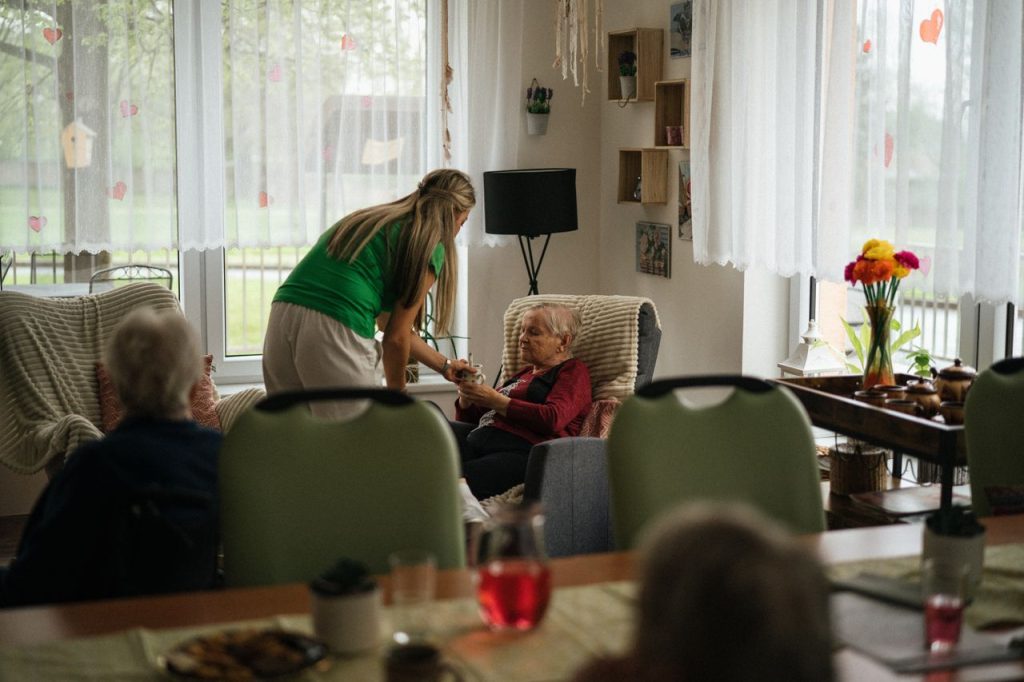
Living alone can offer older adults privacy, comfort, and the freedom to follow their own routines. Many seniors enjoy choosing when to cook, what to watch, how to organize their homes, and where to spend their time. Remaining in a familiar environment can also preserve connections to neighbors, personal belongings, and memories built over many years.
However, living independently and having enough social connection are separate concerns. A senior may manage everyday responsibilities successfully while spending long stretches without meaningful conversation. Family members might call regularly but live too far away to visit often. Friends may move, stop driving, or experience circumstances that make getting together more difficult.
Senior companionship services can help fill these gaps through scheduled visits, conversation, shared activities, and appropriate practical support. Depending on the provider and service plan, a companion might join someone for lunch, help arrange a video call, accompany an outing, or participate in a favorite hobby.
The value comes from making everyday life more connected and personally meaningful. Having someone who listens, remembers preferences, and arrives consistently can provide something to anticipate while respecting the older adult’s choices.
Still, living alone does not automatically mean someone is lonely or needs paid support. The best approach starts with the person’s preferences, existing relationships, and actual difficulties.
Key Takeaways
- Senior companionship services provide social interaction and shared activities that may make daily life more enjoyable.
- Living alone, loneliness, and social isolation are different experiences.
- Consistent visits can provide familiar routines around meals, hobbies, outings, and conversation.
- Companions may help older adults participate in activities they choose.
- Transportation, meal preparation, errands, and household assistance require confirmation with the provider.
- Companionship does not replace medical care, mental health treatment, personal care, or necessary supervision.
- A suitable arrangement respects privacy and includes the older adult in decisions.
- Support should be reviewed as preferences, circumstances, or care needs change.
Understanding Social Connection When Living Alone
Everyday Interaction May Become Less Frequent
Social contact often happens naturally through work, shared meals, errands, family life, and community participation. When those routines change, opportunities for conversation may become less frequent.
A retired person who no longer drives may have fewer ways to leave home. Someone whose close friend moves away may lose a weekly outing. An older adult who recently lost a spouse may face evenings that feel especially quiet.
These changes do not necessarily indicate an inability to live independently. They may mean that familiar opportunities for social contact have become harder to maintain.
Companionship offers one way to add predictable contact while helping the person pursue chosen activities.
Being Alone And Feeling Lonely Are Different
Social isolation involves limited relationships, contact, or support. Loneliness concerns feeling disconnected or lacking meaningful closeness.
A person can enjoy living alone and feel well connected. Someone who regularly sees other people can still feel lonely if those interactions do not provide the connection they want.
Ask about the quality of your loved one’s days. Do they have people they feel comfortable talking with? Are their interactions satisfying? Would they welcome additional company?
The answers can help determine whether companionship, community activities, transportation assistance, or another option would be useful.
Begin With The Person’s Experience
Family concerns deserve attention, but they should not replace the older adult’s perspective. A quiet schedule may be satisfying for someone who values solitude.
Instead of assuming more visits are necessary, ask what the person enjoys and what they wish were different. They might miss one particular friend rather than want frequent visitors.
Sometimes the most useful support is specific: help arranging a call, reaching a community gathering, or preparing for an outing. Paid companionship should address an identified preference or need.
Providing Meaningful Conversation And Emotional Support
Having Someone Who Listens
A telephone call can be valuable, but it may be brief or interrupted by other responsibilities. Scheduled companionship creates dedicated time for conversation.
An older adult might want to discuss a book, tell a family story, describe a frustrating day, or share something amusing. A thoughtful companion listens attentively and allows the person to guide the discussion.
Remembering a favorite author or asking about an unfinished project can make visits feel personal. The person’s interests receive attention beyond appointments and household concerns.
The relationship should remain respectful and professional. Warmth is welcome, but pressure to share private information or rely exclusively on one worker is inappropriate.
Making Space For Grief And Life Changes
Living alone sometimes follows bereavement, separation, or another major transition. Familiar routines may suddenly feel different, and ordinary activities can carry emotional weight.
A companion can offer company without forcing cheerfulness. Looking at photographs, preparing a familiar meal, or enjoying quiet conversation may be more welcome than a busy outing.
Let the older adult decide whether to discuss the loss. Preferences may change between visits, and an activity that feels comforting one day may feel upsetting another.
Companionship should allow room for difficult feelings without expecting the person to appear happy.
Keeping Expectations Realistic
Companionship is not counseling. Persistent emotional distress or significant changes in functioning should be discussed with an appropriate healthcare professional.
Associations between loneliness, social isolation, and poorer health do not establish that hiring a companion prevents or treats a medical condition.
Families can value social support while recognizing its limits. An older adult may appreciate visits and still need grief counseling, treatment, or another form of professional assistance.
Ask how the provider communicates concerns and what happens when an issue exceeds the companion’s responsibilities.
Supporting Routines, Independence, And Personal Choice
Adding Familiar Structure To The Week
Days may become repetitive when few activities are scheduled. Companion visits can provide reliable points of connection.
A Tuesday visit might involve lunch and conversation. A Thursday visit could include a library trip or hobby. Predictable plans make preparation easier and provide something specific to anticipate.
The timing should fit the person’s energy and preferences. Morning visits may suit one individual, while afternoons feel more comfortable for another.
Structure is most useful when it supports choice. Filling every hour can feel tiring or intrusive.
Making Participation Easier
Some activities become harder to begin alone. Someone may enjoy gardening but find organizing supplies inconvenient. Another person may want to write letters while appreciating the company of getting started.
A companion can remove small obstacles by setting out materials, discussing a manageable plan, or participating alongside the older adult.
The goal is to preserve involvement. If the person enjoys choosing recipes, preparing vegetables, or arranging flowers, leave room for those contributions.
A modest activity can be satisfying. Finishing one letter may be more worthwhile than rushing through a long list.
Supporting Independence Through Appropriate Help
Independence includes control over daily life and access to meaningful activities. It does not require performing every task without assistance.
An older adult might continue grocery shopping with company in a busy store. Another may attend a community event when someone helps organize the trip.
Where these services are included, the companion can make participation more practical while the person chooses what to buy, where to go, and how long to stay.
Focus on the activity the person wants to maintain rather than selecting support solely from a generic checklist.
Respecting Quiet Time And Refusals
A person may enjoy regular visits while wanting uninterrupted time between them. Companions should ask before changing household arrangements, entering private spaces, or beginning an activity.
Declining an outing does not automatically indicate a problem. Offer alternatives and ask whether anything about the plan felt uncomfortable.
A few well-matched visits may be more welcome than frequent appointments that do not suit the person. Feedback should guide changes to timing, activities, and the companion match.

Making Meals And Activities At Home More Enjoyable
Turning Mealtime Into Shared Time
Some older adults enjoy cooking alone. Others miss the conversation and shared experience that once accompanied meals.
When meal assistance is included, a companion might help plan lunch, prepare a simple dish, or provide company while the person eats.
A relaxed meal can create time to discuss the day and enjoy a familiar routine. The older adult can participate at a comfortable level, from choosing ingredients to directing preparation.
Food support should follow preferences, allergies, and established dietary instructions. Companions should not create medical nutrition plans or alter clinical recommendations.
Helping With Small Responsibilities
Depending on the service, a companion might help prepare a shopping list, fold laundry, water plants, or tidy the area used during a visit.
These responsibilities need clear limits. Companionship should not gradually become an undefined expectation to manage the entire household.
Writing a list together differs from taking control of finances. Organizing an outing differs from deciding where someone should live.
A written plan helps distinguish permitted assistance from responsibilities requiring family involvement, separate authority, or another professional.
Keeping Hobbies Accessible
Meaningful engagement does not require expensive supplies or a complicated program. Familiar interests often provide a natural starting point.
A companion might read aloud, work on a puzzle, listen to music, discuss a sporting event, or help arrange a craft project.
Adapt activities to current comfort and abilities. Large-print materials, quieter surroundings, shorter sessions, or easier-to-handle tools may help.
The older adult should remain free to stop or change activities. A visit does not need a completed project to be successful.
Valuing Conversation And Curiosity
Some people prefer discussion to structured activities. Local history, travel, books, recipes, and family traditions can provide satisfying topics.
A companion can bring up subjects the person has expressed interest in. Conversation should feel natural rather than like a test.
Games and discussion can provide enjoyable engagement, but they should not be presented as proven dementia prevention or treatment for memory difficulties.
New or worsening cognitive concerns warrant professional evaluation. Any companionship arrangement must also match the person’s supervision and care needs.
Maintaining Community And Family Relationships
Supporting Outings And Familiar Connections
Meaningful relationships may include neighbors, former coworkers, faith communities, clubs, or volunteer groups.
When the agreement includes suitable accompaniment or transportation, a companion may help maintain these connections. An outing could involve coffee with a friend, a community center visit, or a familiar park.
Confirm who drives, which vehicle is used, relevant insurance, additional fees, and available assistance. Accompaniment does not automatically include transfers or hands-on mobility support.
Plan around seating, walking distances, restrooms, noise, weather, and the person’s energy.
Helping Existing Relationships Continue
A companion may help arrange a call, write a greeting card, organize photographs to share, or prepare for a gathering.
The older adult should choose whom to contact and what assistance they want. Technology support should not become automatic access to accounts or private conversations.
For someone who dislikes video calls, a telephone conversation or handwritten letter may be preferable.
The purpose is to make valued relationships easier to maintain, using methods the person finds comfortable.
Supporting A Wider Circle Of Connection
A companion can be one part of a broader social life. Visits might help someone return to a familiar group, reconnect with neighbors, or arrange time with friends.
Libraries, senior centers, community organizations, and volunteer visitor programs may offer additional options. Availability, accessibility, and suitability vary, so explore what the person would actually enjoy.
Group participation should remain optional. Some people prefer individual contact; others welcome a combination.
A broader network also provides alternatives when the usual companion is unavailable.
Preserving The Distinct Role Of Family
Paid companionship can fill scheduling gaps, but family relationships have their own history and meaning.
Continue calls, visits, shared meals, and traditions in ways the older adult values. Avoid turning every family interaction into an assessment of how services are working.
Ask about enjoyable experiences and plans they want to make. Familiar conversation helps preserve the natural relationship while practical coordination happens through agreed channels.
Coordinating Support Without Overstating Safety Benefits
Filling Gaps Between Visits From Relatives
Employment, childcare, distance, and other responsibilities can limit family availability even when relationships are close.
A companion may provide planned contact during those gaps. Weekday visits could complement regular weekend time with relatives.
Clarify which appointments are scheduled and which responsibilities remain with family members or other services.
If relatives rely on a visit before leaving home, confirm the provider can meet the older adult’s needs and explain what happens if the worker cannot attend.
Sharing Useful Updates With Permission
Agree on what information may be shared, with whom, and by which method. The older adult should participate in those decisions when able.
Useful updates might confirm that an outing occurred, describe a scheduling change, or report a concern requiring follow-up.
Routine reports should focus on relevant facts. Private conversations should not automatically be distributed to family members.
Clear expectations help coordination without making the person feel constantly monitored. Ask the provider to explain confidentiality and required reporting practices.
Reporting Observations Without Diagnosing
A familiar companion may notice changes during visits. The older adult might stop enjoying an activity, mention difficulty completing errands, or appear unusually tired.
Specific descriptions are more useful than labels. “She said she was too tired for the outing twice this week” provides clearer information than calling her unmotivated.
The companion reports observations; qualified professionals assess possible causes.
Regular contact creates opportunities to notice concerns, but it does not guarantee that every problem will be identified or prevented.
Planning For Time Between Appointments
A companion visiting for several hours is absent the rest of the time. Families need to consider those periods when planning support.
Clarify procedures for an unanswered door, unexpected cancellation, illness, or emergency during a visit. Keep contact information current.
Someone needing continuous supervision, substantial personal assistance, or specialized care may require additional services.
A suitable plan addresses actual needs throughout the day and night rather than relying on reassurance from occasional visits.
Deciding Whether Companionship Is A Suitable Fit
Look For Unwanted Gaps
Companionship may be useful when the older adult wants more conversation, misses outings, or finds maintaining social plans difficult.
Comments about empty days or a desire to resume a hobby can open a discussion. Reduced participation alone does not establish the cause or determine which service is needed.
Ask what the person misses and what kind of company would feel welcome. Addressing transportation or phone difficulties may sometimes be more useful than general visits.
Revisit Support After Major Transitions
Bereavement, moving, stopping driving, or changes in a close friend’s circumstances may alter social opportunities.
Someone who previously had satisfying contact may suddenly have a quieter schedule. Temporary companionship could help while they explore new routines or other resources.
Avoid assuming every transition requires permanent paid support. Discuss the person’s experience and review whether the arrangement remains useful.
Persistent distress or changes in daily functioning should also receive appropriate professional attention.
Ask Providers Specific Questions
Describe the intended activities and any assistance required. Ask about screening, relevant training, consistent staffing, supervision, and the process for requesting a different companion.
Confirm included tasks, minimum visit lengths, costs, cancellations, transportation, and backup arrangements in writing.
Ask how complaints and changing needs are handled. Clear answers help families understand whether the service can deliver the arrangement being proposed.
Begin With A Reviewable Arrangement
An introduction or agreed trial period can help assess compatibility. Explain that the older adult can raise concerns and request changes.
After several visits, ask whether they feel comfortable, enjoy the company, and want to continue. Review punctuality, communication, and adherence to the plan.
Adjust timing or activities where helpful. If the match remains uncomfortable, explore another companion or option.
The aim is welcome, appropriate support rather than an obligation to continue a service that does not fit.
Conclusion
Senior companionship services can add meaningful conversation, enjoyable activities, and dependable contact to the lives of older adults living alone. They may also help maintain chosen routines, community participation, and appropriate practical support.
Their value depends on the individual and the quality of the arrangement. Some people are satisfied with their existing relationships. Others welcome additional company that respects privacy, energy, interests, and independence.
Listen first, define clear goals, and confirm service responsibilities. Arrange additional care when medical, personal care, or supervision needs exceed companionship.
If your loved one would welcome more company, contact a senior companionship provider to discuss their interests, preferred schedule, and support needs.
Frequently Asked Questions
1. Does Every Senior Living Alone Need Companionship Services?
No. Many older adults living alone have satisfying relationships and enjoy their routines. Consider companionship when the person wants more contact or needs help accessing activities they value.
2. What Activities Can A Senior Companion Provide?
Visits may include conversation, reading, games, music, hobbies, shared meals, and outings. Some providers offer errands or household assistance. Confirm included services in writing because responsibilities vary.
3. Can Companionship Help With Loneliness?
It may provide meaningful contact for someone who wants more connection. Results vary, and compatibility matters. Persistent distress warrants professional attention. Companionship can complement friends, relatives, and community resources.
4. How Often Should A Companion Visit?
Consider desired contact, chosen activities, existing support, energy, and budget. There is no universal schedule. Review whether the frequency and duration feel useful and comfortable.
5. Can Companionship Include Bathing Or Medication Assistance?
Do not assume these tasks are included. Personal care and medication support may require different arrangements, qualifications, or authorization. Describe the actual needs and confirm the worker’s permitted responsibilities.
6. What If The Older Adult Is Hesitant?
Ask about concerns involving privacy, expense, or control. Explain the arrangement honestly and offer an introduction if welcomed. Respect feedback and avoid pressuring the person to continue an unsuitable match.
7. How Can Families Tell Whether Visits Are Helping?
Ask whether the older adult enjoys the company and finds activities worthwhile. Review agreed goals, reliability, communication, and respect for boundaries. Adjust the arrangement as preferences or support needs change.
Bring Comfort, Connection, And Support With Senior Companionship Services
Staying socially connected plays an important role in a senior’s overall well-being. As older adults spend more time at home, changes in mobility, family schedules, or limited opportunities for social interaction can sometimes lead to loneliness or isolation. Senior Companionship Services provide meaningful conversation, friendly interaction, and dependable support that can make each day feel more engaging, comfortable, and fulfilling.
Senior Companionship Services from Serenity Family Homecare are personalized around each client’s interests, routines, and preferences. Our caregivers can spend time talking, playing games, sharing meals, taking walks, assisting with errands, accompanying clients to appointments, or simply providing a familiar and caring presence throughout the day. Each visit is designed to encourage social connection while helping seniors maintain their independence and enjoy more meaningful daily routines.
With dependable companionship, seniors can enjoy greater connection, consistency, and emotional support at home. Families can also feel reassured knowing their loved one has someone they can trust for regular interaction and attentive care. Contact Serenity Family Homecare today to schedule an assessment and learn how Senior Companionship Services can help your loved one stay connected, engaged, and supported at home.
Disclaimer
The information on this website is for general education only and should not be treated as medical, legal, or professional advice. Every family and health situation is different, so you should speak with a qualified healthcare provider or appropriate professional before making care decisions. Do not make changes to a care plan or rely on this content as a substitute for professional guidance. The information on this site may not reflect the most current medical standards or practices. Serenity Family Homecare is not responsible for any actions taken or not taken based on the material on this website.