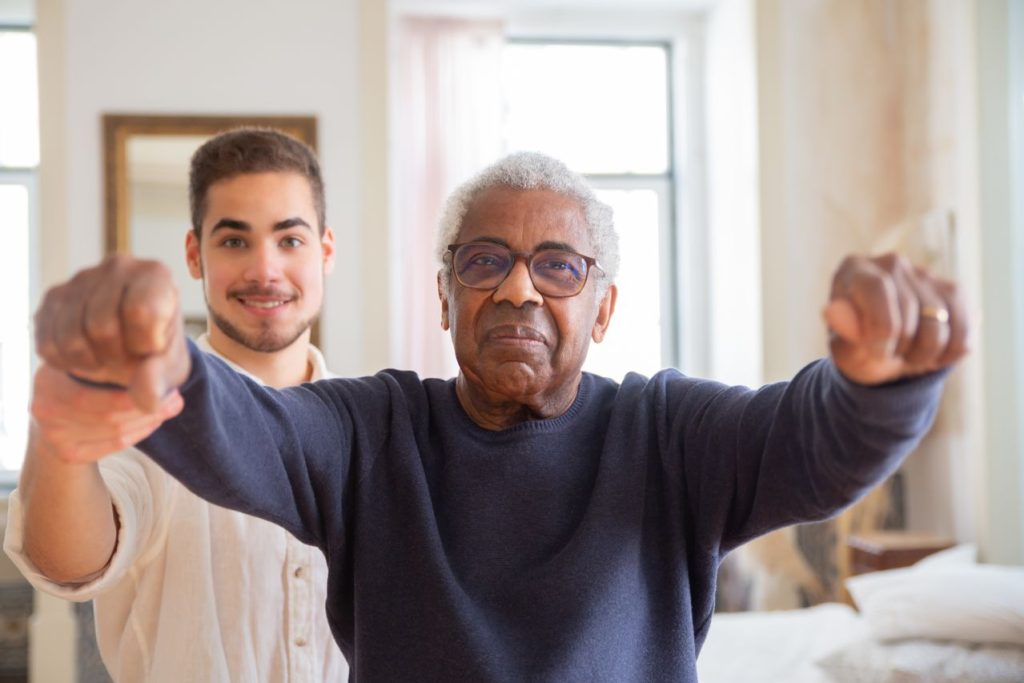
As you or someone you love grows older, everyday movements can become more difficult than they once were. Standing up from a chair, walking to the kitchen, climbing stairs, or stepping into the shower may suddenly require more effort and confidence. Weakness, poor balance, chronic health conditions, or recovery from illness can make these simple tasks feel risky. For many older adults, the fear of falling becomes just as limiting as physical weakness itself.
Mobility support at home helps seniors stay safe, independent, and active despite these challenges. Rather than encouraging inactivity, the right support makes movement easier while reducing unnecessary risks. It allows older adults to continue living in familiar surroundings without giving up daily routines that contribute to their quality of life.
Whether mobility limitations are temporary after surgery or part of long-term aging, early support often prevents small problems from becoming larger ones. Families who recognize these changes early can help their loved ones maintain confidence, avoid preventable injuries, and enjoy greater independence for longer.
This guide explains why mobility support matters, who benefits from it, what services are included, how it improves emotional well-being, and how you can choose a trusted provider in Contra Costa County.
Key Takeaways
- Weakness and balance problems significantly increase the risk of falls among older adults.
- Mobility support helps seniors move safely while maintaining independence at home.
- Early assistance often prevents injuries, hospitalizations, and unnecessary loss of mobility.
- Emotional confidence improves when seniors feel safe performing everyday activities.
- Personalized mobility support can be adjusted as health needs change.
- Family caregivers receive valuable relief and peace of mind through professional assistance.
- Choosing an experienced provider helps ensure safe, compassionate, and consistent care.
Understanding Why Mobility Changes With Age
Common Causes of Weakness in Older Adults
Physical weakness can develop gradually over time. Age-related muscle loss, known as sarcopenia, naturally reduces strength if muscles are not used regularly. Medical conditions such as arthritis, diabetes, heart disease, Parkinson’s disease, stroke, osteoporosis, or multiple sclerosis may also affect mobility.
Hospital stays, infections, surgery, or extended bed rest can cause rapid muscle loss within only a few weeks. Even healthy seniors may notice reduced endurance after periods of inactivity.
Recognizing these changes early allows you to arrange support before mobility problems become serious.
How Balance Problems Affect Everyday Life
Balance depends on several body systems working together. Your muscles, joints, eyesight, ears, and nervous system all contribute to stability. When one or more systems decline, everyday movement becomes more difficult.
Balance problems may lead to:
- Difficulty standing after sitting
- Unsteady walking
- Trouble turning around
- Fear when using stairs
- Difficulty stepping over obstacles
- Hesitation when walking outdoors
These changes often cause seniors to avoid activities they once enjoyed.
Why Waiting Too Long Can Increase Risks
Many families wait until after a fall before seeking help. Unfortunately, one fall often leads to reduced confidence, decreased activity, additional weakness, and an even greater chance of future falls.
Early mobility support encourages safe movement before confidence is lost, helping seniors remain stronger and more independent over time.
How Healthcare Conditions Can Affect Mobility Differently
Not every senior experiences weakness or balance problems for the same reason. Some changes happen gradually as part of aging, while others appear suddenly after an illness, surgery, or injury. Understanding what is contributing to your loved one’s mobility challenges helps you choose the right type of support.
For example, arthritis may make it painful to stand or walk for long periods, while Parkinson’s disease can affect coordination and cause shuffling steps. A stroke may leave one side of the body weaker than the other, making transfers and walking more difficult. Diabetes can reduce sensation in the feet, increasing the likelihood of stumbling without realizing it. Heart and lung conditions may not directly affect balance but can cause fatigue that makes movement less stable.
Vision and hearing changes also play a role. Reduced depth perception, cataracts, or inner ear disorders can make uneven surfaces, curbs, and stairs much more difficult to navigate safely. Even dehydration, poor nutrition, or certain medications may temporarily increase dizziness or weakness.
Because every situation is unique, mobility support should never follow a one-size-fits-all approach. A personalized care plan considers medical history, current abilities, home layout, and daily routines so assistance matches your loved one’s actual needs instead of making assumptions based on age alone.
How Mobility Support Helps Seniors Stay Independent
Assistance Without Taking Away Independence
Some families worry that accepting help means giving up independence. In reality, mobility support is designed to preserve independence rather than replace it.
Instead of completing every task for the older adult, caregivers encourage safe participation whenever possible.
Support may include:
- Walking assistance
- Supervision during transfers
- Guidance while climbing stairs
- Help getting into bed safely
- Assistance entering or leaving vehicles
- Support while using walkers or canes
The goal is to make activities safer—not eliminate them.
Encouraging Daily Movement
Remaining active helps maintain muscle strength, flexibility, coordination, and endurance. Professional caregivers encourage consistent movement throughout the day instead of prolonged sitting.
Simple daily activities may include:
- Walking around the home
- Light stretching
- Safe household movement
- Outdoor walks when appropriate
- Standing exercises
- Gentle range-of-motion activities
Small amounts of regular activity often produce better long-term results than occasional strenuous exercise.
Building Confidence Through Safe Practice
Confidence often declines after mobility problems develop. Seniors may become afraid of falling even when they are physically capable of completing certain tasks.
With proper supervision, many older adults regain confidence by practicing safe movement repeatedly. Success during daily activities reduces anxiety while promoting greater independence.
Supporting Recovery After Illness or Surgery
Many seniors need mobility support only for a temporary period following hospitalization or surgery. Recovering from procedures such as hip replacement, knee replacement, spinal surgery, or treatment for a serious illness often requires extra assistance while strength returns.
During recovery, everyday tasks can become surprisingly difficult. Walking to the bathroom, preparing meals, getting dressed, or stepping into the shower may require supervision until balance improves. Professional caregivers provide the extra support needed to complete these activities safely while encouraging gradual independence instead of prolonged inactivity.
Temporary mobility assistance can also help older adults follow recommendations from their healthcare providers. Caregivers encourage gentle movement throughout the day, remind seniors to use prescribed mobility aids correctly, and help reduce unnecessary strain while recovery progresses.
Families often appreciate having experienced assistance during this transition because it allows them to focus on emotional support without worrying about every movement their loved one makes. As recovery continues, the level of assistance can be reduced, allowing the senior to regain confidence at a comfortable pace.
Preventing Falls Before They Happen
Understanding Fall Risk Factors
Falls rarely occur because of one single issue. They usually result from multiple factors working together.
Common risk factors include:
- Muscle weakness
- Poor balance
- Vision problems
- Medication side effects
- Slippery flooring
- Loose rugs
- Poor lighting
- Foot pain
- Improper footwear
- Cluttered walkways
Identifying these risks allows families to make meaningful safety improvements.
Creating a Safer Home Environment
Professional caregivers often notice hazards family members may overlook.
Simple improvements include:
- Removing loose rugs
- Improving hallway lighting
- Organizing electrical cords
- Installing grab bars
- Keeping pathways clear
- Using non-slip bathroom mats
- Rearranging furniture to allow easier walking
- Placing commonly used items within reach
These changes reduce unnecessary risks while making daily activities easier.
Supporting Safe Transfers
Many falls happen during transfers rather than walking.
Examples include:
- Getting out of bed
- Standing from a chair
- Sitting on the toilet
- Entering the shower
- Getting into a vehicle
Caregivers use proper techniques to assist without causing unnecessary strain or increasing injury risk.
Why Small Mobility Challenges Should Never Be Ignored
Mobility changes often begin subtly. A senior may start using furniture for support, avoid carrying laundry upstairs, hesitate before stepping off a curb, or become slower when getting out of bed. These changes are easy to dismiss as normal aging, but they can indicate declining strength or balance.
Addressing these concerns early allows families to make simple adjustments before a serious fall occurs. Installing grab bars, improving lighting, rearranging furniture, or scheduling mobility assistance can significantly reduce everyday risks.
Ignoring early warning signs often leads seniors to become less active because they fear falling. Unfortunately, inactivity contributes to additional muscle loss, reduced flexibility, and poorer balance. This creates a cycle that becomes increasingly difficult to reverse.
Taking action early supports healthier aging while helping older adults remain engaged in daily routines they value. Preventive support is often less disruptive than responding after an injury has already occurred.
The Emotional and Social Benefits of Mobility Support
Reducing Fear of Falling
Fear affects behavior as much as physical limitations.
Many seniors stop participating in favorite activities because they worry about falling. Unfortunately, inactivity causes additional weakness, creating a cycle that becomes increasingly difficult to reverse.
Safe mobility assistance helps restore confidence and encourages continued participation in daily life.
Improving Mental Well-Being
Mobility affects emotional health in many ways.
When seniors remain active, they often experience:
- Better mood
- Increased confidence
- Greater sense of purpose
- Less frustration
- Higher self-esteem
- More optimism
Remaining engaged in everyday life contributes to healthier aging.
Staying Connected With Others
Limited mobility can lead to social isolation if older adults find it difficult to leave home.
Mobility support helps seniors continue:
- Visiting family
- Attending community events
- Participating in religious services
- Shopping
- Visiting parks
- Attending medical appointments
- Enjoying neighborhood walks
Maintaining social connections supports both emotional and cognitive health.
Helping Families Feel More Confident
Mobility challenges affect the entire family, not just the older adult. Adult children often worry about falls, missed medications, or whether their loved one is moving around safely when no one is home. These concerns can become overwhelming, especially for family caregivers balancing work, children, and other responsibilities.
Professional mobility support provides reassurance that someone is available to assist with daily movement, observe changes in physical abilities, and encourage safe habits throughout the day. Regular communication between caregivers and family members also helps everyone stay informed about changing needs.
Knowing that a trusted caregiver is helping your loved one safely move around the home often reduces stress for the entire family. Instead of constantly worrying about potential accidents, you can spend more meaningful time together and focus on maintaining your relationship rather than managing every physical task.
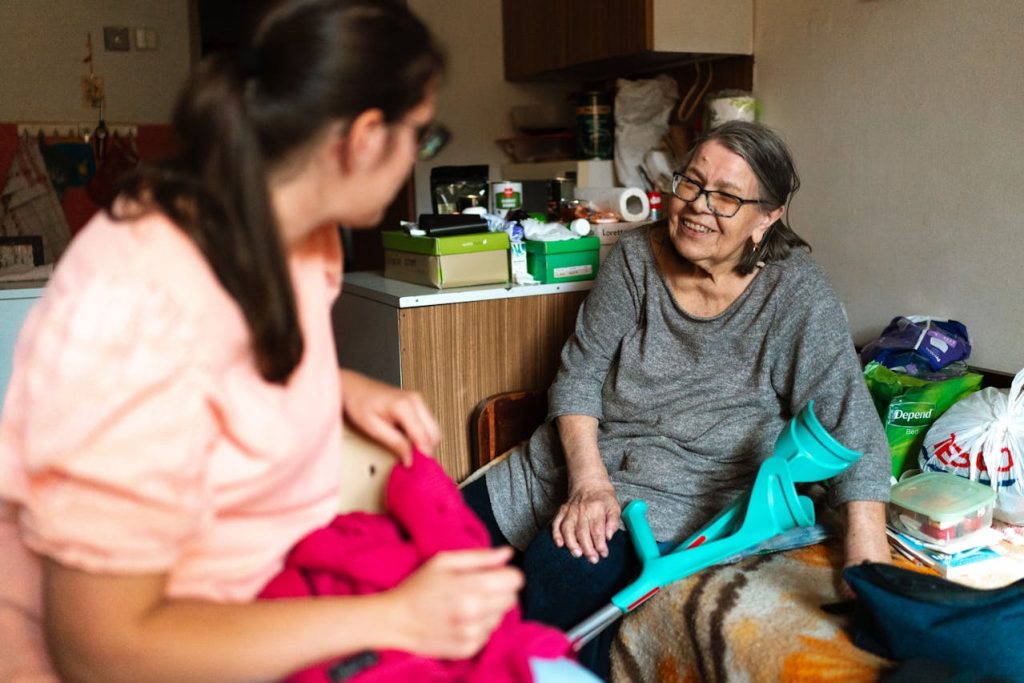
What Mobility Support at Home Typically Includes
Personalized Daily Assistance
Every senior has different mobility needs.
Care plans are usually customized based on:
- Current strength
- Medical conditions
- Living environment
- Daily routines
- Personal goals
- Family involvement
Services may increase or decrease as needs change.
Support During Everyday Activities
Mobility support extends beyond simply walking assistance.
Caregivers may help with:
- Morning routines
- Dressing
- Bathroom mobility
- Meal preparation support
- Safe movement throughout the home
- Light housekeeping related to mobility safety
- Medication reminders
- Position changes to reduce stiffness
These services make daily living safer and more manageable.
Monitoring Changes Over Time
Mobility often changes gradually.
Professional caregivers observe subtle changes such as:
- Slower walking speed
- Increased fatigue
- Greater difficulty standing
- New balance concerns
- Reduced endurance
- Changes in posture
Reporting these observations allows families and healthcare providers to respond before problems worsen.
Working Alongside Healthcare Professionals
Mobility support works best as part of a broader care plan. While caregivers do not replace doctors or physical therapists, they often reinforce the recommendations those professionals provide during routine care.
For example, a physical therapist may recommend practicing safe walking techniques or using a walker consistently. During regular visits, caregivers can encourage those routines, remind seniors to use mobility aids correctly, and help create an environment that supports safe movement.
Caregivers may also notice changes such as increased fatigue, slower walking, or new difficulty standing from a chair. Sharing these observations with family members allows healthcare providers to evaluate whether additional treatment, therapy, or equipment may be needed.
This collaborative approach helps seniors receive more consistent support while promoting safer mobility between medical appointments.
Choosing a Trustworthy Mobility Support Provider in Contra Costa County
Look for Individualized Care
No two seniors have identical needs.
A quality provider should perform a thorough assessment before services begin and create a personalized care plan that reflects the individual’s abilities, preferences, and health conditions.
Avoid agencies that rely solely on standardized routines without adapting care to changing circumstances.
Ask About Caregiver Training
Mobility assistance requires proper knowledge and technique.
Ask whether caregivers receive training in:
- Safe transfers
- Fall prevention
- Proper body mechanics
- Emergency response
- Communication skills
- Dementia awareness
- Infection prevention
Well-trained caregivers protect both the client and themselves during physical assistance.
Prioritize Communication and Reliability
Families benefit from providers who communicate consistently.
Reliable agencies should:
- Explain care plans clearly
- Update families about changes
- Arrive on schedule
- Maintain continuity whenever possible
- Encourage collaboration with healthcare providers
- Respond promptly to concerns
Strong communication builds trust and improves long-term care outcomes.
Conclusion
Mobility support at home is about much more than preventing falls. It helps older adults remain active, confident, and engaged in the routines that make daily life meaningful. Whether weakness develops gradually with age or follows surgery, illness, or injury, receiving the right assistance at the right time can make a significant difference in long-term health and independence.
By encouraging safe movement instead of inactivity, mobility support helps preserve strength, improve confidence, and reduce the physical and emotional effects of limited mobility. Families also gain peace of mind knowing their loved one has dependable assistance with everyday tasks that may otherwise become overwhelming or unsafe.
Every senior has different abilities, goals, and health needs, which is why personalized care is so important. Choosing mobility support that adapts as those needs change allows older adults to continue aging in place with greater comfort and dignity.
Families throughout Contra Costa County often find that arranging mobility support early helps older adults remain safely in the homes and neighborhoods they know best. Early assistance allows seniors to stay active while reducing unnecessary risks associated with declining strength or balance. Instead of waiting until a fall or medical emergency occurs, proactive support allows small mobility concerns to be addressed before they become more serious. This approach helps preserve independence while providing reassurance for both seniors and the family members who care about them.
If you have noticed increasing weakness, hesitation while walking, frequent stumbling, or growing concern about falls, exploring mobility support early can help prevent avoidable complications. Taking proactive steps today may help your loved one remain safer, healthier, and more independent for years to come.
Frequently Asked Questions
1. Who benefits most from mobility support at home?
Older adults experiencing muscle weakness, poor balance, arthritis, neurological conditions, recovery after surgery, or repeated falls often benefit from professional mobility support.
2. How often should mobility support services be scheduled?
The right schedule depends on your loved one’s mobility, health, daily routine, and personal goals. Some older adults benefit from assistance a few times each week, while others may need daily visits or support multiple times throughout the day. A professional care assessment can help determine the most appropriate schedule, and services can be adjusted over time as mobility improves or additional support becomes necessary.
3. Can mobility support reduce fall risks?
Yes. While no service can eliminate every risk, proper mobility assistance, home safety improvements, and supervised movement significantly reduce the likelihood of falls.
4. Does mobility support replace physical therapy?
No. Physical therapy focuses on rehabilitation and improving physical function, while mobility support helps seniors safely perform everyday activities between therapy sessions and during daily life.
5. Is mobility support only for seniors who use walkers or wheelchairs?
No. Many seniors who walk independently still benefit from mobility assistance if they experience weakness, balance problems, dizziness, or reduced confidence.
6. How do I know when my loved one needs mobility support?
Signs include difficulty standing, slower walking, frequent stumbling, avoiding stairs, fear of falling, holding onto furniture while walking, or recovering from illness or surgery.
7. What should families look for when choosing a mobility support provider?
Choose a provider that offers personalized care plans, trained caregivers, strong communication, reliable scheduling, ongoing supervision, and experience assisting seniors with mobility challenges.
Restore Comfort, Confidence, And Dignity With Help With Bathing And Grooming At Home
Personal care routines are about more than staying clean. They help seniors feel confident, comfortable, and ready to enjoy each day. As mobility, balance, or health challenges make bathing and grooming more difficult, these everyday tasks can become stressful or even unsafe. Having compassionate assistance allows seniors to maintain their independence while receiving the support they need in the privacy of their own home.
Help With Bathing and Grooming at Home from Serenity Family Homecare provides respectful, personalized care tailored to each client’s needs and preferences. Our caregivers assist with bathing, hair care, shaving, oral hygiene, dressing, and other personal care routines while encouraging independence whenever possible. Every visit is centered on safety, dignity, and making daily routines easier and more comfortable.
With trusted personal care support, seniors can enjoy better hygiene, greater confidence, and a reduced risk of slips and falls. Families gain peace of mind knowing their loved one is receiving compassionate, professional care from experienced caregivers. Contact Serenity Family Homecare today to schedule an assessment and learn how our Help With Bathing and Grooming at Home services can help your loved one live safely, comfortably, and confidently at home.
Disclaimer
The information on this website is for general education only and should not be treated as medical, legal, or professional advice. Every family and health situation is different, so you should speak with a qualified healthcare provider or appropriate professional before making care decisions. Do not make changes to a care plan or rely on this content as a substitute for professional guidance. The information on this site may not reflect the most current medical standards or practices. Serenity Family Homecare is not responsible for any actions taken or not taken based on the material on this website.