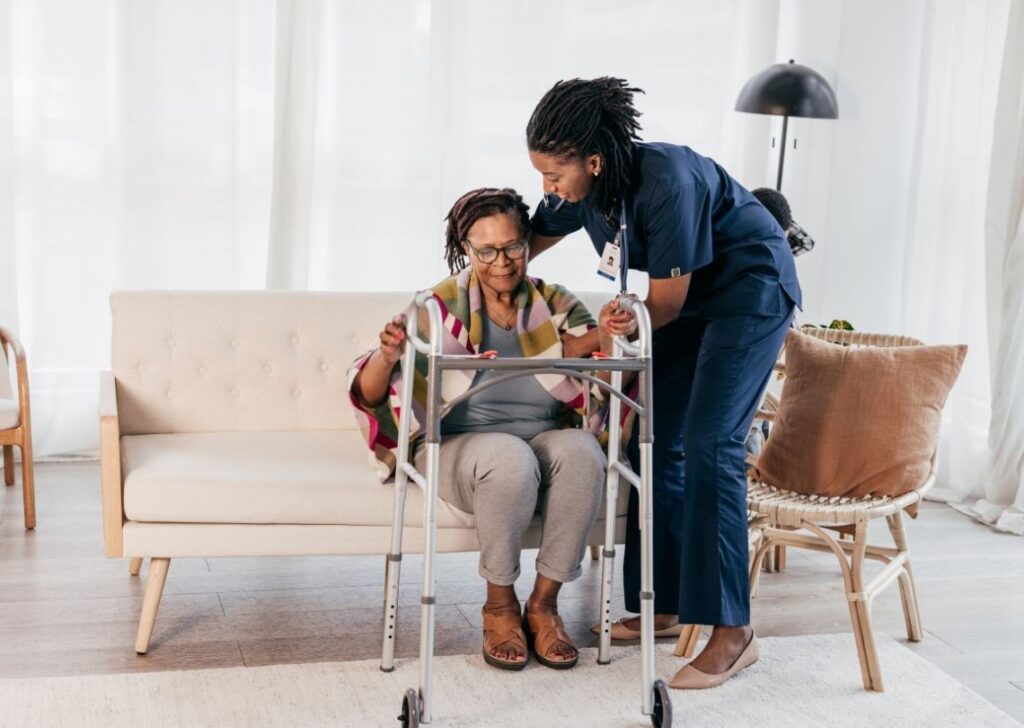
Falls are one of the most common reasons older adults experience serious injuries, hospital stays, and a loss of independence. While aging naturally brings physical changes that can affect balance, strength, and coordination, many falls are preventable with the right support. If you are caring for an aging parent, spouse, or loved one, understanding how mobility support at home works can help you make informed decisions that improve both safety and quality of life.
Mobility support at home goes beyond simply helping someone walk from one room to another. It includes assistance with daily movement, transferring safely between positions, using mobility devices correctly, navigating obstacles, and encouraging healthy physical activity. Professional caregivers also identify fall hazards throughout the home and help establish routines that reduce unnecessary risks.
For many seniors, remaining at home is closely tied to maintaining independence and emotional well-being. However, aging in place becomes much safer when mobility challenges are addressed before they lead to injuries. Personalized support helps older adults continue enjoying familiar surroundings while giving families greater peace of mind.
Whether your loved one has recently experienced a fall, is recovering from surgery, or simply shows signs of declining mobility, learning about in-home mobility support can help you determine when additional assistance may be beneficial.
Key Takeaways
- Falls are a leading cause of injury among older adults, but many can be prevented with proactive mobility support.
- Mobility support focuses on safe movement, transfers, walking assistance, and proper use of mobility equipment.
- Home safety assessments help identify hazards before accidents happen.
- Strength, balance, and consistent movement help lower fall risks over time.
- Professional caregivers encourage confidence while reducing fear of falling.
- Families benefit from personalized care plans that adapt as mobility needs change.
- Choosing an experienced home care provider helps seniors remain safer and more independent at home.
Why Fall Prevention Matters for Older Adults
Falls Can Lead to Serious Health Complications
A simple fall can have lasting consequences for an older adult. Hip fractures, broken wrists, head injuries, and lengthy hospital stays often begin with what initially appears to be a minor accident. Recovery may require surgery, rehabilitation, or temporary placement in a skilled nursing facility.
Beyond physical injuries, falls frequently reduce a person’s confidence. Seniors who become fearful of falling again often move less, which leads to muscle weakness and even greater mobility challenges.
Preventing the first fall is often easier than recovering from one.
Aging Naturally Changes Balance and Strength
As people age, several natural changes affect mobility, including:
- Reduced muscle mass
- Slower reflexes
- Joint stiffness
- Changes in vision
- Reduced sensation in the feet
- Medication side effects
- Chronic health conditions
These changes don’t automatically lead to falls, but they increase the importance of maintaining safe movement habits.
Early Support Helps Preserve Independence
Many families wait until after a serious fall before arranging assistance. However, introducing mobility support early often helps seniors stay independent much longer.
Small adjustments—such as assistance with transfers, supervised walking, and removing household hazards—can significantly lower injury risks while allowing older adults to continue managing many daily activities independently.
What Mobility Support at Home Includes
Safe Walking Assistance
Walking safely requires more than simply providing an arm for support. Professional caregivers observe walking patterns, encourage proper posture, help maintain balance, and ensure seniors move at an appropriate pace.
They also monitor for signs of fatigue, dizziness, or instability before these become dangerous.
Rather than encouraging inactivity, caregivers promote safe movement throughout the day because regular activity helps preserve muscle strength and coordination.
Help With Transfers
Many falls occur during transitions rather than while walking.
Common transfer situations include:
- Getting out of bed
- Standing from a chair
- Using the toilet
- Entering or exiting a vehicle
- Moving into or out of the shower
Caregivers use proper body mechanics and safe transfer techniques that reduce strain for both the senior and themselves.
These moments may seem routine, but they often present some of the highest fall risks.
Proper Use of Mobility Devices
Walkers, canes, wheelchairs, and other mobility aids only improve safety when used correctly.
A caregiver can help ensure:
- Equipment is adjusted to the correct height.
- Brakes function properly.
- Walking paths remain clear.
- Devices stay within easy reach.
- Seniors avoid unsafe habits like carrying heavy items while using walkers.
Consistent supervision helps reinforce safer mobility habits over time.
How Home Safety Improvements Reduce Fall Risks
Identifying Hidden Hazards
Many household dangers go unnoticed until someone falls.
During mobility support visits, caregivers often recognize hazards such as:
- Loose rugs
- Electrical cords
- Poor lighting
- Uneven flooring
- Slippery bathrooms
- Cluttered hallways
- Unstable furniture
Addressing these issues creates a much safer living environment.
Improving Bathroom Safety
Bathrooms are one of the most common locations for senior falls.
Helpful modifications may include:
- Grab bars
- Raised toilet seats
- Non-slip bath mats
- Shower chairs
- Handheld shower heads
- Improved lighting
Caregivers also provide standby assistance during bathing when appropriate, reducing risks without compromising dignity.
Creating Safer Daily Routines
Consistency supports safety.
Caregivers help establish routines that reduce rushing, including:
- Scheduled medication times
- Planned bathroom visits
- Regular meals
- Hydration reminders
- Organized daily activities
Predictable routines reduce fatigue, confusion, and hurried movements that often contribute to falls.
Common Fall Risk Factors Families Should Not Overlook
Medication Side Effects Can Affect Stability
Not every fall is caused by an unsafe home environment. Certain prescription and over-the-counter medications may contribute to dizziness, drowsiness, blurred vision, or sudden drops in blood pressure when standing up. These side effects can increase the likelihood of losing balance, especially when several medications are taken together.
While caregivers do not prescribe or change medications, they can observe changes in how your loved one moves throughout the day. If they notice unusual unsteadiness, increased fatigue, or confusion after a medication change, they can encourage you to discuss these concerns with the senior’s healthcare provider. Monitoring these changes early may help identify issues before they result in a fall.
Families can also support safer mobility by encouraging older adults to stand slowly after sitting or lying down and by ensuring medications are taken exactly as directed.
Vision and Hearing Changes Can Increase Fall Risks
Good vision and hearing play an important role in maintaining balance and safely navigating the home. As people age, common conditions such as cataracts, glaucoma, or age-related hearing loss may make it more difficult to notice obstacles, judge distances, or respond quickly to changes in the environment.
Professional caregivers often notice when an older adult begins squinting, misjudging steps, or having difficulty hearing instructions. Sharing these observations with family members can prompt timely eye or hearing examinations that may improve overall safety.
Simple adjustments, such as increasing lighting in hallways, reducing glare, and keeping frequently used pathways uncluttered, can also make everyday movement easier and safer.
Proper Footwear Supports Safer Mobility
Shoes may seem like a small detail, but they can significantly affect stability. Loose slippers, worn-out soles, high heels, or shoes without adequate traction increase the risk of slipping or tripping indoors.
Caregivers often encourage seniors to wear supportive, well-fitting shoes with non-slip soles while walking around the house. They may also remind older adults to avoid walking in socks on smooth flooring, as this can reduce traction.
When combined with safe walking habits and a clutter-free home, appropriate footwear becomes another simple but effective part of a comprehensive fall-prevention plan.
The Physical Benefits of Regular Mobility Support
Maintaining Muscle Strength
Muscles weaken quickly when they are not used regularly.
Encouraging gentle daily movement helps preserve:
- Leg strength
- Core stability
- Joint flexibility
- Walking endurance
While caregivers do not replace physical therapists, they help seniors remain active within their individual abilities.
Supporting Better Balance
Balance naturally changes with age, but regular movement helps maintain coordination.
Before beginning any new exercise routine, older adults should follow recommendations from their healthcare provider or physical therapist. Caregivers can reinforce these personalized exercise plans during daily visits by encouraging proper technique, providing supervision when needed, and helping seniors stay consistent with activities that support balance and mobility.
Caregivers may encourage activities like:
- Short walks around the home
- Standing exercises based on an individual’s care plan
- Gentle stretching
- Controlled position changes
These simple activities support safer mobility throughout the day.
Reducing Deconditioning
Extended periods of sitting or lying down can lead to rapid physical decline.
Deconditioning affects:
- Strength
- Endurance
- Flexibility
- Balance
- Overall confidence
Mobility support encourages appropriate activity levels that help seniors maintain functional independence.
Everyday Habits That Help Lower Fall Risks at Home
Staying Active Through Safe Daily Movement
Remaining active throughout the day helps seniors maintain the strength and flexibility needed for everyday tasks. Even light activities, such as walking around the house, standing while preparing a meal, or performing simple exercises that are appropriate for your loved one’s abilities, can support better balance and coordination. Long periods of sitting may contribute to muscle weakness, making it more difficult to move safely.
A mobility caregiver can encourage regular movement while ensuring activities match your loved one’s abilities. By incorporating safe movement into daily routines, seniors are more likely to maintain their mobility without becoming overly fatigued or increasing their risk of injury.
Keeping Frequently Used Items Within Easy Reach
Many falls occur when older adults stretch, climb, or bend to reach everyday items. Rearranging the home so frequently used objects are stored at waist or shoulder height can help reduce unnecessary reaching or the temptation to stand on stools or chairs.
Caregivers can also help organize commonly used areas, such as the kitchen, bedroom, and bathroom, to make daily activities easier. Small adjustments like keeping medications, clothing, and personal care items within easy reach can reduce unnecessary movement while supporting greater independence.
Encouraging Consistent Safety Habits
Fall prevention is most effective when safe habits become part of everyday life. Simple practices such as turning on lights before walking through a room, using mobility devices as recommended, wearing supportive footwear, and taking time when changing positions can all reduce the likelihood of a fall.
Caregivers reinforce these habits through gentle reminders and ongoing encouragement rather than taking over tasks completely. This balanced approach helps older adults continue participating in their daily routines while making safer choices that protect their long-term health and independence.

Emotional Benefits of Feeling Safe While Moving
Reducing Fear of Falling
After experiencing a fall—or even witnessing someone else fall—many seniors become hesitant to move independently.
Unfortunately, avoiding movement often creates additional weakness.
Having a caregiver nearby provides reassurance that encourages safe activity while reducing unnecessary fear.
Building Confidence
Confidence grows through repeated positive experiences.
Each successful transfer, short walk, or completed daily task reinforces a senior’s ability to remain active.
Instead of focusing on limitations, mobility support emphasizes what older adults can continue doing safely.
This positive approach often improves overall well-being.
Supporting Emotional Well-Being
Mobility affects more than physical health.
Being able to move safely allows seniors to:
- Prepare simple meals
- Enjoy hobbies
- Spend time outdoors
- Visit with family
- Participate in conversations comfortably
Maintaining these daily activities supports emotional health and helps preserve a sense of independence.
When Families Should Consider Mobility Support
Warning Signs to Watch For
You may want to explore mobility support if your loved one begins experiencing:
- Frequent stumbling
- Difficulty standing
- Slower walking speed
- Trouble climbing stairs
- Increased fatigue
- Unexplained bruises
- Holding onto furniture while walking
These signs often appear gradually and should not be ignored.
After Hospitalization or Surgery
Recovery periods often involve temporary weakness.
Even seniors who previously moved independently may need additional support after:
- Hip replacement
- Knee surgery
- Stroke
- Pneumonia
- Extended hospitalization
- Serious illness
Temporary mobility assistance can help reduce setbacks during recovery.
As Health Conditions Progress
Many chronic conditions affect mobility over time, including:
- Arthritis
- Parkinson’s disease
- Multiple sclerosis
- Heart disease
- Diabetes
- Osteoporosis
- Dementia
Regular mobility support adapts alongside changing health needs, helping seniors remain as independent as possible.
How Ongoing Mobility Monitoring Helps Prevent Future Falls
Recognizing Small Changes Before They Become Bigger Problems
Mobility often changes gradually rather than all at once. A senior who once walked confidently may begin taking shorter steps, moving more slowly, or relying on furniture for support without realizing these changes themselves.
Professional caregivers regularly observe these subtle differences during daily visits. Because they become familiar with each person’s normal movement patterns, they may notice concerns that family members do not see during occasional visits. Recognizing these early warning signs allows families to respond before mobility declines further.
Keeping Families Informed About Mobility Changes
Regular communication is an important part of quality home care. Caregivers can keep family members informed about noticeable changes in walking ability, balance, endurance, or confidence. These updates help families understand whether the current level of support continues to meet their loved one’s needs.
Open communication also encourages everyone involved in the senior’s care to work toward shared goals, whether that means improving safety, maintaining independence, or preparing for future care needs. Staying informed allows families to make thoughtful decisions rather than reacting during an emergency.
Knowing When Additional Professional Evaluation May Be Needed
Although mobility support focuses on helping seniors move safely at home, caregivers may recognize situations where additional medical evaluation is appropriate. Sudden weakness, repeated falls, significant balance changes, or new difficulties with walking should be discussed with a healthcare provider to determine whether an underlying medical condition requires attention.
In many cases, healthcare professionals may recommend additional services such as physical therapy, occupational therapy, vision assessments, or medication reviews to address specific concerns. Home caregivers complement these recommendations by helping seniors safely apply them during everyday routines, creating a more comprehensive approach to fall prevention.
Choosing a Trustworthy Mobility Support Provider in Contra Costa County
Look for Personalized Care Plans
Every senior has unique mobility needs.
Quality providers begin with a thorough assessment that considers:
- Current physical abilities
- Medical history
- Fall history
- Home environment
- Personal preferences
- Daily routines
- Family goals
Personalized care ensures support matches each individual’s situation rather than following a one-size-fits-all approach.
Prioritize Experienced, Compassionate Caregivers
Technical skills matter, but compassion is equally important.
Experienced caregivers understand how to encourage independence while providing appropriate assistance.
They communicate respectfully, recognize changes in mobility, and adapt their support accordingly.
This balanced approach helps seniors maintain dignity while improving safety.
Ask About Ongoing Communication
Families benefit from regular updates regarding:
- Changes in mobility
- New fall concerns
- Progress toward goals
- Recommended home modifications
- Care plan adjustments
Open communication allows everyone involved to work together in supporting the senior’s long-term safety and independence.
Conclusion
Reducing fall risks requires more than reacting after an accident occurs. Proactive mobility support at home helps older adults move safely, maintain strength, build confidence, and remain independent for as long as possible.
Whether your loved one needs occasional assistance or ongoing daily support, personalized mobility care addresses both immediate safety concerns and long-term quality of life. Professional caregivers provide guidance during everyday movements, identify household hazards, encourage healthy activity, and help establish routines that reduce unnecessary risks.
By combining safe movement assistance, thoughtful home safety improvements, ongoing mobility monitoring, and personalized caregiver support, mobility services can help reduce fall risks while allowing many older adults to continue living safely and confidently in the comfort of their own homes.
If you have noticed changes in your loved one’s balance, walking ability, or confidence, exploring mobility support sooner rather than later can make a meaningful difference. Early intervention often prevents injuries, preserves independence, and provides reassurance for the entire family.
Frequently Asked Questions
1. What is mobility support at home?
Mobility support at home includes assistance with walking, transferring between positions, using mobility aids safely, navigating the home, and reducing fall risks while helping older adults remain as independent as possible.
2. Who benefits most from mobility support?
Older adults with balance issues, muscle weakness, chronic health conditions, recent surgeries, previous falls, or declining mobility often benefit from professional mobility assistance.
3. Does mobility support replace physical therapy?
No. Physical therapy focuses on rehabilitation and medical treatment, while mobility support helps seniors safely perform everyday activities and maintain independence between healthcare visits.
4. Can mobility support help prevent falls?
Yes. Mobility support reduces fall risks by assisting with safe movement, improving home safety, encouraging regular activity, and helping seniors use mobility equipment correctly.
5. How often should mobility support services be scheduled?
The frequency depends on each senior’s needs. Some individuals benefit from a few visits each week, while others require daily assistance for ongoing safety and support.
6. Can mobility support be adjusted as needs change?
Yes. Reputable home care providers regularly review care plans and adjust services as health conditions, mobility, or daily routines change over time.
7. How do I choose a reliable mobility support provider in Contra Costa County?
Look for providers that perform comprehensive assessments, create individualized care plans, employ trained caregivers, communicate regularly with families, and prioritize safety, dignity, and independence.
Restore Comfort, Confidence, And Dignity With Help With Bathing And Grooming At Home
Personal care routines are about more than staying clean. They help seniors feel confident, comfortable, and ready to enjoy each day. As mobility, balance, or health challenges make bathing and grooming more difficult, these everyday tasks can become stressful or even unsafe. Having compassionate assistance allows seniors to maintain their independence while receiving the support they need in the privacy of their own home.
Help With Bathing and Grooming at Home from Serenity Family Homecare provides respectful, personalized care tailored to each client’s needs and preferences. Our caregivers assist with bathing, hair care, shaving, oral hygiene, dressing, and other personal care routines while encouraging independence whenever possible. Every visit is centered on safety, dignity, and making daily routines easier and more comfortable.
With trusted personal care support, seniors can enjoy better hygiene, greater confidence, and a reduced risk of slips and falls. Families gain peace of mind knowing their loved one is receiving compassionate, professional care from experienced caregivers. Contact Serenity Family Homecare today to schedule an assessment and learn how our Help With Bathing and Grooming at Home services can help your loved one live safely, comfortably, and confidently at home.
Disclaimer
The information on this website is for general education only and should not be treated as medical, legal, or professional advice. Every family and health situation is different, so you should speak with a qualified healthcare provider or appropriate professional before making care decisions. Do not make changes to a care plan or rely on this content as a substitute for professional guidance. The information on this site may not reflect the most current medical standards or practices. Serenity Family Homecare is not responsible for any actions taken or not taken based on the material on this website.