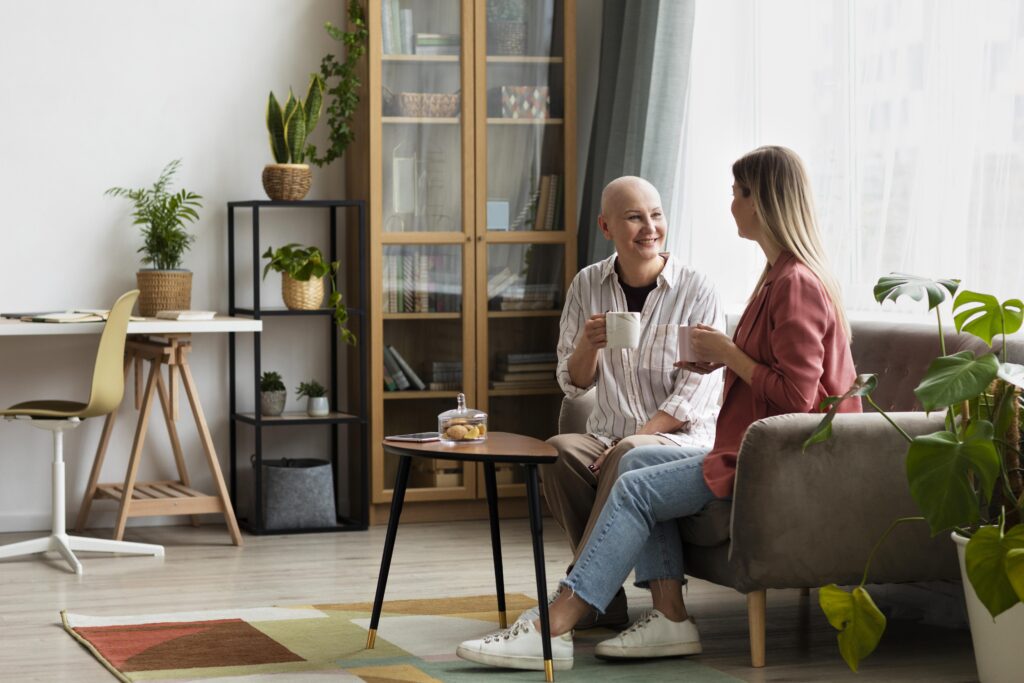
As people age, maintaining personal hygiene can become increasingly difficult. Tasks that once seemed simple—such as showering, washing hair, brushing teeth, shaving, or getting dressed—may become challenging due to mobility limitations, chronic illnesses, cognitive decline, balance issues, or recovery from surgery.
While family members often want to help, many older adults feel uncomfortable relying on loved ones for intimate personal care. This can create emotional stress, frustration, and even resistance to receiving assistance.
Professional help with bathing and grooming at home provides a solution that supports both safety and quality of life. More importantly, it helps seniors maintain dignity and independence while continuing to live in familiar surroundings.
Personal care assistance is not about taking away a person’s freedom. Instead, it is designed to empower individuals to participate in their daily routines as much as possible while receiving the support they need.
This article explores how bathing and grooming assistance at home promotes dignity, independence, confidence, health, and overall well-being for seniors and individuals with disabilities.
Key Takeaways
- Bathing and grooming assistance helps seniors remain safe while maintaining personal hygiene.
- Professional caregivers encourage independence rather than replacing a person’s abilities.
- Personal care support reduces embarrassment and preserves dignity.
- Proper hygiene contributes to physical, emotional, and social well-being.
- Consistent grooming routines help boost confidence and self-esteem.
- Assistance can reduce fall risks and prevent hygiene-related health problems.
- Home-based care allows seniors to age comfortably in familiar surroundings.
- Personalized care plans ensure support matches individual needs and preferences.
Understanding the Relationship Between Dignity and Independence
Before exploring the benefits of help with bathing and grooming at home, it is important to understand why dignity and independence are so closely connected. For many older adults, these two concepts play a major role in their overall quality of life. Personal care assistance is most effective when it not only addresses physical needs but also supports a person’s sense of self-respect and ability to remain involved in daily decisions.
As individuals age, they may experience physical or cognitive changes that make certain tasks more difficult. While receiving help can improve safety and comfort, many seniors worry that needing assistance means losing control over their lives. This is why quality caregiving focuses on preserving both dignity and independence whenever possible.
What Is Personal Dignity?
Personal dignity refers to a person’s sense of worth, value, and self-respect. It involves being treated with kindness, consideration, and respect regardless of age, health condition, or physical limitations. Dignity allows individuals to feel that they still matter, have a voice, and deserve privacy and respect.
For many seniors, dignity is closely tied to their ability to care for themselves. Throughout their lives, they may have managed their own hygiene, appearance, and daily routines without assistance. When age-related challenges make bathing, grooming, or dressing more difficult, it can lead to feelings of frustration, embarrassment, or vulnerability.
Personal care activities are particularly sensitive because they involve privacy and personal boundaries. Bathing, brushing teeth, styling hair, and dressing are not simply tasks that maintain cleanliness—they are routines that contribute to self-image and confidence. When assistance is provided respectfully and thoughtfully, individuals are more likely to maintain their sense of dignity despite physical challenges.
Caregivers who prioritize dignity often:
- Ask permission before providing assistance
- Explain each step of the care process
- Respect personal preferences and routines
- Protect privacy during bathing and dressing
- Encourage participation whenever possible
- Listen to concerns and preferences
These actions help ensure that individuals feel valued rather than dependent.
What Is Independence?
Independence refers to the ability to make choices, maintain control over daily life, and perform tasks with little or no assistance. While many people associate independence solely with physical ability, it also includes decision-making, personal preferences, and having control over one’s environment.
For seniors, independence can take many forms, including:
- Choosing when to bathe
- Selecting clothing for the day
- Brushing and styling their own hair
- Applying makeup or skincare products
- Managing oral hygiene routines
- Participating in grooming activities
- Deciding which personal care products to use
- Setting preferences for daily schedules
Even when assistance becomes necessary, independence does not have to disappear. In fact, effective caregiving encourages individuals to remain involved in their personal care as much as their abilities allow.
For example, a senior who cannot safely step into a bathtub alone may still be able to wash their face, brush their teeth, or choose their clothing independently. Supporting these abilities helps maintain confidence and reinforces a sense of personal control.
Why Dignity and Independence Are Connected
Dignity and independence often go hand in hand. When people can make choices and participate in their daily routines, they are more likely to feel respected and valued. Conversely, when tasks are taken over completely without considering personal preferences, individuals may feel powerless or overlooked.
The goal of professional bathing and grooming assistance is not to replace a person’s abilities but to support them. Caregivers can provide help where needed while still allowing clients to remain actively involved in their care. This balanced approach promotes both safety and self-confidence.
Maintaining dignity and independence can lead to numerous benefits, including:
- Improved self-esteem
- Greater confidence
- Increased willingness to accept assistance
- Better emotional well-being
- Reduced feelings of helplessness
- Stronger sense of purpose
- Enhanced quality of life
By recognizing the importance of dignity and independence, families and caregivers can create care experiences that support not only physical health but also emotional and psychological well-being. This foundation is essential for helping older adults continue living fulfilling, meaningful lives while receiving the support they need.
How Bathing Assistance Preserves Dignity
One of the most valuable benefits of professional bathing assistance is its ability to preserve a person’s dignity. As individuals age or face health challenges, needing help with personal hygiene can be emotionally difficult. Many seniors take pride in caring for themselves and may feel vulnerable when they can no longer complete certain tasks independently.
Professional caregivers understand that bathing is not simply a routine activity—it is a deeply personal experience that involves privacy, self-respect, and personal comfort. By providing compassionate and respectful support, caregivers help individuals maintain their dignity while receiving the assistance they need.
Respectful and Professional Support
Trained caregivers recognize that bathing assistance requires sensitivity, patience, and professionalism. Their goal is not only to help with hygiene but also to ensure that clients feel comfortable, respected, and involved throughout the process.
Professional caregivers typically:
- Explain each step before providing assistance
- Ask for permission before helping with personal care tasks
- Communicate clearly and respectfully
- Encourage clients to participate whenever possible
- Adapt their approach based on individual preferences
- Maintain a calm and reassuring presence
This person-centered approach helps individuals feel like active participants in their care rather than passive recipients of assistance. By involving clients in decisions and respecting their wishes, caregivers reinforce a sense of control and self-worth.
When seniors feel heard and respected, they are often more comfortable accepting assistance, which can improve both their emotional well-being and overall quality of care.
Encouraging Participation
Preserving dignity often means allowing individuals to do as much as they safely can for themselves.
For example, a client may be able to:
- Wash their face independently
- Brush their teeth
- Comb their hair
- Choose their clothing
- Wash accessible areas of the body
The caregiver can then provide support only where necessary. This balanced approach helps maintain independence while ensuring safety and proper hygiene.
Maintaining Privacy
Privacy is a fundamental part of personal dignity. Many people feel uncomfortable receiving help with bathing because it involves exposing vulnerable parts of themselves and relying on another person for intimate care.
Professional caregivers take specific steps to protect modesty and create a comfortable environment.
These measures may include:
- Using towels or robes to cover areas not being washed
- Closing doors, blinds, or curtains during care
- Limiting exposure whenever possible
- Respecting personal boundaries
- Assisting only when necessary
- Providing care in a discreet manner
Even small efforts to preserve privacy can make a significant difference in how a person feels during bathing and grooming routines.
Respecting Personal Preferences
Every individual has different comfort levels regarding personal care. Some may prefer assistance from a caregiver of a specific gender, while others may have established bathing routines they wish to maintain.
Professional caregivers strive to honor these preferences whenever possible. Respecting personal choices helps clients feel valued and reinforces their sense of individuality.
Reducing Feelings of Embarrassment
Many older adults experience embarrassment when they can no longer manage personal hygiene independently. These feelings can become even stronger when family members are providing intimate care.
Parents who once cared for their children may struggle with the role reversal that occurs when those same children begin helping them bathe or groom. This shift can create emotional discomfort for both parties.
Professional caregivers offer an alternative that often feels less emotionally challenging.
Benefits of professional assistance include:
- Objective and nonjudgmental support
- Experience with personal care tasks
- Compassionate communication
- Reduced emotional strain on family relationships
- Greater comfort discussing hygiene needs
Because caregiving professionals provide personal care as part of their role, clients often feel less self-conscious receiving assistance from them than from a spouse, child, or other family member.
Preserving Family Relationships
When family members become responsible for intimate personal care, relationships can sometimes become strained. Feelings of embarrassment, frustration, or loss of privacy may affect interactions between loved ones.
Professional bathing assistance allows family members to focus more on companionship, emotional support, and meaningful time together rather than managing difficult personal care tasks.
This separation of roles can help preserve the dignity of the individual receiving care while strengthening family relationships.
Creating a Sense of Security and Trust
Trust is essential when providing intimate care. Professional caregivers work to establish trusting relationships by consistently demonstrating respect, reliability, and compassion.
Over time, this trust can help clients feel:
- More comfortable accepting assistance
- Less anxious about personal care routines
- More confident in their caregiver’s support
- Better able to maintain regular hygiene habits
When trust is present, bathing becomes less stressful and more manageable for everyone involved.
Dignity Remains Important at Every Stage of Life
Regardless of age or physical ability, every person deserves to be treated with dignity and respect. Needing help with bathing does not diminish a person’s worth, independence, or identity.
Professional bathing assistance supports dignity by protecting privacy, encouraging participation, respecting personal preferences, and reducing embarrassment. Through compassionate care, individuals can continue to feel valued, respected, and in control of their lives while receiving the support necessary to remain healthy, safe, and comfortable at home.

How Grooming Assistance Supports Self-Esteem
Personal appearance has a powerful impact on emotional health.
Looking Good Helps People Feel Good
Regular grooming helps individuals maintain a positive self-image.
Activities may include:
- Hair care
- Shaving
- Skin care
- Nail care
- Oral hygiene
- Dressing assistance
When seniors feel clean and presentable, they often experience greater confidence.
Encouraging Social Engagement
Poor hygiene can cause individuals to withdraw from social activities.
They may avoid:
- Family gatherings
- Religious services
- Community events
- Medical appointments
- Social visits
Consistent grooming support helps seniors feel comfortable participating in daily life.
Preserving Personal Identity
Grooming routines often reflect a person’s personality and preferences.
For example:
- Favorite hairstyle
- Preferred clothing
- Specific skincare products
- Makeup habits
Maintaining these routines helps individuals preserve their sense of identity and control.
How Bathing and Grooming Assistance Encourages Independence
A common misconception is that accepting help means losing independence.
In reality, quality caregiving promotes independence whenever possible.
The “Assist, Don’t Replace” Approach
Professional caregivers are trained to support rather than take over.
Instead of completing every task for a client, they encourage participation.
For example:
- A client may wash their face independently.
- The caregiver assists with hard-to-reach areas.
- The client selects clothing.
- The caregiver helps with buttons or zippers.
This collaborative approach helps maintain existing abilities.
Supporting Functional Abilities
Continued participation in daily activities helps preserve:
- Strength
- Coordination
- Balance
- Fine motor skills
- Cognitive engagement
The more individuals remain involved, the longer they may retain their abilities.
Promoting Decision-Making
Independence is not just physical.
Caregivers encourage clients to make choices about:
- Bathing schedules
- Clothing
- Personal care products
- Hairstyles
- Grooming preferences
These decisions help preserve autonomy and personal control.
Safety Benefits That Support Independence
Safety and independence are closely connected, especially for older adults who wish to remain in their own homes. Many seniors fear that accepting help with bathing and grooming means giving up their independence. In reality, the opposite is often true. By reducing risks and preventing injuries, professional bathing assistance can help individuals maintain their independence for a longer period of time.
When personal care is performed safely and consistently, seniors are more likely to remain active, healthy, and confident in their daily routines. Bathing assistance provides the support needed to navigate one of the most hazardous areas of the home while promoting long-term well-being.
Reducing Fall Risks
Falls are one of the leading causes of injury among older adults and can have serious consequences. A single fall may result in fractures, head injuries, hospitalization, or a significant loss of confidence. In many cases, falls occur in the bathroom due to slippery surfaces and the physical demands of bathing.
Common bathroom hazards include:
- Wet floors
- Slippery tubs and shower surfaces
- Stepping over high tub walls
- Limited space for movement
- Standing for extended periods
- Reaching for toiletries while balancing
- Poor lighting
- Lack of support equipment
Many seniors become fearful of bathing after experiencing a fall or near-fall. This fear can lead them to skip showers, rush through hygiene routines, or avoid bathing altogether, increasing the risk of health and hygiene problems.
Professional caregivers help reduce these dangers by providing supervision and hands-on support when needed. They use safe transfer techniques and assist with movement in and out of the shower or bathtub. Their presence offers reassurance and stability, allowing individuals to complete bathing routines with greater confidence.
Preventing the Fear-Fall Cycle
Fear of falling can sometimes be as limiting as an actual fall. When seniors lose confidence in their ability to bathe safely, they may become less active and more dependent on others.
Bathing assistance helps break this cycle by:
- Providing physical support
- Increasing confidence during personal care
- Encouraging regular hygiene habits
- Reducing anxiety about bathroom safety
- Helping seniors remain engaged in daily routines
By minimizing risks, caregivers help individuals maintain both their safety and their sense of independence.
Proper Use of Adaptive Equipment
Adaptive equipment plays an important role in making bathing and grooming safer for older adults. However, simply having these tools available does not guarantee they will be used correctly or effectively.
Professional caregivers are trained to assist with a variety of safety devices, including:
- Shower chairs
- Grab bars
- Handheld showerheads
- Non-slip mats
- Raised toilet seats
- Transfer benches
- Long-handled bathing tools
- Safety rails
These devices are designed to reduce physical strain and improve stability during personal care activities.
Making Daily Tasks More Manageable
Adaptive equipment can help seniors perform tasks that might otherwise be difficult or unsafe. For example, a shower chair allows someone with limited strength or balance to bathe while seated, reducing fatigue and lowering the risk of falls.
Similarly, grab bars provide additional support when entering or exiting a shower, while handheld showerheads make washing easier without requiring excessive reaching or twisting.
Caregivers ensure these tools are positioned correctly and used safely, maximizing their effectiveness and helping clients maintain as much independence as possible.
Monitoring Physical Changes
Another important safety benefit of bathing and grooming assistance is the opportunity to observe physical changes that might otherwise go unnoticed.
Because caregivers often assist with personal care on a regular basis, they are in a unique position to identify subtle signs of health concerns.
These may include:
- Unexplained bruising
- Cuts or skin tears
- Skin breakdown or pressure sores
- Swelling in the legs, feet, or hands
- Sudden weight loss
- Changes in balance or mobility
- Signs of infection
- Rashes or irritation
- Changes in personal hygiene habits
Early detection can make a significant difference in preventing minor issues from becoming serious medical problems.
Supporting Preventive Care
Many health conditions develop gradually. Family members who visit occasionally may not notice small changes, but a caregiver who provides regular assistance is more likely to recognize when something seems unusual.
For example, a caregiver may observe:
- Increased difficulty standing
- New bruises that could indicate falls
- Changes in walking patterns
- Swollen ankles that may require medical evaluation
- Skin changes that could signal infection
Prompt reporting of these observations allows families and healthcare providers to address concerns early, potentially preventing complications and hospitalizations.
Promoting Long-Term Independence
Safety measures are not simply about avoiding accidents—they are also about preserving independence. Every fall prevented, health issues detected, and safe bathing experience completed contributes to a person’s ability to continue living comfortably at home.
When seniors feel safe performing daily activities, they are more likely to:
- Maintain confidence in their abilities
- Participate in personal care routines
- Stay physically active
- Remain socially engaged
- Continue aging in place
This combination of safety and confidence helps support a higher quality of life and allows individuals to retain greater control over their daily lives.
Providing Peace of Mind for Families
Bathing and grooming assistance also benefits family members who may worry about a loved one’s safety. Knowing that a trained caregiver is helping reduce fall risks, monitor health changes, and ensure proper use of safety equipment can provide valuable peace of mind.
Families can feel more confident that their loved one is receiving attentive care while maintaining dignity and independence.
Safety as a Foundation for Independence
True independence is not about doing everything alone—it is about having the ability to live life safely, comfortably, and with confidence. Bathing assistance supports this goal by reducing fall risks, encouraging proper use of adaptive equipment, and identifying potential health concerns before they become serious.
Through proactive safety measures and compassionate support, professional caregivers help older adults remain independent longer while protecting their health, well-being, and quality of life.
The Emotional Benefits of Maintaining Personal Hygiene
The emotional impact of personal care is often overlooked.
Increased Confidence
Feeling clean and groomed improves self-confidence.
Individuals often feel more comfortable:
- Meeting visitors
- Attending appointments
- Participating in activities
- Engaging with family
Reduced Anxiety
Poor hygiene can create stress and embarrassment.
Regular support helps eliminate concerns about appearance and cleanliness.
Greater Sense of Control
When seniors participate in their care routines, they maintain a stronger sense of control over daily life.
This contributes to overall emotional well-being.
How Personalized Care Protects Dignity
Every individual has unique needs and preferences.
Respecting Personal Routines
Some people prefer:
- Morning showers
- Evening baths
- Daily grooming
- Specific products
Personalized care plans respect these preferences whenever possible.
Adapting to Changing Needs
Care needs often evolve over time.
Caregivers can adjust support levels as:
- Mobility changes
- Health conditions progress
- Recovery occurs
This flexibility helps maintain independence for as long as possible.
Building Trusting Relationships
Strong caregiver-client relationships are built on:
- Respect
- Communication
- Consistency
- Compassion
Trust helps clients feel more comfortable accepting assistance.
Conclusion
Help with bathing and grooming at home is about much more than maintaining cleanliness. It is a vital service that supports dignity, independence, health, safety, and emotional well-being.
Professional caregivers provide respectful assistance that allows seniors and individuals with disabilities to remain actively involved in their personal care routines. Rather than taking away independence, quality personal care empowers individuals to maintain control over their daily lives while receiving the support they need.
By promoting safety, preserving self-esteem, reducing health risks, and encouraging participation, bathing and grooming assistance helps people continue living with confidence and dignity in the comfort of their own homes. For many families, these services provide peace of mind while ensuring loved ones receive compassionate and personalized care that enhances their overall quality of life.
Frequently Asked Questions
Does receiving bathing assistance mean a person is no longer independent?
No. Professional caregivers encourage clients to participate in as much of the bathing process as possible. Assistance is provided only where needed, helping preserve independence and functional abilities.
How often should seniors receive bathing assistance?
The ideal schedule varies based on individual health, mobility, and personal preferences. Some individuals benefit from daily support, while others may need assistance only a few times per week.
Can bathing assistance help prevent falls?
Yes. Caregivers use safe transfer techniques, provide supervision, and assist with adaptive equipment to significantly reduce fall risks in the bathroom.
Is grooming assistance limited to hair care?
No. Grooming assistance may include oral hygiene, shaving, skin care, nail care, dressing assistance, hair care, and other personal appearance tasks.
How does personal care improve emotional well-being?
Regular bathing and grooming help individuals feel clean, confident, and socially engaged. This can improve self-esteem, reduce anxiety, and enhance overall quality of life.
Can individuals with dementia benefit from bathing and grooming assistance?
Absolutely. Trained caregivers understand how to support individuals with memory impairments using calm communication, routine, and specialized techniques that reduce confusion and stress.
When should families consider professional bathing and grooming assistance?
Families should consider support when a loved one struggles with mobility, experiences falls, neglects hygiene, has cognitive challenges, or shows signs that personal care tasks are becoming difficult to manage safely.
Restore Comfort, Confidence, And Dignity With Help With Bathing And Grooming At Home
Personal care routines are about more than staying clean. They help seniors feel confident, comfortable, and ready to enjoy each day. As mobility, balance, or health challenges make bathing and grooming more difficult, these everyday tasks can become stressful or even unsafe. Having compassionate assistance allows seniors to maintain their independence while receiving the support they need in the privacy of their own home.
Help With Bathing and Grooming at Home from Serenity Family Homecare provides respectful, personalized care tailored to each client’s needs and preferences. Our caregivers assist with bathing, hair care, shaving, oral hygiene, dressing, and other personal care routines while encouraging independence whenever possible. Every visit is centered on safety, dignity, and making daily routines easier and more comfortable.
With trusted personal care support, seniors can enjoy better hygiene, greater confidence, and a reduced risk of slips and falls. Families gain peace of mind knowing their loved one is receiving compassionate, professional care from experienced caregivers. Contact Serenity Family Homecare today to schedule an assessment and learn how our Help With Bathing and Grooming at Home services can help your loved one live safely, comfortably, and confidently at home.
Disclaimer
The information on this website is for general education only and should not be treated as medical, legal, or professional advice. Every family and health situation is different, so you should speak with a qualified healthcare provider or appropriate professional before making care decisions. Do not make changes to a care plan or rely on this content as a substitute for professional guidance. The information on this site may not reflect the most current medical standards or practices. Serenity Family Homecare is not responsible for any actions taken or not taken based on the material on this website.