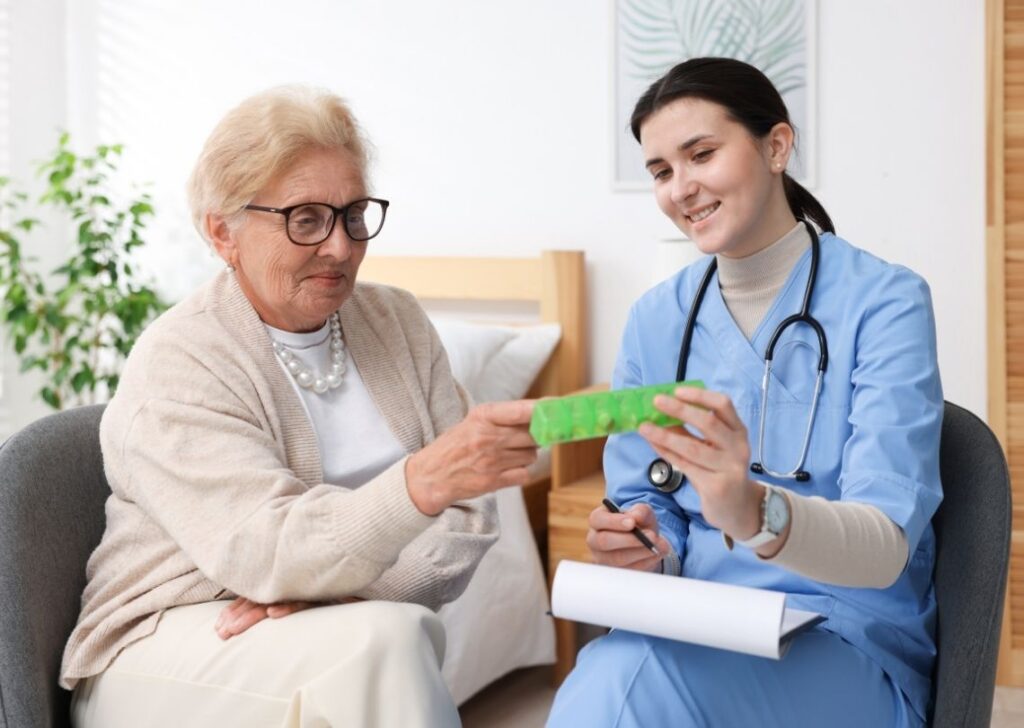
When an aging loved one begins to need assistance with personal hygiene, many families face a difficult decision. Bathing and grooming are deeply personal activities that affect a senior’s health, comfort, confidence, and dignity. While family members often want to help, balancing caregiving responsibilities with work, family, and other obligations can become overwhelming. This is where professional caregivers can provide valuable support.
However, not all caregivers are equally qualified to provide bathing and grooming assistance. These tasks involve much more than helping someone wash their hair or get dressed. Caregivers must understand safety procedures, respect privacy, recognize health concerns, and communicate with empathy. Choosing the right caregiver can improve a senior’s quality of life while giving family members greater peace of mind.
Understanding what qualities, skills, and credentials to look for can help families make informed decisions. The right caregiver can create a positive experience that promotes hygiene, independence, and emotional well-being.
Key Takeaways
- Bathing and grooming assistance involves both personal care and safety monitoring.
- Caregivers should possess proper training, experience, and knowledge of senior care.
- Compassion, patience, and respect are just as important as technical skills.
- Strong communication helps build trust between caregivers, seniors, and families.
- Safety awareness can significantly reduce the risk of falls and injuries.
- Reliable caregivers maintain consistency and professionalism.
- Families should evaluate references, background checks, and agency standards.
- The best caregivers promote independence while providing appropriate support.
Essential Qualifications Families Should Look For
Professional Training
One of the first things families should consider is whether a caregiver has received formal training in personal care assistance.
Relevant training may include:
- Senior care fundamentals
- Personal hygiene assistance
- Infection prevention
- Safe transfer techniques
- Fall prevention
- Dementia care
- Emergency response procedures
Training helps caregivers perform bathing and grooming tasks safely while reducing risks for both the client and themselves.
Experience Working With Seniors
Experience often makes a significant difference in the quality of care.
A caregiver who has assisted seniors with bathing and grooming understands common challenges such as:
- Fear of falling
- Modesty concerns
- Mobility limitations
- Memory issues
- Resistance to care
Experienced caregivers typically know how to adapt their approach to each individual’s needs and preferences.
Understanding Age-Related Conditions
Many seniors live with health conditions that affect their ability to bathe independently.
Caregivers should understand how to support individuals living with:
- Arthritis
- Parkinson’s disease
- Stroke recovery
- Alzheimer’s disease
- Dementia
- Diabetes
- Osteoporosis
- Heart conditions
Knowledge of these conditions helps caregivers provide safer and more effective assistance.
Safety Skills Are Non-Negotiable
Fall Prevention Knowledge
Bathrooms are among the most dangerous areas of the home for older adults.
Water, slippery surfaces, and limited space can increase fall risks significantly.
A qualified caregiver should know how to:
- Assist with transfers safely
- Use gait belts correctly
- Monitor balance issues
- Position mobility aids properly
- Identify environmental hazards
Preventing falls should always be a top priority during bathing and grooming sessions.
Proper Transfer Techniques
Many seniors require assistance moving between:
- Beds
- Chairs
- Wheelchairs
- Toilets
- Showers
Improper transfers can result in injuries for both the senior and the caregiver.
Families should look for caregivers who are trained in safe transfer methods and body mechanics.
Emergency Preparedness
Unexpected situations can occur during personal care routines.
A caregiver should know how to respond if a senior:
- Falls
- Becomes dizzy
- Experiences chest pain
- Shows signs of a stroke
- Has difficulty breathing
Basic first aid and CPR certification are valuable qualifications.
Compassion and Patience Matter
Technical skills and training are essential for caregivers providing bathing and grooming assistance, but compassion and patience are equally important. Personal care tasks are often among the most sensitive forms of support a senior can receive. For many older adults, accepting help with bathing, dressing, or grooming can feel uncomfortable because it highlights changes in their physical abilities and independence. Caregivers who approach these situations with kindness, understanding, and respect can make the experience significantly more positive.
Respecting Dignity
Bathing and grooming are highly personal activities that require trust between the caregiver and the senior. Many older adults feel vulnerable when receiving assistance with these tasks, especially if they have always valued their independence. A quality caregiver understands that preserving dignity should remain a top priority throughout every interaction.
Respecting dignity involves more than simply completing a task. It means treating the individual as a person with preferences, feelings, and personal boundaries. Caregivers can help preserve dignity by:
- Providing privacy whenever possible
- Explaining each step before beginning
- Asking permission before offering assistance
- Respecting personal routines and preferences
- Using a calm and respectful tone
- Encouraging participation in tasks the senior can still perform independently
When seniors feel respected, they are often more comfortable accepting assistance. This can lead to stronger relationships, better cooperation, and a more positive caregiving experience overall.
Demonstrating Patience
Many seniors require additional time to complete daily hygiene routines due to mobility limitations, chronic pain, balance issues, or cognitive challenges. A rushed approach can create unnecessary stress and may increase the risk of accidents or falls.
Patient caregivers understand that personal care should never feel hurried. Instead, they allow seniors to move at a comfortable pace while providing support when necessary. Whether helping someone step safely into a shower or assisting with grooming tasks, patience helps create a calm environment where the senior feels secure and respected.
Taking extra time can also improve communication and reduce frustration. Seniors who feel pressured may become resistant to care, while those who feel supported are often more willing to participate in their routines.
Showing Empathy
Empathy is the ability to understand and appreciate another person’s feelings and experiences. For seniors facing age-related changes, empathy can make a significant difference in how they view caregiving assistance.
Many older adults experience emotional challenges related to declining health, reduced mobility, or the loss of independence. A caregiver who demonstrates empathy recognizes these struggles and responds with understanding rather than judgment. They listen carefully, acknowledge concerns, and provide reassurance when needed.
Empathetic caregivers help seniors feel valued and understood. This emotional connection can reduce anxiety, strengthen trust, and make bathing and grooming assistance feel less intimidating. When seniors know their caregiver genuinely cares about their comfort and well-being, they are more likely to feel confident and secure throughout the caregiving process.
Ultimately, compassion, patience, and empathy transform routine hygiene assistance into meaningful care that supports both physical health and emotional well-being. These qualities help caregivers build trusting relationships while ensuring seniors maintain their dignity, comfort, and sense of self-worth.
The Importance of Personal Compatibility
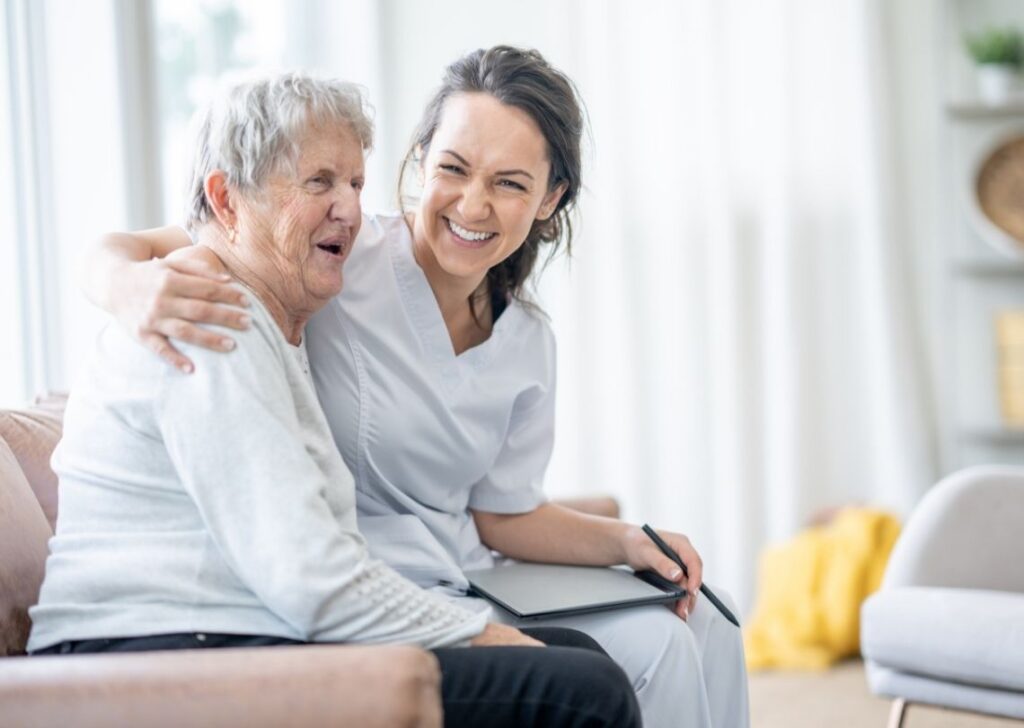
When selecting a caregiver to provide bathing and grooming assistance at home, qualifications and experience are certainly important. However, personal compatibility is another factor that should never be overlooked. A caregiver may have excellent training and years of experience, but if their personality, communication style, or caregiving approach does not align with the senior’s preferences, the relationship may be less effective.
Personal care assistance often involves close and frequent interaction, making trust and comfort essential. When seniors feel comfortable with their caregiver, they are more likely to participate in bathing and grooming routines, communicate openly about their needs, and develop a positive outlook toward receiving assistance. Strong personal compatibility can improve both the caregiving experience and overall quality of life.
Matching Personalities
Every senior has a unique personality, and finding a caregiver whose approach complements that personality can make a significant difference. Some older adults prefer a caregiver who is cheerful and conversational, while others appreciate a calm and quiet presence. A good personality match can help build rapport and reduce feelings of anxiety or resistance.
Families should consider whether a potential caregiver:
- Shares a similar communication style
- Demonstrates warmth and friendliness
- Shows patience and understanding
- Displays genuine interest in the senior’s well-being
- Respects personal values and beliefs
- Encourages meaningful conversation and engagement
When caregivers and seniors connect on a personal level, trust often develops more naturally. This trust can make personal care tasks such as bathing and grooming feel less stressful and more comfortable for everyone involved.
Respecting Preferences
Every senior has personal preferences that influence how they wish to receive care. These preferences often develop over a lifetime and should be respected whenever possible. Caregivers who take the time to understand and accommodate these preferences help create a more personalized and dignified care experience.
Areas where preferences commonly matter include:
- Bathing frequency
- Preferred shower or bath times
- Water temperature
- Soap, shampoo, and skincare products
- Hair styling routines
- Clothing choices
- Grooming habits
- Daily schedules and routines
For example, one senior may prefer a morning shower to feel energized for the day, while another may find an evening bath more relaxing. A caregiver who adapts to these preferences demonstrates respect for the individual’s autonomy and comfort.
Cultural Sensitivity
Cultural background, religious beliefs, and family traditions can significantly influence personal care preferences. Seniors often feel more comfortable when caregivers recognize and respect these aspects of their identity.
Culturally sensitive caregivers understand the importance of honoring:
- Religious practices and observances
- Language preferences
- Dietary customs that may affect care routines
- Modesty concerns
- Gender preferences for personal care assistance
- Family traditions and values
Showing respect for cultural and personal beliefs helps seniors feel understood and valued. It can also strengthen relationships between caregivers, clients, and family members. In many cases, culturally sensitive care leads to greater trust, improved communication, and a more positive caregiving experience.
Ultimately, personal compatibility is about more than simply getting along. It is about creating a supportive relationship built on trust, respect, understanding, and shared communication. When families find a caregiver who is both qualified and personally compatible with their loved one, they can help ensure that bathing and grooming assistance is delivered in a way that promotes dignity, comfort, and emotional well-being.
How Bathing and Grooming Care Supports Overall Health
Bathing and grooming assistance is often viewed as a basic hygiene service, but its impact extends far beyond helping seniors stay clean. Regular personal care support plays a vital role in maintaining physical health, emotional well-being, and overall quality of life. For older adults who struggle with mobility, chronic health conditions, or cognitive challenges, consistent assistance can help prevent complications that may otherwise go unnoticed.
When bathing and grooming routines are performed safely and consistently, they contribute to a healthier, more comfortable, and more confident aging experience. Professional caregivers not only assist with daily hygiene tasks but also help monitor changes in a senior’s condition that may require attention from family members or healthcare providers.
Supporting Skin Health and Preventing Infections
The skin serves as the body’s first line of defense against bacteria and other harmful microorganisms. As people age, skin becomes thinner, more fragile, and more susceptible to irritation and infection. Regular bathing helps remove dirt, sweat, and bacteria that can accumulate on the skin and contribute to health problems.
Consistent bathing and grooming assistance can help:
- Reduce the risk of skin infections
- Prevent rashes and irritation
- Minimize fungal infections
- Keep skin clean and moisturized
- Identify cuts, bruises, or sores early
- Monitor pressure areas that may develop into ulcers
Caregivers often notice subtle changes in skin condition before they become serious concerns, allowing for prompt intervention and treatment.
Improving Comfort and Physical Well-Being
Personal hygiene routines contribute significantly to daily comfort. Seniors who receive regular bathing and grooming assistance often experience improved physical well-being because they feel fresher, cleaner, and more comfortable throughout the day.
Regular care can help:
- Eliminate body odor
- Remove sweat and buildup from the skin
- Promote healthy circulation through gentle movement and washing
- Improve comfort during warm weather
- Support healthy hair and scalp conditions
- Reduce discomfort associated with poor hygiene
For seniors with limited mobility, caregivers can also help ensure that hygiene routines are completed safely and comfortably without causing unnecessary strain.
Promoting Oral Health
Grooming assistance frequently includes support with oral hygiene, an essential but sometimes overlooked aspect of senior health. Difficulty gripping a toothbrush, arthritis, cognitive impairment, or fatigue may make brushing and flossing challenging for some older adults.
Proper oral care can help:
- Reduce plaque buildup
- Prevent gum disease
- Lower the risk of tooth decay
- Minimize bad breath
- Improve comfort while eating
- Support overall health and nutrition
Because oral health is closely linked to overall wellness, maintaining consistent dental hygiene can contribute to better long-term health outcomes.
Supporting Emotional Well-Being
Good hygiene often has a direct impact on how people feel about themselves. Seniors who are clean, well-groomed, and comfortable frequently experience greater confidence and self-esteem. Maintaining personal appearance can help preserve a sense of identity and normalcy, especially during times when aging-related changes may feel overwhelming.
Regular bathing and grooming assistance can help seniors:
- Feel more confident
- Maintain self-respect
- Experience a greater sense of dignity
- Reduce feelings of embarrassment
- Improve overall mood
- Feel more comfortable around others
The emotional benefits of personal care are often just as important as the physical benefits.
Reducing Social Isolation
Poor hygiene can sometimes lead seniors to withdraw from social activities, family gatherings, or community events. Concerns about appearance, body odor, or grooming may cause individuals to avoid interactions with others, increasing the risk of loneliness and isolation.
Consistent bathing and grooming support can encourage seniors to:
- Participate in social activities
- Spend time with family and friends
- Attend appointments with confidence
- Engage in community programs
- Maintain meaningful relationships
By helping seniors feel comfortable in social situations, caregivers can contribute to improved emotional and mental well-being.
Although caregivers provide assistance, effective personal care services often focus on encouraging seniors to remain involved in their routines whenever possible. This balance of support and independence can strengthen confidence and help older adults maintain a sense of control over their lives.
As seniors continue participating in tasks they can safely perform, they often experience:
- Greater self-confidence
- Improved self-esteem
- Increased motivation
- A stronger sense of independence
- Better overall satisfaction with daily life
Even small achievements can reinforce a positive outlook and promote emotional resilience.
Identifying Health Concerns Early
One of the most valuable benefits of regular bathing and grooming assistance is the opportunity for ongoing observation. Because caregivers spend time helping seniors with personal care, they are often among the first to notice changes that may indicate developing health issues.
During routine care, caregivers may identify:
- Skin discoloration
- New bruises or injuries
- Swelling in the legs or feet
- Unusual lumps or bumps
- Weight loss or weight gain
- Changes in mobility
- Signs of pain or discomfort
- Changes in mood or behavior
Early recognition of these concerns allows families and healthcare providers to address potential problems before they become more serious.
A Holistic Approach to Healthy Aging
Bathing and grooming assistance is about much more than cleanliness. It is a comprehensive form of support that contributes to physical health, emotional wellness, social engagement, and personal dignity. Through regular personal care, seniors can enjoy greater comfort, improved confidence, and a higher quality of life.
By helping maintain hygiene, monitor health concerns, and support emotional well-being, caregivers play an important role in promoting healthy aging. These benefits work together to create a safer, healthier, and more fulfilling experience for seniors who wish to remain comfortable and independent at home.
Encouraging Independence While Providing Support
The most effective caregivers understand that their role is not simply to complete tasks for seniors, but to help them maintain as much independence as possible. While assistance may be necessary for certain aspects of bathing and grooming, allowing seniors to participate in their own care can have significant physical, emotional, and psychological benefits.
Maintaining independence helps older adults preserve a sense of control over their daily lives. As people age, they may experience frustration or sadness when physical limitations make once-simple tasks more challenging. A caregiver who encourages participation can help reduce these feelings by focusing on what the senior can do rather than what they cannot.
Whenever it is safe and practical, caregivers should involve seniors in their personal care routines. This may include allowing them to:
- Wash certain areas of their body independently
- Brush or comb their own hair
- Shave with supervision if needed
- Brush their teeth
- Choose clothing and accessories
- Apply lotion or skincare products
- Participate in dressing and grooming tasks
- Manage portions of their hygiene routine
Encouraging participation can also help seniors maintain important motor skills, flexibility, coordination, and muscle strength. Even small activities performed regularly can contribute to a greater sense of accomplishment and self-confidence.
Good caregivers understand the importance of balancing support with independence. Rather than taking over a task immediately, they assess the senior’s abilities and provide assistance only when necessary. This person-centered approach promotes dignity while helping older adults remain engaged in their daily routines.
Caregivers should also celebrate successes, no matter how small. Offering encouragement and positive reinforcement can boost confidence and motivate seniors to remain active participants in their own care. For example, praising a senior for completing part of their grooming routine independently can foster a greater sense of pride and self-worth.
Ultimately, preserving independence is about respecting the individual’s abilities and preferences. By supporting seniors in maintaining control over their bathing and grooming routines, caregivers help protect not only physical health but also emotional well-being, confidence, and quality of life.
Conclusion
Choosing a caregiver to provide bathing and grooming assistance at home is an important decision that affects a senior’s safety, health, dignity, and quality of life. Families should look beyond basic availability and carefully evaluate training, experience, communication skills, safety knowledge, reliability, and compassion.
A skilled caregiver understands that bathing and grooming are more than daily tasks. They are opportunities to support wellness, build trust, maintain dignity, and improve overall quality of life. By taking the time to find the right caregiver, families can ensure their loved one receives respectful, professional, and personalized care that promotes comfort and independence for years to come.
Frequently Asked Questions
What qualifications should a caregiver have for bathing and grooming assistance?
Caregivers should ideally have training in personal care, fall prevention, safe transfers, infection control, and emergency response. Experience working with seniors is also highly valuable.
Why is bathing assistance important for seniors?
Bathing assistance helps maintain hygiene, prevent infections, reduce fall risks, improve comfort, and support emotional well-being while preserving dignity.
How can families determine if a caregiver is trustworthy?
Families can review references, verify background checks, ask detailed interview questions, observe interactions, and monitor communication and reliability over time.
Should caregivers have CPR certification?
While requirements vary, CPR and first aid certification are highly beneficial because they prepare caregivers to respond effectively during emergencies.
What should caregivers do if a senior refuses to bathe?
Caregivers should remain patient, identify the reason for resistance, offer choices, communicate calmly, and respect the individual’s dignity while encouraging participation.
How often should bathing and grooming assistance be provided?
Frequency depends on the senior’s health, mobility, personal preferences, and hygiene needs. Some individuals require daily assistance, while others may need help only a few times per week.
Can bathing and grooming assistance help identify health problems?
Yes. During personal care routines, caregivers may notice bruises, skin changes, swelling, infections, or other concerns that should be reported to family members or healthcare providers.
Restore Comfort, Confidence, And Dignity With Help With Bathing And Grooming At Home
Personal care routines are about more than staying clean. They help seniors feel confident, comfortable, and ready to enjoy each day. As mobility, balance, or health challenges make bathing and grooming more difficult, these everyday tasks can become stressful or even unsafe. Having compassionate assistance allows seniors to maintain their independence while receiving the support they need in the privacy of their own home.
Help With Bathing and Grooming at Home from Serenity Family Homecare provides respectful, personalized care tailored to each client’s needs and preferences. Our caregivers assist with bathing, hair care, shaving, oral hygiene, dressing, and other personal care routines while encouraging independence whenever possible. Every visit is centered on safety, dignity, and making daily routines easier and more comfortable.
With trusted personal care support, seniors can enjoy better hygiene, greater confidence, and a reduced risk of slips and falls. Families gain peace of mind knowing their loved one is receiving compassionate, professional care from experienced caregivers. Contact Serenity Family Homecare today to schedule an assessment and learn how our Help With Bathing and Grooming at Home services can help your loved one live safely, comfortably, and confidently at home.
Disclaimer
The information on this website is for general education only and should not be treated as medical, legal, or professional advice. Every family and health situation is different, so you should speak with a qualified healthcare provider or appropriate professional before making care decisions. Do not make changes to a care plan or rely on this content as a substitute for professional guidance. The information on this site may not reflect the most current medical standards or practices. Serenity Family Homecare is not responsible for any actions taken or not taken based on the material on this website.