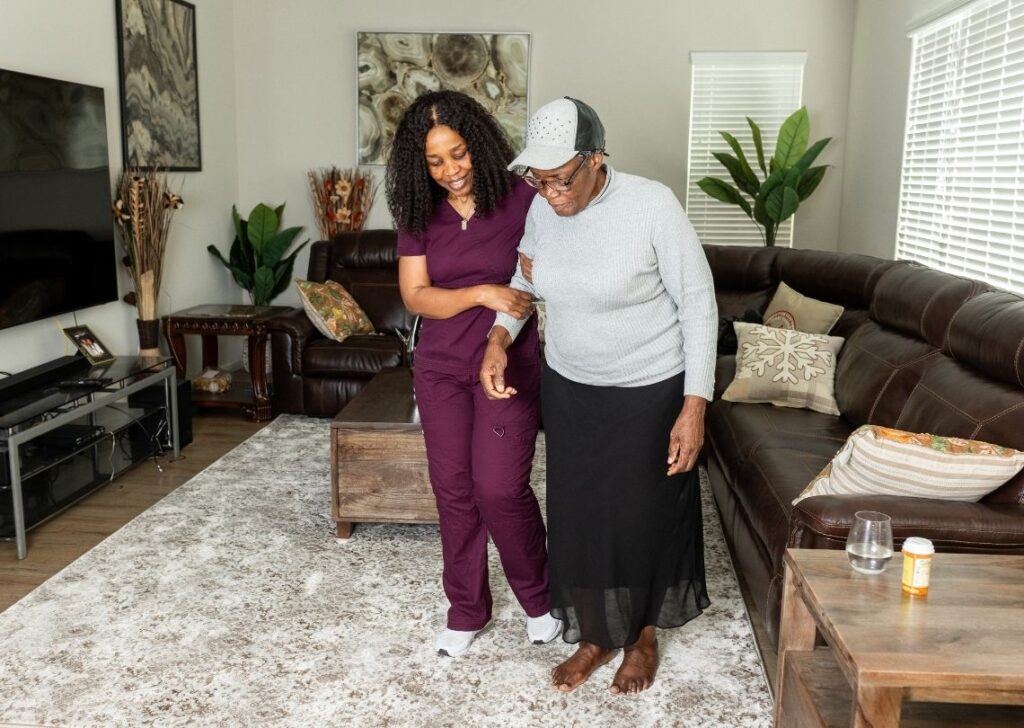
Maintaining personal hygiene is an essential part of healthy aging. Bathing and grooming not only help seniors look and feel their best but also support physical health, emotional well-being, and overall quality of life. However, as people age, everyday tasks that were once simple can become more challenging. Mobility limitations, chronic health conditions, cognitive decline, arthritis, balance issues, and fatigue can all make bathing and grooming difficult or even unsafe.
For many families, one of the most common questions is: How often should seniors receive help with bathing and grooming at home? The answer depends on several factors, including the individual’s health, mobility, personal preferences, skin condition, cognitive abilities, and level of independence.
There is no one-size-fits-all schedule. Some seniors may only need occasional assistance, while others benefit from daily support. The goal is to maintain cleanliness, comfort, dignity, and safety without creating unnecessary stress or discomfort.
This guide explores recommended bathing and grooming frequencies, factors that influence care schedules, signs that additional assistance may be needed, and how families can create a routine that promotes both health and independence.
Key Takeaways
- Bathing frequency varies based on health, activity level, and personal needs.
- Most seniors do not need a full bath every day.
- Many older adults benefit from bathing assistance one to three times per week.
- Grooming activities such as brushing teeth, washing hands, and hair care often require daily attention.
- Personalized care plans provide the best balance between hygiene, safety, and comfort.
- Professional caregivers can help reduce fall risks while maintaining dignity and independence.
- Regular grooming helps identify potential health concerns early.
- Consistent hygiene routines support physical and emotional well-being.
Why Bathing and Grooming Become More Challenging With Age
As people grow older, changes in physical and cognitive function can make personal care more difficult.
Reduced Mobility
Many seniors experience decreased strength, flexibility, and balance. Tasks such as stepping into a bathtub, standing in a shower, or bending to wash feet can become difficult and dangerous.
Arthritis and Joint Pain
Joint stiffness and chronic pain can make reaching certain areas of the body uncomfortable. Simple grooming tasks like brushing hair or trimming nails may become challenging.
Vision Changes
Reduced vision can make it harder to safely navigate the bathroom and properly complete hygiene tasks.
Cognitive Conditions
Individuals living with dementia or other cognitive impairments may forget to bathe, misunderstand the process, or resist assistance.
Fear of Falling
Bathrooms are among the most common locations for household falls. Many seniors become anxious about bathing independently, especially after experiencing a previous fall.
Because of these challenges, assistance with bathing and grooming often becomes an important component of aging safely at home.
Signs a Senior May Need More Bathing Assistance
Changes in personal hygiene abilities often happen gradually, making them easy for families to overlook at first. A senior who once managed bathing and grooming independently may slowly begin struggling with daily routines due to mobility limitations, cognitive decline, chronic pain, or fear of falling. Recognizing these warning signs early can help families provide the right level of support before hygiene issues begin affecting health, safety, or emotional well-being.
Below are some of the most common signs that a senior may need additional help with bathing and grooming at home.
Unpleasant Odors
Persistent body odor is often one of the earliest signs that bathing has become difficult. Even seniors who care deeply about cleanliness may struggle to thoroughly wash themselves due to pain, fatigue, limited mobility, or fear of slipping in the shower.
Strong odors may result from:
- Infrequent bathing
- Difficulty washing certain areas of the body
- Incontinence challenges
- Inability to change clothes regularly
Consistent hygiene support can help seniors stay comfortable, healthy, and socially confident.
Wearing the Same Clothes Repeatedly
Families may notice that a senior is wearing the same outfit for several days in a row or reusing visibly dirty clothing. This behavior may indicate that the person is having trouble bathing, dressing, doing laundry, or organizing daily hygiene routines.
In some cases, seniors avoid changing clothes because:
- Dressing is physically difficult
- Balance problems make standing unsafe
- Cognitive issues cause forgetfulness
- Fatigue limits energy for self-care
Additional assistance can help maintain cleanliness while reducing frustration and stress.
Visible Dirt or Grease
Noticeable dirt on the skin, greasy hair, stained clothing, or neglected grooming habits may signal that a senior can no longer manage personal care independently. These changes are often gradual, making them easy to dismiss at first.
Visible signs may include:
- Oily or unwashed hair
- Food stains on clothing
- Long or dirty fingernails
- Dry or irritated skin
- Poor oral hygiene
Regular bathing and grooming support can help prevent skin issues, infections, and discomfort while improving overall quality of life.
Fear of Using the Bathroom
Some seniors begin avoiding showers or baths because they are afraid of falling or becoming injured. Bathrooms can feel dangerous due to slippery floors, hard surfaces, and limited stability. A senior who previously bathed regularly may suddenly begin making excuses to skip showers or delay grooming tasks.
Warning signs may include:
- Expressing fear about bathing alone
- Refusing showers
- Taking extremely quick baths
- Holding onto walls or furniture for support
- Avoiding stepping into the tub
Addressing these fears early is important. Safety modifications and caregiver assistance can help seniors feel more secure and confident during bathing routines.
Personal grooming plays an important role in self-esteem and emotional health. Compassionate assistance can help seniors maintain dignity and confidence.
Increased Falls or Near-Falls
Difficulty maintaining balance during bathing activities is a major safety concern. Slippery surfaces combined with weakness, dizziness, or mobility challenges significantly increase the risk of falls in the bathroom.
Families should pay close attention to:
- Reports of slipping
- Bruises or unexplained injuries
- Difficulty stepping into the tub
- Trouble standing during showers
- Near-fall incidents
Even one bathroom fall can lead to serious injuries and loss of independence. Professional caregivers can provide supervision and hands-on support that improves safety during bathing and grooming routines.
Resistance to Bathing or Grooming
Some seniors become resistant to personal care tasks due to embarrassment, confusion, discomfort, or fear. This is especially common among individuals living with dementia or cognitive decline.
Resistance may appear as:
- Refusing help
- Becoming anxious before bathing
- Arguing about hygiene routines
- Claiming they already bathed when they have not
A calm, respectful approach combined with consistent routines often helps reduce stress and improve cooperation.
Skin Problems or Infections
Poor hygiene can contribute to skin irritation, rashes, fungal infections, and pressure sores. Seniors who are unable to bathe thoroughly may experience moisture buildup or difficulty keeping certain areas clean and dry.
Warning signs may include:
- Redness or irritation
- Strong skin odors
- Recurring infections
- Dry, cracked skin
- Pressure injuries
Regular assistance helps maintain skin health and allows caregivers to spot potential issues early.
Social Withdrawal
Some seniors avoid social situations when they feel embarrassed about their hygiene or appearance. A person who once enjoyed outings or family gatherings may become isolated due to declining self-care abilities.
Improved bathing and grooming support can help restore confidence and encourage greater social engagement.
Professional Assistance Can Improve Safety and Confidence
When hygiene tasks become difficult or unsafe, professional caregiving support can make a significant difference. Caregivers provide assistance with bathing, grooming, dressing, and bathroom safety while helping seniors maintain dignity and independence.
Early intervention often prevents larger health and safety problems while reducing stress for both seniors and their families.

Creating a Personalized Bathing Schedule
When it comes to senior hygiene, there is no universal schedule that works for everyone. The most effective bathing and grooming routines are personalized to meet the individual’s physical abilities, health conditions, lifestyle, and personal preferences. A customized approach helps ensure that seniors remain clean, comfortable, and safe while maintaining as much independence as possible.
By taking the time to develop a routine that reflects the senior’s unique needs, families and caregivers can create a positive experience that supports both physical health and emotional well-being.
Assess Current Abilities
The first step in creating a personalized bathing schedule is understanding what the senior can safely do on their own and where assistance may be needed. Functional abilities often change gradually over time, making regular assessments important.
Consider evaluating the following areas:
Consider Personal Preferences
Personal hygiene is deeply personal, and preferences should always be respected whenever possible. Seniors are often more willing to participate in bathing and grooming routines when they feel their choices and habits are valued.
Some seniors may prefer:
- Morning showers to start the day feeling refreshed
- Evening baths to relax before bedtime
- Specific soaps, shampoos, or lotions
- Familiar grooming products they have used for years
- Particular bathing methods or routines
- Assistance from a caregiver of a certain gender
Honoring these preferences helps preserve dignity and encourages cooperation. It also allows seniors to maintain a sense of control over their daily lives, which can be especially important when other aspects of independence have changed.
Develop a Consistent Routine
Consistency is one of the most effective ways to support healthy hygiene habits. A predictable schedule helps seniors know what to expect and can reduce confusion, anxiety, and resistance, particularly for those living with dementia or memory-related conditions.
Build Flexibility Into the Schedule
Although consistency is valuable, flexibility is equally important. A senior’s daily condition may vary based on energy levels, health status, pain, or medical appointments.
For example:
- A senior recovering from illness may require additional assistance.
- Hot weather may increase the need for bathing.
- Incontinence episodes may require extra hygiene support.
- Fatigue or pain may make a full shower impractical on certain days.
Caregivers should be prepared to adjust routines while still maintaining overall hygiene goals.
Involve the Senior in Planning
Whenever possible, seniors should be active participants in creating their bathing and grooming schedules. Including them in decision-making helps maintain dignity and increases the likelihood that they will follow the routine.
Ask questions such as:
- What time of day do you prefer to bathe?
- How often do you feel comfortable showering?
- Are there products you prefer to use?
- What parts of the routine would you like to do independently?
Listening to their preferences helps create a schedule that feels supportive rather than restrictive.
Adjust as Needs Change
A bathing schedule should never be viewed as permanent. As health conditions progress or circumstances change, care plans should be updated to reflect new needs.
A senior who currently requires only occasional supervision may eventually need:
- Hands-on bathing assistance
- More frequent grooming support
- Adaptive equipment
- Additional caregiver visits
Similarly, a senior recovering from surgery may temporarily require extensive support and later regain independence.
Regular reassessment ensures that care remains appropriate, safe, and effective. Families and caregivers should periodically evaluate whether the current routine continues to meet the senior’s physical, emotional, and hygiene needs.
A Personalized Approach Supports Better Outcomes
Creating a personalized bathing schedule helps seniors maintain cleanliness, dignity, comfort, and safety while respecting their individual preferences and abilities. By assessing current capabilities, establishing consistent routines, incorporating safety measures, and adjusting support as needs evolve, families can create a care plan that promotes successful aging in place and enhances overall quality of life.
How Families Can Support Good Hygiene Habits
Family members often play a vital role in helping older adults maintain healthy bathing and grooming routines. Even when a senior receives professional caregiving services, family involvement can provide encouragement, emotional support, and valuable oversight. By creating a safe environment and promoting independence whenever possible, families can help their loved ones maintain dignity, comfort, and overall well-being.
Encourage Independence
One of the most important ways to support a senior’s hygiene routine is to encourage them to remain as independent as possible. While it may be tempting to take over tasks for the sake of convenience, allowing seniors to participate in their own care helps preserve confidence, self-esteem, and a sense of control.
Whenever it is safe to do so, encourage seniors to complete the parts of bathing and grooming they can still manage independently. For example, they may be able to wash their face, brush their teeth, comb their hair, or select their clothing while receiving assistance with more physically demanding tasks.
Supporting independence can:
- Promote self-confidence
- Maintain functional abilities
- Encourage physical activity
- Reduce feelings of helplessness
- Preserve dignity and autonomy
The goal is to provide assistance only where needed while allowing seniors to remain actively involved in their personal care routines.
Make Bathrooms Safer
Because bathrooms are one of the most common locations for falls among older adults, creating a safer bathing environment is essential. Many seniors avoid bathing regularly because they fear slipping, losing balance, or becoming injured. Addressing these concerns can improve both safety and willingness to participate in hygiene routines.
Consider installing safety features such as:
Grab Bars
Grab bars provide additional stability when entering or exiting the shower, standing up from the toilet, or moving around the bathroom. Properly installed bars can significantly reduce the risk of falls.
Shower Chairs
A shower chair allows seniors to sit comfortably while bathing, reducing fatigue and improving stability. This can be especially helpful for individuals with mobility limitations, balance issues, or chronic pain.
Handheld Showerheads
Handheld showerheads make bathing more manageable by allowing seniors or caregivers to direct water where it is needed without excessive movement or strain.
Non-Slip Mats
Placing non-slip mats inside and outside the shower or bathtub can help prevent slips on wet surfaces and provide added traction.
Additional safety improvements may include:
- Improving bathroom lighting
- Removing clutter from walkways
- Installing raised toilet seats
- Ensuring frequently used items are within easy reach
These modifications can significantly reduce fall risks and help seniors feel more secure during bathing and grooming activities.
Offer Encouragement and Emotional Support
Personal care tasks can become frustrating or embarrassing for seniors who have lost some independence. Family members can help by approaching bathing and grooming conversations with patience, empathy, and respect.
Helpful strategies include:
- Using positive reinforcement
- Offering choices whenever possible
- Respecting privacy
- Avoiding criticism or judgment
- Maintaining a calm and reassuring tone
Emotional support can make personal care routines less stressful and more successful.
Watch for Changes
Family members are often the first to notice subtle changes that may indicate a senior needs additional support. Monitoring hygiene habits and overall well-being can help identify potential issues before they become serious.
Pay attention to signs such as:
Skin Irritation
Redness, rashes, bruises, or skin breakdown may signal inadequate hygiene, friction, pressure, or underlying health concerns.
Weight Loss
Unexpected weight loss may indicate difficulty preparing meals, oral health issues, illness, or declining ability to care for oneself.
Mobility Decline
Increased difficulty walking, standing, or transferring safely can affect a senior’s ability to bathe and groom independently.
Behavioral Changes
Confusion, withdrawal, anxiety, depression, or resistance to personal care tasks may indicate cognitive or emotional challenges that require attention.
Reduced Hygiene Participation
Skipping showers, neglecting grooming tasks, or avoiding personal care altogether may suggest increasing physical limitations, fear of falling, or cognitive decline.
Addressing these concerns early can help prevent complications and allow families to adjust care plans as needs evolve.
Seek Professional Help When Needed
There may come a time when family members can no longer safely or consistently provide the level of assistance a senior requires. Professional caregivers can supplement family support by assisting with bathing, grooming, dressing, mobility, and personal hygiene while promoting safety and dignity.
Seeking help is not a sign of failure. In many cases, professional support improves outcomes for both seniors and their families by reducing caregiver stress and ensuring consistent, high-quality care.
Supporting Hygiene Supports Overall Well-Being
Good hygiene is about much more than cleanliness. It contributes to physical health, emotional wellness, social confidence, and overall quality of life. By encouraging independence, improving bathroom safety, using gentle products, and staying alert to changing needs, families can help seniors maintain healthy routines and continue aging comfortably at home.
When to Increase Bathing and Grooming Support
A senior’s personal care needs rarely remain the same over time. Changes in health, mobility, cognition, or family circumstances can gradually make bathing and grooming more difficult. Recognizing these changes early allows families to adjust care plans before hygiene, safety, or overall well-being are affected. If any of the following situations arise, it may be time to increase bathing and grooming support.
Health Conditions Progress
Many age-related health conditions become more challenging over time, affecting a senior’s ability to perform daily hygiene tasks independently. Conditions such as Parkinson’s disease can cause tremors and balance problems, while arthritis may limit flexibility and make movements painful. Seniors recovering from a stroke may experience weakness on one side of the body, making it difficult to wash, dress, or groom without assistance.
Cognitive conditions such as Alzheimer’s disease and other forms of dementia can also create barriers to personal hygiene. A senior may forget when they last bathed, become confused by the steps involved, or resist assistance due to fear or misunderstanding. As these conditions progress, additional support helps ensure that personal care routines remain safe, consistent, and effective.
Fall Risk Increases
The bathroom is one of the most common locations for falls among older adults. Wet surfaces, slippery floors, high tub walls, and limited mobility can create dangerous situations. If a senior has experienced a fall or even a near-fall while bathing, it is important to reassess their level of support immediately.
Warning signs may include difficulty stepping into the shower, needing to hold onto unstable objects for balance, or expressing fear about bathing alone. Increasing assistance can help reduce injury risks and provide peace of mind. Additional support may include caregiver supervision, hands-on assistance, or the use of safety equipment such as grab bars, shower chairs, and non-slip mats.
Personal Hygiene Declines
Changes in personal appearance often provide some of the earliest clues that a senior is struggling with self-care. Family members may notice unwashed hair, body odor, dirty clothing, overgrown nails, or a decline in oral hygiene. These signs do not necessarily indicate a lack of concern for cleanliness; they often reflect physical or cognitive challenges that make grooming more difficult.
A decline in hygiene can increase the risk of skin infections, dental issues, social isolation, and reduced self-esteem. Increasing bathing and grooming assistance helps seniors maintain their health, comfort, and confidence while preserving their dignity.
Family Caregivers Become Overwhelmed
Family caregivers frequently take on bathing and grooming responsibilities out of love and commitment. However, providing personal care can be physically demanding and emotionally exhausting, especially when combined with work, parenting responsibilities, and other caregiving tasks.
Signs of caregiver strain may include fatigue, stress, frustration, difficulty keeping up with care routines, or concerns about safely assisting with transfers and bathing. Bringing in professional support can ease the burden while ensuring the senior receives consistent, high-quality care. Even a few hours of assistance each week can provide meaningful relief for family caregivers and improve the overall caregiving experience.
New Medical Issues Develop
A sudden illness, hospitalization, surgery, or injury can significantly affect a senior’s ability to manage personal hygiene independently. Temporary conditions such as fractures, joint replacements, infections, or severe weakness may require increased assistance during recovery.
In these situations, additional bathing and grooming support can help prevent complications while allowing seniors to focus on healing. Care plans can often be adjusted as the individual regains strength and mobility.
Changes in Mobility or Strength
Even gradual declines in strength and endurance can make personal care routines more difficult. Seniors who become tired more easily or struggle to stand for extended periods may find bathing increasingly challenging. Difficulty reaching certain parts of the body, maintaining balance, or moving safely around the bathroom can all indicate the need for additional support.
Providing assistance before a crisis occurs helps seniors maintain their routines and reduces the likelihood of injuries or hygiene-related health problems.
Increased Incontinence Challenges
Seniors experiencing urinary or bowel incontinence often require more frequent hygiene support. Without proper cleansing and skin care, incontinence can lead to irritation, rashes, infections, and discomfort. Additional bathing and grooming assistance helps maintain skin health while promoting comfort and dignity.
Social Withdrawal or Depression
Sometimes a decline in personal hygiene is connected to emotional health rather than physical limitations. Seniors experiencing depression, loneliness, or social withdrawal may lose motivation to bathe or groom themselves regularly. Increased support, companionship, and encouragement can help restore healthy habits and improve overall well-being.
Early Intervention Is Best
Waiting until hygiene issues become severe can make the situation more difficult for everyone involved. By recognizing changes early and increasing support when needed, families can help seniors remain safe, comfortable, and confident in their daily lives. Whether assistance comes from loved ones or professional caregivers, proactive care often prevents larger problems and supports successful aging in place.
Conclusion
There is no universal answer to how often seniors should receive help with bathing and grooming at home. The ideal schedule depends on each person’s health, mobility, cognitive abilities, skin condition, and personal preferences.
For many seniors, one to three full baths or showers per week combined with daily grooming activities provides a healthy balance between cleanliness and comfort. Others may need more frequent support due to medical conditions, incontinence, or mobility limitations.
The most important goal is not following a rigid schedule but creating a personalized routine that promotes safety, dignity, independence, and well-being. Whether assistance comes from family members or professional caregivers, consistent bathing and grooming support can help seniors remain comfortable, confident, and healthy while aging in place.
Frequently Asked Questions
How many times per week should a senior bathe?
Most seniors can maintain good hygiene with one to three full baths or showers per week, along with daily washing of the face, hands, and private areas.
Is it unhealthy for seniors to skip daily showers?
Not necessarily. Daily showers are often unnecessary for older adults and may contribute to dry skin. A personalized schedule based on individual needs is usually best.
How often should seniors receive grooming assistance?
Many grooming activities, such as brushing teeth, washing hands, and hair care, should occur daily. Other tasks, including nail care and shaving, may be needed weekly or as required.
What if a senior refuses to bathe?
Resistance may be related to fear, discomfort, dementia, depression, or previous falls. Understanding the underlying cause and using a calm, respectful approach can help improve cooperation.
When should families hire a professional caregiver?
Professional assistance may be beneficial when bathing becomes unsafe, falls become a concern, hygiene declines, or family caregivers are unable to consistently provide support.
Can bathing assistance help prevent falls?
Yes. Professional caregivers can provide supervision, transfer support, and safe bathing techniques that reduce the risk of slips and falls in the bathroom.
What are signs that a senior needs more help with grooming?
Common signs include poor oral hygiene, unwashed hair, overgrown nails, body odor, wearing dirty clothes, or difficulty completing daily self-care tasks.
How can families make bathing safer at home?
Installing grab bars, using non-slip mats, adding shower chairs, improving lighting, and ensuring caregiver supervision when needed can greatly improve bathroom safety.
Restore Comfort, Confidence, And Dignity With Help With Bathing And Grooming At Home
Personal care routines are about more than staying clean. They help seniors feel confident, comfortable, and ready to enjoy each day. As mobility, balance, or health challenges make bathing and grooming more difficult, these everyday tasks can become stressful or even unsafe. Having compassionate assistance allows seniors to maintain their independence while receiving the support they need in the privacy of their own home.
Help With Bathing and Grooming at Home from Serenity Family Homecare provides respectful, personalized care tailored to each client’s needs and preferences. Our caregivers assist with bathing, hair care, shaving, oral hygiene, dressing, and other personal care routines while encouraging independence whenever possible. Every visit is centered on safety, dignity, and making daily routines easier and more comfortable.
With trusted personal care support, seniors can enjoy better hygiene, greater confidence, and a reduced risk of slips and falls. Families gain peace of mind knowing their loved one is receiving compassionate, professional care from experienced caregivers. Contact Serenity Family Homecare today to schedule an assessment and learn how our Help With Bathing and Grooming at Home services can help your loved one live safely, comfortably, and confidently at home.
Disclaimer
The information on this website is for general education only and should not be treated as medical, legal, or professional advice. Every family and health situation is different, so you should speak with a qualified healthcare provider or appropriate professional before making care decisions. Do not make changes to a care plan or rely on this content as a substitute for professional guidance. The information on this site may not reflect the most current medical standards or practices. Serenity Family Homecare is not responsible for any actions taken or not taken based on the material on this website.