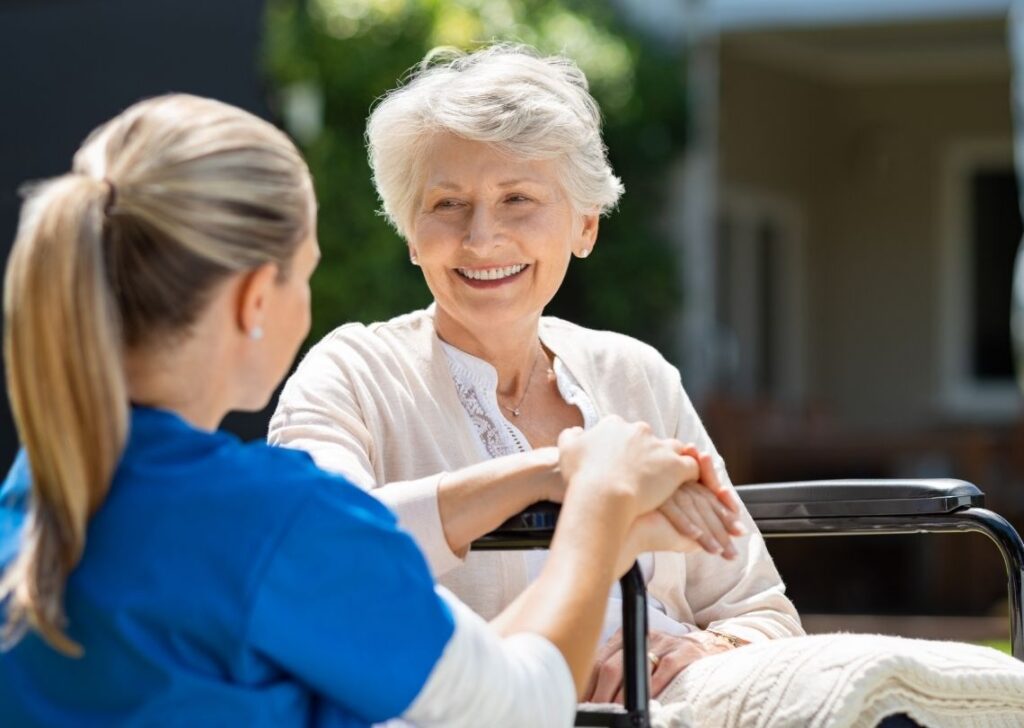
Bathing and grooming are among the most essential activities of daily living, yet they can become challenging as people age, recover from illness, or manage disabilities. For many California families, hiring in-home assistance for bathing and grooming provides a practical solution that promotes safety, dignity, independence, and quality of life.
One of the first questions families ask when exploring home care services is: How much does help with bathing and grooming at home cost in California? The answer depends on several factors, including location, the caregiver’s qualifications, the level of assistance required, visit frequency, and whether services are provided through a home care agency or an independent caregiver.
California consistently ranks among the states with the highest home care costs in the nation due to its higher cost of living, labor expenses, and growing demand for caregiving services. However, many families find that investing in bathing and grooming assistance is significantly more affordable than assisted living facilities or nursing homes, while allowing loved ones to remain in familiar surroundings.
This guide explores the average costs of bathing and grooming assistance in California, the factors that influence pricing, available payment options, and ways families can maximize value while ensuring their loved ones receive safe and compassionate care.
Key Takeaways
- The average cost of in-home bathing and grooming assistance in California typically ranges from $35 to $50 per hour.
- Most home care agencies require a minimum visit length of two to four hours.
- Monthly costs vary depending on care frequency and duration.
- California’s major metropolitan areas generally have higher caregiving rates than rural communities.
- Bathing assistance often includes grooming, dressing, hygiene support, and fall-prevention monitoring.
- Home care can be significantly less expensive than assisted living or nursing home care.
- Long-term care insurance, veterans benefits, and certain Medicaid programs may help offset costs.
- Investing in professional bathing assistance can reduce fall risks and hospitalizations.
Why Bathing and Grooming Assistance Matters
Bathing and grooming may seem like simple daily routines, but they can become physically demanding and potentially dangerous for older adults or individuals with mobility limitations.
Bathrooms are among the most hazardous areas of the home. Wet floors, slippery surfaces, limited maneuvering space, and the need to step into tubs or showers all contribute to elevated fall risks.
Professional caregivers help clients safely perform personal hygiene tasks such as:
- Showering
- Tub bathing
- Sponge bathing
- Hair washing
- Oral hygiene
- Shaving
- Nail care
- Skin care routines
- Dressing assistance
- Grooming and appearance maintenance
These services help individuals maintain cleanliness, comfort, self-esteem, and overall health while reducing caregiver stress for family members.
Average Cost of Bathing and Grooming Assistance in California
The average hourly cost for non-medical home care services in California generally falls between:
Service Type | Average Hourly Cost |
Independent caregiver | $25–$40 |
Home care agency caregiver | $35–$50 |
Specialized personal care aide | $40–$60+ |
Bathing and grooming assistance is usually bundled within broader personal care services rather than offered as a standalone service.
Since many agencies require minimum shifts, families often pay for a block of care rather than a brief bathing visit.
Example
A caregiver assisting with:
- Bathing
- Dressing
- Hair care
- Medication reminders
- Light housekeeping
for a minimum two-hour visit at $40 per hour would cost approximately:
$80 per visit
If provided three times weekly:
$240 weekly
or approximately:
$960–$1,040 monthly
depending on scheduling.
California Cost Variations by Region
California is a large state with substantial differences in labor costs.
Northern California
Major metropolitan regions often have the highest caregiving rates.
Average rates commonly range:
- $38–$55 per hour
High-demand markets typically include:
- San Francisco Bay Area
- Silicon Valley
- Marin County
These areas experience higher wage requirements and operating costs.
Southern California
Many Southern California communities see rates ranging from:
- $35–$50 per hour
Costs can vary based on caregiver availability and local demand.
Central California
Rates are often somewhat lower:
- $30–$45 per hour
Families in smaller communities may find more affordable options while still accessing quality care.
Rural California
Some rural counties offer lower hourly rates:
- $28–$40 per hour
However, caregiver shortages can sometimes offset these savings by limiting availability.
What Services Are Included in Bathing and Grooming Assistance?
The cost of personal care assistance generally covers more than simply helping someone shower.
Bathing Support
Caregivers may assist with:
- Preparing bathing supplies
- Adjusting water temperature
- Safe transfers
- Shower chair setup
- Washing difficult-to-reach areas
- Drying and skin care
- Monitoring balance and safety
Grooming Services
Typical grooming support includes:
- Hair brushing
- Hair washing
- Hair drying
- Oral care
- Shaving assistance
- Skin moisturization
- Nail maintenance
- Appearance support
Dressing Assistance
Many clients who need bathing help also require assistance with:
- Selecting clothing
- Fastening buttons
- Managing zippers
- Applying compression garments
- Dressing safely after bathing
Mobility Assistance
Caregivers often help clients:
- Walk safely
- Transfer into showers
- Move from wheelchairs
- Navigate slippery bathroom areas
These mobility services are a major factor in reducing fall risks.
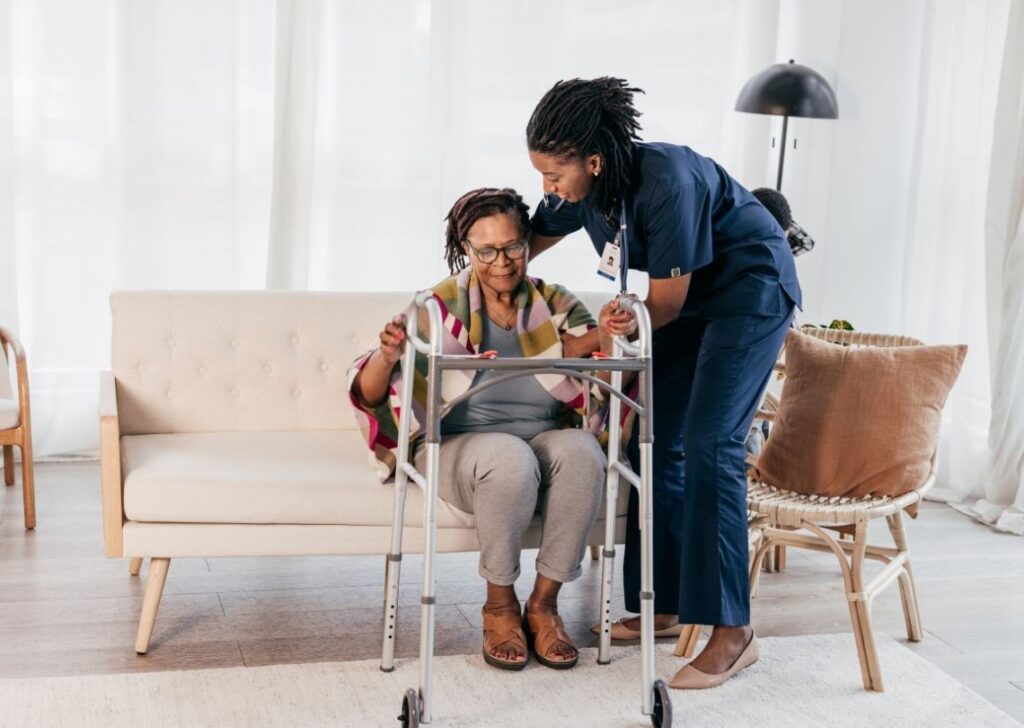
Signs It May Be Time to Seek Bathing Assistance
Many families wait until a fall, injury, or health crisis occurs before considering professional bathing assistance. However, recognizing the early warning signs can help prevent accidents and ensure loved ones maintain their health, comfort, and dignity. If any of the following situations sound familiar, it may be time to explore bathing and grooming support at home.
Avoiding Showers or Baths
One of the most common signs is a noticeable decline in bathing frequency. Older adults may begin skipping showers or baths because the process feels difficult, uncomfortable, or unsafe.
Common reasons include:
- Fear of slipping or falling
- Joint pain or arthritis
- Fatigue and reduced energy
- Limited balance or coordination
- Difficulty standing for extended periods
- Challenges getting in and out of the tub or shower
When someone begins avoiding personal hygiene routines, professional assistance can help restore confidence and establish a safer bathing experience.
Unsteady Transfers and Mobility Challenges
Bathrooms can be particularly hazardous for individuals with mobility limitations. Difficulty stepping over a bathtub edge, standing from a seated position, or maintaining balance on wet surfaces significantly increases the risk of falls.
Warning signs include:
- Holding onto walls or furniture for support
- Struggling to enter or exit the shower
- Frequent stumbling or loss of balance
- Difficulty standing during bathing
- Hesitation or anxiety when using the bathroom
A trained caregiver can assist with transfers, provide supervision, and help reduce the likelihood of injuries.
Declining Personal Hygiene
Changes in appearance or hygiene habits often indicate that daily self-care tasks have become too difficult to manage independently.
Signs may include:
- Persistent body odor
- Dirty or stained clothing
- Unwashed or tangled hair
- Poor oral hygiene
- Overgrown nails
- Skin irritation or rashes
- Noticeable neglect of personal grooming
These issues can affect not only physical health but also self-esteem, social interactions, and overall quality of life.
Increased Fear of Falling
Even if a person has not experienced a fall, a growing fear of falling can be enough to limit bathing and grooming activities. Individuals who feel unsafe in the bathroom may rush through hygiene tasks or avoid them altogether.
Signs of fear may include:
- Expressing anxiety about bathing
- Requesting assistance more frequently
- Refusing to use the shower
- Becoming nervous when entering the bathroom
Professional caregivers can provide reassurance and support while helping establish safer routines.
Family Caregiver Strain
Bathing assistance is one of the most physically demanding caregiving responsibilities. Family members may struggle with lifting, transferring, or supporting a loved one safely.
Signs of caregiver strain include:
- Back, shoulder, or joint pain
- Physical exhaustion
- Emotional stress or frustration
- Scheduling difficulties
- Increased family conflict regarding care responsibilities
Bringing in professional help can reduce caregiver burden and improve safety for everyone involved.
Recent Falls or Near-Falls
A fall in the bathroom should never be ignored. Even a minor slip without injury may indicate a larger safety concern that needs attention.
Pay close attention if a loved one has:
- Fallen while entering or exiting the shower
- Slipped on a wet bathroom floor
- Lost balance during bathing
- Experienced a “near-fall” where injury was narrowly avoided
Professional caregivers can help assess risks, recommend safety modifications, and assist with bathing routines designed to reduce future accidents.
Changes in Physical Health
Declining strength, flexibility, or endurance can make bathing increasingly difficult. Chronic health conditions may also affect a person’s ability to safely manage personal care.
Examples include:
- Arthritis
- Parkinson’s disease
- Stroke recovery
- Heart conditions
- Neurological disorders
- Muscle weakness
- Balance disorders
As physical limitations increase, professional assistance can help maintain hygiene without compromising safety.
Cognitive Changes and Memory Concerns
Individuals living with dementia, Alzheimer’s disease, or other cognitive impairments may forget to bathe, become confused during personal care routines, or resist assistance from family members.
Warning signs include:
- Forgetting when they last bathed
- Wearing the same clothing repeatedly
- Difficulty following bathing steps
- Increased confusion in the bathroom
- Resistance to personal hygiene activities
Experienced caregivers trained in dementia care can often provide support in ways that reduce stress and encourage cooperation.
Social Withdrawal Due to Hygiene Concerns
Poor hygiene can lead to embarrassment and social isolation. If a loved one begins avoiding visitors, community activities, or family gatherings, difficulties with bathing and grooming may be contributing factors.
Maintaining personal cleanliness can improve confidence, support mental well-being, and encourage continued social engagement.
Trust Your Instincts
Family members often notice subtle changes before a serious incident occurs. If you find yourself worrying about a loved one’s safety in the bathroom, struggling to assist with bathing, or noticing signs that personal hygiene is declining, it may be time to seek professional support.
Early intervention can help prevent falls, preserve independence, and ensure that individuals receive the compassionate assistance they need while remaining safe and comfortable in their own homes.
Questions to Ask Before Hiring
Choosing a provider for bathing and grooming assistance involves more than comparing prices. Asking the right questions can help families find a caregiver who is qualified, trustworthy, and a good fit for their loved one’s needs. Before committing to a provider, consider discussing the following topics.
What Is Your Hourly Rate?
Understanding the provider’s pricing structure is essential. Ask whether the rate includes all services or if additional fees may apply for weekends, holidays, transportation, or specialized care. Be sure to clarify how billing is handled and whether there are any setup or assessment fees.
Is There a Minimum Visit Requirement?
Many home care agencies require a minimum number of hours per visit. Knowing this requirement can help families accurately estimate monthly costs and determine whether the provider’s scheduling policies align with their needs.
Are Caregivers Insured and Bonded?
Insurance and bonding offer an added layer of protection for both clients and families. These safeguards can provide peace of mind in the event of accidents, injuries, or property-related concerns that may occur while care is being provided.
What Training Do Caregivers Receive?
Bathing and grooming assistance requires specific skills, particularly when working with seniors or individuals with mobility limitations. Ask about training in areas such as fall prevention, safe transfers, infection control, personal hygiene assistance, and dementia care.
How Are Emergencies Handled?
Unexpected situations can arise during personal care activities. Find out what procedures are in place if a client experiences a fall, medical emergency, or sudden change in condition. Reliable providers should have clear emergency protocols and communication procedures.
Can Services Be Adjusted if Needs Change?
Care needs often evolve over time. A provider should be able to increase or decrease services as circumstances change. Ask how flexible the care plan is and whether additional support can be added if needed.
Are Bathing Supplies Provided?
Some caregivers use supplies provided by the client, while others may bring certain hygiene products or equipment. Clarifying expectations ahead of time helps prevent misunderstandings and ensures all necessary items are available.
How Is Caregiver Compatibility Determined?
A strong caregiver-client relationship contributes significantly to comfort and satisfaction. Ask how caregivers are matched with clients and whether personality, communication style, language preferences, or specific care needs are considered during the selection process.
What Happens if a Caregiver Is Unavailable?
Illness, emergencies, and scheduling conflicts can occasionally affect caregiver availability. Ask whether the provider offers substitute caregivers and how continuity of care is maintained when staffing changes occur.
Are Care Plans Customized?
Every individual has unique preferences, abilities, and health considerations. A quality provider should create a personalized care plan that outlines bathing routines, grooming preferences, mobility needs, safety precautions, and other important details.
Request References and Reviews
It can also be helpful to ask for references or testimonials from current or former clients. Hearing about other families’ experiences may provide insight into the provider’s reliability, professionalism, and overall quality of care.
By asking these questions before hiring, families can make more informed decisions and choose a bathing and grooming assistance provider that delivers safe, compassionate, and dependable care.
Conclusion
The average cost of help with bathing and grooming at home in California typically ranges from $35 to $50 per hour through a professional home care agency, although rates may vary depending on the location, level of assistance required, caregiver qualifications, frequency of visits, and scheduling needs. Some seniors may only need occasional support, resulting in lower monthly costs, while others requiring daily personal care assistance may have expenses reaching several thousand dollars per month.
When evaluating home care options, families should look beyond the hourly rate. Quality care depends on factors such as caregiver training, experience with personal care routines, communication, reliability, and the agency’s approach to safety and client dignity. A trusted caregiver provides more than help with bathing and grooming—they offer reassurance, companionship, and support that allows seniors to maintain confidence and independence.
Professional personal care assistance can reduce fall risks, promote better hygiene, identify potential health concerns early, and make daily routines more comfortable. For many California families, investing in bathing and grooming support is not simply a financial decision. It is a meaningful investment in a loved one’s safety, quality of life, and ability to continue living comfortably at home with dignity and respect.
Frequently Asked Questions
How much does bathing assistance cost per visit in California?
Most visits cost between $70 and $200 depending on hourly rates, visit length, and location. Many agencies require a minimum visit of two to four hours.
Is bathing assistance covered by Medicare?
Traditional Medicare generally does not cover ongoing non-medical bathing and grooming assistance. Coverage is typically limited to medically necessary home health services.
How often should seniors receive bathing assistance?
Needs vary by individual. Some people benefit from help once or twice weekly, while others require daily assistance due to mobility limitations or health conditions.
Can a caregiver help with grooming and dressing too?
Yes. Bathing assistance is often bundled with grooming, dressing, hygiene support, mobility assistance, and other activities of daily living.
Is hiring an independent caregiver cheaper than using an agency?
Often yes. Independent caregivers generally charge lower hourly rates, but families assume greater responsibility for screening, scheduling, insurance considerations, and backup coverage.
Does long-term care insurance pay for bathing assistance?
Many long-term care insurance policies cover personal care services, including bathing and grooming assistance, once eligibility requirements are met.
How can professional bathing assistance reduce fall risks?
Caregivers provide supervision, transfer assistance, safe showering techniques, equipment setup, and mobility support, all of which help prevent slips and falls in one of the home’s highest-risk environments.
Restore Comfort, Confidence, And Dignity With Help With Bathing And Grooming At Home
Personal care routines are about more than staying clean. They help seniors feel confident, comfortable, and ready to enjoy each day. As mobility, balance, or health challenges make bathing and grooming more difficult, these everyday tasks can become stressful or even unsafe. Having compassionate assistance allows seniors to maintain their independence while receiving the support they need in the privacy of their own home.
Help With Bathing and Grooming at Home from Serenity Family Homecare provides respectful, personalized care tailored to each client’s needs and preferences. Our caregivers assist with bathing, hair care, shaving, oral hygiene, dressing, and other personal care routines while encouraging independence whenever possible. Every visit is centered on safety, dignity, and making daily routines easier and more comfortable.
With trusted personal care support, seniors can enjoy better hygiene, greater confidence, and a reduced risk of slips and falls. Families gain peace of mind knowing their loved one is receiving compassionate, professional care from experienced caregivers. Contact Serenity Family Homecare today to schedule an assessment and learn how our Help With Bathing and Grooming at Home services can help your loved one live safely, comfortably, and confidently at home.
Disclaimer
The information on this website is for general education only and should not be treated as medical, legal, or professional advice. Every family and health situation is different, so you should speak with a qualified healthcare provider or appropriate professional before making care decisions. Do not make changes to a care plan or rely on this content as a substitute for professional guidance. The information on this site may not reflect the most current medical standards or practices. Serenity Family Homecare is not responsible for any actions taken or not taken based on the material on this website.