
Families should arrange at-home bathing and grooming support for a senior the moment hygiene starts getting skipped, unsafe, or emotionally explosive, because the bathroom is where “mostly fine” turns into an ER visit faster than anyone wants to admit.
Most families don’t plan it that way. They notice little stuff first. A weird smell on a hug. Hair that looks unwashed for days. A loved one who suddenly “already showered” at 7 p.m. (sure, Jan). Then a near-fall happens stepping over the tub wall, and the whole conversation changes from “privacy” to “oh wow, we got lucky.”
If you’re trying to time this perfectly, like there’s a calendar reminder for “introduce bathing assistance,” you’ll wait too long. The better trigger is simpler: when the routine is a struggle, a risk, or a fight, it’s time.
key takeaways
- If bathing is causing balance scares, dizziness, or bruises, treat it like a real safety issue, not a personal preference.
- A drop in cleanliness is often a functional decline signal (strength, endurance, arthritis, vision), not “laziness.”
- Cognitive changes show up as avoidance, confusion about steps, or anger that seems out of proportion.
- Start with the least intrusive level that keeps someone safe, then adjust as conditions change.
- A dignified routine is about consent, timing, warmth, setup, and not turning a private task into a family debate.
- When family caregivers are burning out, adding paid support protects the relationship more than it “replaces” anyone.
When is bathing help necessary?
The cleanest answer is also the most annoying one: bathing support becomes necessary when the senior can’t reliably complete hygiene without risk, distress, or a slow slide into self-neglect. People tend to wait for a dramatic fall. I’d rather you respond to the pattern.
A lot of us grew up treating bathing as a moral issue. Like, if you don’t shower, you’re “letting yourself go.” Aging flips that. Suddenly it’s grip strength, shoulder range of motion, neuropathy, shortness of breath, or a heart med change that makes standing under hot water feel like running a mile.
If you want a quick gut-check, the warning signs that show up in typical in-home assessments look a lot like the ones described in this practical rundown of when it’s time to hire in-home care, especially when hygiene changes ride alongside mobility issues.
Safety red flags
If you see any of these, don’t negotiate with denial. Act.
- A near-fall getting into or out of the tub or shower, even if they “caught themselves.”
- Unexplained bruises on arms, hips, or shins that line up with bathroom edges and grab-bars that don’t exist.
- They’re “furniture walking” to the bathroom, or grabbing towel bars for support (towel bars are not structural, they just look confident).
- You hear about dizziness, faintness, or “the room spins” when they stand up after sitting or bending.
The bathroom is one of the most common places for falls among older adults due to slippery surfaces, limited space, and the need to step over tub walls or into showers. Simple safety improvements, such as installing grab bars, using non-slip mats, improving lighting, and adding a shower chair, can significantly reduce the risk of injury and help seniors bathe more safely and confidently.
Functional decline signs
This is the sneaky middle zone, where people can still do many things, but bathing is becoming a high-effort project.
Look for the “energy math” problems: they can cook a simple meal, but after that they skip bathing because they’re spent. Arthritis can make washing hair a shoulder torture device. Poor vision turns shampoo into “wait, was that conditioner?” Tremor makes nail care risky. Weakness makes transfers hard. A walker that fits in the hallway suddenly doesn’t fit in the bathroom. Home design matters more than pride.
Also, watch for the “setup avoidance.” If towels aren’t where they belong, if the bath mat is missing, if the soap is unopened, it can mean they can’t manage the prep anymore, not that they don’t care.
Cognitive and mood changes
This is where families get whiplash. A loved one who used to be meticulous starts refusing a shower, locking the door, or snapping when anyone brings it up.
With cognitive decline, bathing can become especially challenging. Cold air may feel uncomfortable, running water can seem overwhelming, the sequence of bathing steps may be difficult to remember, and the experience of undressing can feel unsettling or unsafe. In many cases, gentle routines, calm communication, familiar surroundings, and reassurance are far more effective than arguing or forcing the issue. It’s also important to remember that a senior’s bathing schedule may need to be adjusted based on their comfort, health, and personal needs rather than following a rigid daily routine.
If resistance is escalating, remember that bathing refusal is often rooted in fear, sensory overload, confusion, or embarrassment rather than simple stubbornness. A calm approach, familiar routines, clear communication, and patience can help reduce anxiety and make bathing feel more comfortable and less overwhelming for the senior.
What hygiene changes signal a problem?
Hygiene isn’t one thing. It’s skin, hair, nails, mouth, clothing, and the quiet ripple effects, like avoiding friends because you don’t feel presentable. Families usually notice the social consequences first. The senior notices the loss of control.
Skin and odor clues
Persistent body odor, skin that looks grimy in folds, rashes under breasts or in the groin, new itching, or flaking that doesn’t improve can mean washing isn’t happening well or often enough.
Older skin is thinner, drier, and more fragile, which is why gentle cleansing and moisturizing matters. When you want medical context without the fluff, Health in Aging’s overview of skin changes in older adults helps connect the dots between aging skin and breakdown risk.
Odor is also a clue for urinary incontinence management, toileting challenges, or laundry not being done. Sometimes it’s medication side effects. Sometimes it’s an infection. Either way, don’t shame them. Solve the system.
Hair, nails, teeth
Greasy hair, dandruff buildup, or hair that looks flattened for days can mean hair-washing has become physically hard. Nail issues are big too: jagged nails that snag, overgrown toenails, or thickened nails can cause pain, poor reach, diabetes risk, or vision problems showing up as “grooming neglect.”
Oral care gets ignored constantly. Bad breath, mouth sores, missing denture cleaning, or food debris can lead to infection, appetite changes, and that subtle “I don’t want to talk close to people” social withdrawal.
This is where a small amount of structured support changes everything: a set time, the right tools, and someone who can steady a hand without taking over.
Laundry and clothing cues
Wearing the same outfit repeatedly, stained underwear, or “seasonally wrong” clothing often points to a breakdown in the chain: bathing is harder, laundry is harder, and changing clothes feels like too many steps. Sometimes the issue is simply access. If the laundry is in the garage and there are stairs, that’s a functional barrier disguised as a habit.
And yes, sometimes it’s depression. Sometimes it’s grief. Hygiene can be the first visible casualty.
What risks make the bathroom unsafe?
A bathroom can be clean and still be dangerous. Slippery tile does not care about your intentions.
Falls and transfers
Transfers are the make-or-break moment: standing up from the toilet, stepping over a tub threshold, turning while wet, reaching for a towel. Add low blood pressure, neuropathy, and a bath mat that bunches up, and you’ve got a problem.
Bathrooms can present several hazards for older adults, but many of the risks can be reduced with simple safety improvements. Installing grab bars, using non-slip mats, improving lighting, and adding a shower chair can make bathing safer, increase confidence, and help seniors maintain their independence.
Scalds and dizziness
Scald risk is real when sensation is reduced or cognition is impaired. Water that feels “warm enough” can be too hot, fast. Dizziness can show up from hot showers, dehydration, or orthostatic hypotension, especially after medication changes.
If a senior says showers make them feel “weird,” believe them. That “weird” is often physiology, not drama.
Infection and skin breakdown
Infrequent cleansing, moisture trapped in skin folds, and lingering urine or stool can cause fungal infections, UTIs, and skin breakdown. Pressure injury risk climbs when mobility is limited and skin is fragile.
If you’re seeing redness that doesn’t fade, open areas, or swelling, you’re out of the “family debate” zone and into “loop in a clinician” territory.
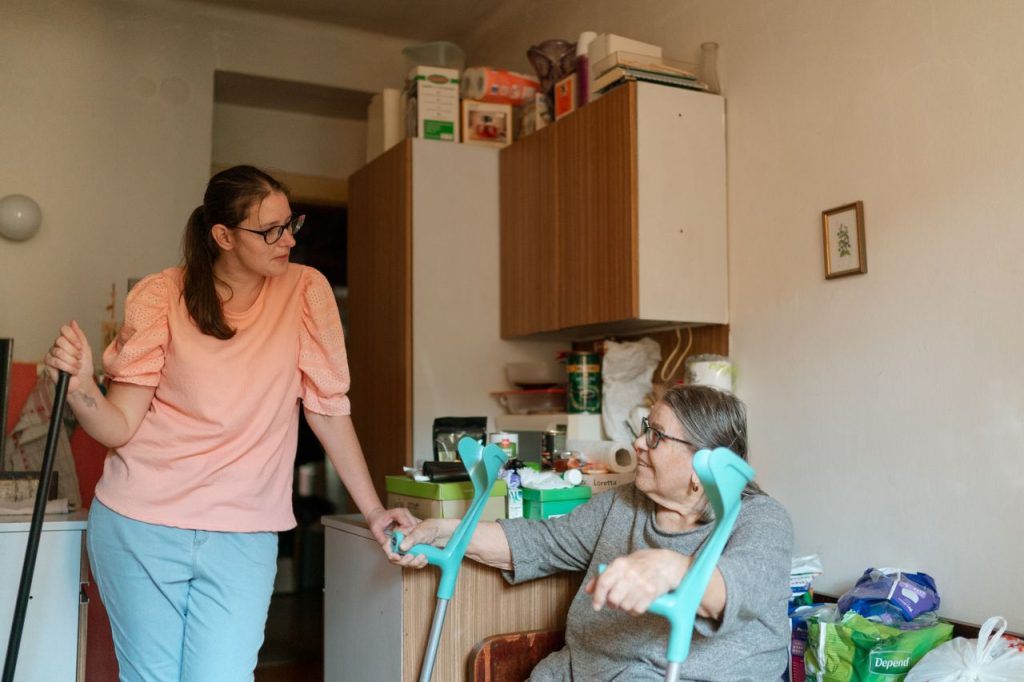
Choose the right level of assistance
Most families assume the choice is either “they do it alone” or “a stranger bathes them.” Real life has more gradations, and picking the right level is half the dignity battle.
|
Level |
What it looks like in a home |
Best fit when |
Watch-outs |
|
Standby supervision |
Someone nearby for balance, setup, and emergency response |
Mild unsteadiness, fear of falling, fatigue |
Senior may rush when anxious or insist they’re fine |
|
Hands-on bathing |
Assistance with transfers, washing hard-to-reach areas, hair, and rinse |
Limited range of motion, weakness, pain, poor vision |
Needs trust, warmth, and clear consent every time |
|
Full personal care |
Complete support with bathing, grooming, dressing, toileting, and skin care |
Advanced mobility limits, moderate to severe dementia, high fall risk |
Requires a consistent routine and usually more hours |
Standby supervision
This is the “I’m here, you’re in charge” model. The caregiver sets up towels, checks water temp, stays within earshot, and helps with stepping in and out. For a lot of seniors, this feels acceptable because it preserves autonomy while quietly lowering risk.
Hands-on bathing
Hands-on care is where technique matters: safe transfers, gentle washing, avoiding tugging skin, respecting modesty, and keeping the room warm. The best caregivers narrate just enough to avoid surprises and keep the person oriented.
This is also where a professional can feel less emotionally loaded than an adult child. Families don’t love hearing that, but it’s true.
Full personal care
Full care becomes necessary when a senior can no longer initiate or complete the bathing process independently, or when toileting, incontinence care, dressing, and skin protection are also needed. At this stage, personal care often involves a consistent daily routine with close attention to comfort, safety, hygiene, and dignity.
If agitation becomes part of the bathing routine, a calm and patient approach is often the most effective. Reducing distractions, offering simple choices, using familiar routines, and avoiding unnecessary arguments can help lower anxiety and create a more positive experience for everyone involved.
Build a routine that preserves dignity
Dignity is not a speech you give. It’s logistics.
Frequency and timing
Not everyone needs a daily shower, and insisting on it can create unnecessary conflict. A reasonable goal might be a full bath or shower a few times a week with daily “spot cleaning” for face, underarms, and perineal care, depending on continence and skin needs.
For families stuck on the daily-bathing idea, this piece on how often seniors should bathe is a reality check grounded in how older bodies and routines actually work.
Timing matters too. Many seniors do better mid-morning when they’re less stiff and less tired. People with sundowning often do worse late afternoon. Pick your battles with the clock.
Privacy and consent
Consent isn’t a one-time permission slip. It’s ongoing. Knock, explain, ask, and accept “not right now” when it’s safe to delay. Cover with towels. Keep the door closed. Warm the room. Don’t invite siblings into a decision like it’s a committee meeting.
If you’re a spouse or adult child providing intimate care, protect the relationship by setting boundaries. Sometimes paying for help is not a luxury, it’s a way to keep love from turning into resentment.
Products and setup
The right setup reduces the need for hands-on help. Non-slip mats that actually grip, a shower chair with rubber feet, a handheld showerhead, soap that’s easy to hold, pump bottles, good lighting, and a towel within reach before anyone gets wet.
Also, stop buying fancy bath products with aggressive fragrance. Older skin is picky, and strong scents can trigger nausea or agitation.
Combine bathing support with other home services
Bathing rarely exists alone. If someone needs bathing assistance, they often need support with the other ADLs, plus the IADLs that make the house run.
Medication and mobility
If dizziness is part of the bathing problem, medication timing and hydration matter. Mobility devices need to be fitted to the space. A physical therapist can train safer transfers and recommend equipment. If you’re coordinating multiple disciplines, write it down. Memory is not a system.
Meals and housekeeping
If the senior is skipping bathing because they’re exhausted, check whether they’re also skipping meals, chores, or sleep. Light housekeeping, laundry, and meal prep are not “nice to have” when they prevent functional decline from snowballing.
Nursing and therapy coordination
When there are wounds, diabetes, foot risks, ostomy care, or frequent infections, you want clinical eyes in the mix. Home health nursing and therapy can coordinate with non-medical home care, but roles matter. Keep boundaries clear so nobody assumes someone else is handling skin checks or medication reconciliation.
Handle resistance, family conflict, and burnout
Families fight about bathing help in predictable ways: one sibling thinks Mom is “fine,” another is doing the work and is furious, the senior feels ganged up on, and everyone acts shocked when it goes badly.
Resistance usually softens when you remove humiliation from the process. Try language that offers control and options without turning it into a trial:
- “Do you want a shower before lunch or after?”
- “Would you rather I stay nearby, or would you prefer a professional aide?”
- “We can do a wash-up today and a shower tomorrow. Your call.”
- “I’m worried about slipping. Let’s make this safer.”
Burnout is its own red flag. If a family caregiver is dreading bathing days, if you’re arguing with your spouse about who has to do it, if you feel sick before you drive over, you’re already past the point where “pushing through” is noble.
Know when to add professional or community support
Add professional support when safety is compromised, when cognitive decline makes hygiene a flashpoint, or when the family can’t provide consistent care without burning down relationships.
On the practical side, funding and programs can be confusing, so here’s the clean version:
|
Support route |
What it can cover |
Who it’s for |
Where to start |
|
Medicare (limited) |
Skilled home health when criteria are met, not ongoing custodial bathing |
Short-term after illness or hospitalization |
Review eligibility on Medicare home health coverage |
|
Medicaid (varies by state) |
In-home personal care and ADL support for eligible adults |
Low income and/or high care needs |
A plain-English overview from the National Council on Aging on Medicaid helps |
|
VA programs |
Consumer-directed options for eligible veterans |
Veterans needing ADL assistance |
Check Veteran Directed Care |
|
Private pay home care |
Flexible hours for bathing, grooming, routines |
Anyone who can budget for it |
Vet agencies, check training, insist on care plans |
|
Caregiver support and coaching |
Planning, hiring, boundaries, respite |
Families hitting overload |
The Family Caregiver Alliance’s guide to hiring help is a solid starting point |
A small note that matters: introducing support earlier tends to go better than introducing it after a crisis. People accept help more easily when it’s framed as “keeping you independent at home” rather than “you can’t do this anymore.” That’s not spin. That’s human psychology.
Conclusion
If bathing and grooming have turned into skipped days, shaky transfers, cover stories, or shouting matches, you don’t need more willpower. You need a safer plan.
Start small if you can: better setup, predictable timing, standby support. Move up the ladder when the risks or the distress increase. And if the family is cracking under the strain, take that seriously, because burnout doesn’t just hurt the caregiver, it changes the whole home’s temperature.
You’re not trying to “win” hygiene. You’re trying to keep someone clean, safe, and still themselves, in their own home, for as long as that’s a good idea.
FAQ
Do seniors need to bathe every day?
Usually, no. Frequency depends on continence, sweating, skin health, and preference. Many older adults do fine with a few showers per week plus daily hygiene at the sink, as long as skin folds and perineal care are handled properly.
Is it better for family or a professional caregiver to help with bathing?
It depends on trust, mobility, and comfort. Plenty of seniors feel less embarrassed with a trained aide because it’s less emotionally tangled than having an adult child involved. Families can still manage scheduling and oversight without being the ones holding the handheld showerhead.
What if my loved one refuses to bathe?
Assume there’s a reason: fear of falling, feeling cold, pain, confusion, or modesty. Adjust timing, warm the room, simplify steps, offer choices, and consider a consistent professional caregiver if family prompts trigger defensiveness.
When does bathing help a medical issue?
When there are falls, fainting, open skin, infections, significant confusion, or rapid decline. Loop in their primary care clinician and ask for a functional assessment, medication review, and therapy evaluation if needed.
Restore Comfort, Confidence, And Dignity With Help With Bathing And Grooming At Home
Personal care routines are about more than staying clean. They help seniors feel confident, comfortable, and ready to enjoy each day. As mobility, balance, or health challenges make bathing and grooming more difficult, these everyday tasks can become stressful or even unsafe. Having compassionate assistance allows seniors to maintain their independence while receiving the support they need in the privacy of their own home.
Help With Bathing and Grooming at Home from Serenity Family Homecare provides respectful, personalized care tailored to each client’s needs and preferences. Our caregivers assist with bathing, hair care, shaving, oral hygiene, dressing, and other personal care routines while encouraging independence whenever possible. Every visit is centered on safety, dignity, and making daily routines easier and more comfortable.
With trusted personal care support, seniors can enjoy better hygiene, greater confidence, and a reduced risk of slips and falls. Families gain peace of mind knowing their loved one is receiving compassionate, professional care from experienced caregivers. Contact Serenity Family Homecare today to schedule an assessment and learn how our Help With Bathing and Grooming at Home services can help your loved one live safely, comfortably, and confidently at home.
Disclaimer
The information on this website is for general education only and should not be treated as medical, legal, or professional advice. Every family and health situation is different, so you should speak with a qualified healthcare provider or appropriate professional before making care decisions. Do not make changes to a care plan or rely on this content as a substitute for professional guidance. The information on this site may not reflect the most current medical standards or practices. Serenity Family Homecare is not responsible for any actions taken or not taken based on the material on this website.