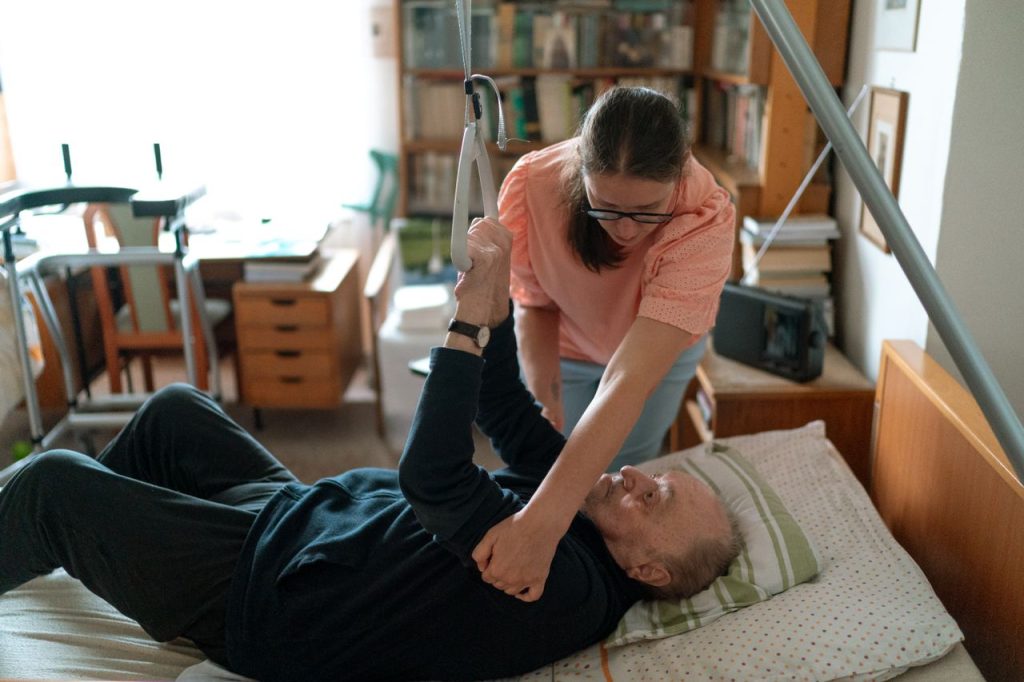
As people age, maintaining strength, balance, and mobility becomes increasingly important for preserving independence and overall quality of life. Many seniors experience reduced flexibility, weaker muscles, slower reflexes, and balance difficulties that can interfere with daily activities such as walking, climbing stairs, getting out of bed, or even standing for extended periods. These physical changes often increase the risk of falls, injuries, and loss of confidence. Fortunately, regular in-home mobility exercises can help seniors maintain physical function and move safely and comfortably.
In-home mobility exercises are structured movements and physical activities that seniors can perform in the comfort of their own homes. These exercises focus on improving flexibility, joint mobility, muscle strength, coordination, posture, and balance. Unlike high-intensity workouts, mobility exercises are generally gentle, low-impact, and adaptable to different physical abilities. They are designed to help seniors move more efficiently while reducing stiffness and discomfort.
One of the biggest advantages of in-home mobility exercises is convenience. Seniors do not need to travel to a gym or fitness center to stay active. Many older adults feel more comfortable exercising in familiar surroundings where they can move at their own pace. This can increase consistency and encourage long-term participation. Regular movement is essential because inactivity can quickly contribute to muscle weakness, joint stiffness, poor circulation, and reduced balance control.
Strength and balance are closely connected. Strong muscles help stabilize the body during movement, while good balance reduces the likelihood of slips and falls. Seniors who regularly participate in mobility exercises often notice improvements in posture, walking stability, flexibility, and confidence during everyday tasks. Even small improvements in physical function can make a significant difference in maintaining independence.
Falls are one of the leading causes of injury among older adults. Poor balance, weak leg muscles, and limited mobility can all increase fall risk. In-home mobility exercises help target these problem areas by strengthening the lower body, improving coordination, and enhancing body awareness. Exercises that involve standing, shifting weight, stretching, or controlled movement patterns can help seniors develop better balance reactions and stability.
Another major benefit of mobility exercises is pain reduction. Many seniors live with conditions such as arthritis, joint stiffness, or chronic muscle tension. Gentle movement helps improve blood flow, lubricate joints, and maintain flexibility, which can reduce discomfort and improve overall movement quality. Staying active also supports cardiovascular health, circulation, and mental well-being.
Mental health benefits are equally important. Physical activity can boost mood, reduce anxiety, and improve confidence. Seniors who feel physically capable are often more willing to participate in social activities, hobbies, and daily routines. Exercise can also create a sense of accomplishment and control, especially for older adults who may feel limited by aging or physical changes.
In-home mobility exercises can be customized based on a senior’s health condition, fitness level, and mobility limitations. Some exercises may involve seated movements for individuals with limited balance, while others may include standing exercises that challenge coordination and stability. Consistency is more important than intensity. Performing mobility exercises regularly, even for short periods each day, can produce meaningful improvements over time.
Caregivers and family members also play an important role in encouraging safe exercise habits. Providing supervision, creating a safe environment, and offering motivation can help seniors feel more confident about participating in exercise programs. Consulting healthcare professionals or physical therapists can further ensure exercises are appropriate and beneficial for specific health conditions.
Understanding how in-home mobility exercises improve strength and balance allows seniors and caregivers to make informed decisions about healthy aging strategies. By staying physically active, older adults can maintain greater independence, reduce injury risk, and continue enjoying everyday life with improved confidence and comfort.
Key Takeaways
- In-home mobility exercises help seniors improve strength, flexibility, coordination, and balance.
- Regular movement reduces the risk of falls and injuries among older adults.
- Mobility exercises can improve independence and make daily activities easier.
- Gentle exercises support joint health and reduce stiffness associated with aging.
- Strong muscles contribute to better posture and body stability.
- Seniors can safely exercise at home without needing expensive equipment.
- Consistent physical activity supports mental health and emotional well-being.
- Exercises can be adapted for different mobility levels and health conditions.
- Improved balance helps seniors feel more confident while walking or standing.
- Caregiver support and safe exercise environments encourage long-term success.
Why Strength And Balance Matter For Seniors
Age-Related Muscle Loss Affects Mobility
As seniors age, muscle mass naturally decreases through a process called sarcopenia. This gradual loss of muscle strength can make daily tasks more difficult and increase the likelihood of falls. Weak muscles may affect walking speed, posture, and the ability to stand up from a seated position.
In-home mobility exercises help combat muscle loss by encouraging regular muscle activation. Even simple bodyweight movements can strengthen the legs, core, hips, and upper body. Strong muscles provide better support for joints and improve overall movement efficiency.
Lower body strength is especially important because the legs and hips play a major role in walking and maintaining balance. Exercises such as seated leg raises, standing marches, and gentle squats can help seniors maintain lower body stability.
Balance Declines With Age
Balance problems are common among older adults due to changes in vision, joint function, muscle strength, and inner ear function. Seniors with poor balance may feel unsteady while walking or changing positions.
Mobility exercises improve balance by training the body to maintain stability during movement. Controlled motions help strengthen stabilizing muscles and improve coordination between the brain and body.
Practicing balance exercises regularly can help seniors react more effectively to sudden movements or uneven surfaces. This may reduce fall risk and increase confidence during daily activities.
Improved Balance Supports Independence
Maintaining balance allows seniors to continue performing important daily tasks independently. Activities such as bathing, cooking, dressing, and walking become safer and easier when balance improves.
Seniors who feel stable on their feet are often more willing to remain socially active and participate in hobbies or community events. This contributes to better emotional and mental well-being.
Benefits Of In-Home Mobility Exercises
Increased Convenience Encourages Consistency
One of the main reasons home exercises are effective is accessibility. Seniors can exercise without transportation challenges or crowded fitness facilities.
Exercising at home allows individuals to create routines that fit their schedules and comfort levels. Consistency is easier to maintain when exercise is convenient and stress-free.
Simple exercises can be performed in living rooms, bedrooms, or outdoor patios with minimal equipment. Resistance bands, chairs, and light hand weights may be helpful but are not always necessary.
Improved Joint Flexibility And Range Of Motion
Joint stiffness commonly affects seniors, especially those with arthritis or sedentary lifestyles. Mobility exercises encourage joints to move through their full range of motion, helping maintain flexibility and comfort.
Stretching movements can reduce tightness in the hips, shoulders, knees, and back. Improved flexibility makes walking, reaching, and bending easier and safer.
Regular stretching may also reduce muscle tension and improve circulation throughout the body.
Better Posture And Core Stability
Core muscles support the spine and help maintain proper posture. Weak core muscles can contribute to slouching, back pain, and instability.
Mobility exercises often target the abdominal and lower back muscles through controlled movements and posture-focused activities. Improved core strength helps seniors remain upright and balanced during movement.
Better posture can also improve breathing efficiency and reduce strain on joints.
Common In-Home Mobility Exercises For Seniors
Chair Exercises
Chair exercises are excellent for seniors with limited mobility or balance concerns. These exercises allow individuals to remain seated while strengthening muscles and improving circulation.
Examples include:
- Seated leg lifts
- Arm circles
- Ankle rotations
- Seated marches
- Toe taps
Chair exercises provide a safe starting point for seniors who are rebuilding strength or recovering from illness or injury.
Standing Balance Exercises
Standing exercises challenge stability and coordination while strengthening the lower body.
Examples include:
- Heel-to-toe walking
- Single-leg stands
- Side leg raises
- Standing marches
- Mini squats
These exercises help seniors improve balance reactions and body control. Performing them near a sturdy chair or countertop provides additional safety.
Stretching Exercises
Stretching improves flexibility and reduces stiffness in muscles and joints.
Common stretches include:
- Hamstring stretches
- Shoulder rolls
- Neck stretches
- Calf stretches
- Hip stretches
Stretching should be gentle and controlled without bouncing or forcing movement.
Walking And Marching Movements
Walking remains one of the best mobility exercises for seniors. Indoor walking routines or marching in place can improve cardiovascular health, coordination, and endurance.
Walking exercises also help maintain bone density and leg strength. Seniors can gradually increase walking duration as endurance improves.
How Mobility Exercises Reduce Fall Risk
Strengthening Stabilizing Muscles
The body relies on multiple muscle groups to maintain balance. Weakness in the legs, hips, or core increases instability.
Mobility exercises strengthen these stabilizing muscles, helping seniors maintain better control during movement. Stronger muscles improve reaction time when tripping or losing balance.
Improving Coordination And Body Awareness
Coordination involves communication between the brain and muscles. Mobility exercises train the nervous system to respond more effectively to movement changes.
Balance-focused exercises improve proprioception, which is the body’s awareness of position and movement. Better proprioception helps seniors navigate uneven surfaces and avoid accidents.
Enhancing Confidence During Movement
Fear of falling can cause seniors to limit physical activity, which may lead to further weakness and balance problems.
Regular exercise builds confidence by improving physical ability and stability. Seniors who feel more secure while moving are often more active and independent.
Mental And Emotional Benefits Of Mobility Exercises
Reduced Anxiety And Stress
Physical activity stimulates the release of endorphins, which help improve mood and reduce stress. Seniors who exercise regularly often report feeling calmer and more emotionally balanced.
Exercise routines also provide structure and a sense of accomplishment.
Improved Cognitive Function
Movement and physical activity support healthy blood flow to the brain. Some studies suggest regular exercise may help improve memory, concentration, and cognitive function in older adults.
Exercises requiring coordination and focus may further support brain health.
Greater Social Engagement
Seniors who maintain mobility are often more willing to participate in social activities and spend time with family and friends.
Improved physical confidence can reduce isolation and contribute to better emotional health.

Safety Tips For In-Home Senior Exercises
Create A Safe Exercise Space
Exercise areas should be free from clutter, loose rugs, or slippery surfaces. Proper lighting and supportive footwear also improve safety.
Using sturdy furniture for support can help prevent falls during standing exercises.
Start Slowly And Progress Gradually
Seniors should begin with low-intensity movements and gradually increase duration or difficulty over time.
Overexertion may increase injury risk or discourage continued participation.
Stay Hydrated And Listen To The Body
Hydration remains important even during light exercise. Seniors should also pay attention to signs of pain, dizziness, or fatigue and stop if discomfort occurs.
Consulting a healthcare provider before beginning a new exercise routine is recommended, especially for individuals with chronic conditions.
How Caregivers Can Support Senior Mobility
Encouraging Consistency
Caregivers can help seniors establish regular exercise schedules and provide reminders or motivation.
Positive encouragement often improves participation and long-term success.
Assisting With Supervision
Some seniors may feel safer exercising with supervision. Caregivers can assist with balance support and ensure exercises are performed correctly.
Supervision may also help prevent accidents or overexertion.
Participating Together
Exercising together can make routines more enjoyable and motivating. Shared physical activity also strengthens emotional connections between seniors and caregivers.
Conclusion
In-home mobility exercises play a vital role in helping seniors maintain strength, balance, flexibility, and independence as they age. Regular movement supports muscle health, improves coordination, enhances posture, and reduces the risk of falls that can lead to serious injuries. These exercises are often simple, low-impact, and adaptable to different physical abilities, making them accessible for many older adults.
One of the greatest advantages of in-home mobility exercises is convenience. Seniors can stay active in a comfortable and familiar environment without the stress of traveling to a gym or rehabilitation center. This accessibility encourages consistency, which is essential for long-term physical improvement. Even small amounts of daily movement can positively affect mobility, confidence, and overall well-being.
Improved strength and balance can make everyday tasks easier and safer. Seniors who maintain mobility are often better able to walk, climb stairs, stand up from chairs, and perform household activities independently. This independence contributes to better emotional health and a stronger sense of self-confidence.
Mobility exercises also provide mental and emotional benefits. Regular physical activity supports mood, cognitive health, stress reduction, and social engagement. Seniors who feel physically capable are more likely to remain active in their communities and maintain fulfilling lifestyles.
Safety should always remain a priority when beginning any exercise program. Exercises should match individual ability levels, and healthcare professionals can provide guidance when necessary. Caregivers and family members can further support seniors by creating safe exercise environments and encouraging consistent participation.
Healthy aging involves staying active and maintaining movement whenever possible. In-home mobility exercises offer a practical and effective way for seniors to improve strength, stability, and quality of life while reducing the physical challenges associated with aging.
Frequently Asked Questions
1. What Are Mobility Exercises For Seniors?
Mobility exercises are gentle physical movements designed to improve flexibility, strength, balance, coordination, and joint function. These exercises help seniors move more comfortably and safely during daily activities.
2. How Often Should Seniors Perform Mobility Exercises?
Many seniors benefit from performing mobility exercises at least three to five times per week. Some gentle stretching and balance activities may be performed daily depending on fitness level and healthcare recommendations.
3. Can Mobility Exercises Prevent Falls?
Mobility exercises can significantly reduce fall risk by improving muscle strength, balance, coordination, and body awareness. Stronger muscles and better stability help seniors maintain safer movement patterns.
4. Are Chair Exercises Effective For Seniors?
Yes. Chair exercises are highly effective for seniors with limited mobility or balance concerns. They help strengthen muscles, improve circulation, and maintain flexibility while providing added safety.
5. Do Seniors Need Equipment For Home Exercises?
Most mobility exercises require little or no equipment. Chairs, resistance bands, light weights, or yoga mats may be helpful but are not always necessary.
6. Can Seniors With Arthritis Do Mobility Exercises?
Many mobility exercises are beneficial for seniors with arthritis because gentle movement can reduce stiffness, improve flexibility, and support joint health. Exercises should be adapted to individual comfort levels.
7. Is Walking Considered A Mobility Exercise?
Yes. Walking is one of the best mobility exercises for seniors because it strengthens muscles, improves balance, supports cardiovascular health, and increases endurance.
8. When Should Seniors Avoid Certain Exercises?
Seniors should stop exercising if they experience chest pain, dizziness, severe shortness of breath, or significant discomfort. Healthcare providers should be consulted before starting new exercise routines, especially for individuals with medical conditions.
How Companion Visits And Social Support Help Seniors Stay Connected At Home
Staying socially connected is an important part of healthy aging. Many older adults spend long stretches of time alone, especially when family members live far away or busy schedules make regular visits difficult. Over time, limited social interaction can lead to loneliness, reduced motivation, and a decline in emotional well-being. Seniors often benefit from consistent companionship that brings conversation, activity, and a sense of connection back into everyday life.
Companion Visits and Social Support from Serenity Family Homecare help seniors stay engaged, supported, and connected while remaining in the comfort of their own homes. Our caregivers provide friendly conversation, shared activities, light assistance with daily routines, and meaningful social interaction tailored to each person’s interests. Whether it’s enjoying a walk, playing games, sharing a meal, or simply spending time talking, these visits create moments of connection that brighten the day.
With regular companion visits in place, seniors maintain stronger emotional well-being and feel less isolated. Families gain peace of mind knowing their loved one has consistent social interaction and caring support. Contact Serenity Family Homecare today to schedule an assessment and learn how Companion Visits and Social Support can help your loved one stay connected and supported at home.
Disclaimer
The information on this website is for general education only and should not be treated as medical, legal, or professional advice. Every family and health situation is different, so you should speak with a qualified healthcare provider or appropriate professional before making care decisions. Do not make changes to a care plan or rely on this content as a substitute for professional guidance. The information on this site may not reflect the most current medical standards or practices. Serenity Family Homecare is not responsible for any actions taken or not taken based on the material on this website.