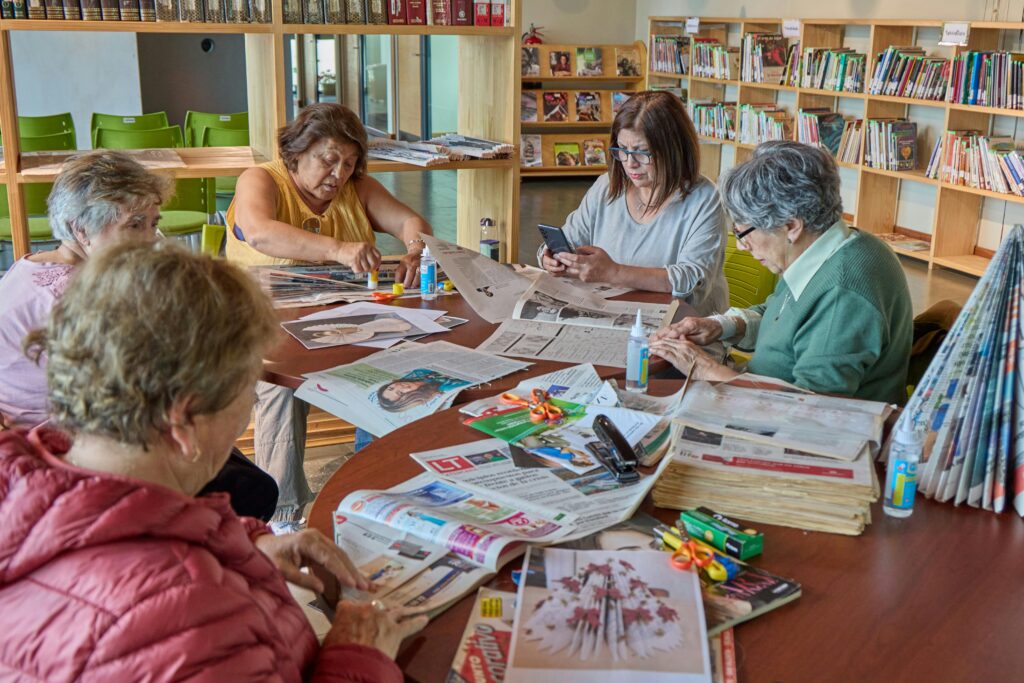
Companionship visits for seniors provide individualized attention from a visitor, whereas group programs unite individuals in a communal environment. Both are critical to combatting loneliness, but each provides a unique form of support. Companionship visits often feel more personal and can align with the speed or requirements of the older adult. Group programs provide opportunities for social skills, shared interests, and feeling part of a community. Deciding between them usually depends on the elder’s preference, comfort in groups, and medical needs. To highlight the true benefits of each, this post will unpack what both provide and how they address the needs of older adults.
Key Takeaways
- Personalized companionship visits provide customized care and emotional connection, honoring the individual’s unique past, interests, and evolving needs, meaning more fulfillment and quality of life.
- Visits with one-on-one companionship tend to create more trust and emotional connections, which helps loneliness and mental health and creates deeper social connections than group programs.
- Companionship visits offer flexibility in scheduling and activities, accommodating fluctuating energy levels and preferences, and enabling both structured and impromptu activities.
- Group programs are great for encouraging general socialization and peer support. They provide seniors with exposure to a variety of interactions, activities, and community resources that can enhance social skills and overall well-being.
- What about combining the two? Companionship visits for older adults can deliver deeply personal support, while group programs offer opportunities for social engagement. A hybrid approach can maximize benefits.
- Ultimately, families need to evaluate individual needs, personality fit, and health conditions when deciding which model of support is most aligned with an older adult’s objectives, preferences, and well-being.
Comparing Social Support Models
There are many ways to provide social support for older adults, particularly through adult women volunteers engaging in companionship services and socialization activities, with companionship visits and group programs being the most common.
| Feature | Companionship Visits | Group Programs |
| Personalization | High | Moderate to Low |
| Emotional Support | Direct, consistent | Shared, variable |
| Scheduling | Highly flexible | Fixed, less flexible |
| Activity Choice | Individualized | Group-determined |
| Social Interaction | Deep, one-on-one | Broad, multi-person |
| Cost | Higher per session | Lower per person |
1. Personalization
With companionship visits, senior companions have the opportunity to customize every aspect of their social support through engaging socialization activities. The visitor may concentrate on hobbies, reminisce, or simply be a listener, ensuring that the senior companionship services are tailored to the interests of the older adult, not a predetermined schedule.
2. Emotional Impact
No matter the approach, having a companion is often what helps seniors feel less isolated. It provides the security and connection inherent to family care models. The bond is tight. Seniors who have these visits usually are in better moods and have better outlooks because the visits fill in the voids from retirement or losing a partner. For most, it translates into fewer days of isolation and more feeling supported.
3. Social Dynamics
Personal visits cultivate trust and enhance senior companionship, as the connection deepens when both parties familiarize themselves with each other. In these meetings, seniors frequently discuss significant issues that don’t arise in larger volunteer programs. This interaction helps calm social anxiety. While group programs create broad social circles, they often lack depth, leaving some feeling excluded. Nevertheless, these socialization activities provide opportunities to encounter many people at once, which may benefit those who enjoy larger crowds.
4. Flexibility
Schedules of companionship visits match the seniors’ needs, ensuring that adult volunteers can provide tailored support. If they are tired, the visit can be brief or rescheduled. Activities shift depending on what the senior desires on that particular day, whether it involves socialization activities like games or walks, or simply enjoying quiet conversation. This amount of choice is uncommon in group programs, which schedule times and activities ahead of time.
5. Cost And Resources
Companionship visits, particularly those involving adult women volunteers, are often more expensive per visit due to the need for dedicated staff. Group programs, which may include volunteering efforts, distribute costs among more participants, making them less costly. Family-based models sometimes blend both approaches, sharing responsibilities with paid assistance to minimize expenses. The true benefit lies in the lifelong wellness of elders who can choose the assistance that best meets their needs.

The Power Of One-On-One Connection
Seniors frequently experience the greatest difference from a personal, in-person visit through companion care services from Serenity Family Homecare. Unlike group programs, one-on-one companionship from adult women volunteers delivers support that seems more authentic and reliable. The impact really stands out when you see how these visits enhance cognitive acuity and provide solace.
Deep Companionship
Personal visits allow intense emotional ties to develop. With dedicated, distraction-free time, seniors can feel genuinely listened to and appreciated. These visits are more than surface talk. They discuss life stories, memories, and lessons learned. Trust builds in a way that group sessions seldom do.
Even a brief visit or call goes a long way. It has the power to transform a lonely day into one of genuine human warmth. For a lot of people, these are comforting moments where they feel a sense of inclusion. They combat isolation and affirm to seniors that they still count in the world. Research demonstrates that seniors tend to find these one-on-one meetings more enjoyable than group or family gatherings.
Mind-Boosting Activities
One companion from Serenity Family Homecare can customize all activities to suit the senior’s preferences. Puzzles, games, and truthful conversations keep the mind engaged. You can shift the pace or the topic. This leads to more meaningful interaction.
Simple, regular mental challenges help keep you sharp. Studies associate social connection with a reduced chance of dementia, which is up to 50% less. The heart and mind are connected. One-on-one conversations replenish both. A companion can detect shifts in memory or mood early, providing families peace of mind.
Consistent Support
There’s something about having one person to count on. It grounds your day. Routines build, and senior citizens anticipate. That feeling of control makes life more manageable.
Emotional support is in the mix. The partner hears you, comforts you, and intervenes as necessary. Family caregivers have a reprieve knowing their loved one is secure and receiving care from Serenity Family Homecare.
When Group Programs Shine
That’s where volunteer programs for older adults really shine, particularly in contexts where the need for social connections, peer support, and a common experience is high. For many, these programs offer more than personal companionship, and they integrate a network that supports emotional, social, and mental health through senior companionship.
Broad Socialization
Group programs unite seniors from all walks of life, enhancing volunteerism and fostering community connections. These types of settings cultivate fresh connections, ignite dialogue, and assist students with establishing confidence in their peers. For those who feel isolated, such as the one in four seniors who say they’re lonely, group programs offer a lifeline. Consistent group gatherings, whether community workshops or artistic shows, provide opportunities for adult women volunteers to connect frequently, increasing joy and mitigating loneliness. Most seniors, particularly those with health or mobility challenges, struggle to maintain old friendships. Structured groups bridge this divide by simplifying the process of generating new connections, ultimately boosting life satisfaction and reducing isolation-related health risks like dementia and heart disease.
Social Activities Together
These group programs can be anything from art classes to group walks, fostering community connections among adult women volunteers and seniors. With options that satisfy a lot of interests and skills, nobody feels excluded. These games, music, and craft activities require group work and ignite a feeling of accomplishment. Co-created projects allow individuals to learn from one another and exchange skills. When group programs shine, many seniors report that participation in these socialization activities provided them with new friendships and a weekly hook to anticipate. Even better, if you’re getting older and life-altering transitions have taken away your rituals, group programs can step in to fill the void.
Peer Support
In groups, older adults can truly lean on one another, fostering community connections. Sharing stories about health, family, or everyday life builds trust and understanding among senior companions. When one member faces challenges, others can provide guidance and compassion that only peers who have walked a similar path can offer. This support alleviates isolation and enhances morale. Regular contact through socialization activities ensures help is nearby if someone falls ill or needs assistance at home, allowing seniors to maintain their independence and feel safer in their homes.
The Hybrid Approach: A Better Way?
A hybrid approach to senior companionship, combining individual visits with group programs, allows seniors to maximize their time in each interaction. This method enhances their experiences through socialization activities, providing both personal attention and the energetic engagement of group settings. It’s not just about hybridity, but it’s about developing a reasonable care schedule that accommodates logistical pressures and individual preferences. The healthcare sector’s recent adoption of hybrid care, which includes blending virtual and in-person visits, has been shown to improve treatment adherence and foster community connections.
Combining Strengths
Combining companionship visits with group programs offers the optimal mix. One-on-one visits from Serenity Family Homecare provide privacy and a supportive ear, allowing seniors to open up about health issues, loneliness, or other daily challenges. Group activities, such as art or fitness classes, establish community and foster new friendships. When both are on offer, older adults can decide what suits their mood and needs that day.
There’s a tribe mentality that develops, where parents, siblings, and local communities unite. This team effort aids in early detection of issues, with caregivers reporting observations from private visits and community staff observing changes during group activities. This balanced framework acknowledges that aging is complicated. Some days demand silent support, while others require energetic companionship.
A Balanced Routine
A good hybrid schedule blends individual and group hours on a transparent schedule. For instance, a senior would sign up for a weekly group class and a home visit each week. This keeps connections strong and eschews isolation.
Families and caregivers should check in frequently, asking what succeeds and what fails. If the group setting seems too noisy or exhausting, habits can be mixed up. Research supports this: in diabetes care, patients had more follow-ups and better outcomes when hybrid models were used, with visit frequency rising from 4.2 to 6.3 per year. Such feedback loops allow routines to evolve, keeping care keen.
Customizing Care
Each care plan should reflect the specific needs of elderly individuals, as some may crave more group time while others require one-on-one chats. Periodic review helps ensure that the blend is just right, especially in senior communities. Hybrid systems in healthcare can provide providers with early data on their patients, enabling rapid interventions that can lead to fewer hospital stays and improved health outcomes. Family input is key, ensuring that the care aligns with everyone’s expectations.
What Companionship Visits Involve
Companionship visits from Serenity Family Homecare provide personal care assistance for seniors, addressing both their daily and emotional needs while enhancing socialization activities. These visits are organized yet adaptable, tailored to meet the unique needs of community-dwelling elderly individuals.
- Assistance with everyday tasks includes meal preparation, housekeeping, and transportation.
- One-on-one engagement through hobbies, games, and conversation
- Emotional support and attentive listening
- Community outings for social interaction and exploration
- Safety monitoring and encouragement of independence
Everyday Activities
Companionship visits center around direct assistance with daily activities. That translates to assisting seniors with cooking, cleaning, or morning preparation, which keeps them engaged in their lives. It’s not just about accomplishing tasks. It’s about keeping skills sharp and spirits high. For instance, a companion could assist a senior with meal preparation and grocery shopping or simply fold laundry side by side while discussing the day.
Hobbies play a significant role during these visits. Playing cards, nurturing a common garden, or absorbing music can be genuine pleasures. It’s these quiet moments that make every day feel richer. They assist in keeping the mind active. As studies reveal, the elders’ satisfaction and sense of purpose grow when they engage in these activities daily.
Emotional Assistance
Companionship visits provide something group programs seldom emulate: a true human connection. Companions from Serenity Family Homecare listen, share stories, and provide seniors with a safe space to chat. This is critical for mental well-being. Seniors are lonely, and a compassionate ear can be a game-changer.
Emotional support implies detecting symptoms of stress or anxiety. If someone is feeling down or distant, a good companion will reach out to them and provide solace, whether that is a quiet conversation or just a walk outside. Even brief, candid conversations can uplift and assist reminiscence.
Community Outings
Outings fare the best as a highlight for many. Companions might bring seniors out to parks, museums, or a local event. These trips disrupt habits and make seniors feel connected to their community. They provide an opportunity to experiment, which is critical for psychological well-being.
About what these outings entail, planning these excursions often involves the senior and their family making sure the activities fit personal interests. For instance, a trip to a local garden or an art show can invigorate the spirit and motivate social connection. New experiences, even small ones, can increase happiness and decrease anxiety.
Making An Informed Decision
Choosing between companion care services from Serenity Family Homecare and group programs for older adults means looking at the person’s needs, character, and health. Families should weigh not just what is available, but also what fits best for their loved one’s daily life. A checklist helps to sort these factors: note physical help needed, common moods, how often they see others, what hobbies they enjoy, and any changes in memory or movement. Add input from doctors or therapists to make the picture clearer. This way, families can spot gaps in care and see if a senior companion or a group setting might work better. Each option brings its own set of strengths, so matching them to the older adult’s situation is key.
Assess Individual Needs
Begin with the big picture of what the senior needs. Some require assistance getting around, while others seek companionship, and many desire both. Loneliness significantly affects approximately 25% of seniors, increasing heart disease risk by 29%. Engaging in frequent, impactful conversations, sometimes brief, can enhance mood and support cognitive function. It’s wise to talk with health workers, as they observe changes that families might miss. Regularly reassess these needs, as what suffices today may not be adequate next month. Family visits are often infrequent, and utilizing companion care services can provide skills and time that family members may not always offer.
Consider Personality
It’s not just about matching schedules with a companion, but it’s about who clicks with whom. Having things in common or a similar disposition to life creates true connections. Older adults find time with friends more pleasant than time with family, according to daily diary studies. Great matches in senior companionship make visits less work-like and more like true time together. These open discussions between the senior and the volunteer help both parties relax and bond. When personalities match up well, the entire volunteerism experience flows more seamlessly and organically.
Evaluate Health
Health determines which company is most suitable for senior companionship services. If they’re having difficulty walking, they might require individual assistance from adult volunteers. If your memory is slipping, group programs may not be secure. It’s worth checking in on your physical health, mental sharpness, and mood changes every once in a while. Your doctors and nurses can educate your family on what to be on the lookout for as things shift. As a senior’s health changes, shifting the type of companionship to match is crucial. This keeps care feasible and safe, avoiding caregiver burden when one individual attempts to do it all single-handedly.
Final Remarks
Companionship visits from Serenity Family Homecare provide seniors with a consistent presence and a genuine connection. Group programs have the advantage of infusing vitality and providing opportunities to interact with new individuals. Both options fill a need, so the right route depends on the individual. Some like quiet talks, while others want a busy room. Most discover that a combination of both is ideal. For instance, they may adore a chess visit with a companion on Monday and a dance class with a group on Friday. Both roads are routes to feeling noticed and loved. To seek the best fit, consult with the older adult about what resonates. For more Serenity Family Homecare stories and tips, see our newest posts and join the conversation.
Frequently Asked Questions
1. How Do Companionship Visits Differ From Group Programs?
Companionship visits provide individualized support and intimacy, while adult women volunteers in group programs allow for socialization with multiple individuals, fostering community connections and addressing different social and emotional needs.
2. Are Group Programs Or Companionship Visits Better For Reducing Loneliness?
Both companionship visits and group programs can mitigate loneliness for elderly individuals. While companionship services cater to those who prefer one-on-one interactions, socialization activities in group settings can be ideal for seniors who thrive in community engagement. The choice between these options depends on personal comfort.
3. What Are The Benefits Of A Hybrid Approach?
This hybrid approach combines one-on-one companionship and group programs, maximizing social opportunities for adult women volunteers and older adults while supporting various needs and preferences.
4. What Activities Occur During Companionship Visits?
During companionship visits, older adults might engage in activities like talking, playing games, or walking, which are tailored to their interests, enhancing their socialization activities and overall well-being.
5. Who Provides Companionship Visits?
Companionship visits are typically delivered by trained adult women volunteers, caregivers, or professionals who are screened and trained to provide safe, quality support in senior communities.